


A Morning in Olympic Forest Park: The Smog Is Gone
It’s 7 AM on a Saturday in Beijing. I’m standing near the water in Olympic Forest Park, watching an elderly man practice Tai Chi while teenagers skate nearby. A few years ago, this view might have been obscured by thick smog. Today, the air is crisp, and the willow trees are lush green. This isn’t magic; it’s the result of a massive shift that started at the top but is now living in the soil.
China used to be defined by rapid industrialization and gray skies. But if you walk through cities today, the first thing you notice isn’t the speed of high-speed trains or the glow of neon signs—it’s the green. From rooftop gardens in Shanghai to reforested hills in Hebei, nature is reclaiming its space.
From Trash to Treasure: The Community Shift
The change starts at home. In residential compounds across China, waste sorting has become a reflex for many families. It’s not just about following rules; it’s a social habit. In my neighborhood in Chengdu, volunteers stand by the bins at 7 PM every day, gently guiding residents to separate food scraps from recyclables.
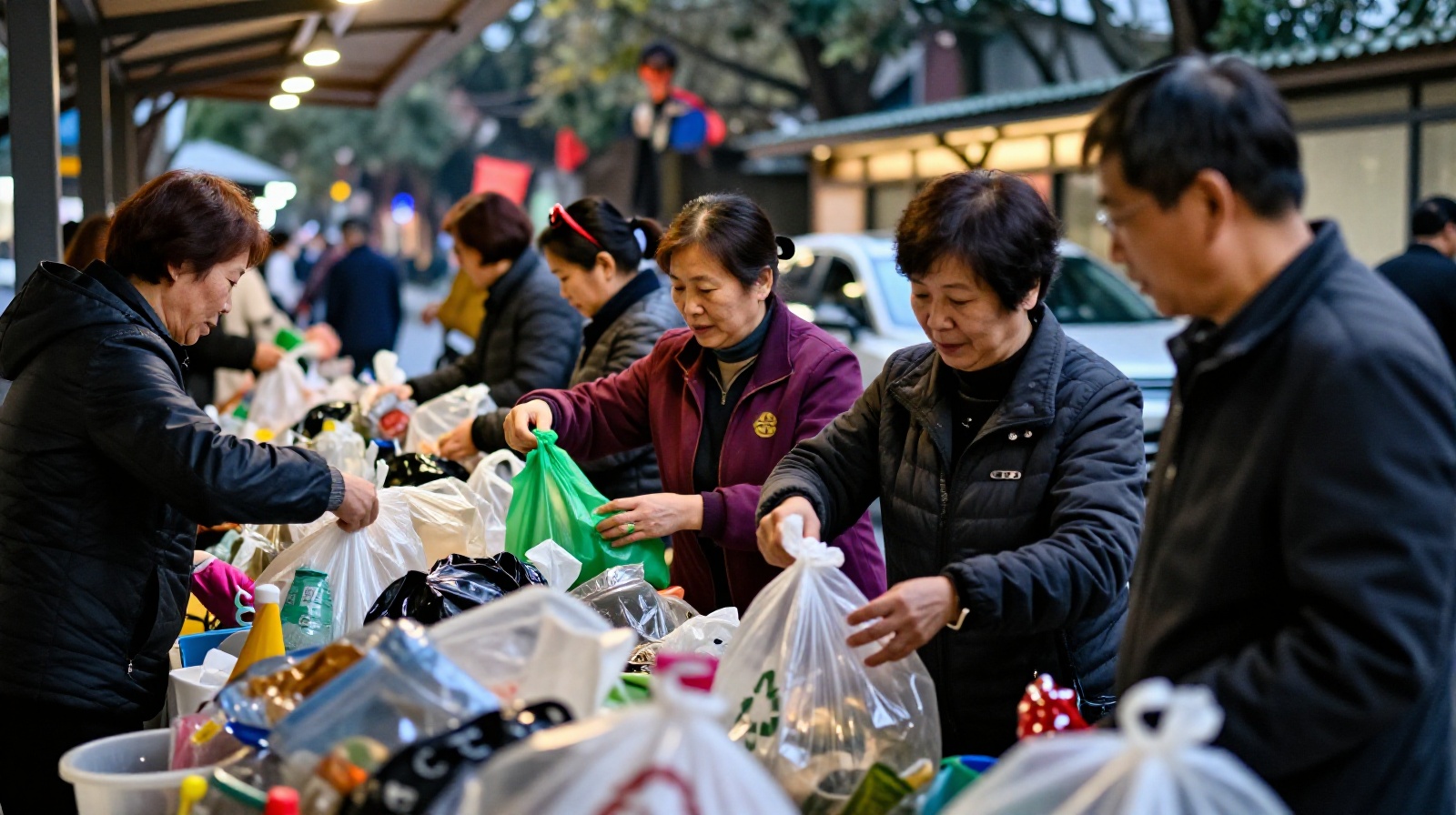
It feels different now because of apps and gamification. Residents scan QR codes to earn points for correct sorting, which can be exchanged for groceries or bus tickets. A grandmother in her 70s told me she enjoys the routine as much as the social interaction with neighbors. It turns a chore into a community activity.
Tech Meets Nature: The Smart Gardener
Technology isn’t just about factories; it’s helping nature thrive. In Wuhan, a group of neighborhood volunteers uses IoT sensors to monitor soil moisture and air quality in their urban gardens. These devices send data to a local app, alerting residents when the water levels are low or if pollution spikes.
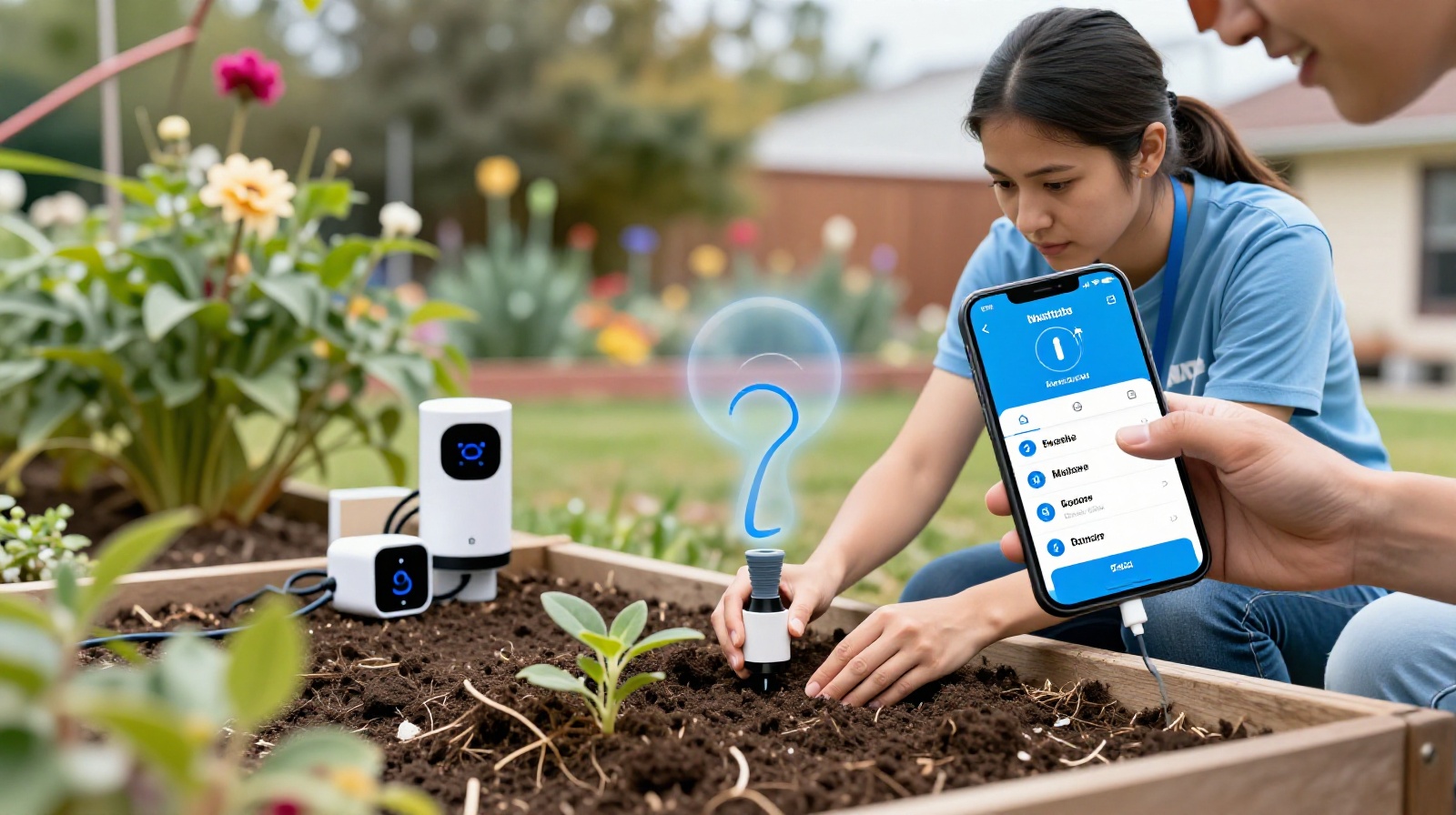
Imagine walking past a park where automated drip irrigation systems, powered by solar panels, save millions of liters of water annually. This is happening in smaller towns just as much as in megacities. It’s a practical blend of traditional care and modern efficiency that makes sustainability feel accessible, not abstract.
The Green Entrepreneurs: Beyond the Headlines
While big headlines focus on massive industrial projects, real change is often driven by young people in smaller towns. I met Li Wei, a 26-year-old entrepreneur in Yunnan who started a company making biodegradable packaging from bamboo waste.

“I didn’t want to work in a factory,” Li told me over tea in his village. “I wanted to turn what others threw away into something useful.” His business employs local farmers and has reduced plastic usage in the region significantly. Stories like Li’s are common now, showing that ‘green’ isn’t just a government slogan—it’s a viable career path.
Why This Matters for the World
This grassroots movement is crucial. It proves that environmental protection doesn’t have to be a top-down mandate that feels distant to ordinary people. When millions of people change their habits, from sorting trash to planting trees, the cumulative effect is massive.
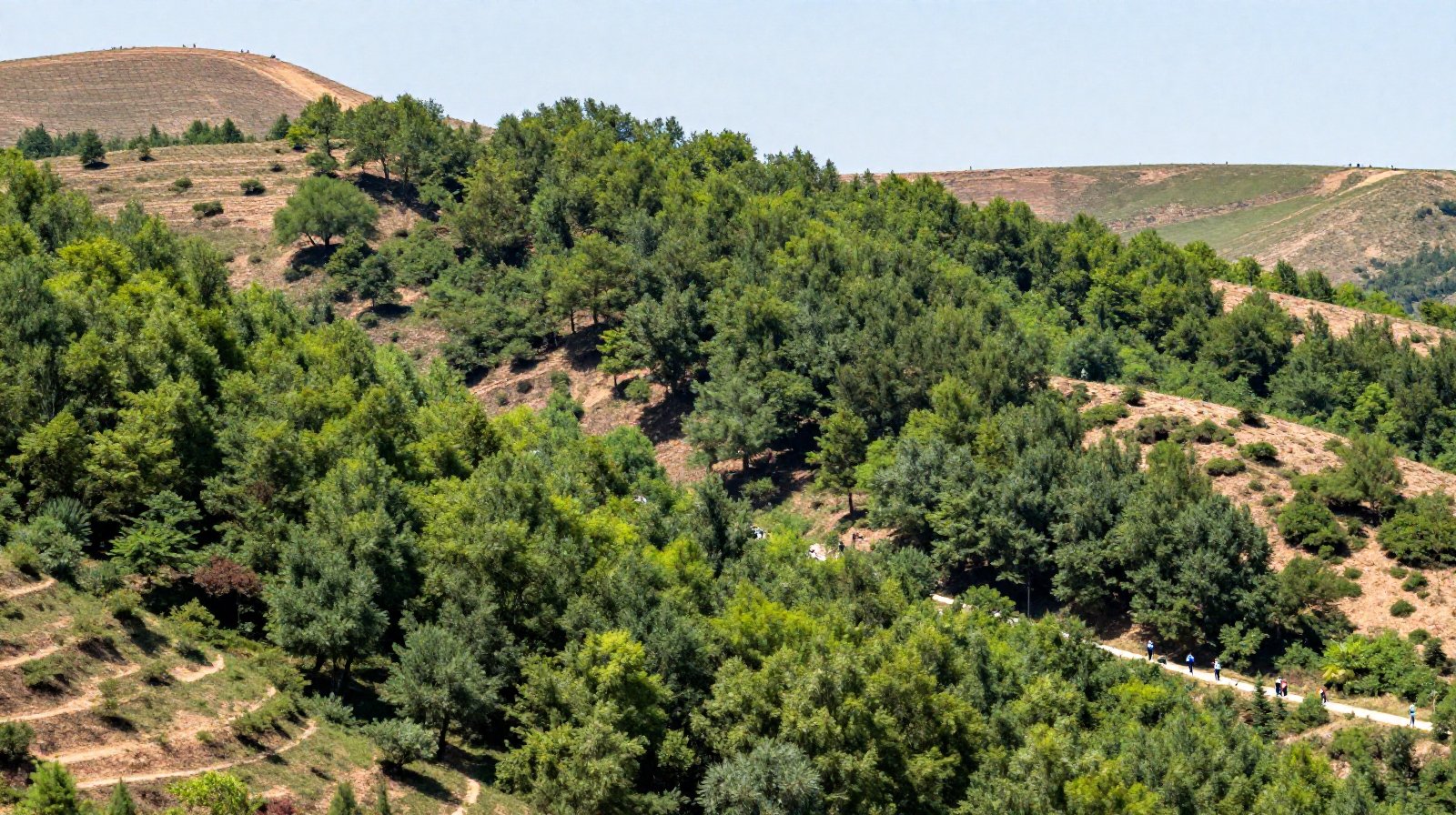
For the rest of the world, China’s experience offers a unique lesson: sustainability works best when it becomes part of daily life. The smog is gone, replaced by a new kind of pride in local nature. It’s a story of reversal, where the footprint left behind isn’t destruction, but restoration.