

The Saturday Morning Rush
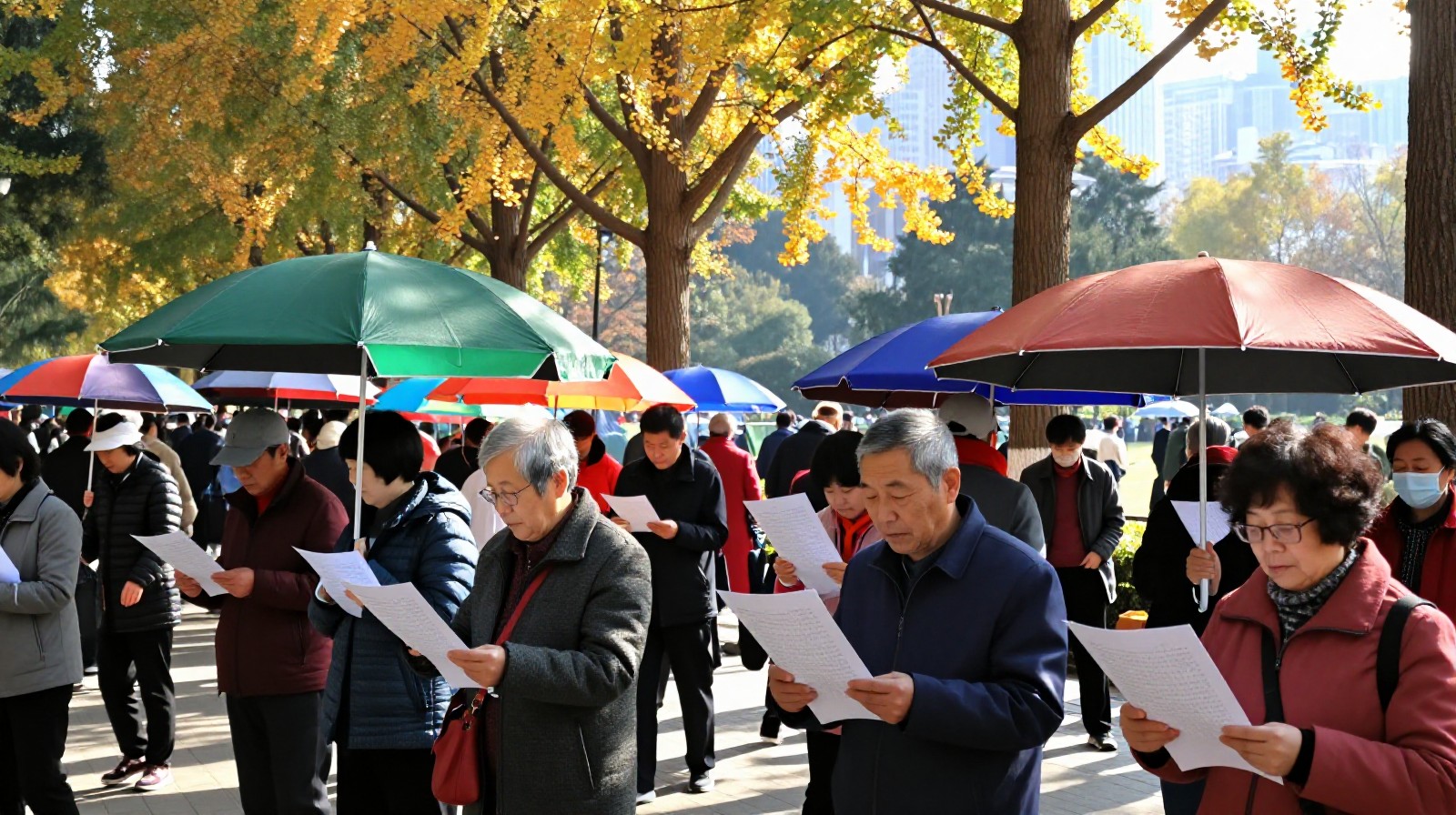
At 9:00 a.m. on a crisp Saturday, the shade of an old ginkgo tree in Jingshan Park, Beijing, is already crowded. It’s not for sightseeing. Hundreds of middle-aged and elderly people stand shoulder to shoulder under colorful umbrellas, each holding a laminated piece of paper. The papers are resumes—not for jobs, but for marriage. They list the age, height, education, job title, and salary of their unmarried children.
Li Wei, 58, adjusts his glasses and scans a resume held by a woman nearby. “Male, 29, Master’s degree from Tsinghua University, software engineer at a tech giant in Beijing,” he reads aloud. He looks up, meeting my eyes. “His salary is good, but the family doesn’t own an apartment yet. That’s a problem for us.”

The Economy of Marriage
This scene repeats in parks across China, from Shanghai to Chengdu. It is not a relic of the past; it is a symptom of a present where marriage has become increasingly difficult. For Chinese parents, their children’s single status is often viewed as a family failure. The pressure comes from multiple directions: soaring housing prices, a shrinking birth rate, and deep-seated cultural expectations that one must marry to be whole.
Li Wei explains that the “market” here is brutal. He has visited this corner every Saturday for three years. “I know many parents who have spent months looking,” he says. “One mother told me she had to lower her son’s height requirement from 180cm to 175cm because there were too few eligible men left.”
The resumes often read like corporate dossiers. They detail the child’s property ownership in Beijing or Shanghai, their parents’ pension status, and even whether they have a car. In a society where housing is tied to marriage eligibility, these documents are currency.
A Mother’s Compromise
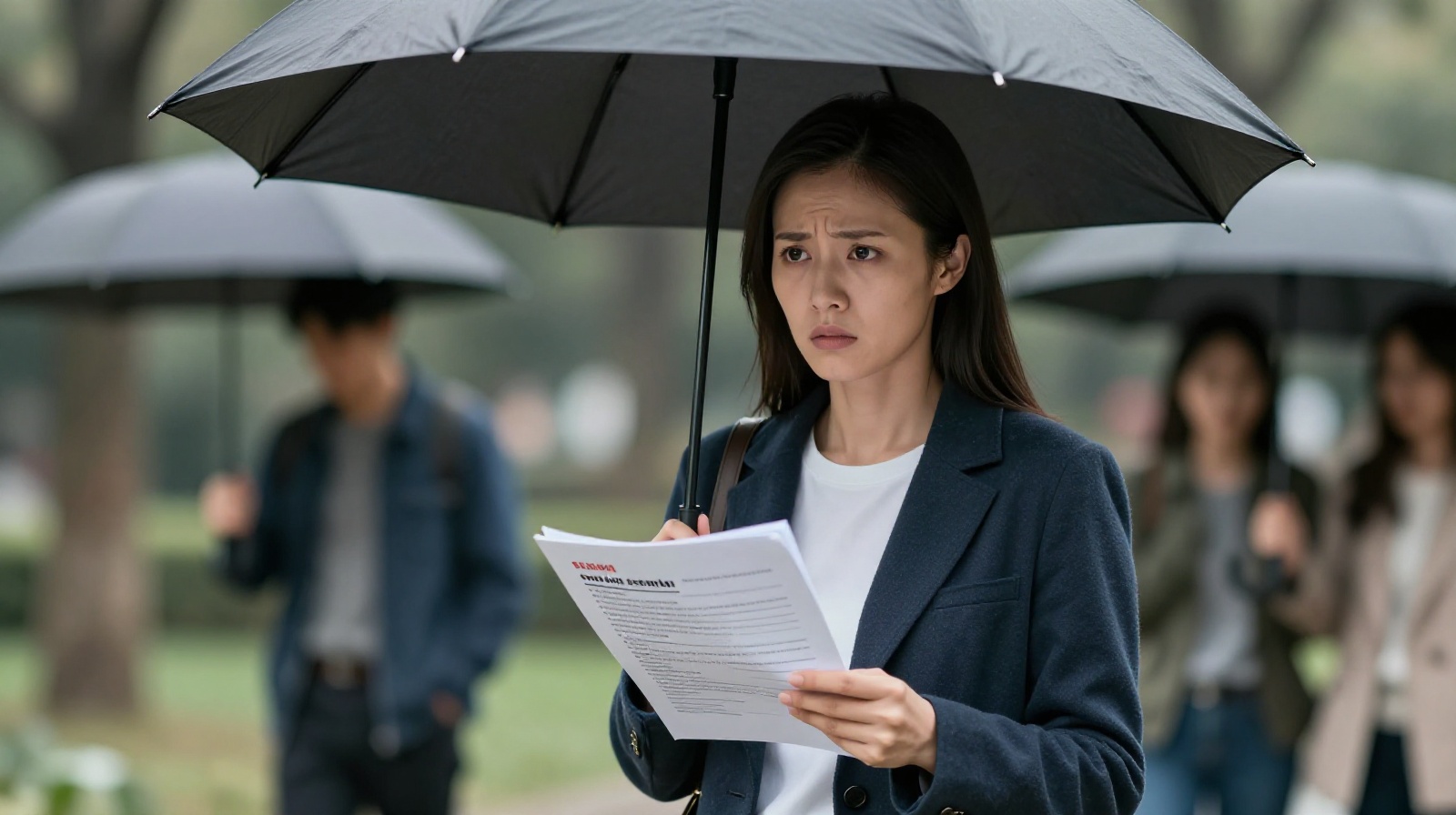
Zhang Min, 54, stands near the edge of the crowd, holding a resume for her daughter, Xiao Yu. “Xiao Yu is 30. She works as a teacher. She is kind and responsible,” Zhang says, her voice tightening. “But she refuses to date men who don’t have a house in Beijing. And she won’t marry someone from outside the city because they can’t get our hukou (residency permit). We’ve been rejected so many times.”
Zhang’s story highlights the clash between generations. Her daughter, Xiao Yu, insists on finding love based on emotional connection, not a checklist of assets. But Zhang believes that in today’s China, without financial stability, love is fragile. “I am doing this because I am afraid,” Zhang admits. “Afraid she will be alone forever. Afraid people will say we failed as parents.”
This anxiety drives the “effort” of Chinese parents. They are not trying to control their children’s lives in a malicious way; they are acting out of a deep, protective instinct that has been shaped by decades of rapid social change.
Tradition vs. Independence
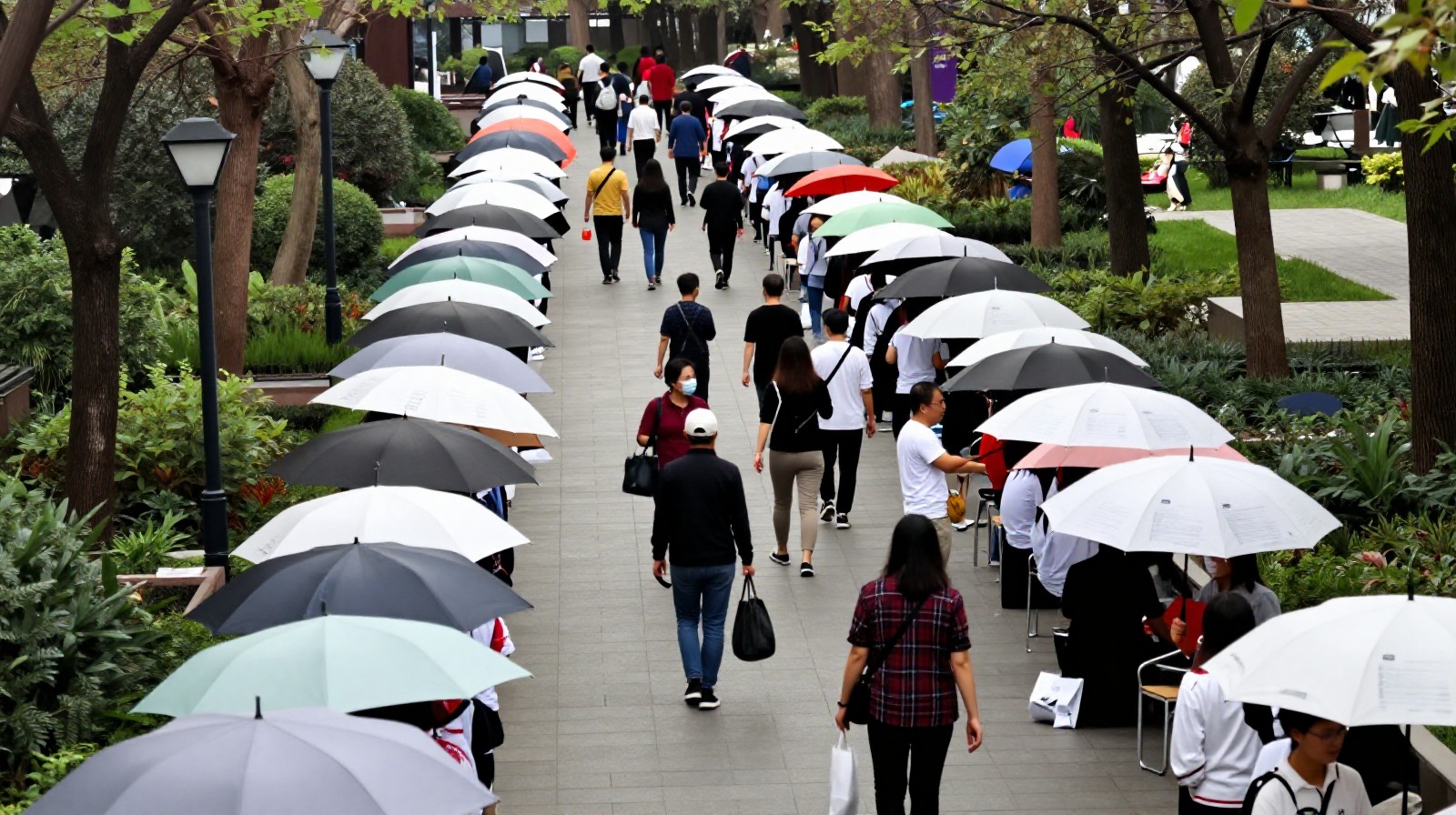
The “matchmaking corner” represents a collision between two worlds. On one side is the traditional view where marriage is a union of families, arranged for stability and security. On the other is the modern young generation, who value individual freedom and romantic love.
While some parents are stubborn, many are slowly adapting. “I used to only want a son-in-law with a high salary,” Li Wei admits. “But last year, I met a father whose daughter married a man with no apartment but a great heart and a strong work ethic. They are happy. So now, I tell my friends: ‘Don’t just look at the paper. Look at the person.'”
The park remains a place of tension, yet it is also a place of connection. Strangers talk about their children’s futures, share advice on how to negotiate with difficult parents, and sometimes, find common ground.
A Different Kind of Love
For Western readers, this scene might seem like an invasion of privacy or excessive parental control. But in the Chinese context, it is a profound expression of love and anxiety. The parents are not just looking for a spouse; they are trying to ensure their children can survive and thrive in a competitive society.
The “effort” shown here is not about domination. It is about a generation that remembers hardship and wants to shield their children from the same struggles, even if it means stepping into their personal lives. As long as housing prices remain high and social pressure persists, these park corners will continue to be filled with umbrellas, resumes, and hopeful parents.