

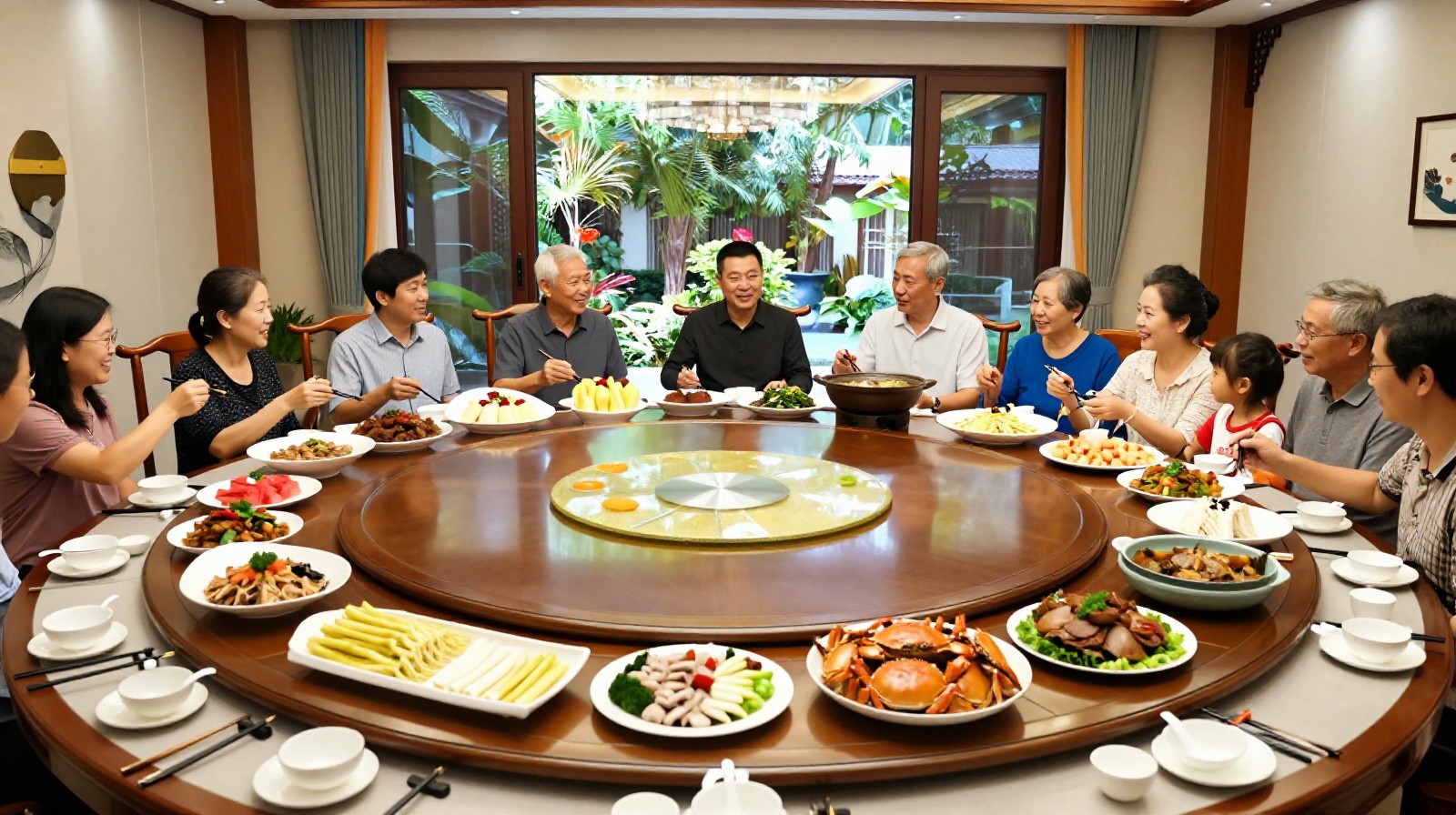
Not Just Food, But a Calendar on a Plate
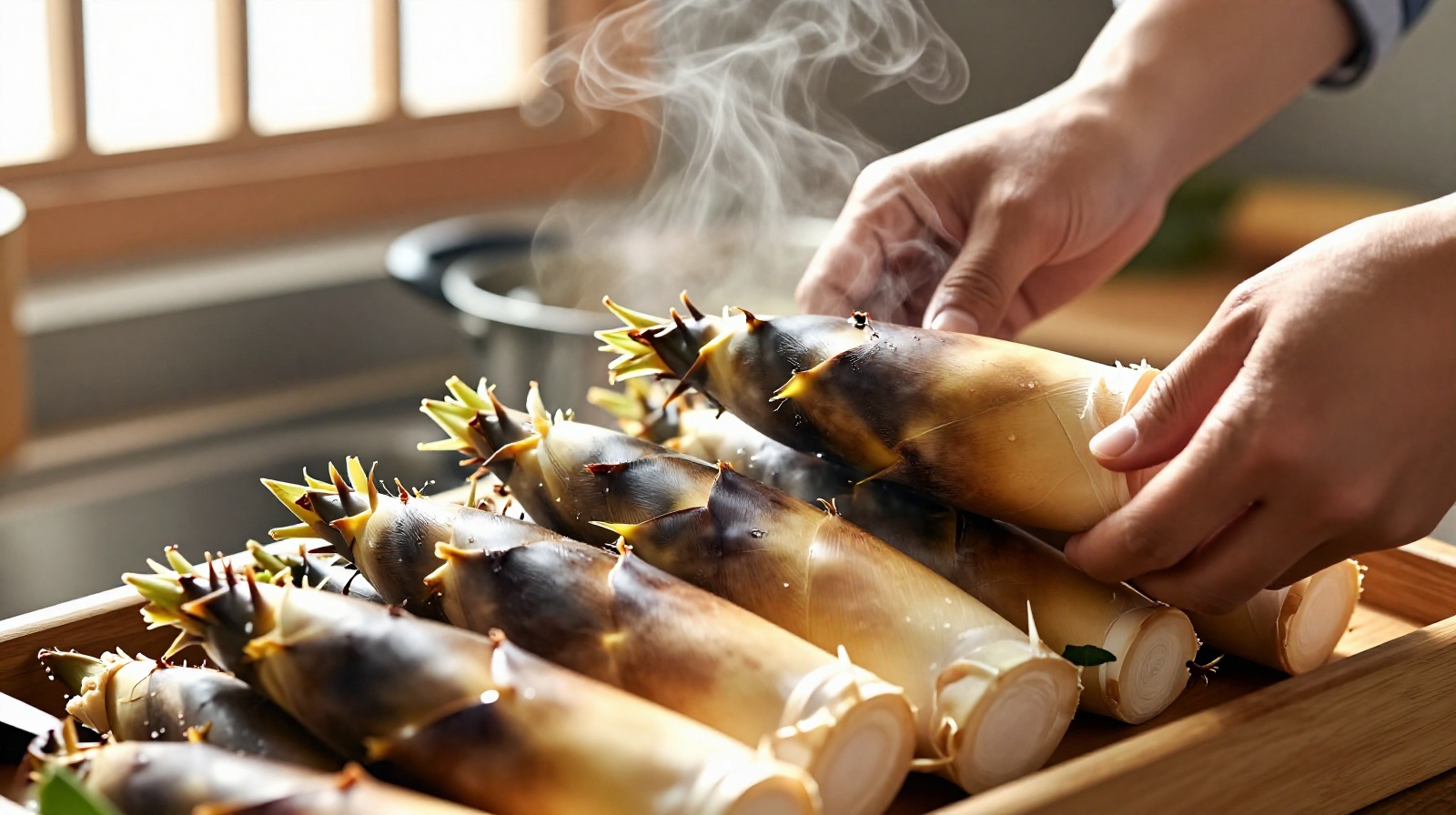
In Shanghai, at exactly 4:37 AM, the city is usually silent. But inside Xiao Ming’s family kitchen, it’s bustling. He isn’t cooking breakfast for work; he is steaming fresh bamboo shoots that were dug up from the hills just hours before. It’s the day of ‘Lichun’ (Start of Spring). In China, food doesn’t follow a standard restaurant menu year-round. It follows the sky.
For many Westerners, dining is about choice: order what you like, whenever you want. But in China, there is an invisible rulebook older than any recipe app: Jieqi, or solar terms. These 24 traditional markers divide the year into seasons, each with specific foods that locals believe bring health and balance to the body.
“We don’t buy tomatoes in winter,” says Li Wei, a vegetable seller in Beijing’s morning market. “They taste like water and hurt our stomachs. We wait for winter melon or radish instead.” This isn’t just superstition; it is a survival strategy refined over thousands of years to match local climate with nutrition.
Spring: The Taste of Awakening
When the snow melts in southern China, the first priority is fresh greens. In Hangzhou, families rush to West Lake to pick tender tea leaves and bamboo shoots. These aren’t luxury items; they are daily necessities for that week.
The logic is simple: spring brings moisture and new growth. The body needs light, crunchy foods to clear out winter’s heaviness. You will see street vendors selling sticky rice cakes wrapped in fresh leaves, or soups made with the very first wild herbs found after the rain. It is a time when the market looks like a garden.
Summer: Cooling Down Without AC
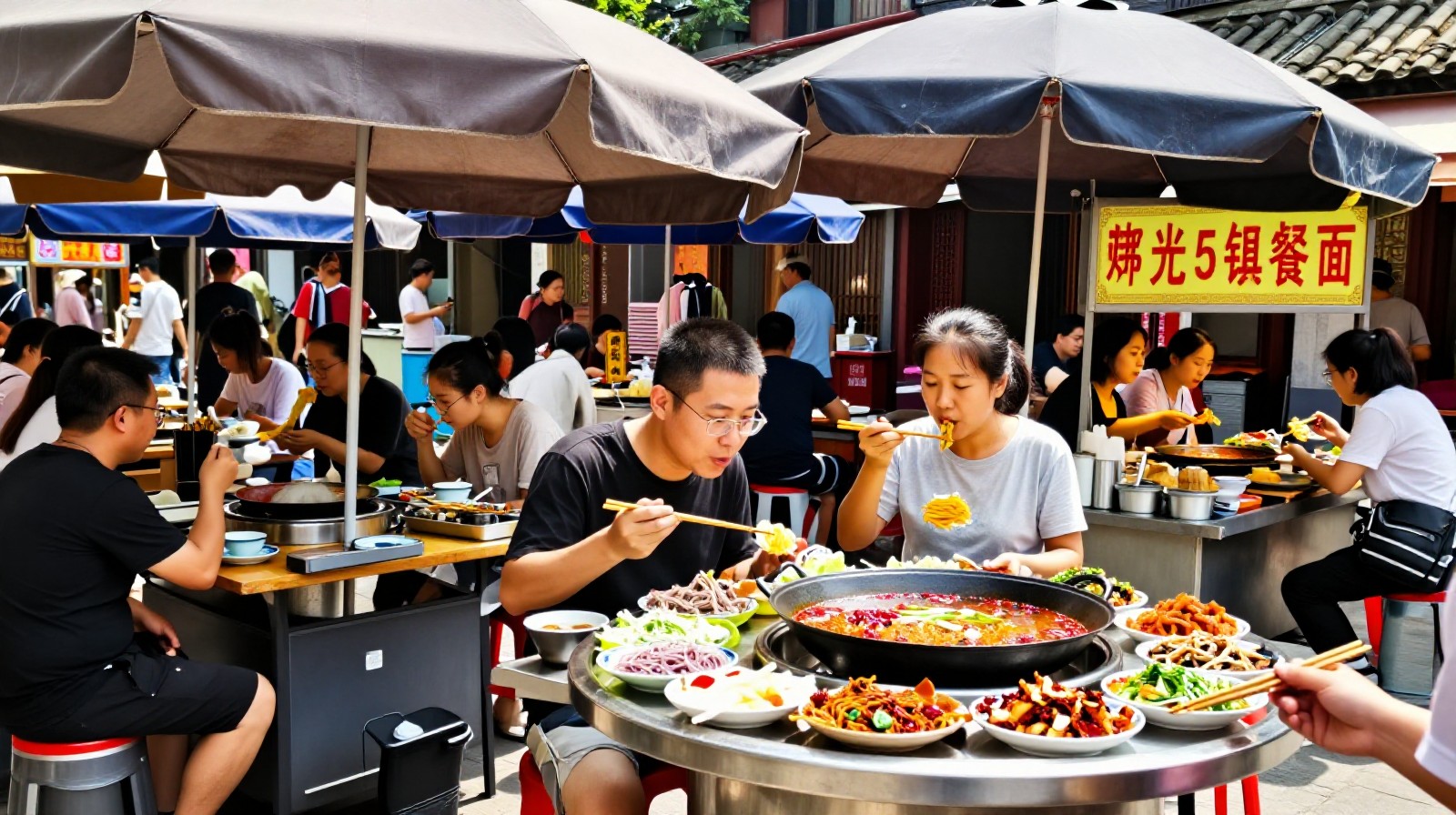
In the scorching heat of July, air conditioning is common in offices, but at home, people rely on food to cool down. In Sichuan and Hunan provinces, where humidity is high, spicy food seems counterintuitive. Yet, locals swear that eating hot chili peppers makes you sweat out the dampness.
“It feels like a paradox,” explains a university student in Chengdu. “But after a bowl of boiling hot pot with fresh chilies, I feel lighter.” Meanwhile, in northern China, where summers are dry but hot, cold noodles tossed in garlic sauce and mung bean soup are the go-to meals. The goal is always the same: balance heat inside with cooling foods outside.
Autumn: Harvesting Richness
As leaves turn gold, the table shifts to heavy, rich flavors. This is harvest season, and everyone wants to eat what nature has just given them. The Mid-Autumn Festival isn’t just about mooncakes; it’s about the first taste of crab.
In Yangcheng Lake, families gather for hours just to crack open hairy crabs. The roe is rich and golden, packed with protein that prepares the body for winter. In Guangzhou, people roast whole ducks or drink osmanthus tea. It is a time of abundance, where the air smells of roasted nuts and sweet fruits. Food becomes a celebration of survival and plenty.
Winter: The Great Reunion
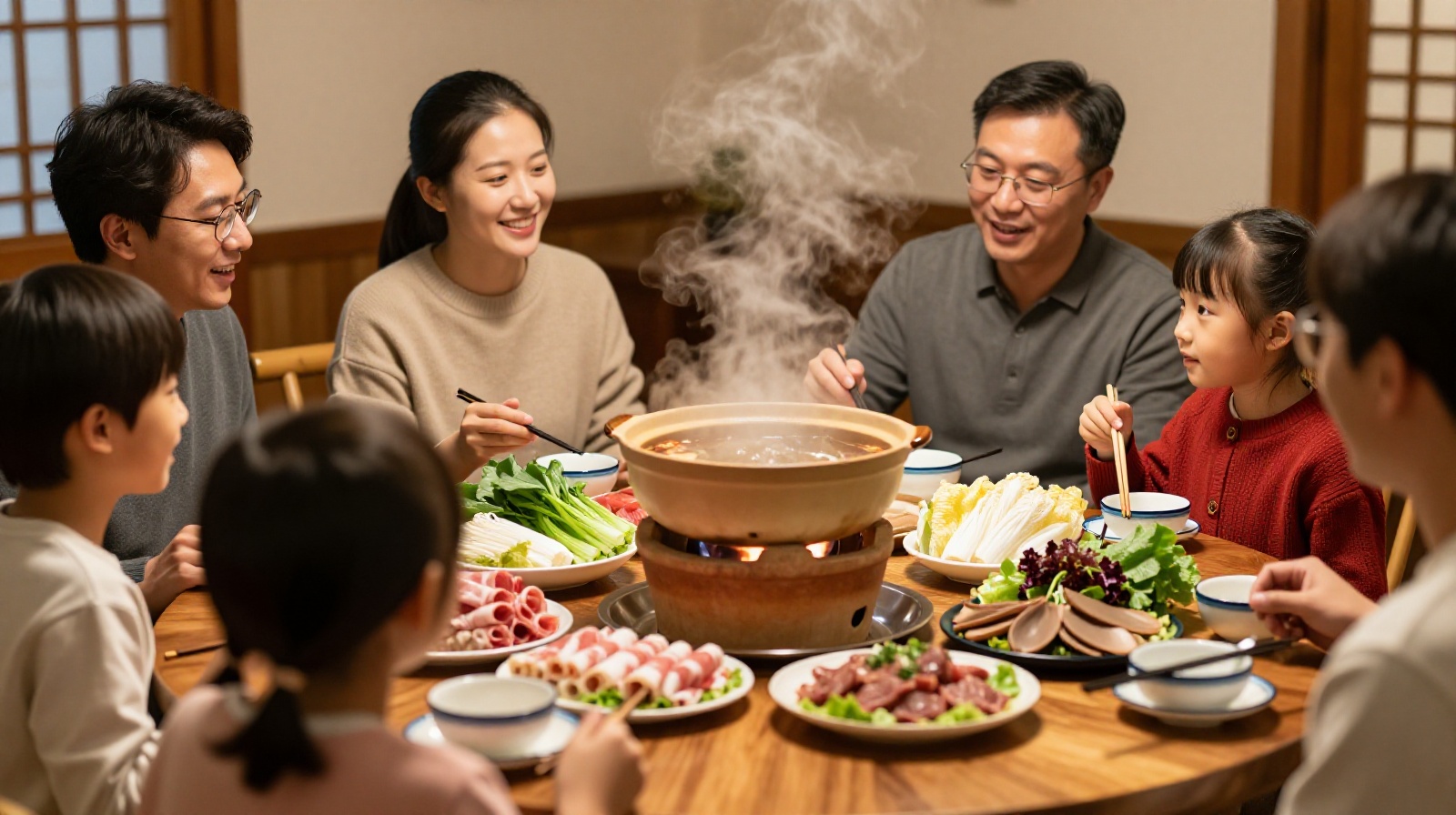
Cold weather brings a different kind of hunger. In northern China, especially in cities like Xi’an or Harbin, it is too cold to eat raw food. The solution is the communal hot pot.
Imagine a steaming clay pot in the center of a round table, surrounded by four generations of a family. Everyone dips thin slices of mutton and vegetables into the bubbling broth. It isn’t just about warmth; it is about social connection. “Hot pot is where we fix our relationships,” says one man in his 60s. “The steam hides our silence, but the food brings us closer.”
Why This Matters Today
You might think this old tradition is fading in a modern, high-speed China. It isn’t. In fact, technology has made seasonal eating even more accessible. Apps allow you to order fresh seasonal vegetables from rural farms directly to your door within hours.
The rhythm of the solar terms remains the heartbeat of Chinese life. Whether it’s a grandmother teaching her grandchild how to pick the right bamboo shoot, or a young office worker ordering a specific winter soup via an app, the connection between nature and the plate is stronger than ever. It is a reminder that even in a world of fast food and global supply chains, we still belong to the earth.