


It Started with a Coffee Break
If you walk into a trendy café in Shanghai or Shenzhen and overhear two colleagues chatting, you might hear one say, “I’m just a Da Gong Ren.” In the past few years, this phrase has exploded from an internet joke into a national identity. Literally translating to “worker bee” or “struggling laborer,” it’s not a proud declaration of trade union membership. It’s a shrug. A way to say, “Yes, I’m tired, yes, I work hard, but let’s laugh about it so we don’t cry.”
This is the secret language of modern Chinese workplace culture. While Western media often focuses on high-pressure narratives or strict discipline, young Chinese professionals have developed a sophisticated system of digital humor to handle anxiety. They don’t just complain; they meme-ify their struggles.
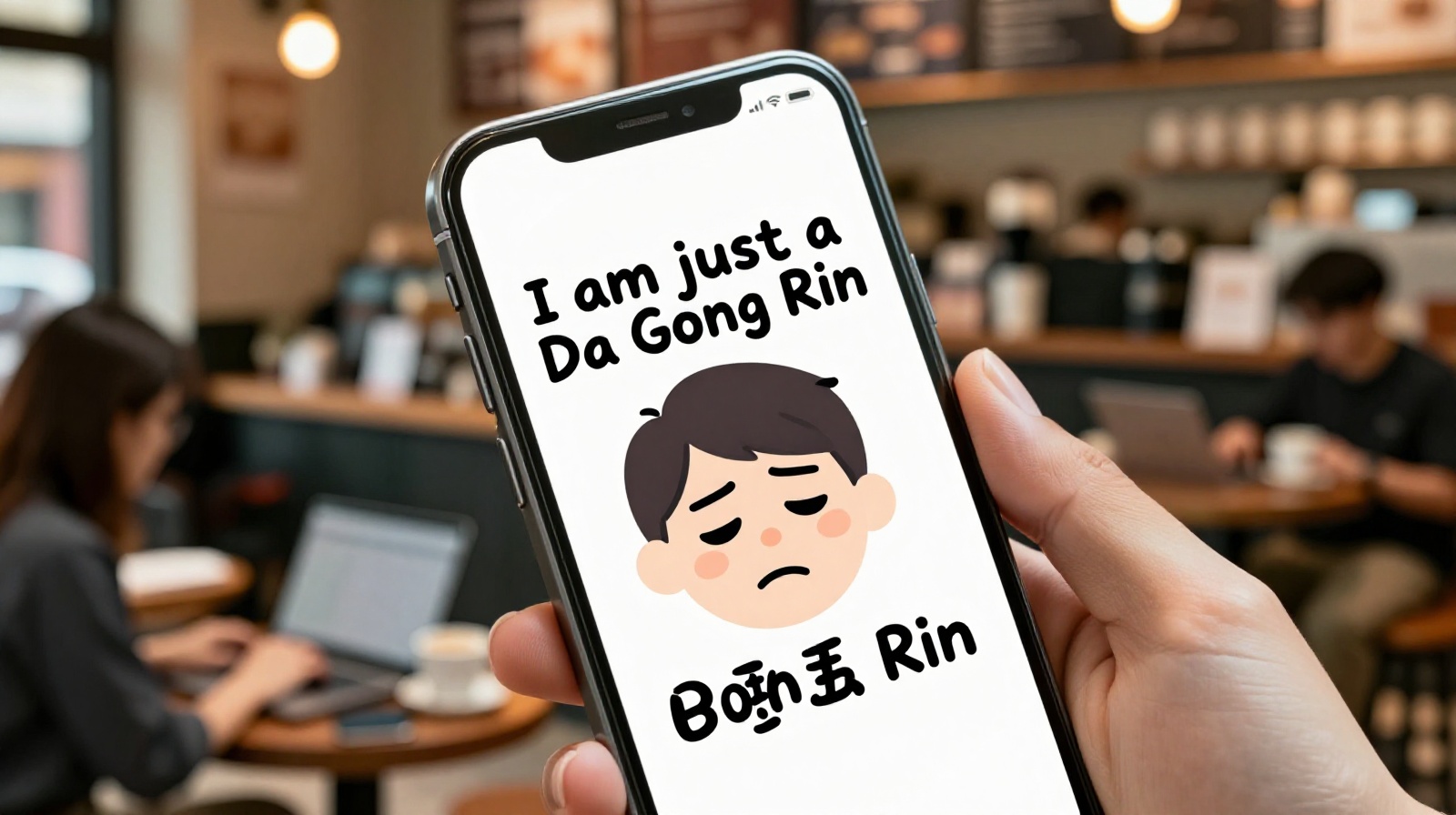
From Joke to Identity: The Rise of “Da Gong Ren”
The term “Da Gong Ren” gained massive traction around 2019. It began as a playful insult used by influencers but was quickly adopted by millions. Why? Because it perfectly captured the feeling of being a cog in a vast machine. Whether you are a software engineer coding at midnight, a delivery rider racing against the clock, or an entry-level marketing assistant, calling yourself “just a worker” creates a strange sense of equality.
It’s a shield. By lowering expectations and embracing the label, workers strip power from their bosses’ demands. It transforms a potentially hostile environment into a shared club where everyone is in it together. You see this everywhere: on T-shirts sold online, as WeChat status updates, and even on ID card lanyards.
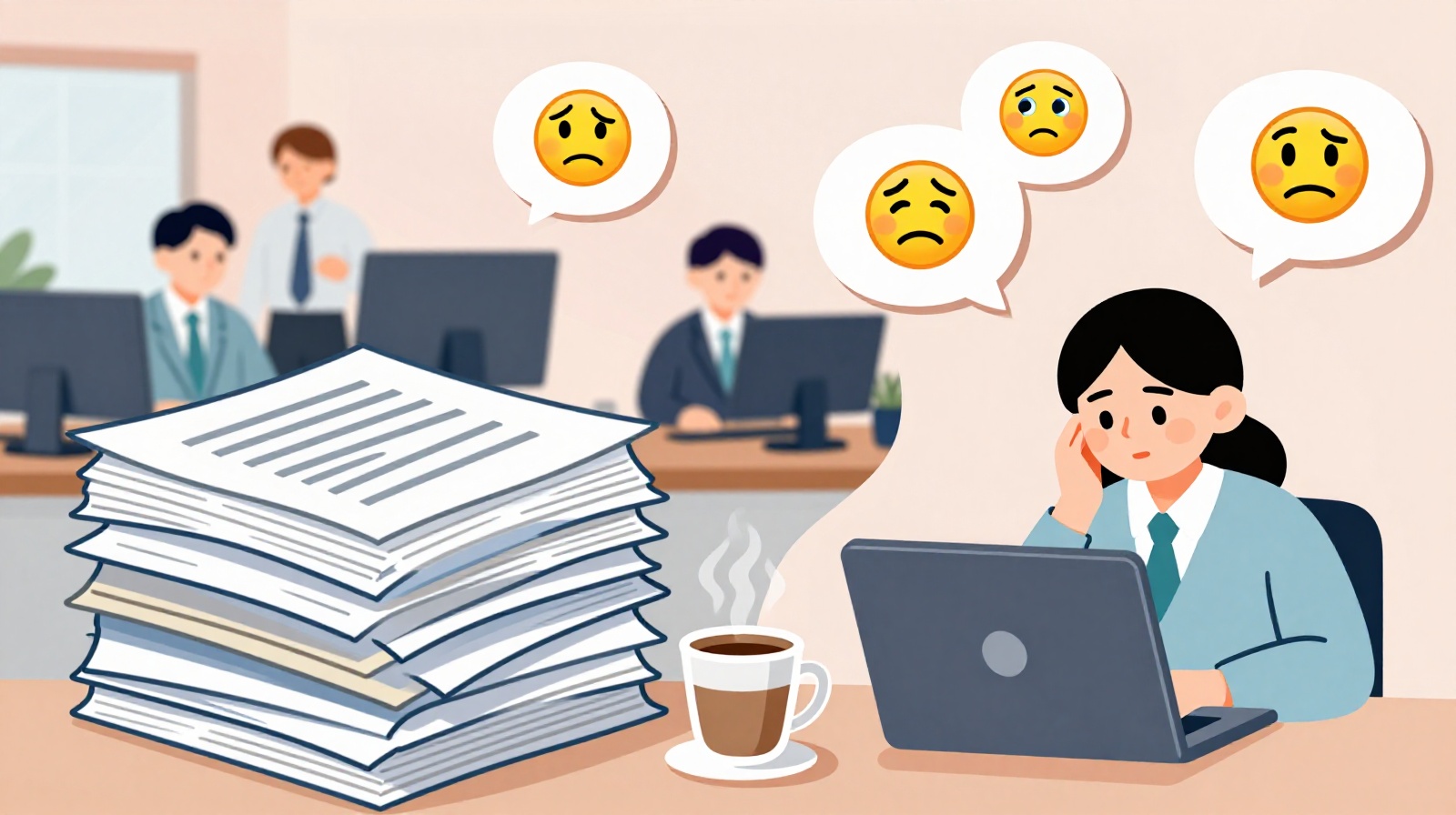
The Grammar of Memes: Laughing to Keep It Together
Chinese social media platforms like WeChat and Douyin (the local TikTok) are overflowing with visual humor that explains this mindset. A typical meme might show a cute panda wearing oversized glasses, staring blankly at a spreadsheet with the caption: “My soul left my body five minutes ago.” Another popular trend involves the phrase “lying flat” (Tang Ping), which suggests refusing to run in the rat race.
These aren’t just jokes; they are coping mechanisms. In a society where success is often measured by extreme metrics—buying an apartment, getting promoted quickly, or having a perfect family life—the pressure can be suffocating. Humor becomes the pressure valve. When a colleague sends you a GIF of a cat falling asleep on a keyboard, it’s not just funny; it’s a signal that says, “I get your pain. We are all tired.”
The Philosophy of “Moyu” vs. Work Hard Play Hard
Western corporate culture often champions the motto “Work Hard, Play Hard.” The idea is to grind relentlessly and then celebrate with big parties or expensive dinners. In contrast, many young Chinese workers have adopted a philosophy called “Moyu,” which literally means “fishing while floating” but slangily translates to “loafing” or “quiet quitting.”
It’s not about being lazy; it’s about efficiency and mental preservation. The joke is that the best way to handle an impossible workload is to do exactly what is required, no more, no less, and save your energy for life outside the office. It sounds rebellious, but it’s also deeply pragmatic. They are redefining productivity on their own terms.

A Window into Society
Watching how Chinese people joke about work gives you a unique window into the country’s current social mood. It’s not a story of rebellion or despair, but rather a story of adaptation. These buzzwords and memes are a collective sigh that turns into a smile.
They show a generation that is highly educated, digitally connected, and painfully aware of the challenges ahead, yet refuses to be crushed by them. They find solidarity in their shared exhaustion. So, the next time you see someone using a meme about “Da Gong Ren,” don’t think they are depressed. Think of it as a high-five across the digital divide: “I see you, I understand, and yes, this is ridiculous.”