

Under the Floodlights, No Stars Required
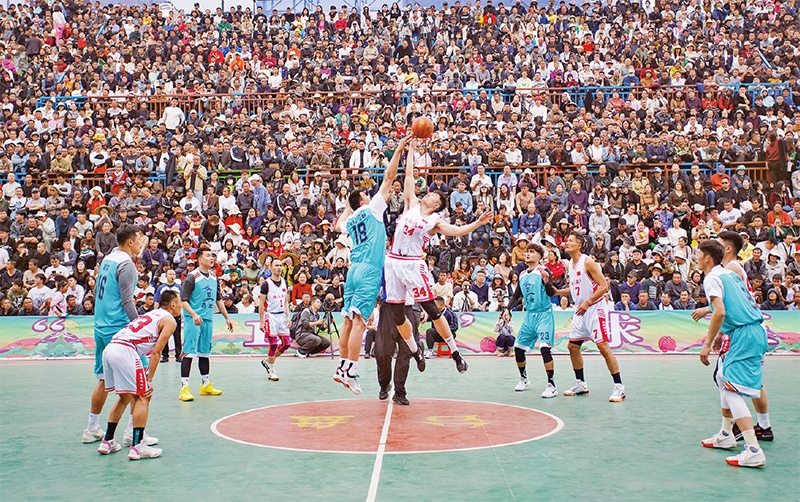
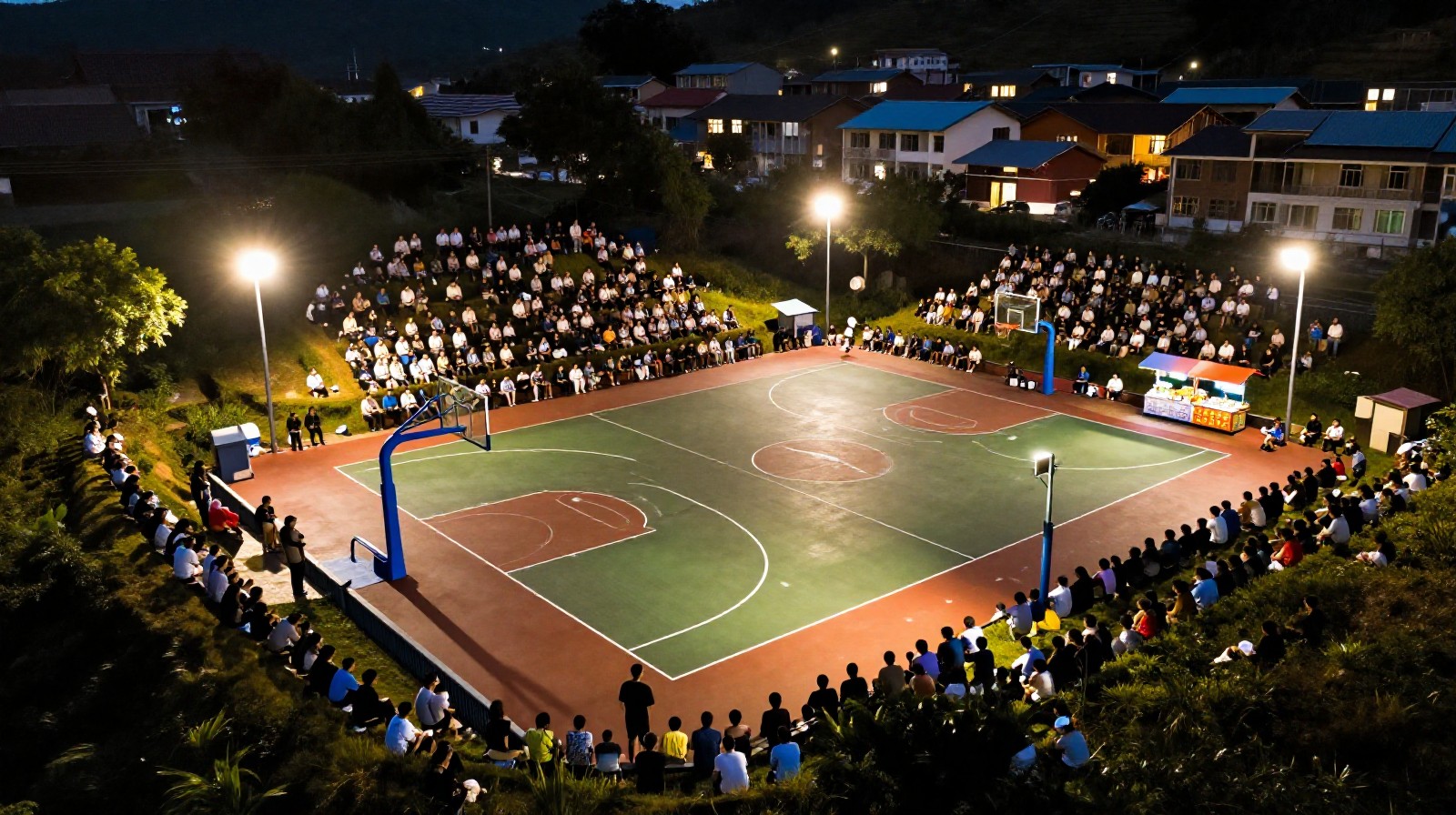
The air in Taipan Village smells of roasted corn and damp earth. It is 7:30 PM on a Tuesday. The temperature hovers around 24 degrees Celsius. On a makeshift concrete court surrounded by terraced rice fields, two teams are locked in a fierce battle. One player wears a red tank top with “Taipan” written in peeling paint; the other sports a neon green jersey bought from a roadside stall.
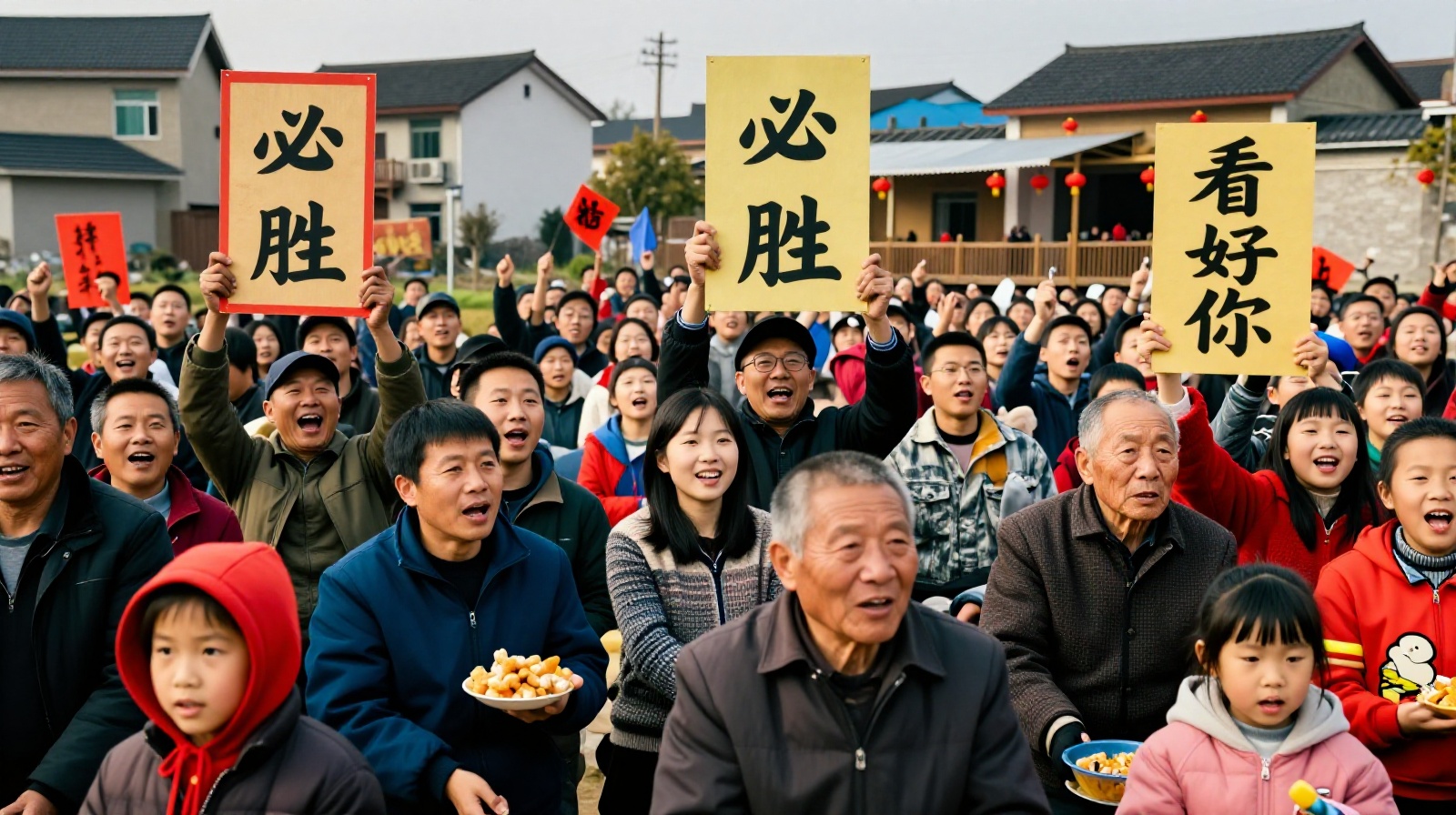
There are no referees in suits. A local uncle blows a whistle and shouts instructions. The ball bounces rhythmically against the concrete, echoing off the surrounding hills. Thousands of spectators fill every available inch of space—sitting on plastic stools borrowed from neighbors, standing on steep embankments, or perched atop nearby roofs. Some hold smartphones recording the game; others wave handmade banners made of red cloth and bamboo poles.
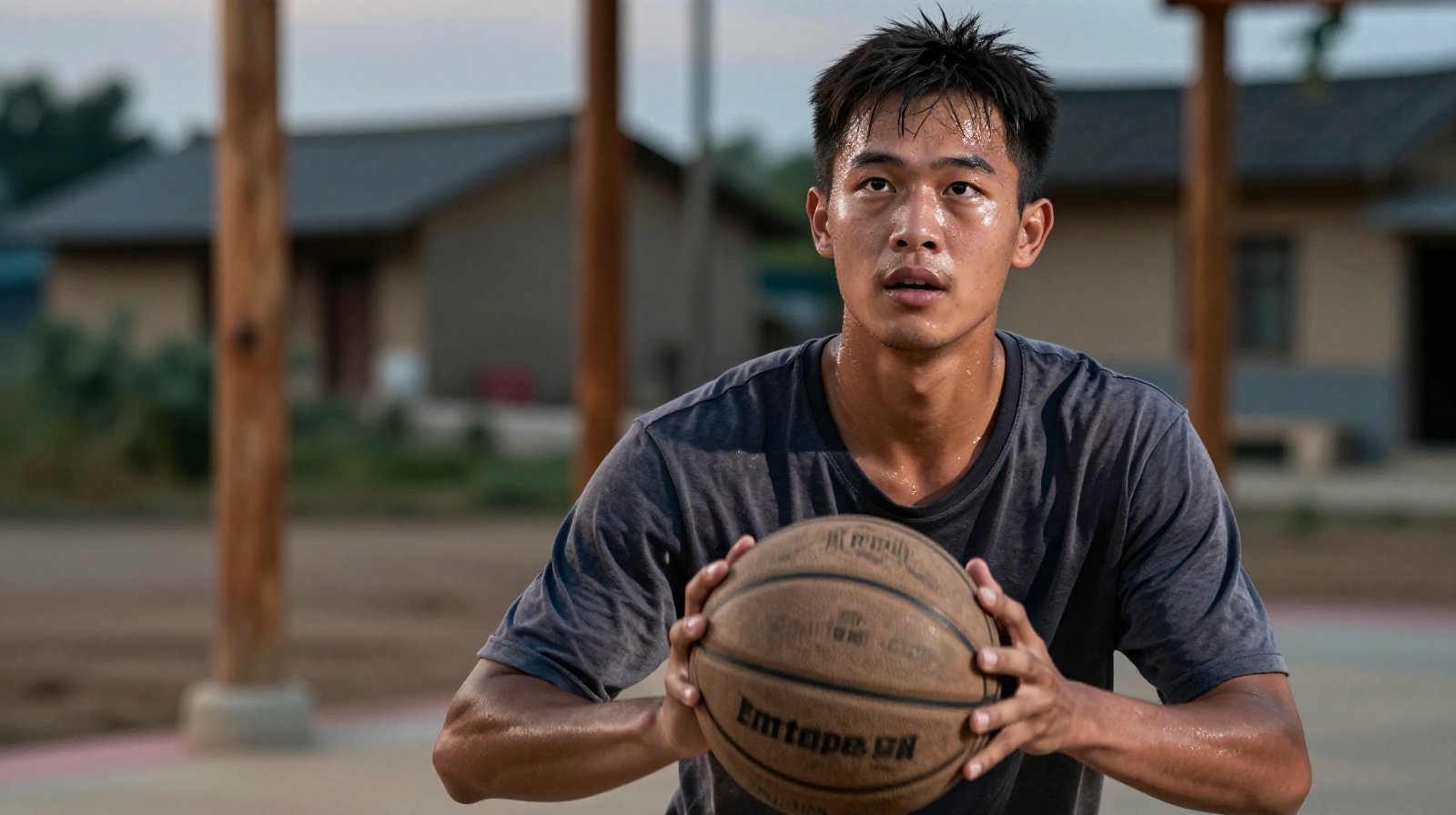
Unlike the polished arenas of the NBA or CBA, this is raw, unfiltered community life. The players are not athletes with million-dollar contracts. One is a pig farmer; another works in a local factory; a third just finished his day tending sheep. They play for the village pride, not a paycheck.
More Than Just a Game: A Ritual of Belonging
Why do villagers here care more about this match than watching a professional game on TV? The answer lies in identity. In Taipan Village, everyone knows the players. They are your cousins, neighbors, and shopkeepers.
The atmosphere is electric because it is communal. When a player scores, the crowd erupts not just for the points, but for the shared victory. Prizes are as unique as the culture: baskets of local rice, bags of potatoes, or even a live pig. These aren’t corporate sponsorships; they are gifts from the community to its own.
This is “Village BA” (Basketball Association), born in Rongjiang County, Guizhou Province. What started as an informal gathering during harvest festivals has exploded into a national phenomenon. In 2023 alone, over 1.8 million people watched the games live on streaming platforms, while millions more gathered in stadiums across rural China.
The game bridges gaps that modern life often widens. Young people returning from cities to visit their parents find a reason to stay and engage. The tournament becomes a focal point for social cohesion, reinforcing bonds between generations who might otherwise drift apart due to migration and urbanization.
The Contrast: Commercial Spectacle vs. Pure Passion
Watching an NBA game is often about escaping reality. You watch superstars perform in climate-controlled arenas, separated from everyday struggles by high prices and exclusive ticketing. It is a product designed for consumption.
In the village courts of China, basketball is not a product; it is a language. The rules are simple, the stakes are emotional, and the connection is immediate. There are no timeouts filled with celebrity endorsements or expensive commercials. The only interruptions are vendors selling spicy snacks and cold drinks to the hungry crowd.
Even the broadcast style differs. Local streamers commentate in dialect, adding jokes and local context that professional commentators never could. They know the players’ families, their histories, and their struggles. This intimacy creates a sense of ownership among viewers who feel they are part of the story, not just passive consumers.
A Model for Rural Revitalization
The success of Village BA is more than a sports curiosity; it reflects a broader shift in rural China. For decades, news from the countryside focused on poverty and decline. Today, it highlights vibrancy, culture, and self-reliance.
Local governments have stepped back to let communities lead. They provide basic infrastructure—lighting, courts, security—but do not interfere with the organization or spirit of the game. This bottom-up approach has proven highly effective in revitalizing local economies. During tournament weekends, hotels fill up, roadside vendors sell out, and tourists discover hidden gems in rural areas.
This phenomenon also fosters cultural confidence. Villagers are proud to showcase their traditions without needing to conform to urban standards. They play on their own terms, celebrating their unique identity through sport.
Conclusion: The Heart of the Community
The Village BA is not trying to replace professional leagues. It exists in a different space—one where basketball serves as a glue for community life. In a world increasingly dominated by digital isolation and commercialization, these games offer a rare glimpse into human connection.
When the final buzzer sounds under the floodlights, the crowd doesn’t just disperse; they celebrate together. They are not fans of a team; they are neighbors sharing a moment of pure joy. That is why, for many in rural China, this local game means more than any NBA finals.