A Mound in the Wind
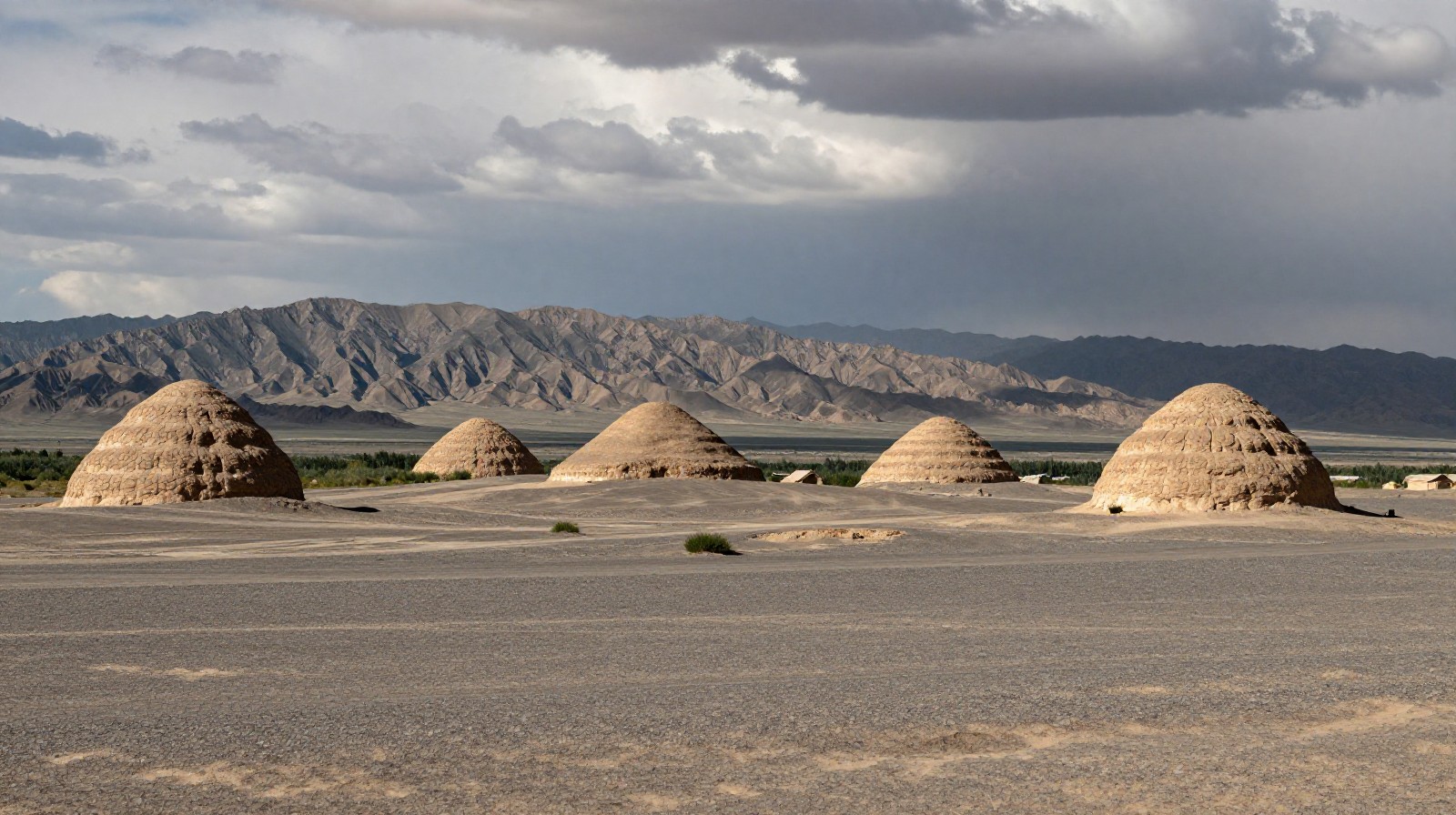
Imagine standing on a windswept plain where the horizon seems to swallow the sky. There are no stone blocks, no hieroglyphs, and no golden sarcophagi here. Instead, you see massive, cone-shaped earthen mounds rising from the dry earth like giant termite hills. These are not pyramids of Egypt, but the tomb mounds of the Western Xia Dynasty, a forgotten empire that once ruled over what is now northern China.
For most travelers, history begins and ends with the Great Wall or the Forbidden City. But just 40 kilometers west of Yinchuan, the capital of Ningxia, lies a different story. The Western Xia Kingdom (1038–1227) was created by the Tangut people, an ethnic group that established a powerful empire between Song China and the Mongol Empire. When they vanished in 1227 after a brutal war with Genghis Khan, their history was almost erased from the official records.
The Journey to the Edge of History
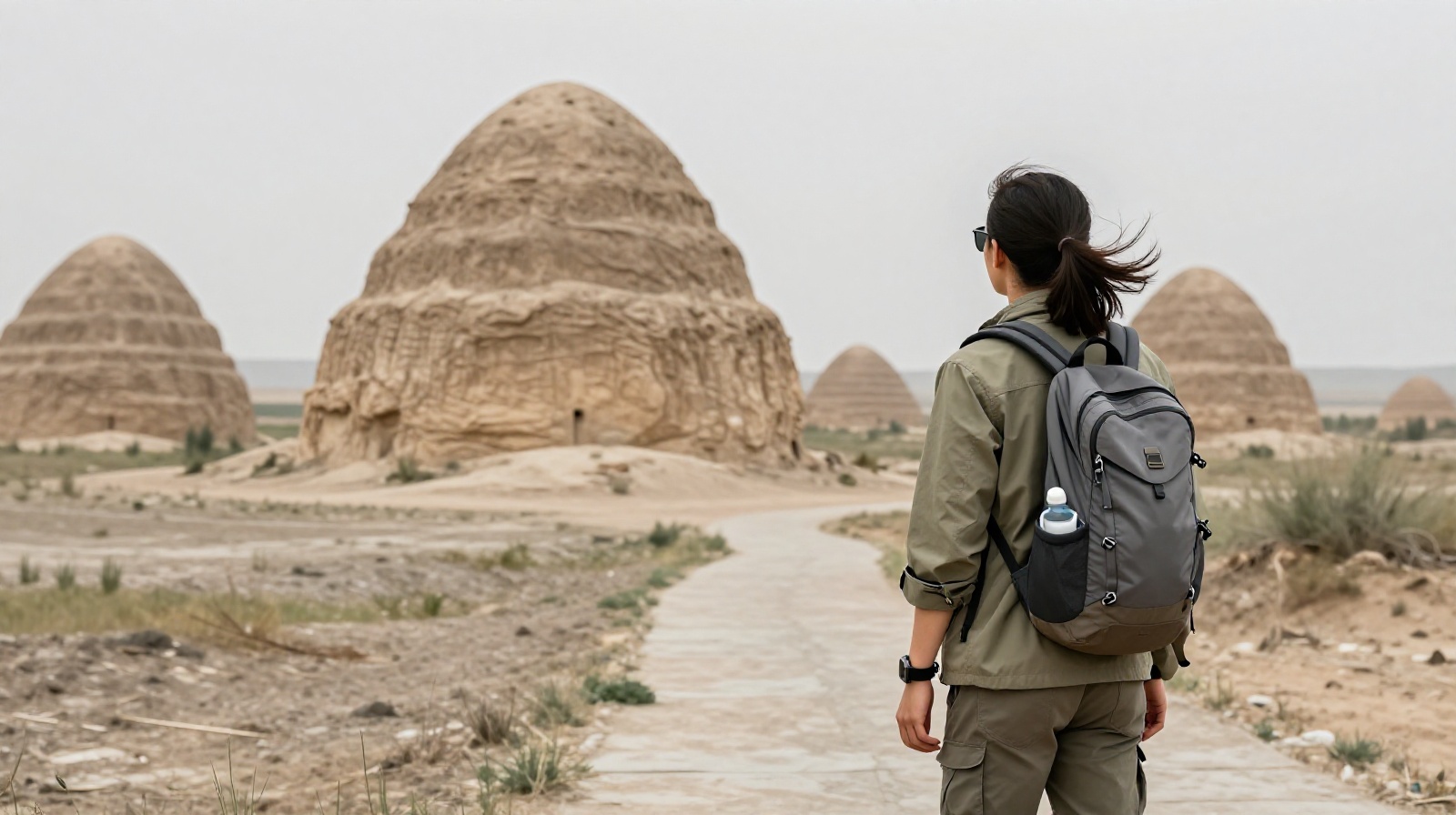
Getting to this forgotten corner is easier than you might think. From Yinchuan’s city center, it takes about an hour by car or a direct high-speed train connection to the nearby station, followed by a short taxi ride. The road winds past modern suburbs and vast fields of yellow-sea buckthorn before opening up into the stark beauty of the Helan Mountains.
Unlike the bustling tourist traps in Beijing, Western Xia Tombs feels quiet and slightly alien. The site covers nearly 30 square kilometers of desert plateau. You can rent an electric cart to shuttle between the six main royal mausoleums and dozens of smaller satellite tombs scattered across the landscape. The journey itself is a lesson in contrast: modern convenience meets ancient mystery.
What Makes These Mounds Unique?
The architecture here defies easy classification. While they resemble pyramids, these structures are actually earthen mounds built on square bases with stepped corners. They were originally topped with pagoda-like structures and surrounded by massive courtyards filled with statues of soldiers and beasts. Over 700 years of wind erosion have stripped away the outer layers, leaving only the core mounds visible today.
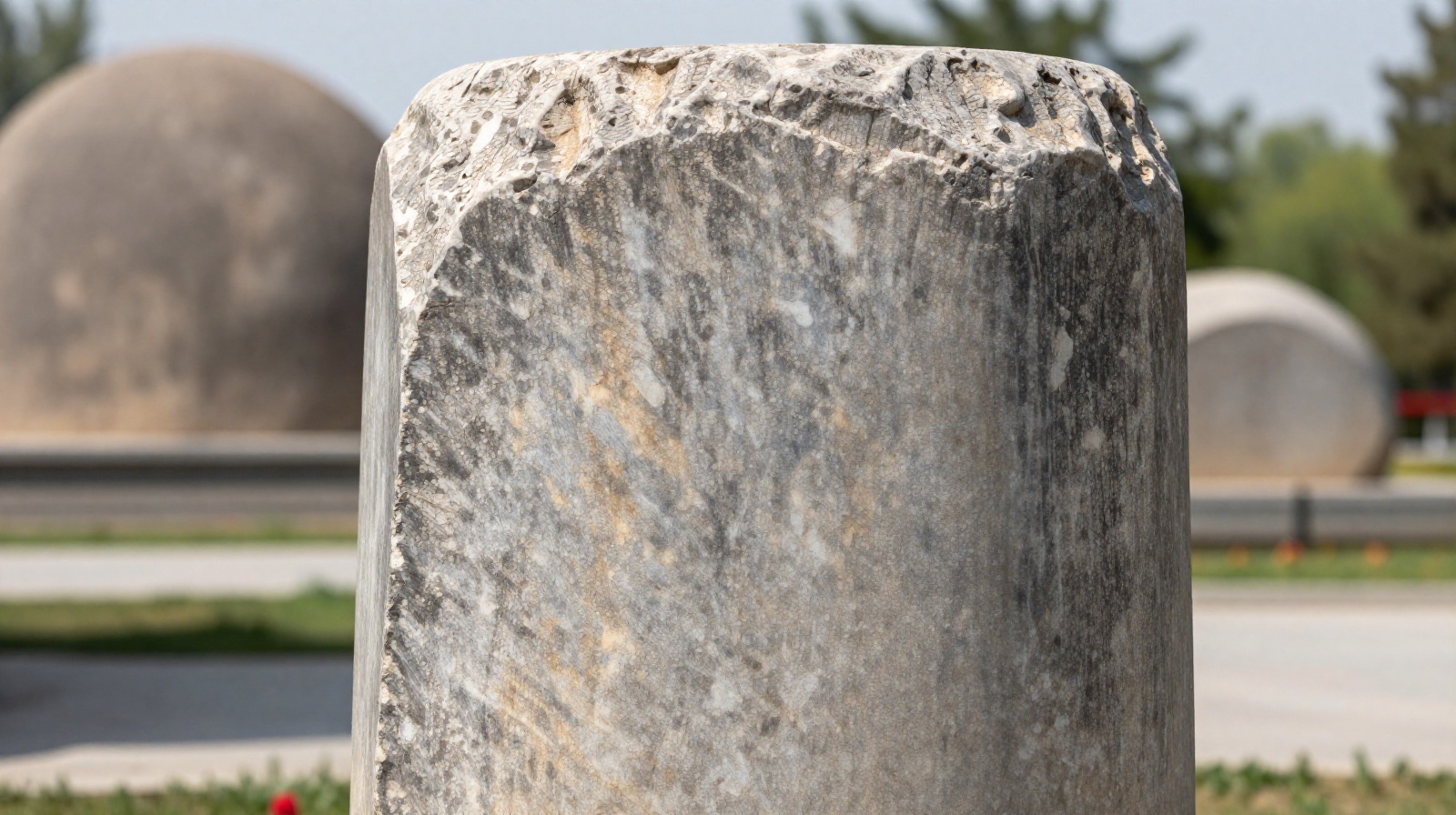
Archaeologists believe these tombs follow a complex Feng Shui layout aligned with the Helan Mountains to the west and the Yellow River to the east. One of the most striking features is the “spirit way”—a long avenue flanked by stone statues that have been reduced to stumps by time.
Voices from the Desert
I spoke with Li Wei, a local guide who has worked at the site for over 15 years. “People ask me why no one talks about this place,” he said, wiping dust from his glasses. “The Tangut people were fierce warriors, but they also loved art and Buddhism. They built libraries with woodblocks, wrote their own script, and buried their kings in these grand mounds.”
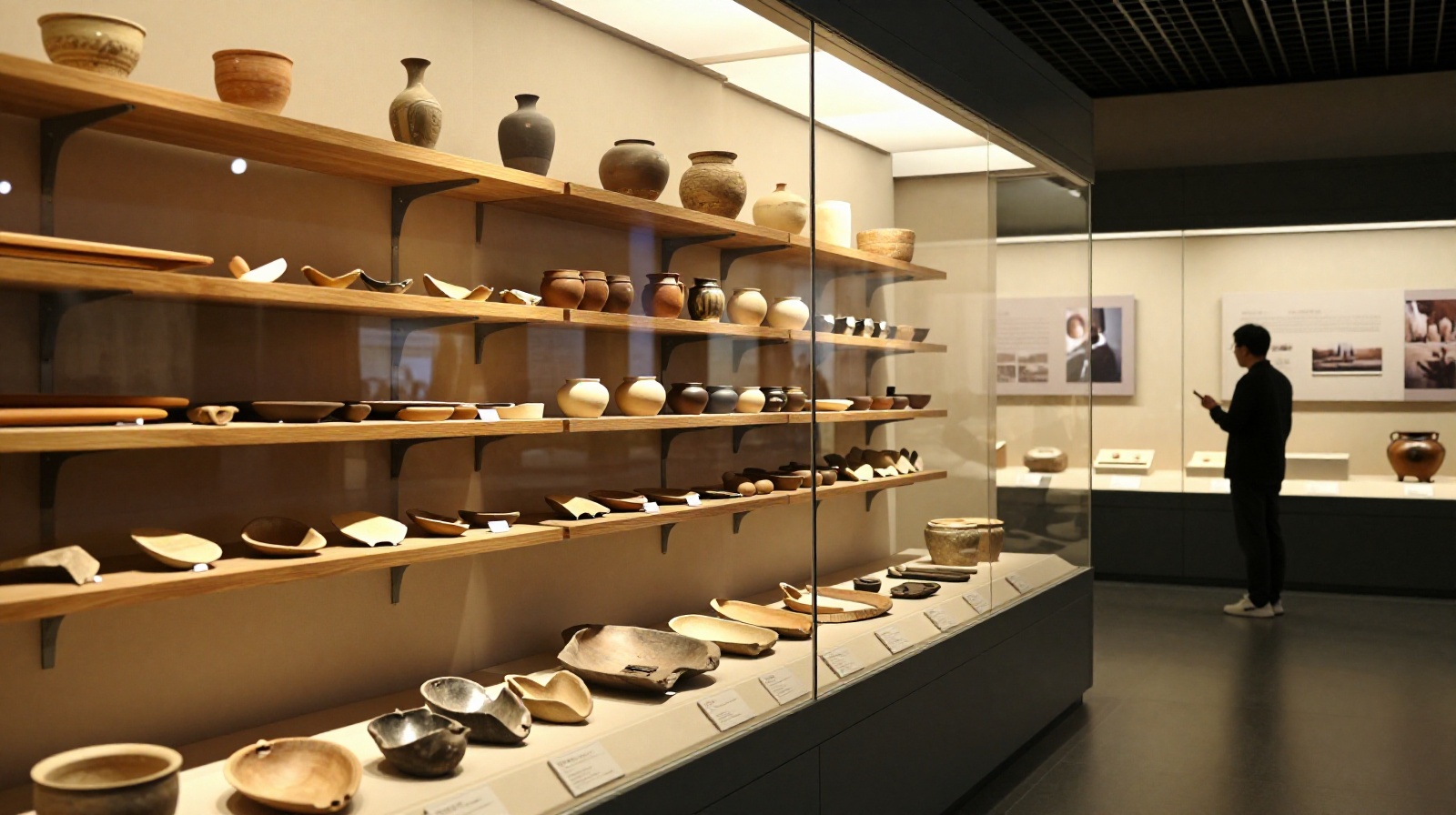
Li points to a small museum on-site where artifacts recovered from the tombs are displayed. Despite decades of looting by grave robbers, enough remains to show a sophisticated culture that blended Tibetan Buddhist art, Chinese architecture, and local nomadic traditions.
A Vanished Legacy
The Western Xia Dynasty’s disappearance is one of history’s great mysteries. The Mongols reportedly destroyed their capital, burned their libraries, and erased their name from official histories to prevent revenge myths from spreading. For centuries, the mounds stood as silent witnesses in the desert.
Today, visitors can walk among these ruins and feel the weight of that silence. It is a place where you don’t just see history; you feel the wind that shaped it. The Western Xia Tombs offer a rare glimpse into a world that existed on the edge of empires, forgotten but not entirely lost.