

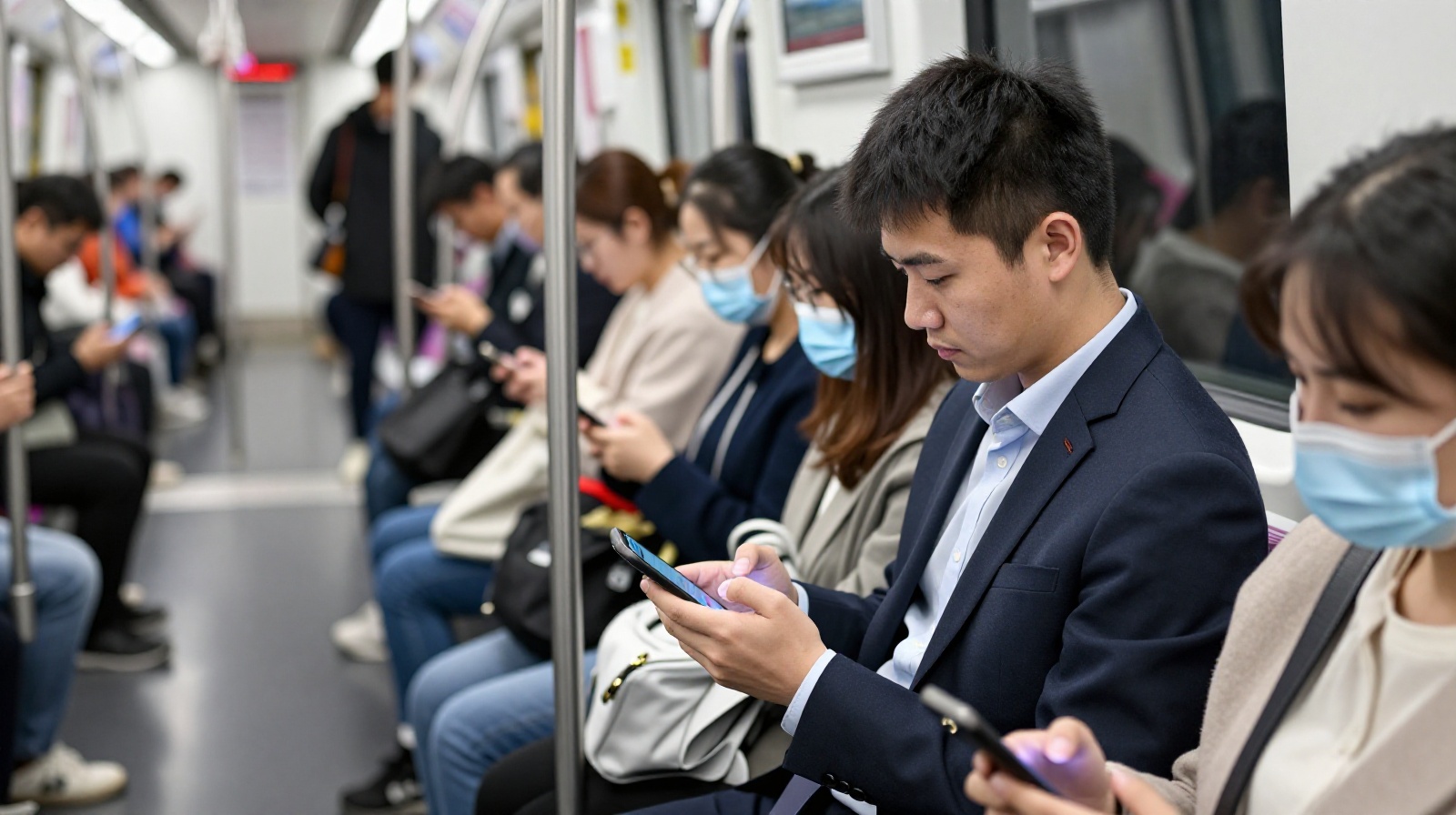
The Invisible Scheduler
At 6:30 AM in Beijing, Li Wei wakes up not to an alarm clock, but to a gentle vibration on his phone. A notification from a ride-hailing app suggests the optimal time for him to leave for work to avoid traffic jams that typically form at 7:15 AM. He doesn’t choose the route; the algorithm does. This is not science fiction. It is the daily reality for millions of commuters in Chinese cities like Beijing, Shanghai, and Shenzhen. Here, technology has moved beyond convenience into the realm of a silent scheduler, orchestrating life’s minutiae with mathematical precision.
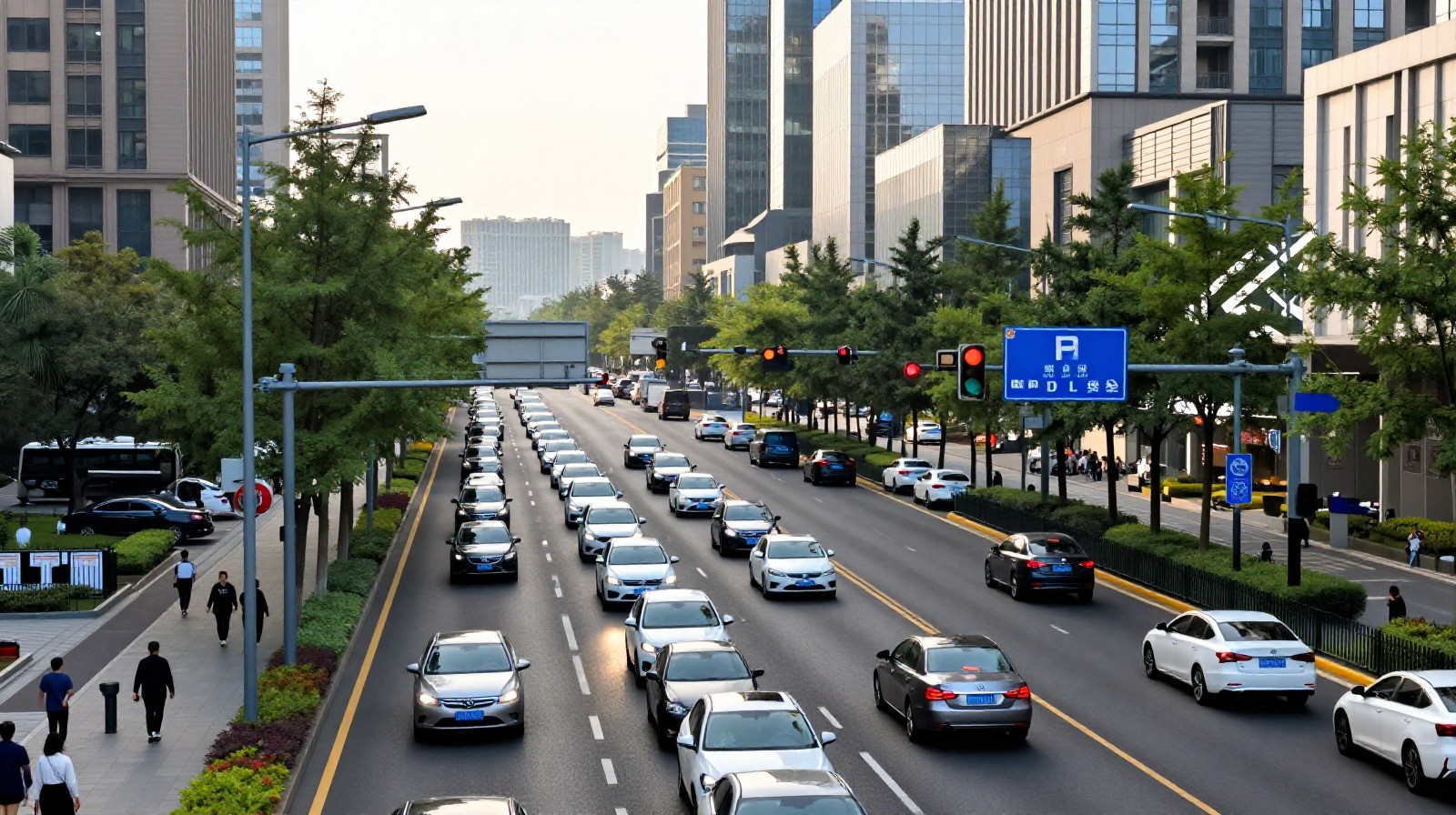
Morning Commute: The Algorithm’s Route
Li Wei steps out onto the street. The city is already alive, but it moves to a digital rhythm. His phone opens a map app that has already calculated the fastest path, weaving through streets based on real-time data from thousands of other drivers. In China, where urban mobility is immense, this integration is seamless. Traffic lights in major cities are increasingly smart, adjusting green light duration based on flow rather than fixed timers.
For Li Wei, the 40-minute commute is efficient but rigid. He cannot take a scenic detour without disrupting his schedule. The algorithm optimizes for time, not experience. This reflects a broader trend in Chinese urban planning: efficiency has become the highest currency. While this reduces travel time significantly, it also creates a sense of living inside a system that anticipates every move before we make it.
Work & Lunch: The Feed That Never Ends
By 9:00 AM, Li Wei is at his desk in a tech park. His workday begins not with a coffee break, but with a feed of notifications on a super-app like WeChat or DingTalk. In China’s digital ecosystem, social networking, messaging, and work management are often merged into a single interface.
During lunch, the pattern repeats. Instead of wandering to find food, Li Wei uses a delivery app that recommends restaurants based on his past orders and current location. The algorithm knows he likes spicy food and delivers it in under 30 minutes. While this convenience is undeniable, it also means his choices are subtly curated. He rarely tries new cuisines because the system feeds him what it thinks he wants.

This “attention economy” extends to the workplace. In many Chinese offices, productivity tools use AI to track task completion and even monitor screen activity. The pressure to be constantly connected is real. For young professionals like Li Wei, the boundary between work and life is a blur, often dissolved by the very devices meant to make them more efficient.
Evening Leisure: Echo Chambers or Discovery?
When Li Wei finally gets home at 8:00 PM, he expects some downtime. Instead, he finds himself scrolling through short-video platforms like Douyin (the Chinese version of TikTok). The app’s recommendation engine is a master of engagement.
The first few videos are followed by dozens more that align perfectly with his interests. If he watched a cooking video once, the next hour might be filled entirely with recipes and kitchen gadgets. This creates a comfortable echo chamber where he feels understood but rarely challenged. In China, where internet usage is among the highest globally, these platforms have become primary sources of news, entertainment, and even social interaction.

Co-existing, Not Just Surviving
The story of Li Wei is not one of victimhood, but of adaptation. He appreciates the speed of delivery, the ease of payment, and the efficiency of his commute. However, he also feels a subtle loss of agency. The question for modern Chinese society is no longer whether technology works, but how to reclaim the space for serendipity.
As algorithms become more sophisticated, the challenge lies in balancing optimization with human unpredictability. For millions like Li Wei, the goal is not to reject the digital world, but to navigate it with awareness—ensuring that while their schedules are optimized by AI, their lives remain authentically their own.