

Beyond the Ticketed Gates
It starts with a familiar frustration. Standing in a sea of umbrellas at Huangguoshu Waterfall, waiting an hour just to take a photo of the mist, I realized something odd: everyone else was doing exactly what I was doing. The massive crowds were part of the ticket price. We wanted nature, not a queue.
Guizhou Province in southwest China is famous for its karst topography—towering limestone peaks and deep valleys. But while the world knows about Huangguoshu or Lushan, the real magic often lies two hours off the main road, where hiking trails are barely marked on Google Maps.
The GPS That Didn’t Work
Our goal was simple: find a waterfall that didn’t require a reservation. We started from a small town called Xiaozhai, far from the highway exits. The plan was to follow a local farmer’s suggestion rather than a guidebook.
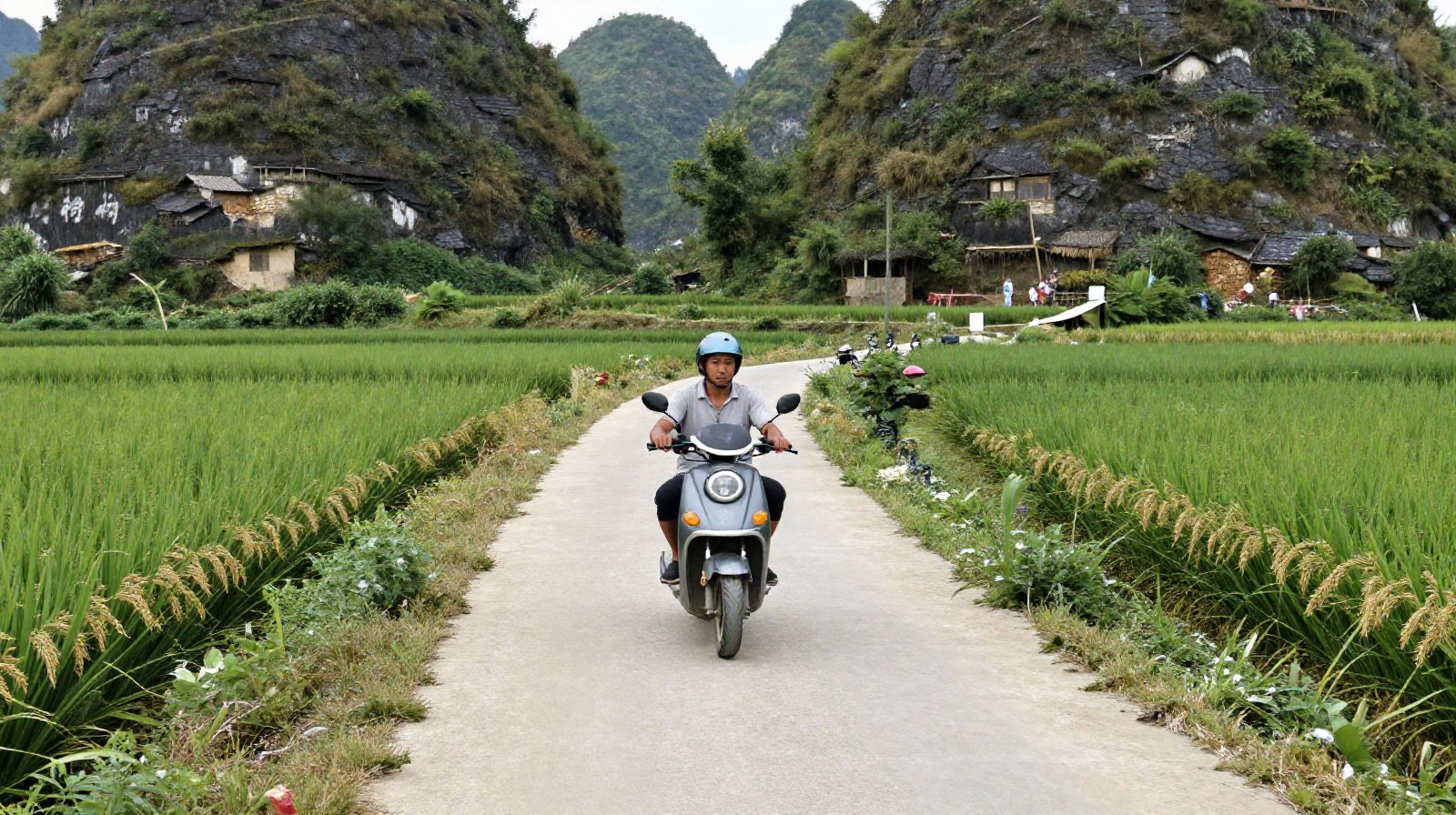
Driving down dirt roads, we saw things tourists rarely see. Young locals were riding electric scooters past rice paddies that shimmered in the afternoon sun. We stopped at a roadside stall selling fresh tangerines for less than a dollar a pound. The driver, Uncle Li, pointed to a narrow trail disappearing into the green canopy and said, “Just follow the sound of water.”
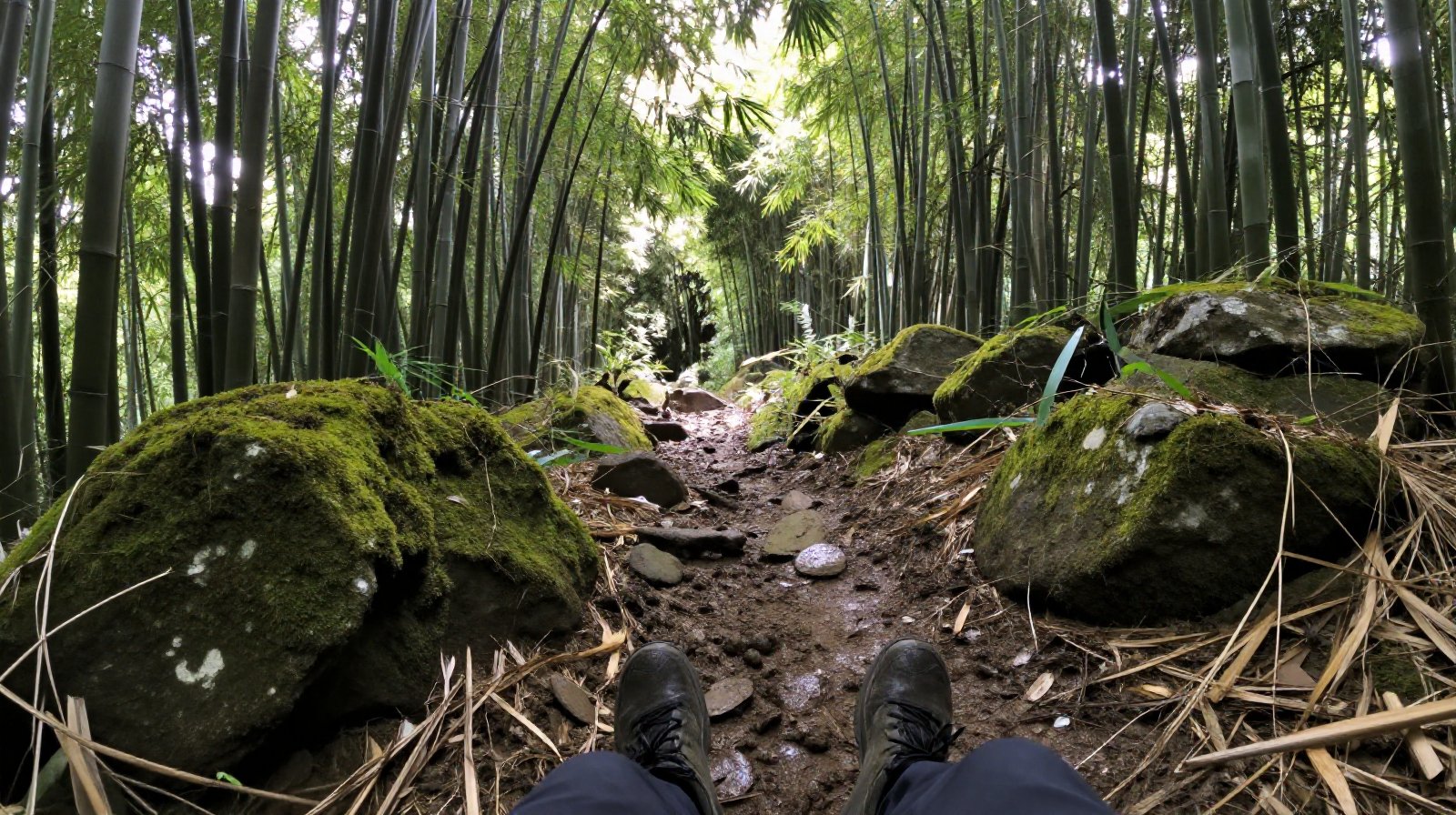
Once we stepped off the car, the world changed. There were no signs, no ticket booths, just a muddy path winding through dense bamboo forests. Our phone’s GPS signal flickered in and out. In China, digital maps are incredibly advanced, but deep into these valleys, satellite coverage can be patchy. We relied on local knowledge instead.
Into the Canyon
The hike was harder than expected. The humidity hit us like a warm blanket before we even saw water. Every step required balance on slippery stones covered in moss. This isn’t the manicured trail of a national park; it’s raw, rugged terrain that tests your footing.
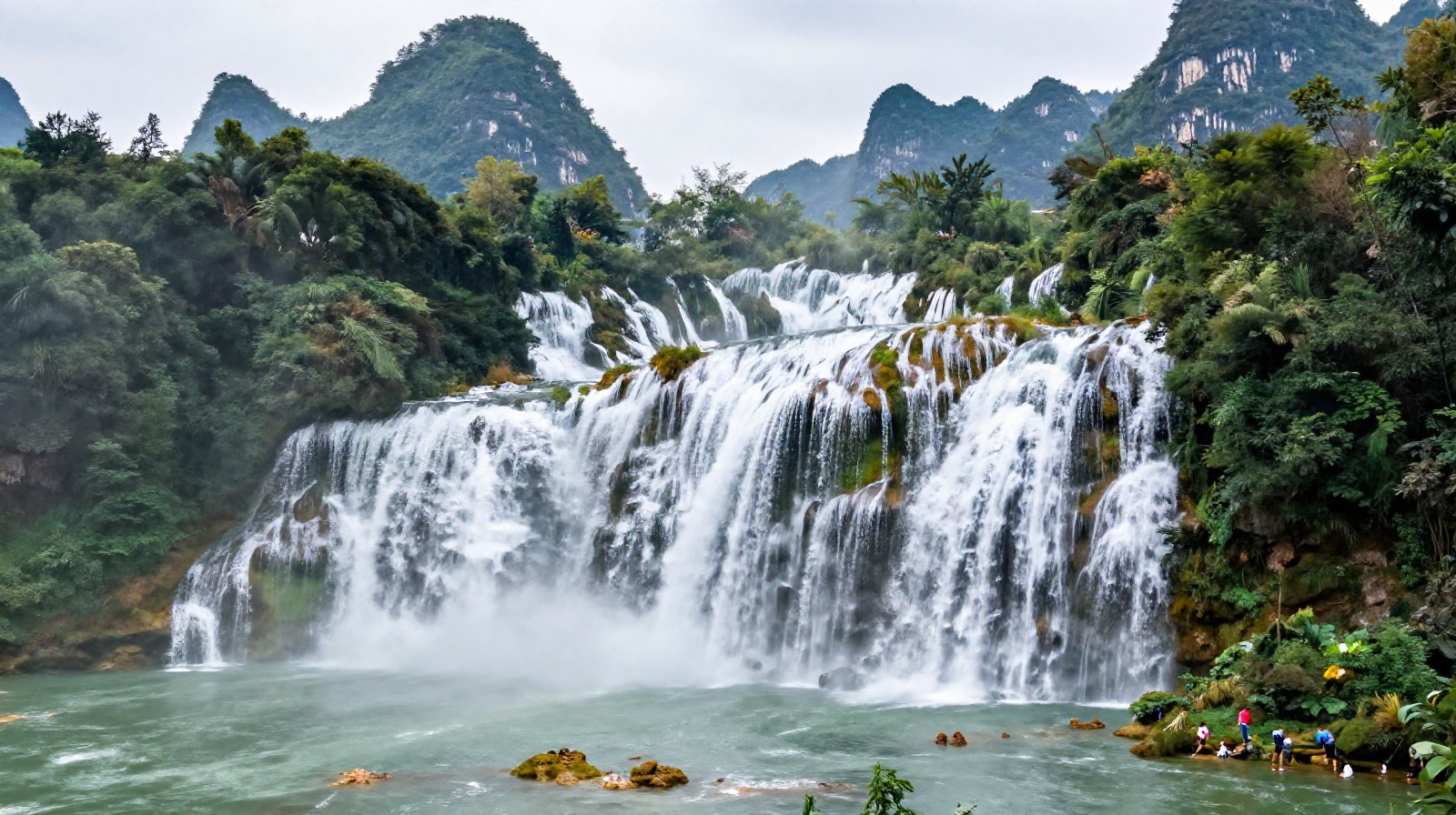
About an hour in, the air grew cooler. The roar of the river replaced the chirping of insects. We pushed through thick ferns and finally broke into a clearing. There was no crowd. Just us, the towering limestone cliffs, and a curtain of water cascading down fifty meters into a crystal-clear pool.
The silence here is different from the quiet in a library. It’s a heavy, vibrating quiet broken only by the thunder of falling water. We sat on a mossy rock near the edge. The spray hit our faces, cooling us instantly. I took off my shoes and dipped my toes in the ice-cold water. It felt like stepping back in time.

Meeting People, Not Just Scenery
We weren’t the only ones there. An elderly woman came out of a small cave dwelling nearby, carrying a basket of wild mushrooms she had just picked. She didn’t speak English, and we barely spoke any Chinese, but communication was effortless.
She gestured for us to come inside her tiny shelter made of stone and wood. Inside, it smelled of drying herbs and wood smoke. She offered us tea from a thermos—hot, sweet ginger water that warmed us right up. This interaction reminded me that these valleys are not empty wilderness; they are lived-in spaces where modern life meets ancient rhythms.
How to Go (And How Not to Ruin It)
If you want to experience this side of Guizhou, here is what we learned:
- Navigate Offline: Download offline maps before leaving the city. Cellular data can be unreliable in deep valleys.
- Hire a Local Guide: Even for short hikes, a local guide (often a farmer) knows the safe paths and hidden hazards better than any app.
- Eco-Friendly Hiking: The “Leave No Trace” principle is critical. We saw plastic bottles left by careless visitors earlier in the week. Take everything you bring back with you.
In China, tourism has boomed in the last decade, but the country is vast enough that secrets still exist. By stepping off the beaten track, we found a version of Guizhou that felt untouched and deeply human.