

The Morning That Didn’t Go According to Plan
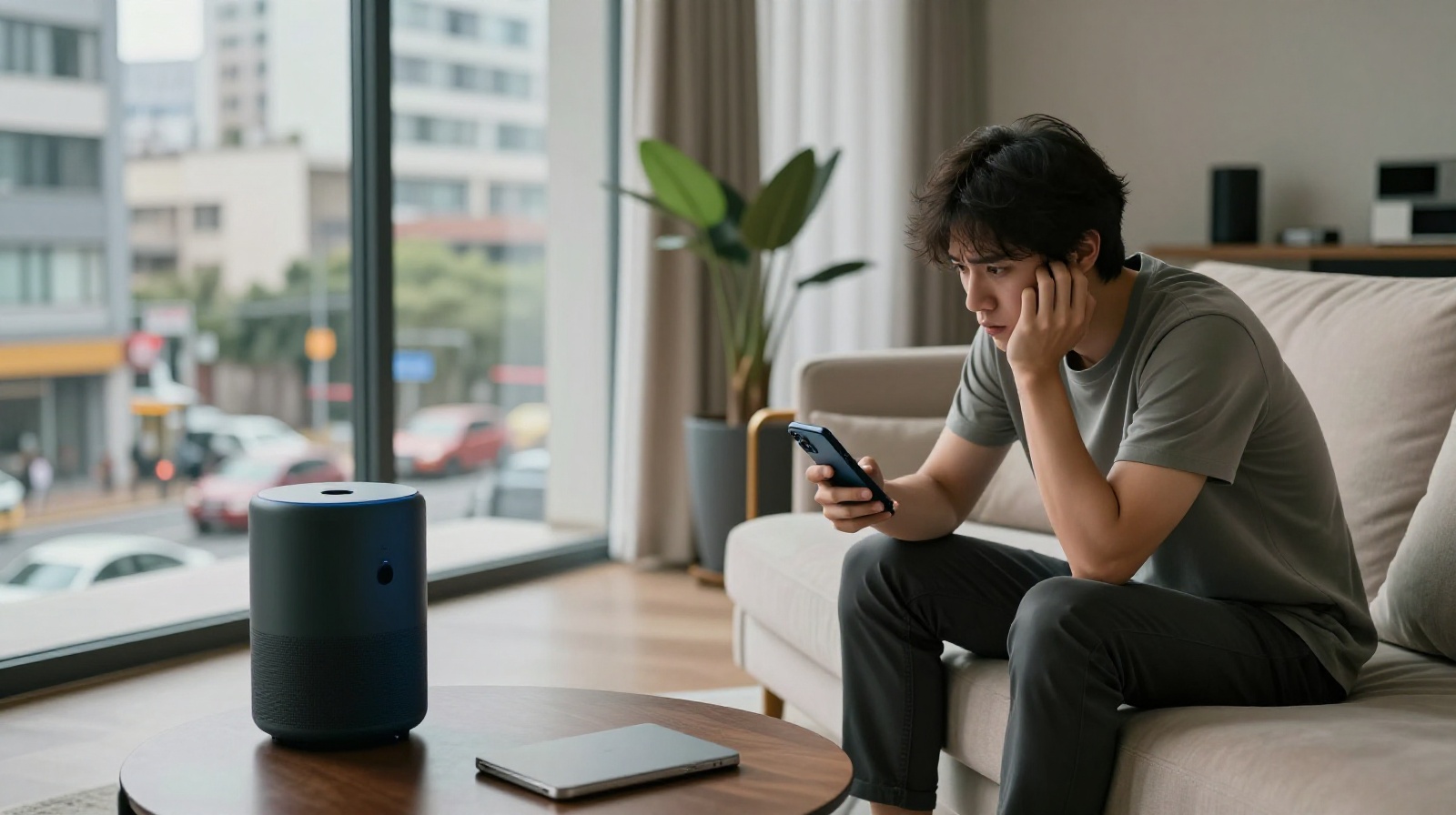
At 7:15 AM in a high-rise apartment in Haidian, Beijing, the smart speaker chirps. “Good morning,” it says in a soothing voice. “Your commute is clear. The weather is perfect for running. Your breakfast order will arrive at 8:00.” It feels seamless, almost like a scene from a sci-fi movie where life is optimized to the second.
But then, the power flickers. The smart lock jams slightly as Li Wei tries to leave for work. He checks his phone; the traffic app suggests a detour around a construction site that only appeared five minutes ago. The algorithm predicted calm, but reality offered chaos. This is the moment where the digital script meets the messy, unscripted texture of real life in China.

The Human Touch vs. Digital Efficiency
China’s embrace of technology is undeniable. From the cashless street markets of Shanghai to the automated delivery drones hovering over rural villages, efficiency is everywhere. But look closer at the subway rush hour in Guangzhou or the bustling night market in Chengdu, and you see a different story.
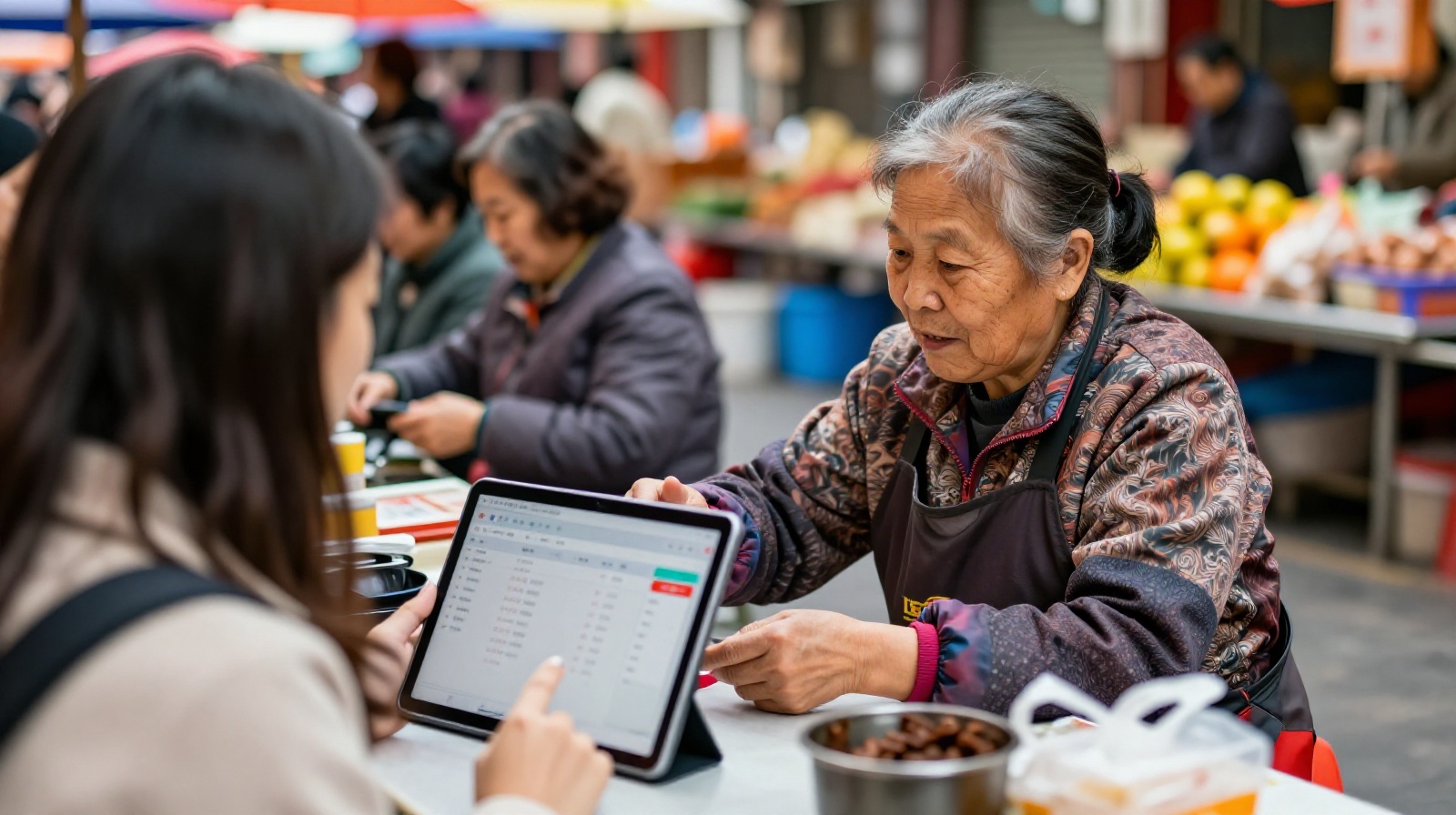
In these spaces, algorithms provide the skeleton, but human intuition provides the muscle. Take the vegetable vendor in Shanghai’s Xujiahui district. Her tablet shows exactly how many customers are coming based on local app data, but she also knows that Mrs. Zhang buys her tomatoes at 6 PM because she needs them for a late dinner with her grandson. This is knowledge no algorithm can fully replicate: the rhythm of relationships.
The Workplace: Tool, Not Master
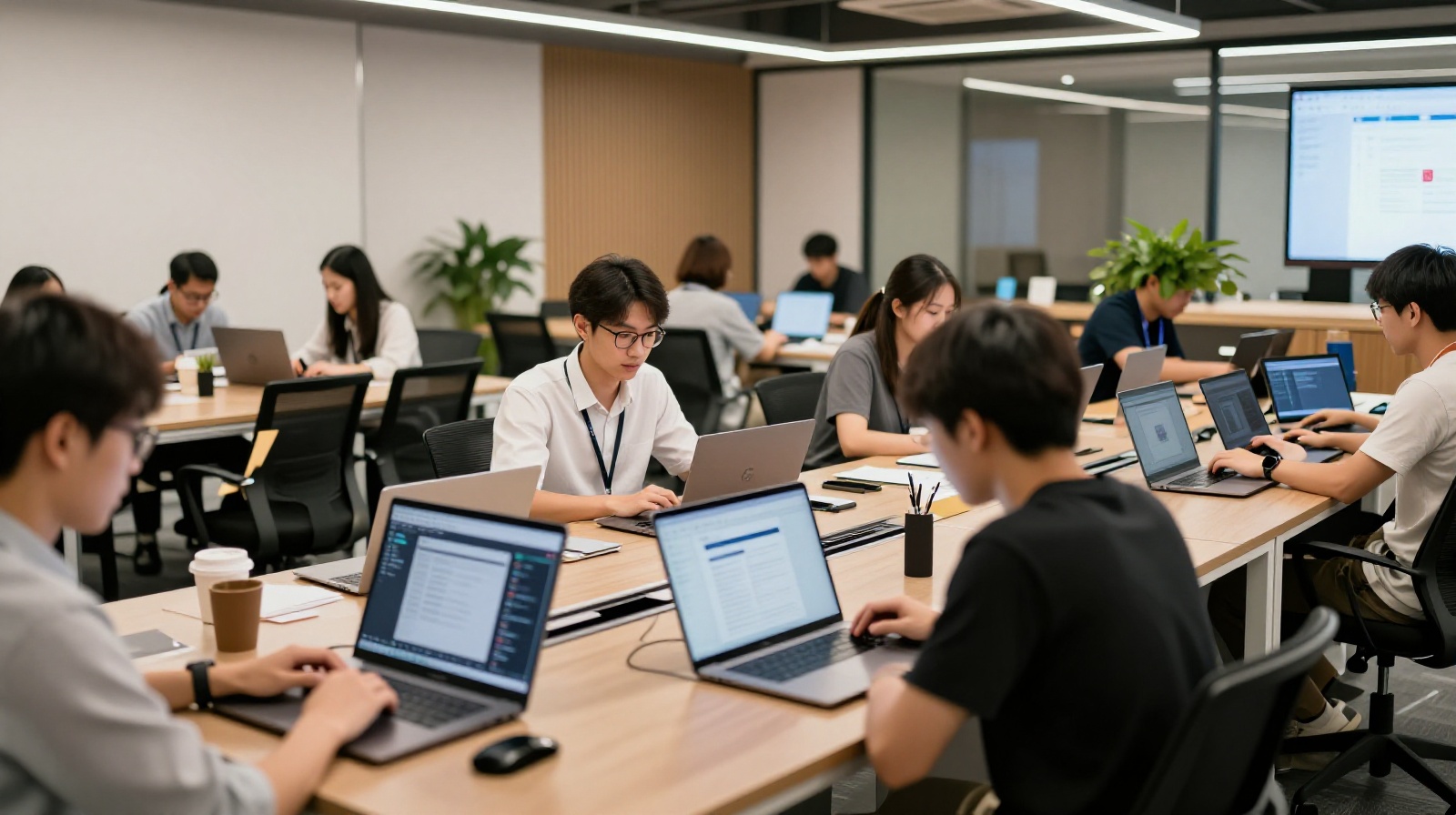
In Shenzhen’s tech hubs, young professionals are not being replaced by AI; they are learning to negotiate with it. In a co-working space in Nanshan District, a graphic designer named Chen uses generative AI to create initial drafts of her marketing materials. It saves hours. But the final touch—the cultural nuance, the emotional resonance—still comes from her.
China’s gig economy is rapidly evolving. Ride-sharing drivers use AI to optimize routes, yet they still rely on local knowledge to navigate sudden road closures or find the best parking spots for passengers. The technology handles the data; the human handles the context. This symbiosis suggests a future where AI amplifies human capability rather than erasing it.
Community: Beyond the Digital Feed
Social media in China is often portrayed as an echo chamber of algorithms, but neighborhood governance tells a different story. In older communities like those in Shanghai’s former French Concession, residents gather for real-life meetings to discuss trash sorting or park renovations.
While digital platforms facilitate the organization, the decisions are made face-to-face. A community leader might use an app to survey opinions, but the final agreement comes from a heated debate in a courtyard, where neighbors argue about noise levels and garden space. These interactions create a social fabric that no simulation can replicate.
The Unpredictable Beauty of Being Human
As AI becomes more sophisticated, capable of simulating conversation, predicting behavior, and even generating art, the question remains: what is left for us to do? The answer lies in the very moments where the system fails. The power outage, the unexpected delay, the spontaneous conversation with a stranger.
In China, as in the rest of the world, these glitches are not bugs; they are features. They remind us that life is not a script to be optimized but a story to be lived. While algorithms can simulate the routine, they cannot simulate the surprise, the joy, or the sorrow that makes an ordinary day extraordinary.