

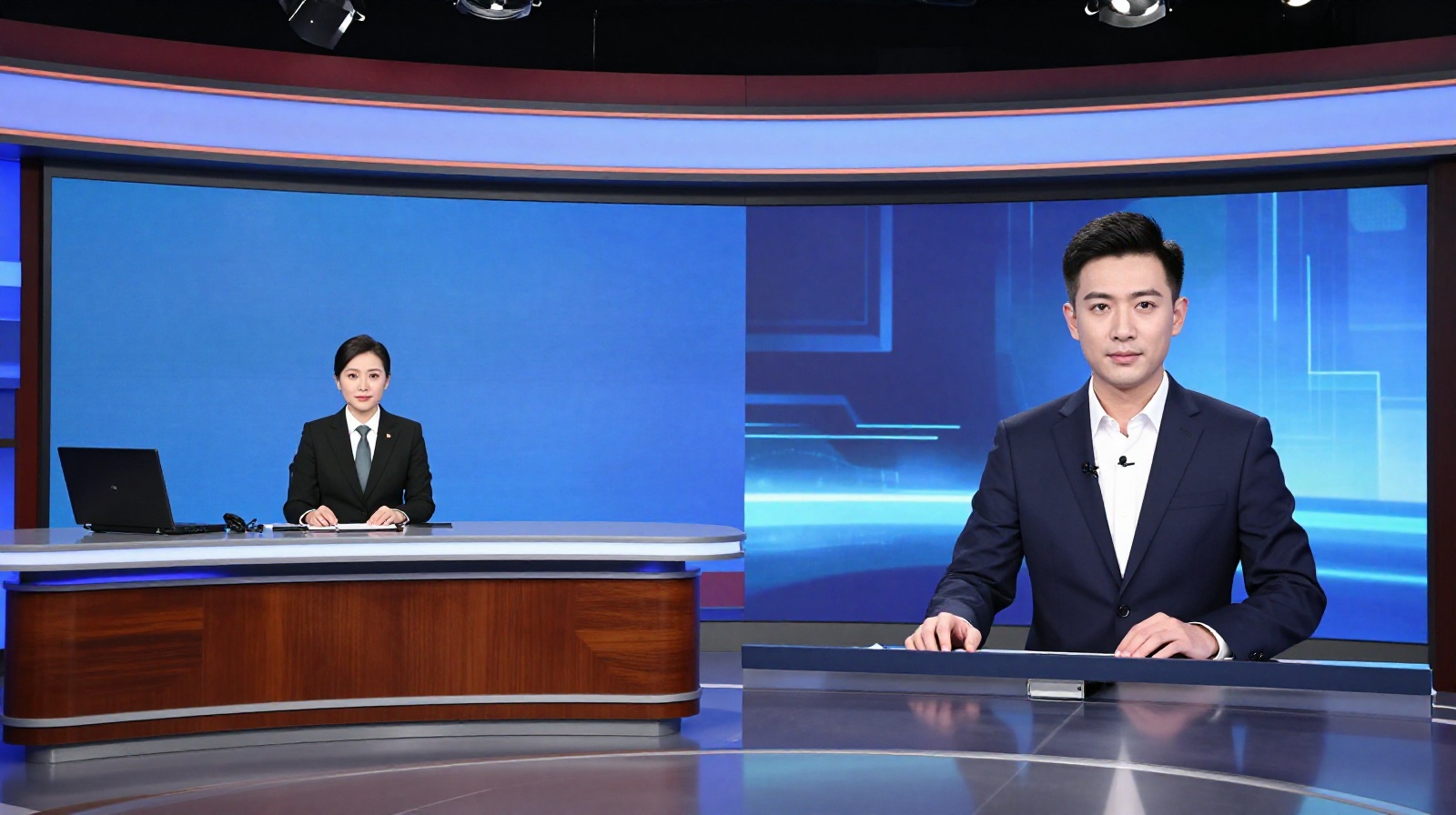
Introduction: From Traditional Studios to Digital Avatars
The gleaming glass walls of traditional news studios are being quietly replaced by the soft glow of green screens and complex algorithms. In a matter of years, the role of the news anchor has evolved from a human face guiding viewers through global events to a hyper-realistic digital avatar capable of working around the clock without fatigue.
This is not science fiction; it is the current reality of media production. From major networks in Asia deploying virtual anchors for 24-hour financial news to Western outlets experimenting with AI-driven breaking news segments, the industry is undergoing a silent revolution. The question is no longer if AI will replace human anchors, but how this technology will redefine the very essence of trust and storytelling in journalism.
Core Advantages: Efficiency at Scale
The primary driver behind the adoption of AI anchors is undeniable efficiency. Unlike human professionals who require rest, these digital entities operate 24/7, ensuring continuous coverage for live events, late-night financial updates, or global time-zone specific broadcasts without interruption.
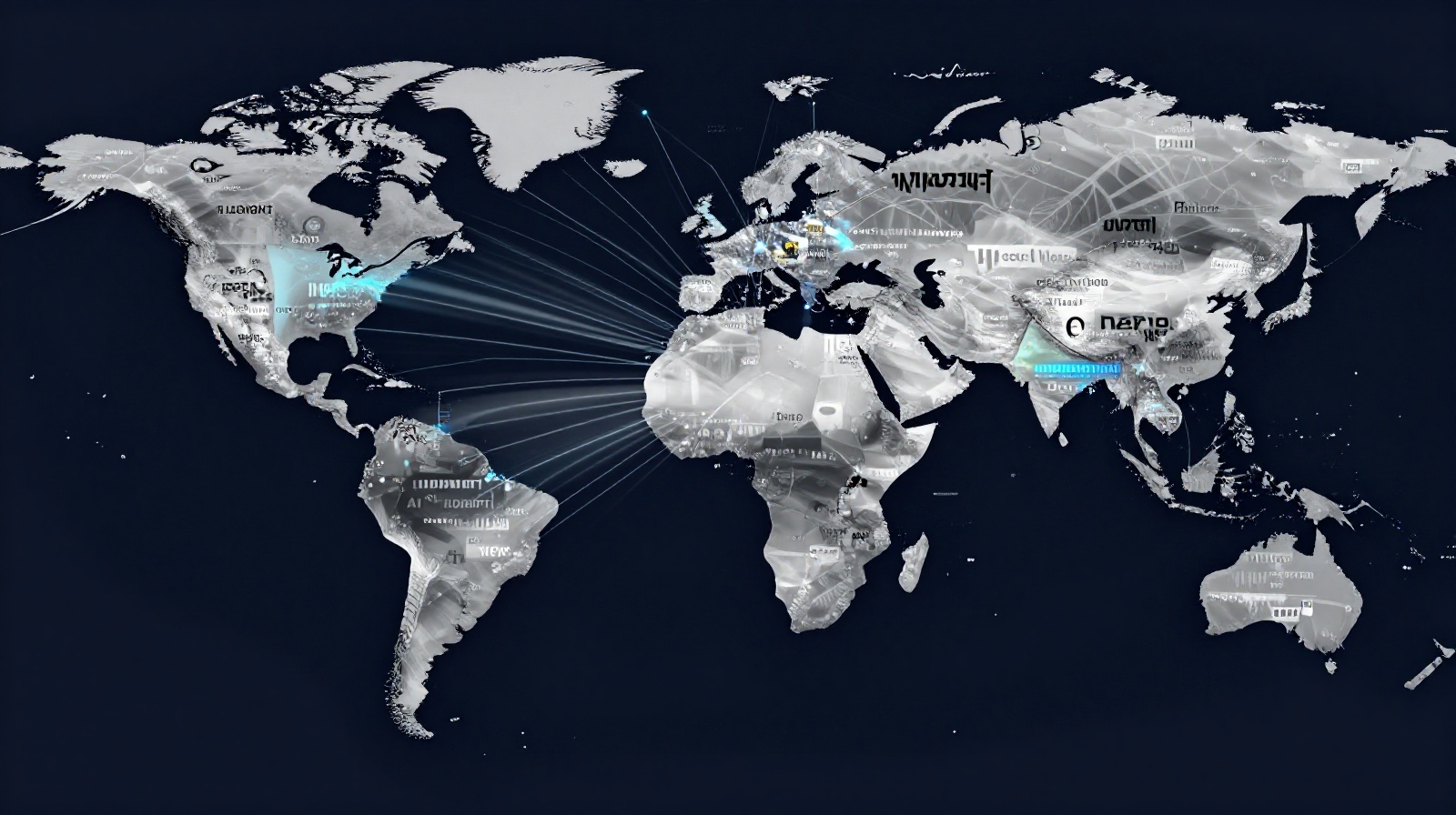
Beyond availability, AI offers a “zero-cost trial” mechanism for content localization. A single news script can be instantly adapted into dozens of languages with native-level pronunciation and cultural nuance, allowing media outlets to reach a truly global audience without the logistical nightmare of hiring multilingual staff. This scalability transforms local newsrooms into international broadcasters overnight.
Technical Decoding: The Rise of Emotional AI
The leap from robotic monotony to human-like expression is driven by breakthroughs in Text-to-Speech (TTS) synthesis and real-time motion capture. Modern neural networks can now analyze a script’s emotional context, adjusting pitch, pace, and intonation to match the gravity of a tragedy or the excitement of a market rally.
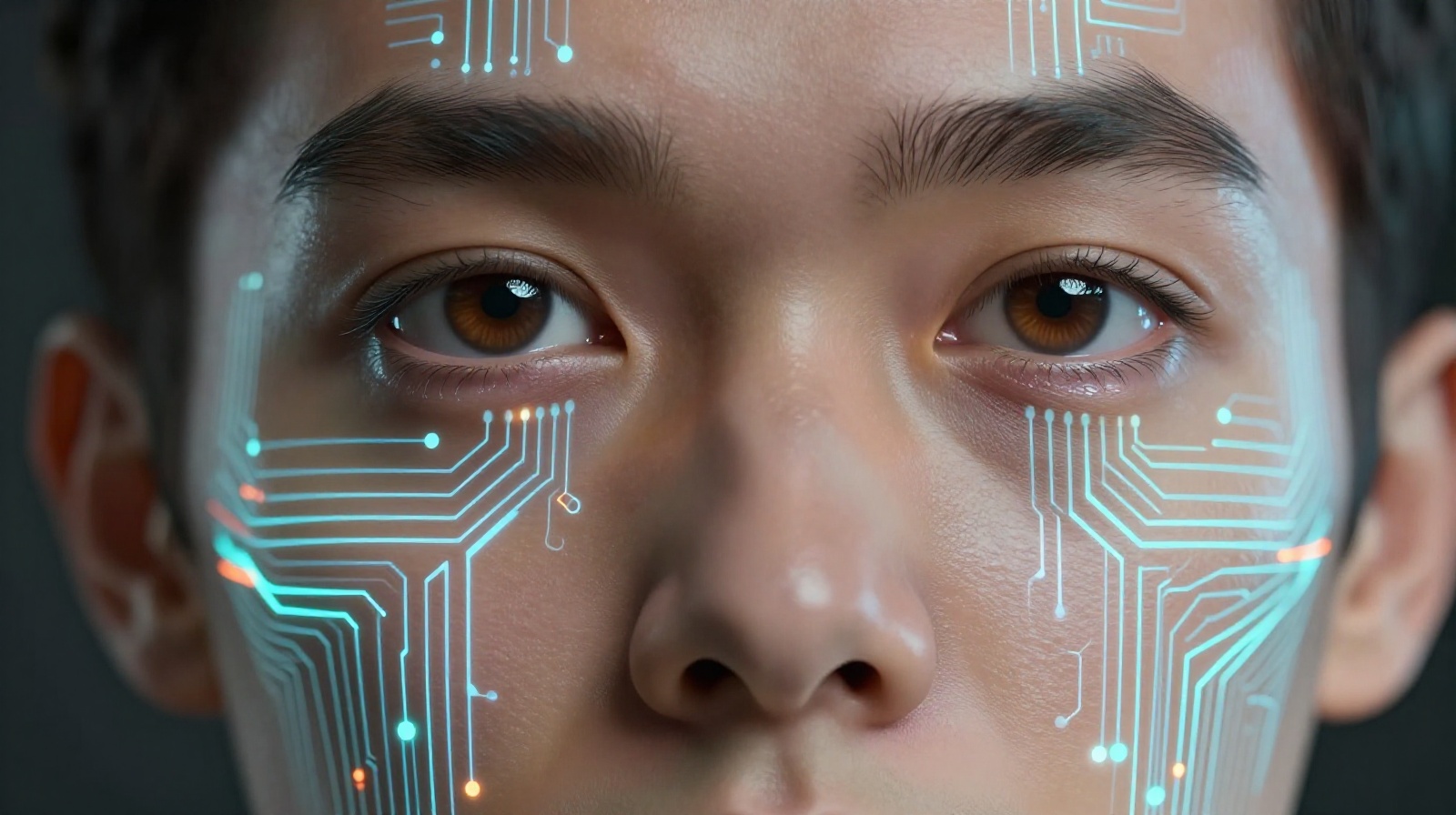
Furthermore, advanced facial rendering engines use micro-expression mapping to replicate subtle human cues like blinking, smiling, and eyebrow movements. This technological maturity creates an illusion of presence that was previously impossible, bridging the gap between cold data and warm communication.
Industry Challenges: Ethics and Trust
However, this rapid evolution brings profound ethical challenges. The democratization of deepfake technology raises alarming questions about the authenticity of news. Who is accountable when an AI anchor inadvertently spreads misinformation or is manipulated to deliver a fabricated statement?
Beyond the risk of fake news, there is significant anxiety regarding job displacement within the journalism sector. While AI handles routine reporting, the human element—critical thinking, investigative depth, and emotional empathy—remains irreplaceable yet increasingly scrutinized. Regulatory bodies are now racing to establish frameworks that distinguish between synthetic content and genuine human reporting.
Future Outlook: The Hybrid Model
The future of news is not a binary choice between human and machine, but a synergistic partnership. In this new model, AI anchors will assume the heavy lifting of data processing, real-time updates, and repetitive broadcasting, ensuring unprecedented efficiency.
Conversely, human journalists will pivot towards roles that require genuine warmth, complex narrative construction, and ethical judgment. We are moving towards an era where the anchor is a curator of truth rather than just a reader of scripts, leveraging technology to amplify human insight rather than replace it.
Conclusion: Redefining Value in the Algorithmic Age
As we stand at this technological precipice, the definition of a “news anchor” must evolve. The value lies not in the biological capability to speak, but in the ability to connect, verify, and inspire. AI has become a powerful tool, but the soul of journalism—the pursuit of truth with integrity—remains an exclusively human endeavor.