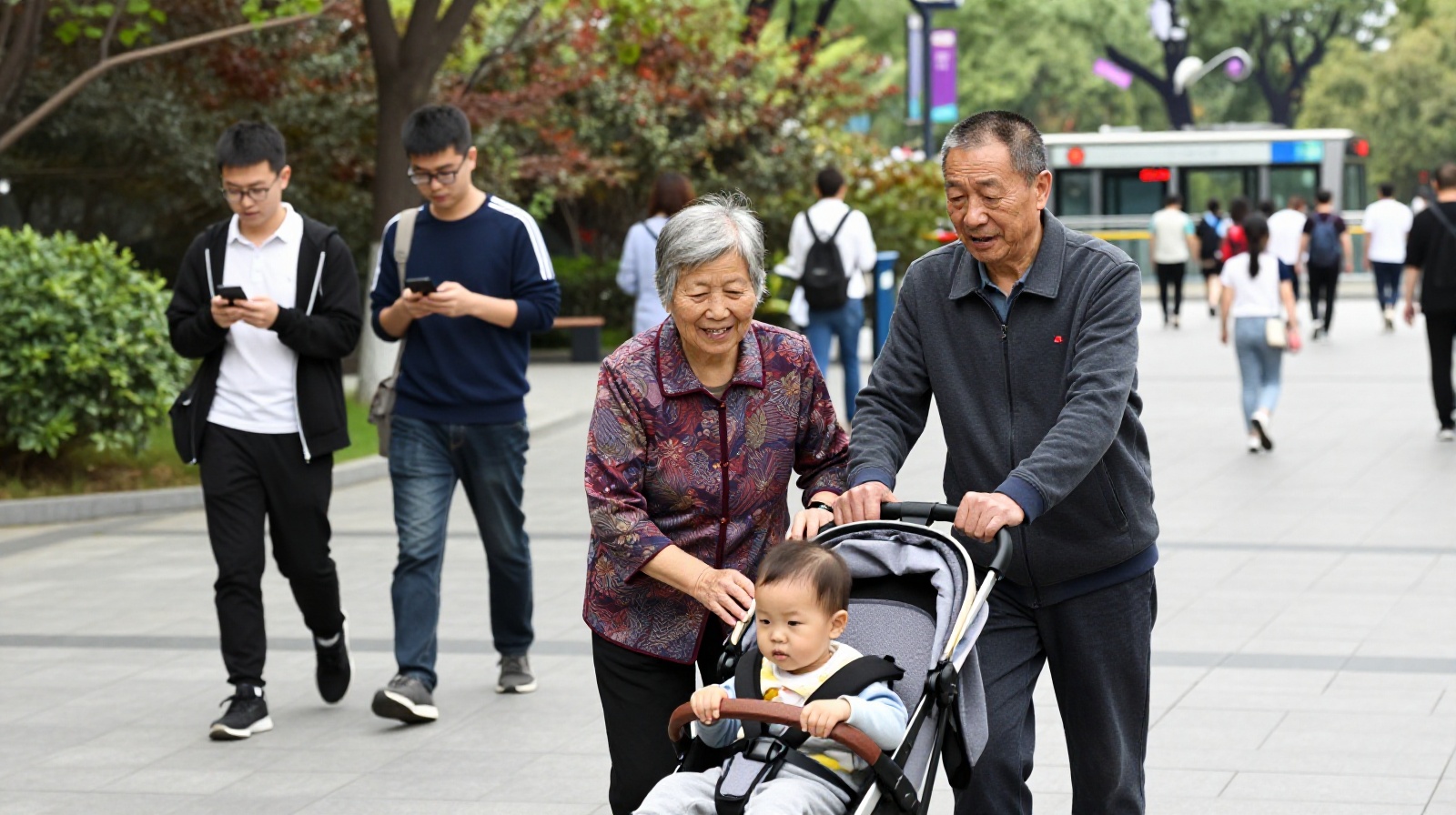
Behind the Stroller in Beijing’s Parks
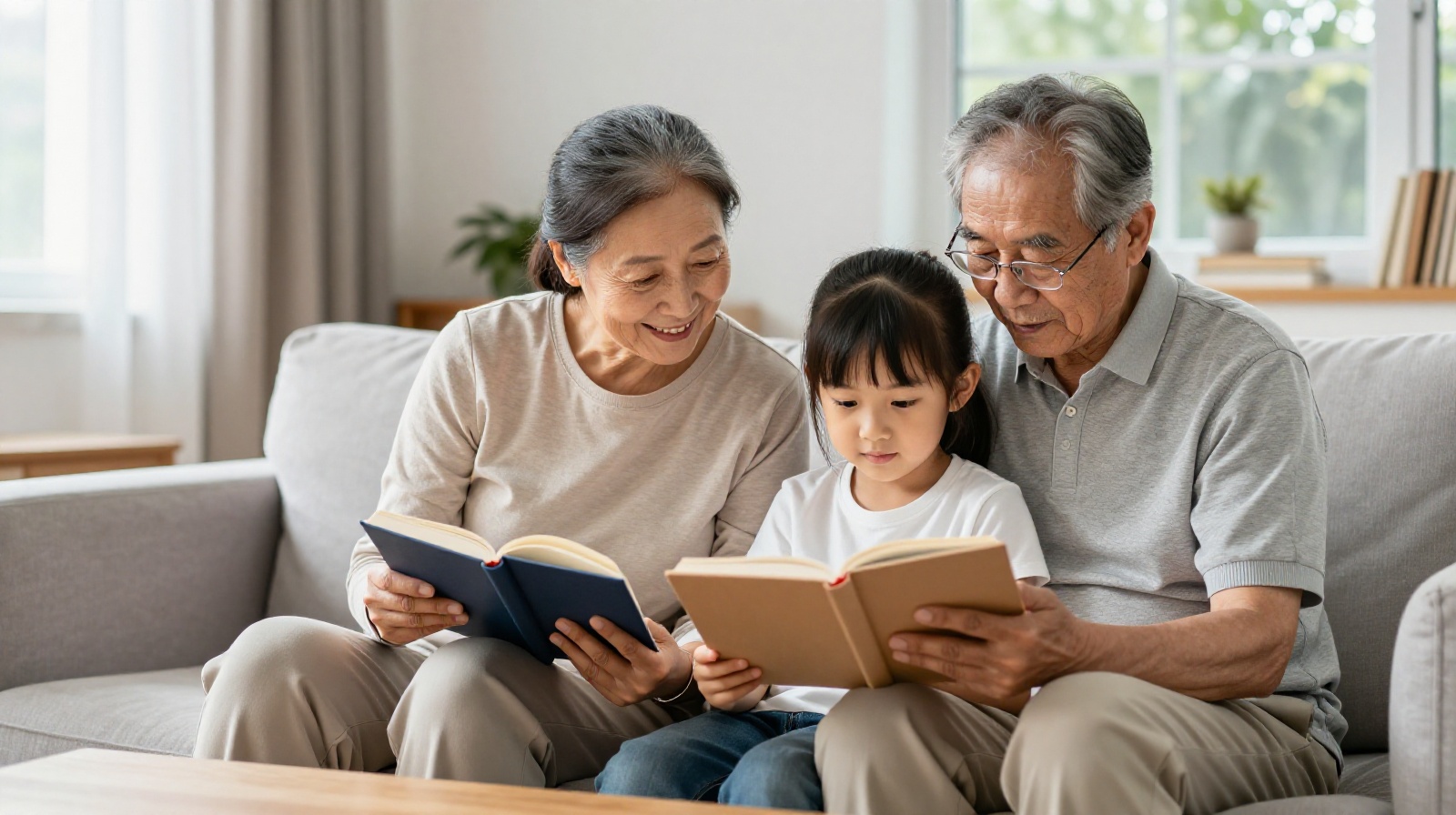
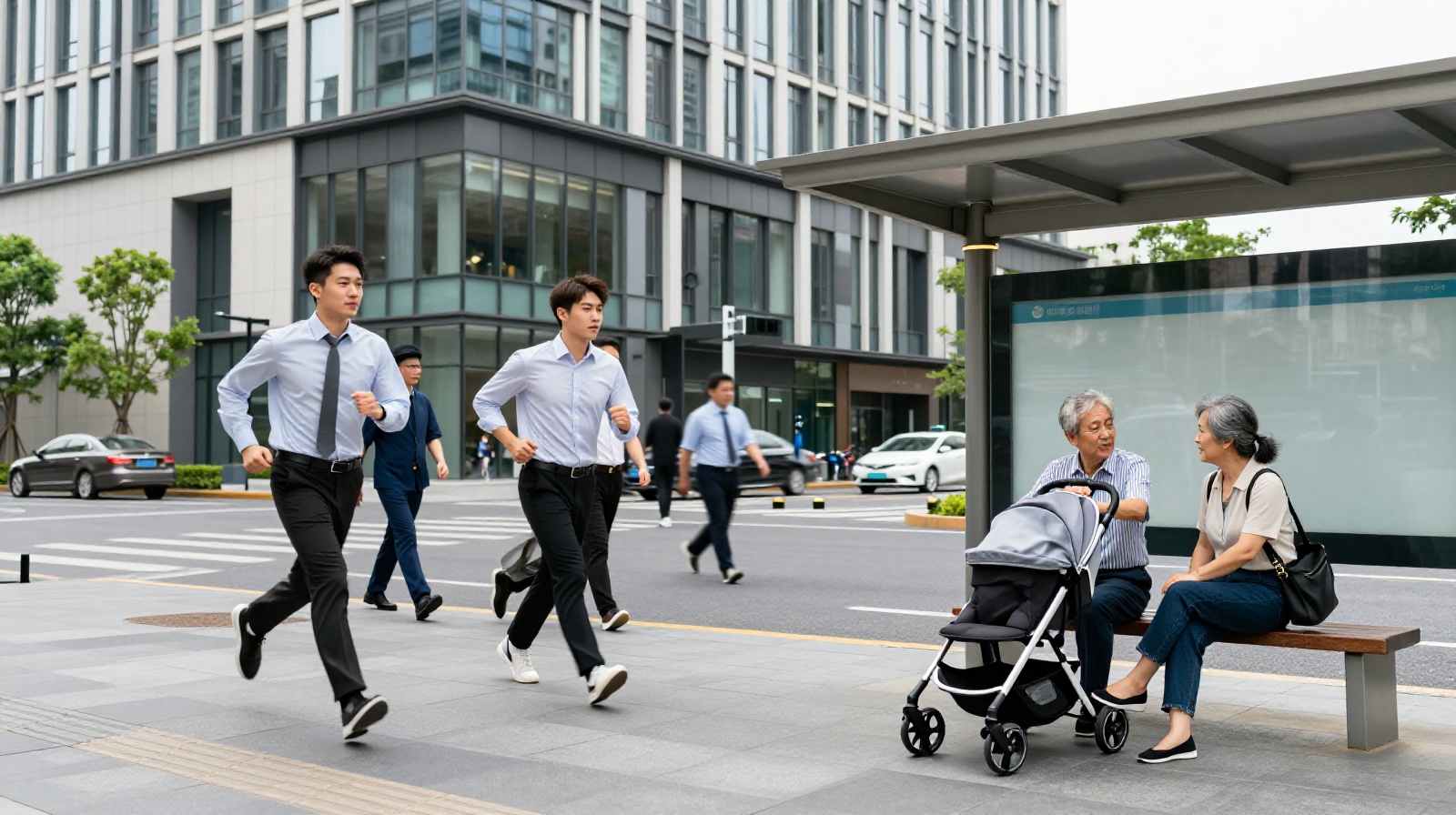
The scene is familiar to anyone who has visited a Chinese public park on a weekend. Amidst the laughter of children playing, you will often see an older couple pushing strollers or holding the hands of toddlers, while their adult children rush off to catch a subway train or return to office meetings.
According to recent data from China’s National Health Commission, nearly 60% of children under three are cared for by grandparents. In megacities like Shanghai and Shenzhen, this number climbs even higher. For many Western observers, the sight is puzzling: why don’t parents take their own kids? Why do healthy seniors, often retired or semi-retired, spend their golden years in diapers and school runs?
It is a common misconception that this arrangement exists solely because childcare services are too expensive or parents simply cannot afford them. While cost is a factor, the reality is far more nuanced, rooted in a unique combination of structural pressures and profound cultural values.
The Double-Shift Reality: Work and Care
China’s urban workforce operates on an intense pace. The standard work culture often involves long hours, with the “996” schedule (9 a.m. to 9 p.m., six days a week) still prevalent in tech and corporate sectors.
Formal childcare infrastructure has struggled to keep up with this demand. While government initiatives are expanding public kindergartens, spots for children under three remain scarce. In many neighborhoods, a day-care center might be hours away or have waiting lists stretching months long.
For a dual-income couple—the norm in Chinese cities—choosing between a career and full-time childcare is often an impossible binary. The solution that emerges isn’t just practical; it’s emotional. Grandparents step in not merely as hired help, but as the only viable option to ensure their children can maintain their careers while providing constant care.
More Than Economics: The Cultural Logic
If you ask a grandmother in Guangzhou why she wakes up at 5 a.m. to cook breakfast for her grandchildren, she won’t talk about wages or savings. She will talk about love and duty.
In Chinese culture, the concept of family is deeply collectivist. The boundary between generations is porous; resources and responsibilities are shared across the household unit. This stands in stark contrast to many Western societies where individualism reigns supreme, and raising a child is viewed strictly as the nuclear family’s responsibility.
There is also a strong sense of “filial piety” that flows both ways. While children are expected to care for their aging parents later in life, grandparents often view helping with grandchildren as a way to fulfill their own purpose and maintain closeness with the next generation. It is a reciprocal exchange of love that spans decades.
The Friction of Two Worlds
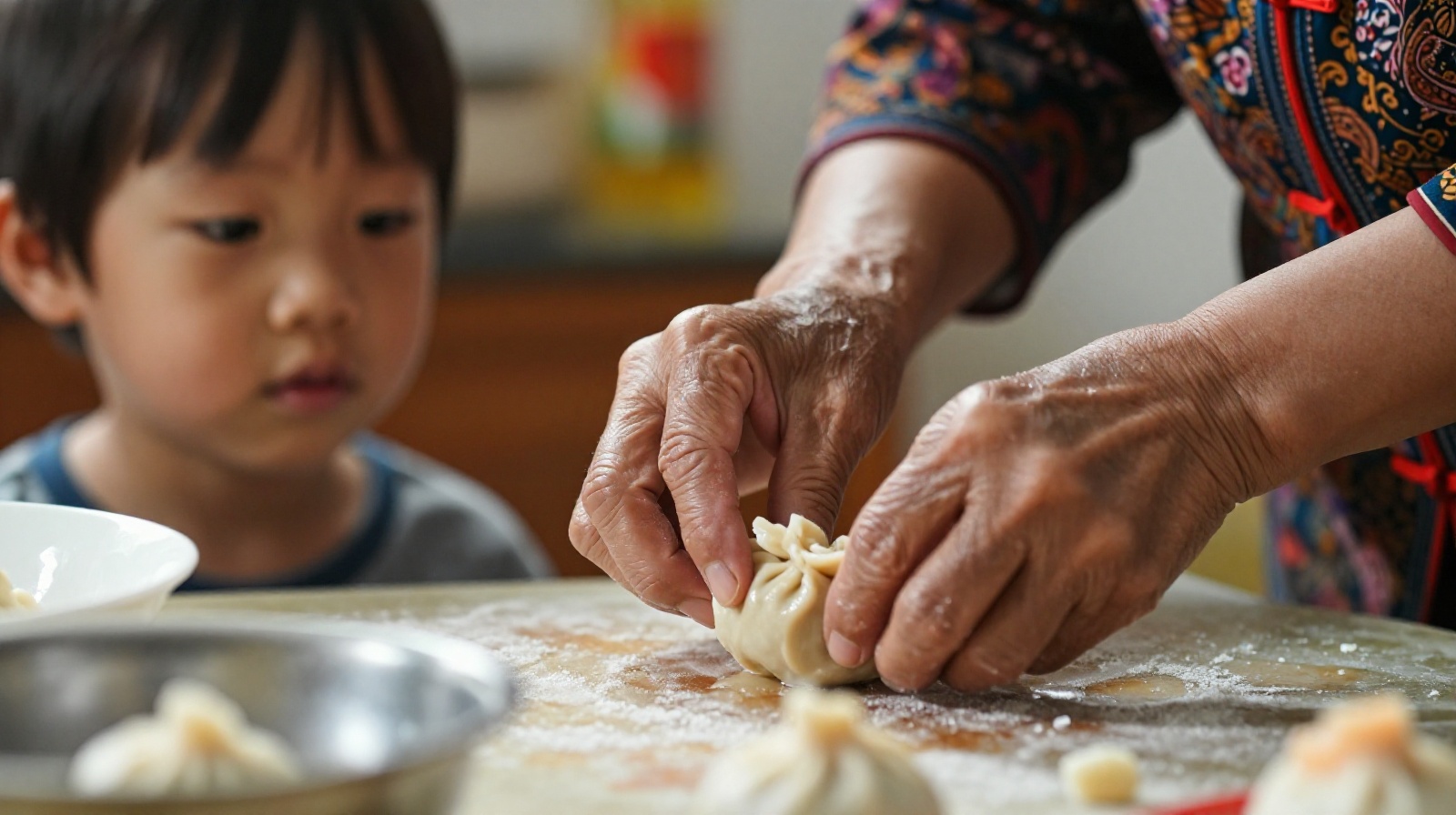
This system is not without its challenges. The most visible friction occurs in the kitchen and at the dinner table. A grandmother might insist on feeding a child by hand or wrapping them up warmly against a slight chill, practices that clash with modern parenting advice.
For young parents who have studied Western educational theories, these differences can cause significant stress. There is often a tension between “scientific” parenting and “experience-based” care. Health concerns also arise; the physical toll of caring for energetic toddlers can be heavy on aging bodies.
However, families navigate this through constant negotiation. It’s not a static hierarchy but a dynamic relationship where grandparents learn to respect boundaries while parents learn to appreciate the depth of their elders’ sacrifice.
A Unique Safety Net
Despite the exhaustion and occasional conflicts, this intergenerational model forms a robust social safety net that many other nations lack. In countries with fragmented family structures or limited state support, single parents often struggle in isolation.
In China, the grandmother’s presence means children grow up with deep emotional roots and immediate adult support. It allows families to survive economic downturns without collapsing and enables mothers to re-enter the workforce quickly after maternity leave.
Ultimately, this arrangement is a testament to the resilience of Chinese family life. It shows how a society adapts its ancient values to meet modern demands, creating a living system where love, duty, and survival are inseparable.