

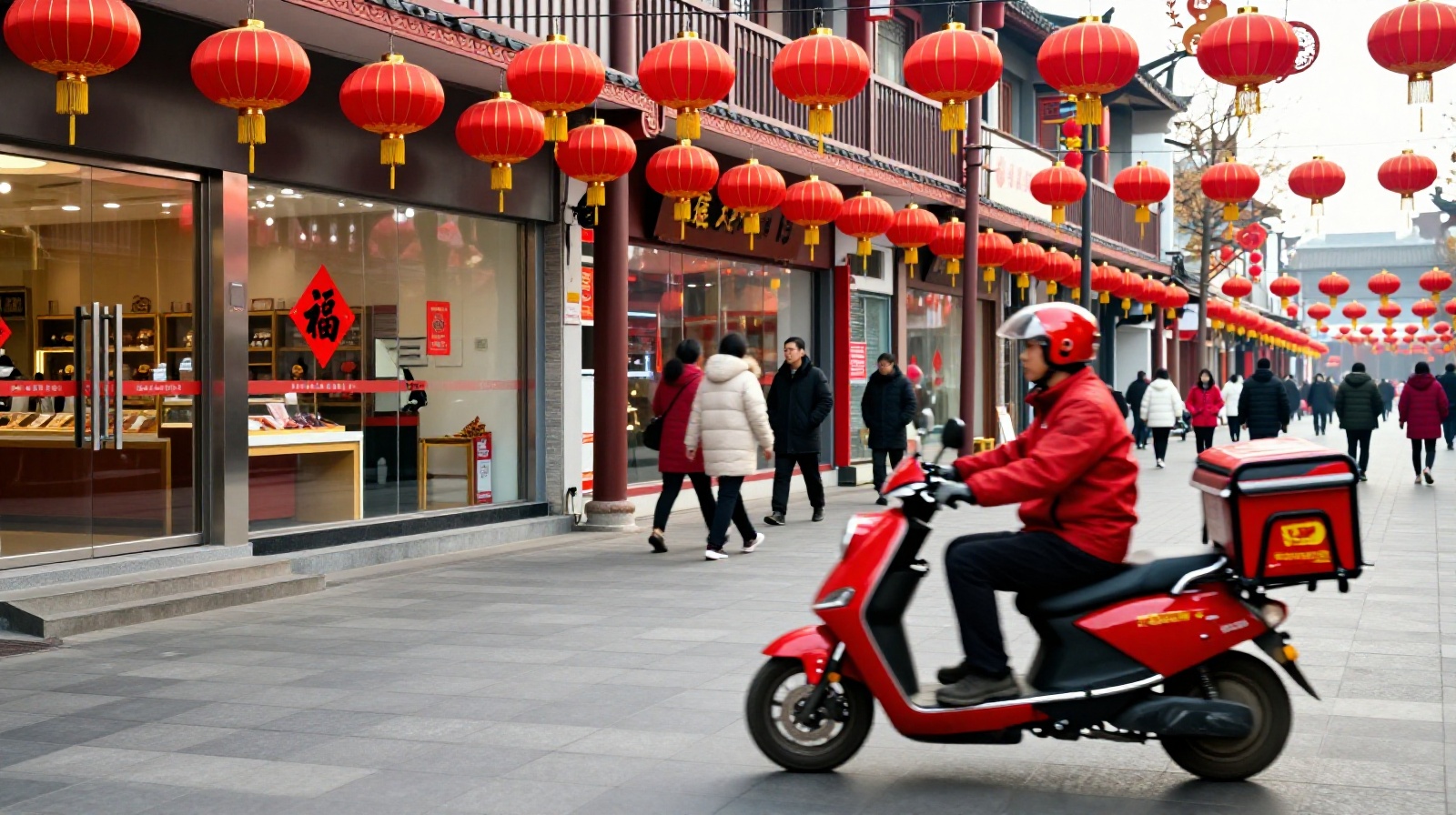
A Street View of Red
Imagine walking down a busy street in Chengdu or Shanghai just before the Lunar New Year. The air is crisp, but the visual noise is overwhelming. It isn’t neon green or electric blue that grabs your attention; it is red. Not just on giant lanterns or paper cutouts, but on the sleeves of delivery drivers’ jackets, the packaging of a local bakery’s pastries, and even the digital “red envelopes” sent via WeChat to colleagues.
For an American or European visitor, this sea of red might feel like a cultural stereotype or a marketing gimmick. But ask a local why they wear a red scarf on their first day at a new job, or why their grandmother insists on wearing red undergarments during the Year of the Dragon, and you will get answers that go far deeper than simple aesthetics.
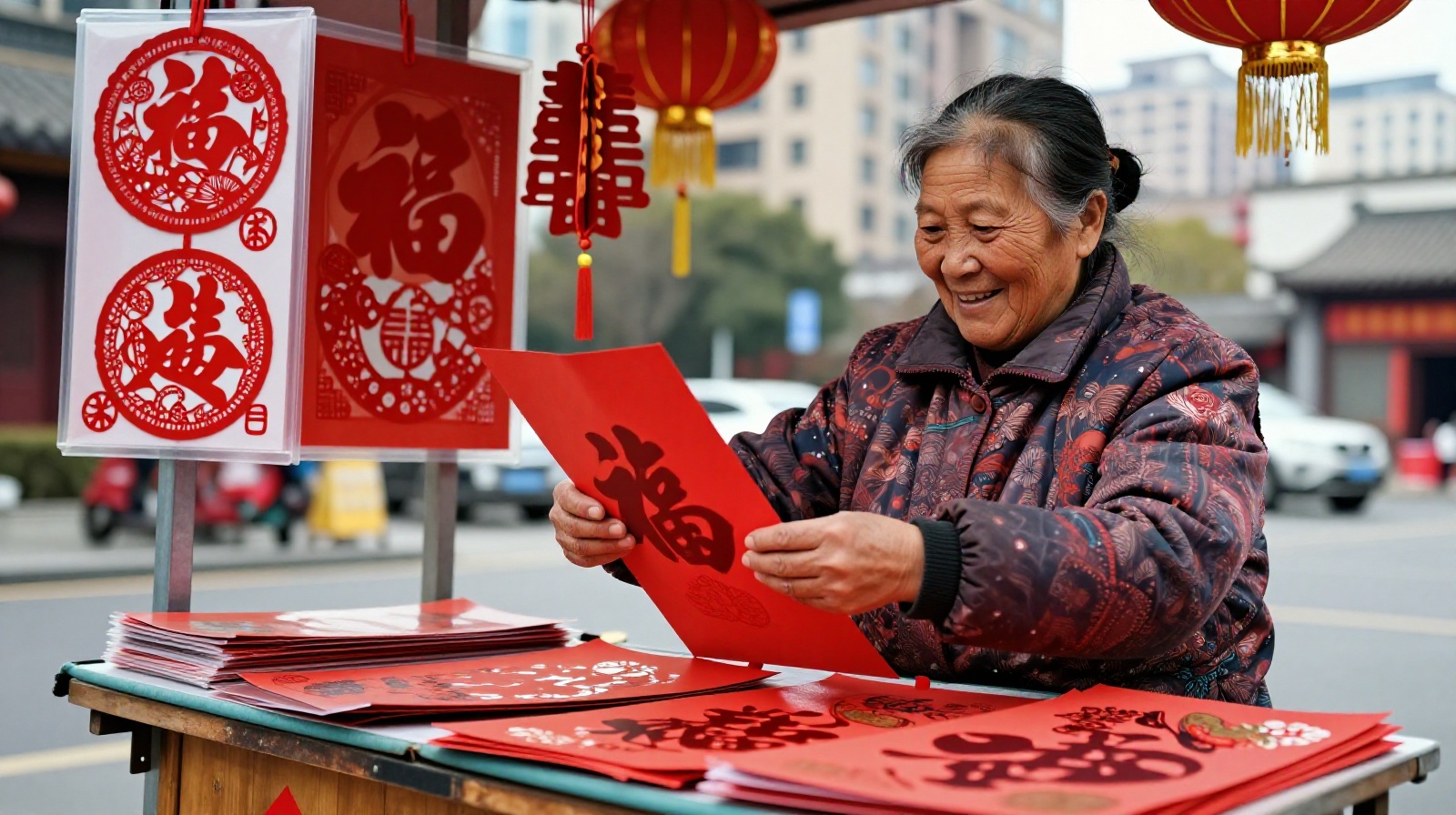
The Ancient Roots: More Than Just Fire
To understand why red holds this power, we have to look back thousands of years. In ancient China, before modern science explained the world, color was a way to map survival.
Red is the color of fire and blood—two forces that were both terrifying and essential for life. Fire provided warmth and cooked food; blood represented life force. Over centuries, this evolved into a belief: red could ward off evil spirits (often imagined as cold or dark) and invite good fortune. This isn’t unique to China; many cultures associate red with power. But in China, it became a daily shield rather than just a symbol of war.
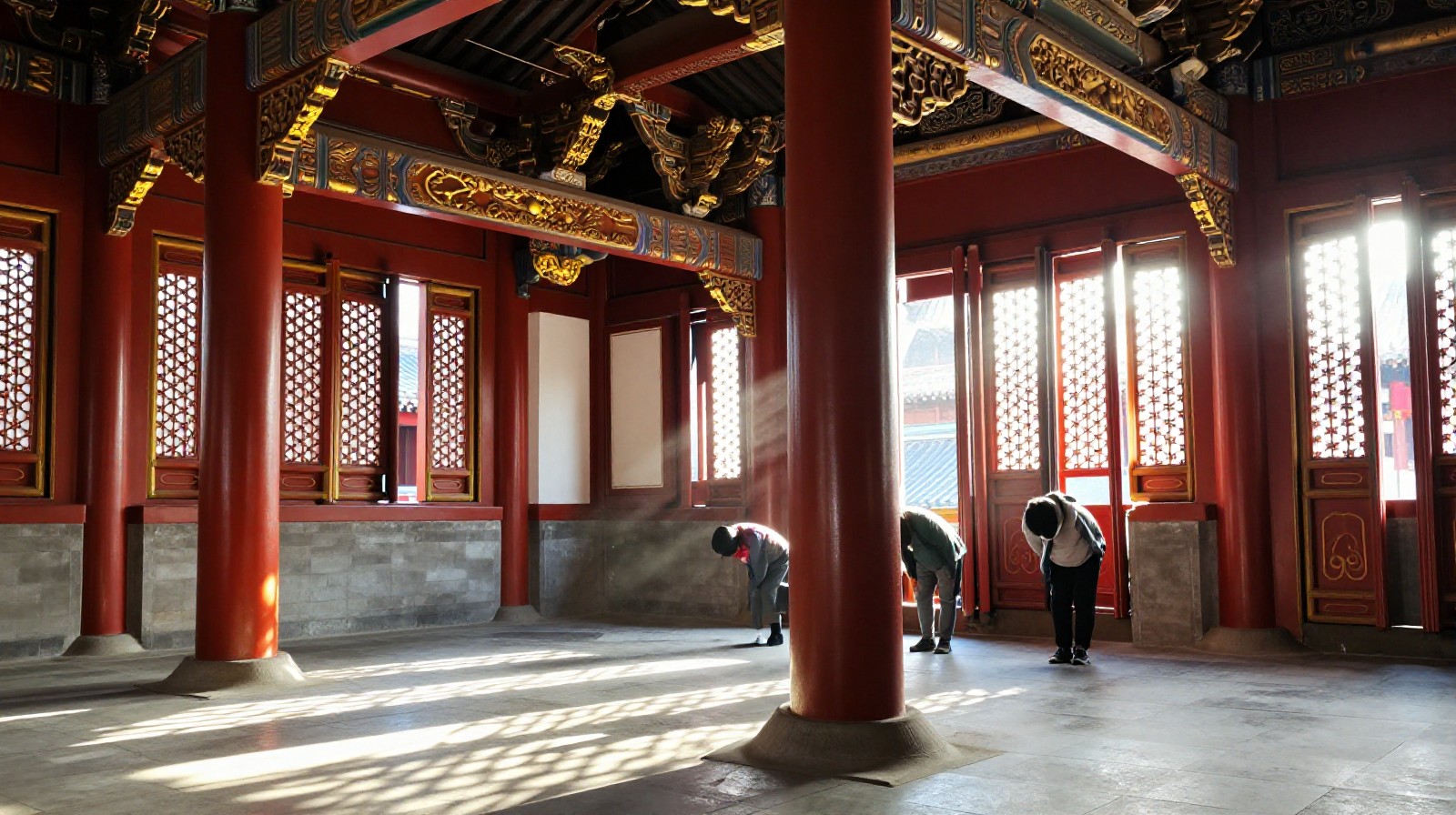
Historically, the color was also linked to the sun. In traditional Chinese cosmology, red represents the south and summer—the seasons of growth and abundance. This is why you see red painted on temple pillars; it wasn’t just decoration, it was a prayer for a bountiful harvest written in pigment.
The Rituals of Life: Weddings and New Beginnings
Today, these ancient beliefs are most visible in the two biggest milestones of a Chinese life: birth (often celebrated at one month) and marriage. If you attend a traditional wedding in China today, the groom might wear a red suit or hold a red handkerchief, while the bride’s dress is often a modernized version of the traditional “Qun Kwa”—a gold and red embroidered gown.
But it’s not just about fashion. In rural villages, you might still see families hanging red lanterns at the door to announce that a new baby has been born or a marriage has taken place. It is a public declaration of joy. When I visited a small town in Sichuan last year for a friend’s wedding, I noticed something interesting: even the modern hotel staff wore red scarves. The entire ecosystem of the event—from the flowers to the invitations—was curated around this single hue.

Red in the Modern Economy: From Tradition to Trend
You might wonder if young people still care about these old traditions. The answer is a surprising yes, but with a twist. For Gen Z in China, red has transformed from a traditional symbol of superstition into a badge of cultural confidence.
Brands have noticed this shift. Major Chinese companies like Huawei or Xiaomi often use red as their primary brand color, signaling energy and trust. In the fashion world, “Guochao” (national trend) brands are reinterpreting ancient patterns in streetwear, using deep crimson instead of dull black.
This isn’t just about looking cool; it’s about identity. After decades of rapid modernization where Western styles dominated, young Chinese people are embracing their heritage not as a relic, but as something trendy and new. Red is the bridge between the ancient past and the futuristic present.

A Color with Many Faces
It is important to note that red in China isn’t always “lucky” in a simple way. In financial markets, red means prices are going up (the opposite of Western finance where red often signals loss). In some contexts, it can be aggressive or intense.
However, for the average person, the feeling remains positive. Whether it is the digital red envelope that brings a small bonus to an employee’s phone, or the red ribbon tied around a new car for good luck on its first drive, the color acts as a social glue. It connects strangers in a shared understanding of what constitutes “good things”.
Understanding why red matters helps explain a broader truth about China: change happens fast, but culture runs deep. The colors we see today are not just trends; they are centuries-old stories that have been rewritten for the modern age.