

The Late-Night Office and the Ancient Poet
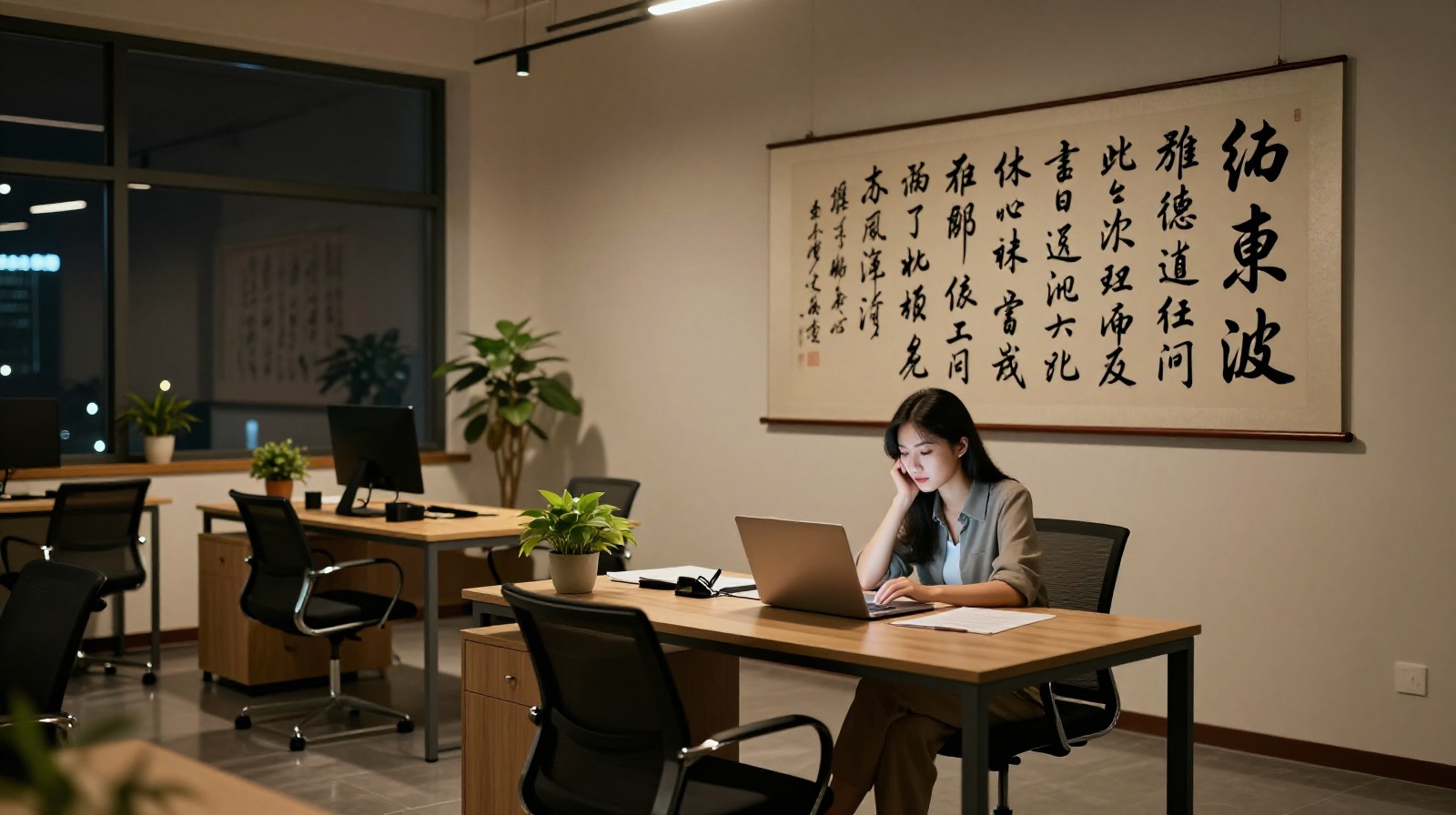
It’s 11:30 PM in a co-working space in Shanghai. The air smells of stale coffee and ozone from overheating servers. A young graphic designer, Lin, rubs her eyes after a day of endless revisions. Instead of scrolling through trending news or doom-scrolling on short videos, she opens a browser tab to read a poem by Su Dongpo.
“He was exiled three times,” Lin says, typing out a quote: ‘I have no worry in my heart; the world is full of things I can enjoy.’ It’s not just history homework for her. In a country where young people face high housing prices, intense work competition (known as neijuan), and uncertain futures, Su Dongpo has become something unexpected: a spiritual idol.
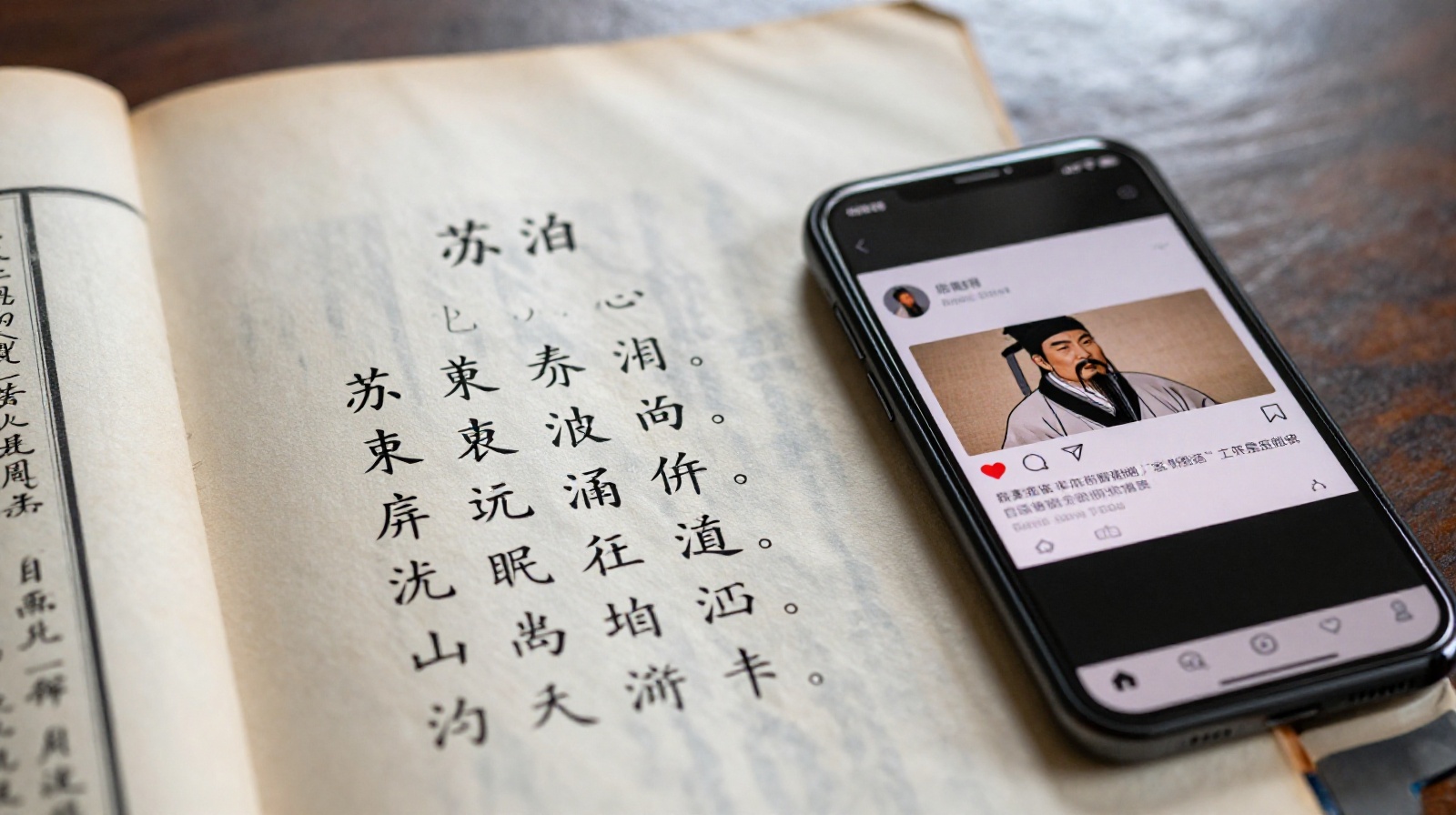
Su Dongpo, or Su Shi, lived in the 11th century during the Song Dynasty. History books list him as a great poet, painter, and politician. But to modern Chinese youth, he is primarily a survivor who knew how to live well even when life failed him.
More Than a Poet: The Master of Living
To Western readers familiar only with his poetry, Su might seem like a distant figure from textbooks. But in China, he is a cultural icon comparable to a mix of Shakespeare and a master chef.
His life was a rollercoaster. A brilliant scholar who rose quickly in government, he was later demoted repeatedly for criticizing powerful officials. He spent years living in remote villages with no money, no status, and often no food.
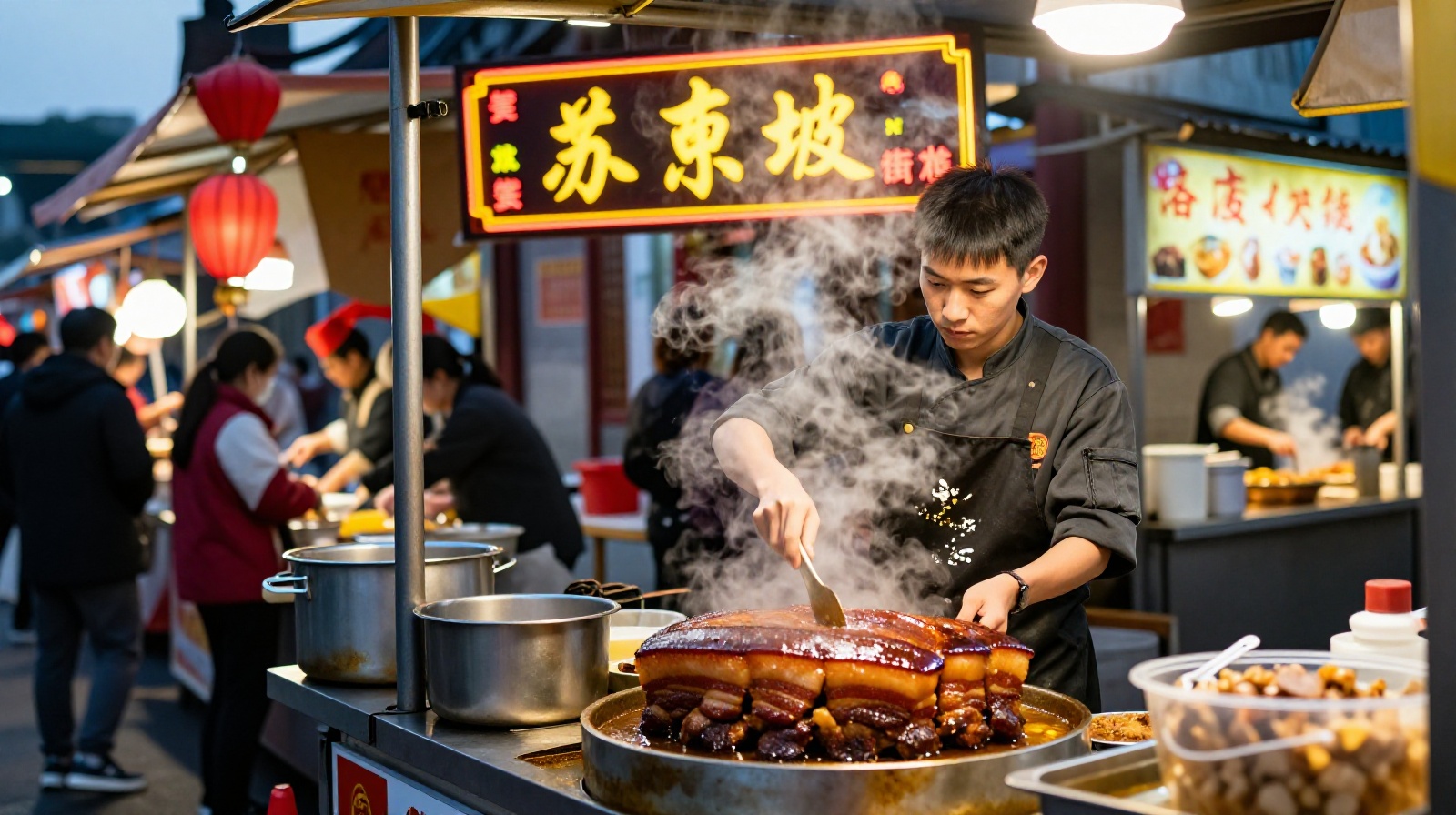
Yet, he didn’t complain. Instead, he invented dishes like ‘Dongpo Pork,’ wrote lyrics that are still sung today, and made friends with farmers and fishermen. He turned his exile into a travelogue of happiness.
“He taught me that you can be at the bottom of society but still have a high spirit,” says Chen, a 24-year-old software engineer in Hangzhou. “When I lose a job or get rejected, I think: ‘What would Su Dongpo do?’ He would probably just go cook something delicious and write a poem about it.”
From Textbooks to TikTok Memes
This admiration isn’t just quiet reflection; it has exploded into pop culture. On Chinese social media platforms like Xiaohongshu (Little Red Book) and Douyin, Su Dongpo is everywhere.
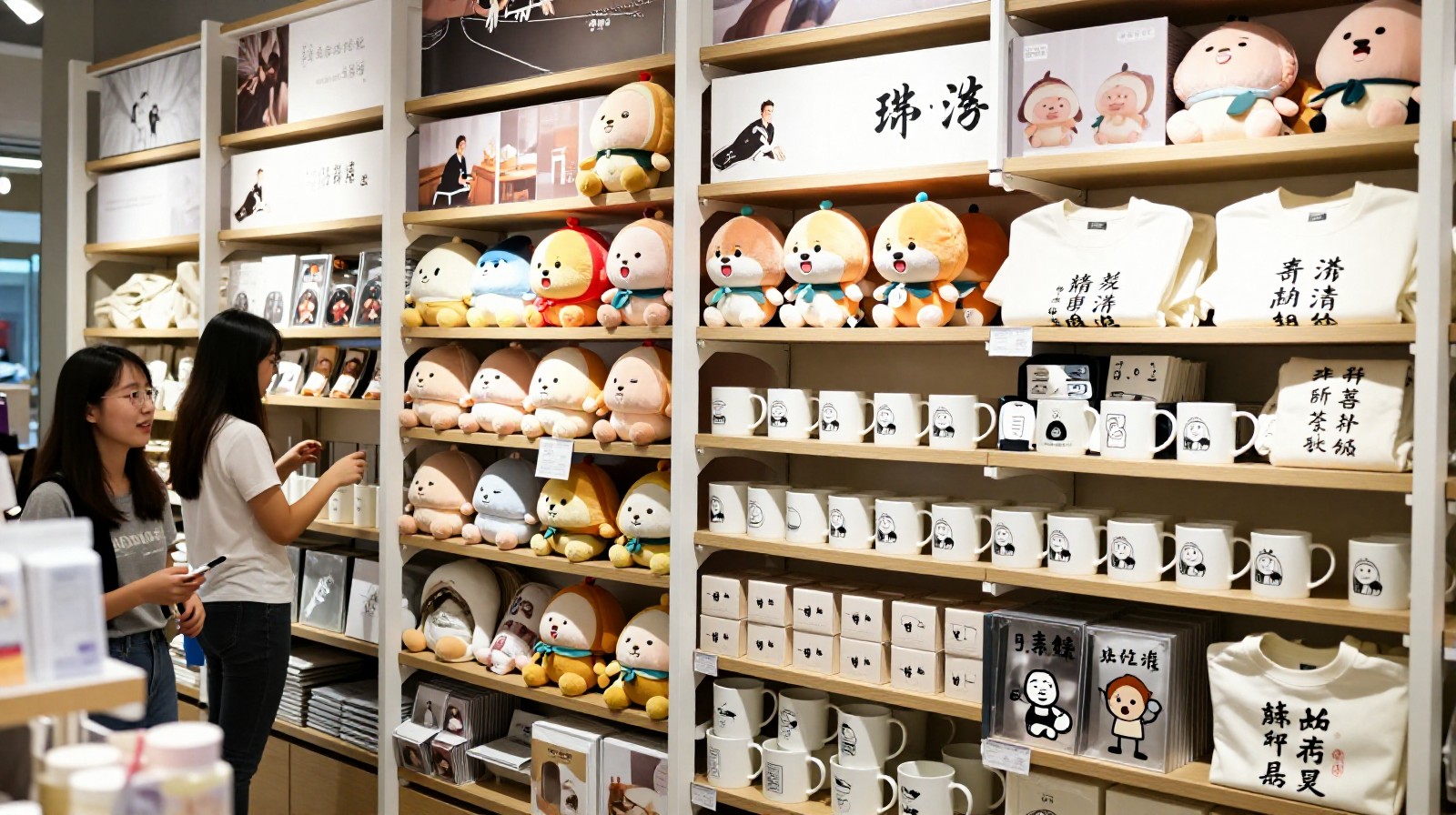
You’ll find memes of his face looking calm while chaos erupts around him, captions reading “Su Dongpo’s Advice for Monday Morning.” There are viral videos showing how to cook his famous dishes using modern appliances. Young people buy T-shirts with his calligraphy, not as a fashion statement, but as a talisman against stress.
Merchandise featuring Su has become a billion-yuan industry. You can find plush toys of him holding a bottle of wine, stationery with his poems printed on sticky notes, and even skincare products named after his philosophical views on life’s ups and downs.
A Mirror for Modern Anxiety
Why now? Why Su Dongpo?
The answer lies in the parallel between his exile and modern workplace burnout. In ancient times, being exiled meant losing your job, your home, and your social standing. Today, a young professional might face layoffs (“crashing out of the system”), gig economy instability, or the crushing pressure to buy a home.
Both situations involve a loss of control. But Su’s response was radical acceptance: “Wherever I go, that is my home.”
Psychologists and cultural critics note that this “Su Dongpo Spirit” offers a unique form of healing. It doesn’t promise success or wealth. Instead, it teaches how to find joy in the mundane—eating a bowl of noodles, admiring the moon, or chatting with neighbors.
“He makes me feel less alone,” says Lin again. “When I read his words from 1,000 years ago, I realize that my anxiety is not new. People have felt this way forever. And if he could laugh through it, maybe I can too.”

The Enduring Appeal of a Life Well-Lived
Su Dongpo’s legacy isn’t about perfect governance or literary perfection. It is about the art of living. He shows that even when life hands you lemons, you can make lemon wine, write a poem about the taste, and share it with strangers.
For Chinese youth navigating a complex, fast-changing world, Su Dongpo offers more than history lessons. He offers a roadmap for resilience. In a society obsessed with speed and achievement, his message is a quiet rebellion: slow down, eat well, and find your own happiness wherever you are.