

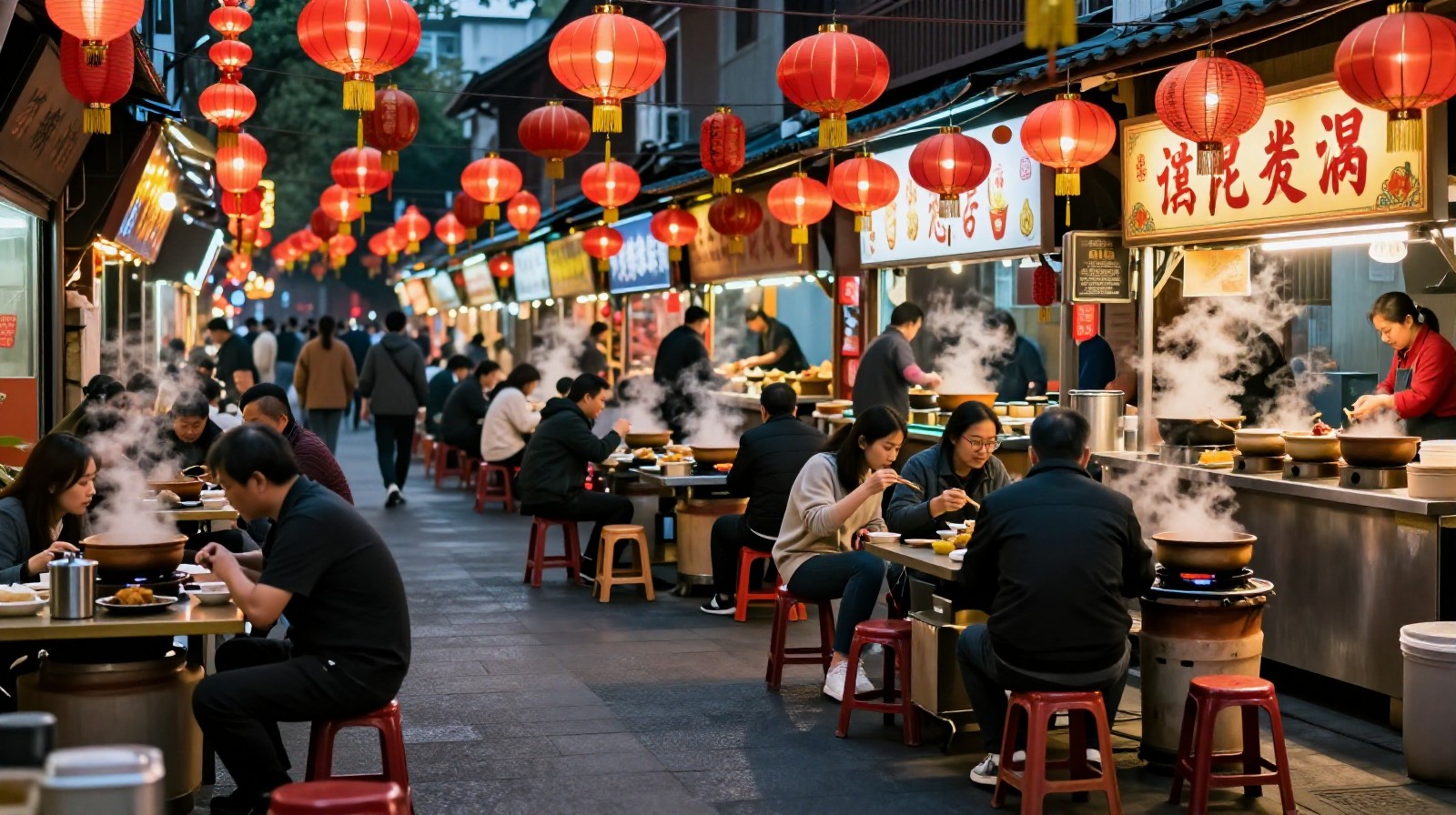
Stop Looking at the Map. Start Tasting It
You are standing in a busy alleyway in Chengdu, or maybe a quiet noodle shop in Xi’an. You don’t need a GPS to know where you should go next. The air is thick with the scent of Sichuan peppercorns, or perhaps just steamed wheat dough and broth. In China, the most reliable travel itinerary isn’t drawn on a map; it’s written by your appetite.
Many foreign visitors approach China as if they need to check off every province on an official list. They worry about missing a famous landmark or trying a specific “national dish.” But here is the secret: Chinese food culture isn’t organized by borders. It’s organized by geography, climate, and centuries of local survival strategies.
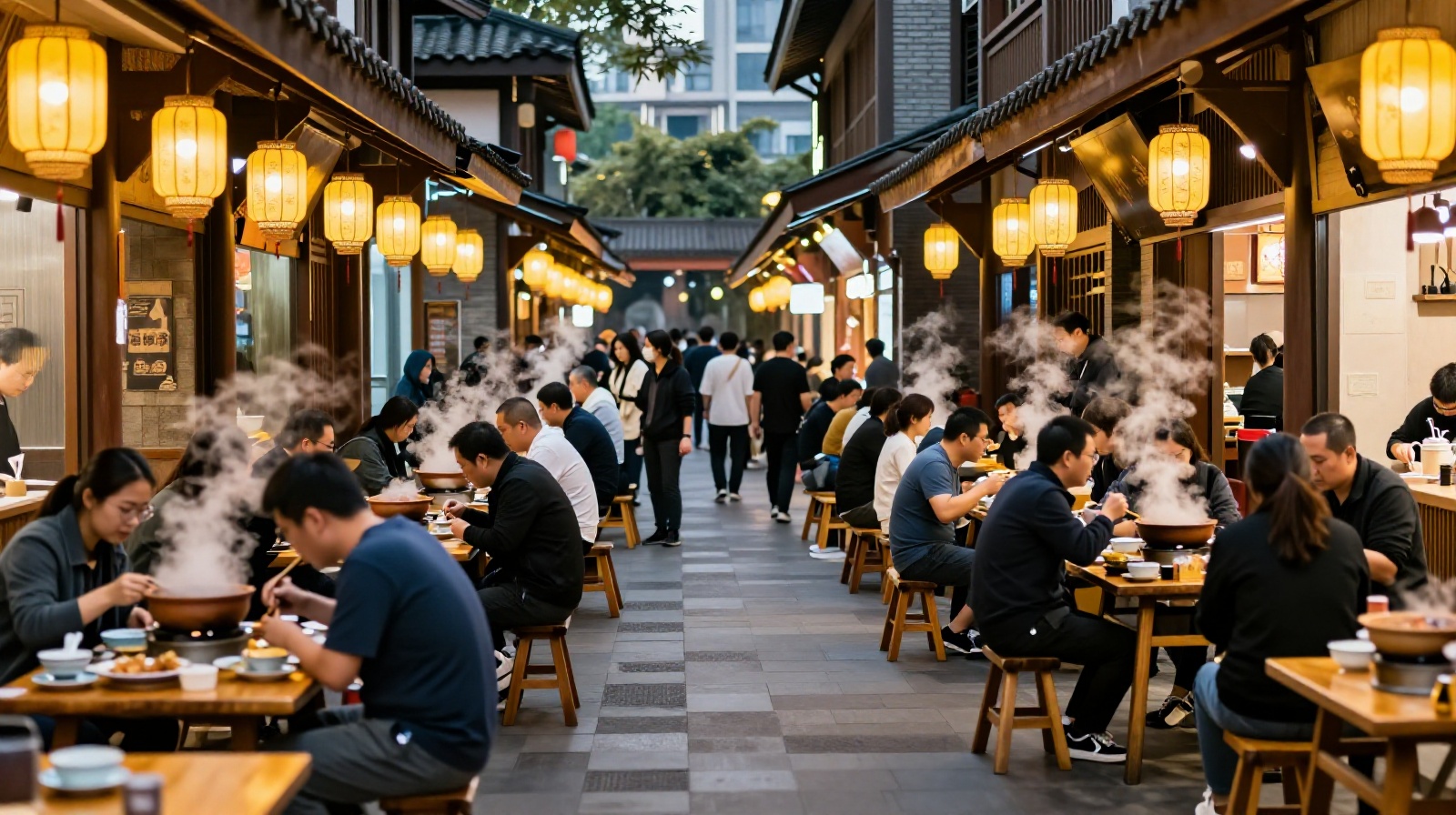
A bustling night market in Chengdu with steam rising from clay pots and locals sharing small tables.
Why Geography Tastes Like Flavor
To understand Chinese food, you have to look at the land. Take Sichuan and Chongqing, for example. Located in a basin surrounded by mountains, this region is humid and foggy year-round. Locals discovered that heavy spices—especially chili and numbing Sichuan peppercorn (hua jiao)—helped dry out dampness and stimulate appetite. This isn’t just about “spicy food”; it’s an ancient adaptation to the climate.
In contrast, head south to Guangdong or Fujian. The heat here demands fresh ingredients that don’t spoil quickly. Cantonese cuisine emphasizes natural flavors, light soups, and steaming to preserve the texture of seafood and vegetables. In the north, where winters are freezing, you find hearty dishes like lamb stews and thick noodles designed to provide energy and warmth.
Your Itinerary: A Journey from Spice to Sweet
Imagine a three-week trip that ignores provincial capitals in favor of flavor clusters. You start in Chengdu. Don’t just go to the touristy spots for Mapo Tofu. Instead, hop on a metro at 8 AM and find a hole-in-the-wall shop where locals eat spicy beef brisket noodles before work.
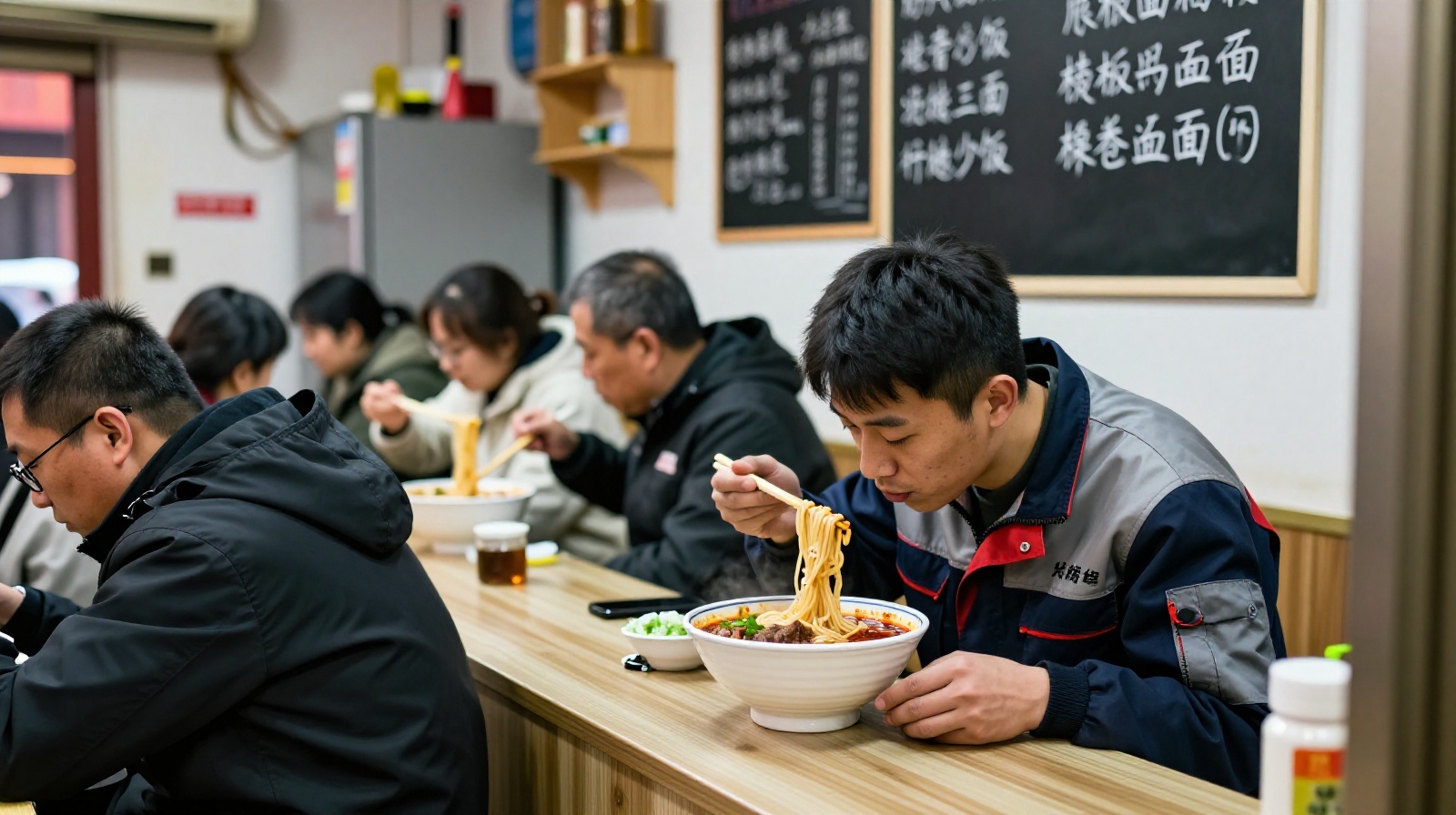
A young local worker eating spicy beef noodles at a small, crowded counter in Chengdu.
Then, take the high-speed train south to Guangzhou. The change is immediate. The air feels different, and so does the food culture. Here, breakfast isn’t just coffee; it’s “Yum Cha” (tea time), where families gather around round tables filled with dim sum baskets. You might try a steamed rice roll or fried dough sticks.
Finally, head west to Lanzhou. The landscape turns arid and the air dries out. Your stomach will guide you to the famous beef noodle soups that are clear, savory, and topped with fresh coriander and chili oil. Each stop offers a different lesson in how people live.
Detecting the “Tourist Trap” vs. The Local Canteen
How do you know if a restaurant is for locals? There are no signs saying “For Tourists Only.” Instead, look at the clues. First, check the queue. If there’s a line of people waiting outside in their work clothes, that’s your signal. Second, look at the menu. Is it only in English and Chinese with pictures of giant portions? Or is it handwritten on a chalkboard in local dialects?
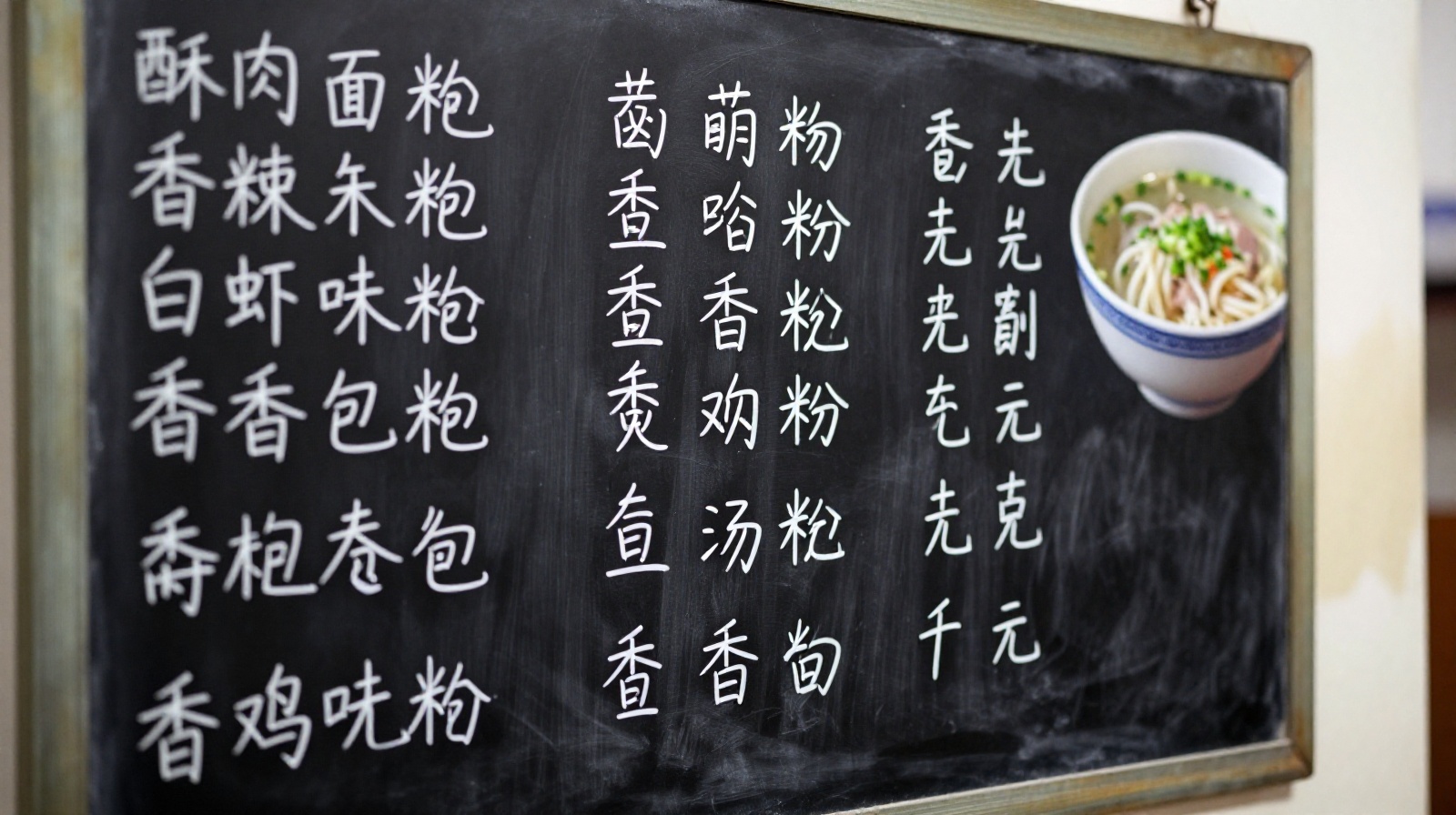
A handwritten menu on a chalkboard in a busy noodle shop in Lanzhou.
Third, observe the diners. Are they using chopsticks with speed and confidence? Is there a mix of ages, from elderly grandparents to young office workers? A true local spot often has no air conditioning but is packed with families. If you see tourists taking photos of every dish while waiting for service, you might be in the wrong place.
Food as a Cultural Bridge
Eating in China is rarely just about filling your stomach. It’s a social ritual. In the south, sharing dishes family-style reflects a culture of community and harmony. In the north, loud laughter and clinking glasses over bowls of alcohol show a direct, warm hospitality.
When you sit down with strangers at a small plastic table in Xi’an to eat Roujiamo (Chinese hamburger), you aren’t just eating; you are participating in a conversation that has happened there for thousands of years. You might not speak the same language, but the smell of grilled meat and soft bread speaks universally.
Put Away Your Guidebook
The ultimate way to experience China is to let your hunger be your compass. Don’t stress about finding the “best” restaurant according to a website. The best meal might be the one you find by following the smell of frying dough or seeing a line of people waiting in the rain.
China is vast, complex, and constantly changing. But its food culture remains rooted in the same truths: adaptation, community, and the joy of sharing. So, pack your appetite, leave the strict itinerary at home, and let your stomach guide you through the real stories of this country.