
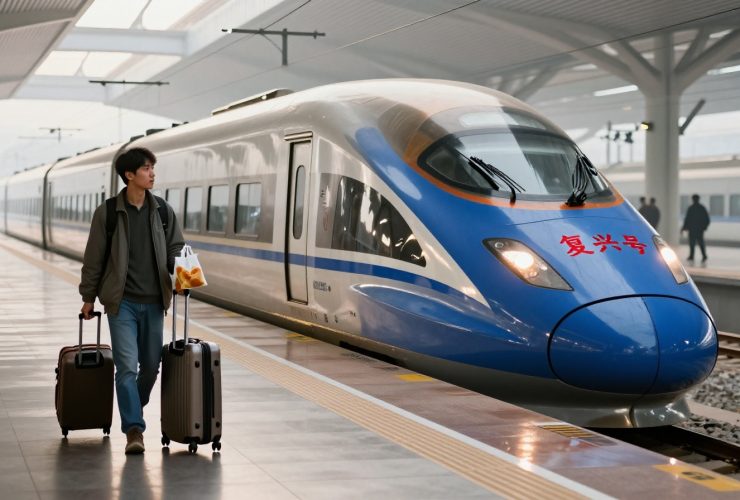
Forget the distant future; it's here. A commuter travels from Beijing to Shanghai on a high-speed train in under four hours, bridging two mega-cities with a ticket price that feels like a local bus fare. This is how everyday life has changed across China.
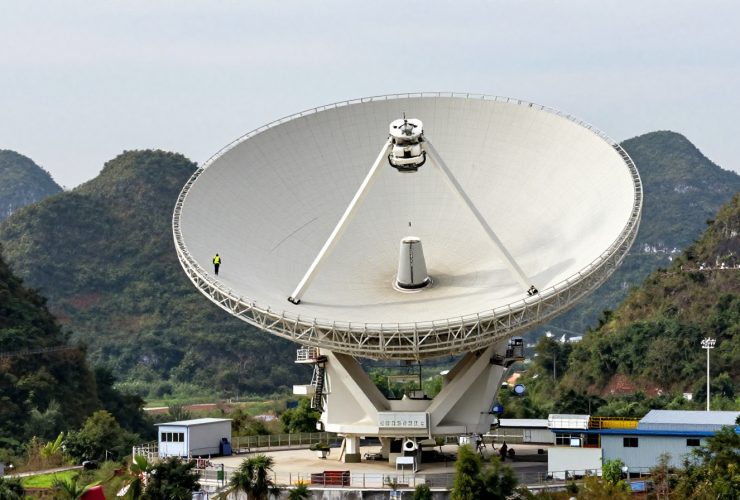
Deep in the mountains of Guizhou, a massive steel bowl listens to the universe. Beyond the search for extraterrestrial life, FAST is transforming local infrastructure and offering real-world solutions for weather and geology.
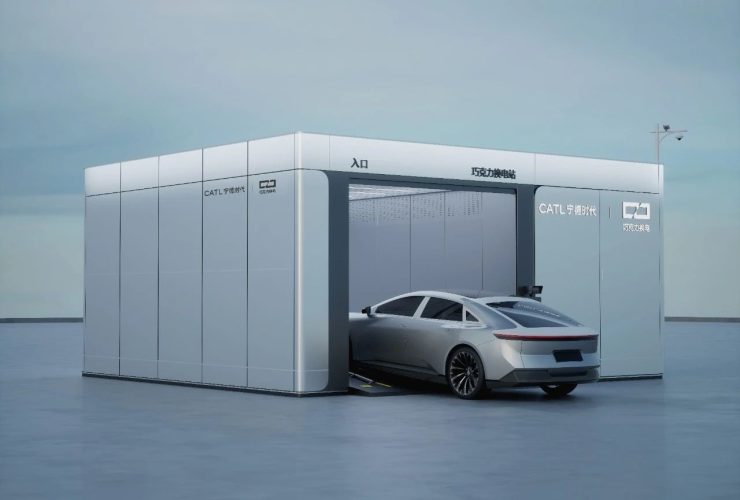
Forget the hour-long wait at a charging pile. In Shenzhen, taxi drivers swap depleted batteries for full ones in under three minutes. This is how China is redefining electric vehicle infrastructure.
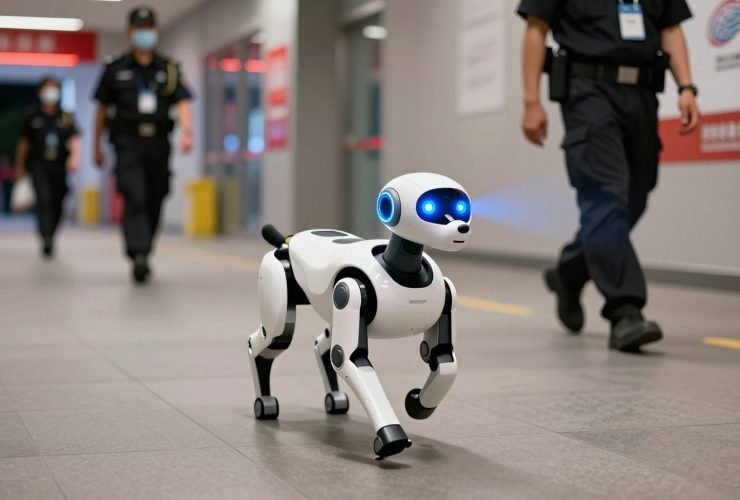
Forget Hollywood sci-fi. At the Asian Games, robotic dogs patrol quietly alongside human guards. See how AI sensors and thermal cameras are reshaping public safety in China's smart cities.
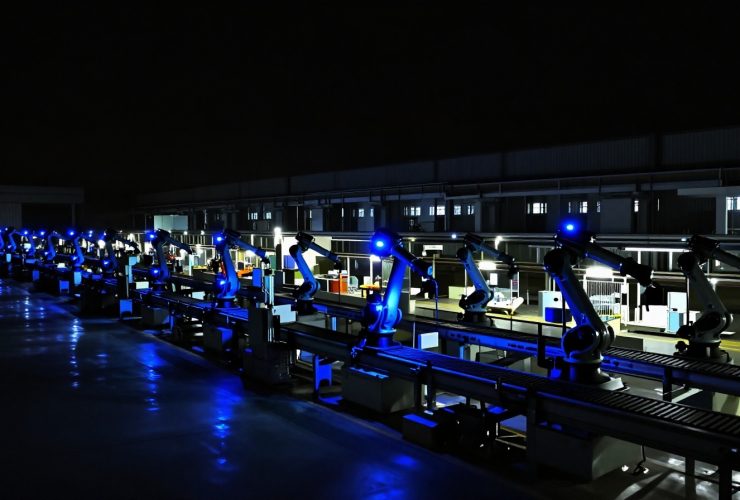
Step into a factory where the lights are off, yet production never stops. This is the 'Lights-Out' revolution in China, driven by AI and robotics to solve labor shortages and boost efficiency.

Imagine sipping fresh hot tea and eating a steaming bowl of local noodles while traveling at 217 mph (350 km/h) across China. For millions of passengers, this isn't sci-fi; it's the daily reality of 'high-speed rail delivery.' This article explores how technology connects distant stations to your window seat.
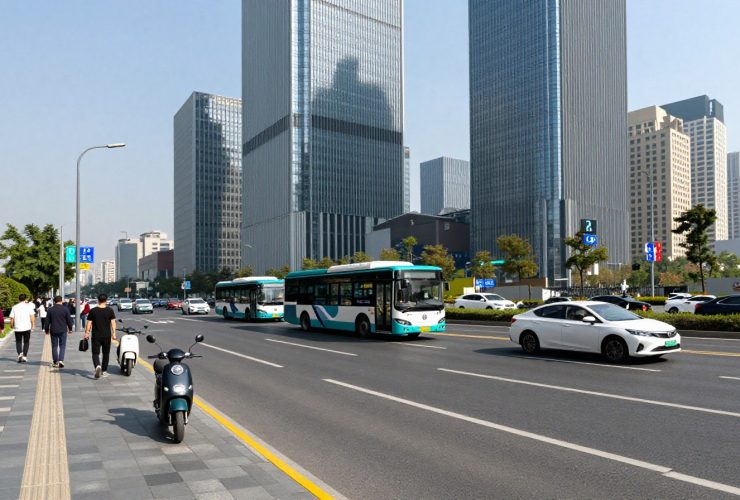
Ten years ago, Beijing's smog was a daily reality. Today, electric buses glide silently and neighborhoods sort waste with precision. This is not just policy; it is a market-driven transformation reshaping how ordinary Chinese live, work, and breathe.
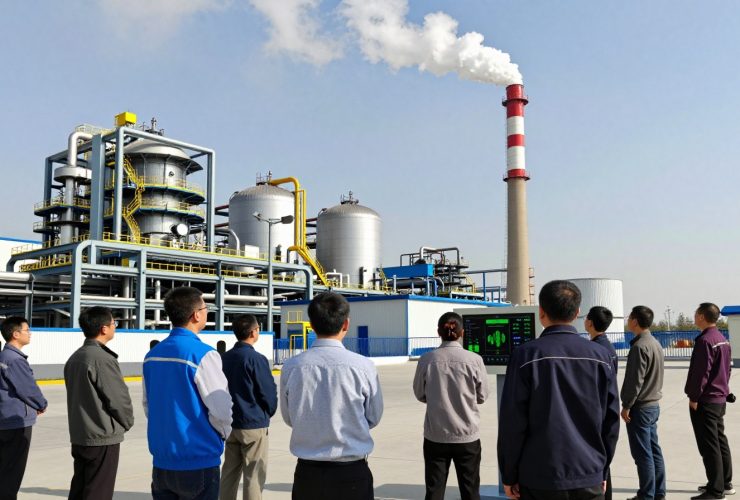
How a 79-year-old nuclear scientist turned waste management around by applying atomic reactor precision to trash incineration, solving the dioxin crisis and turning cities' mountains of garbage into power plants.
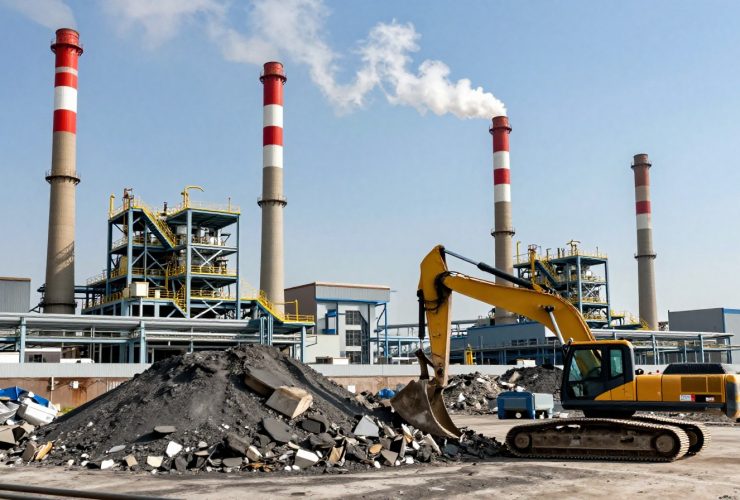
China's waste-to-energy plants are so efficient at sorting trash that they now face a shortage. To keep the lights on, operators are digging up old landfills from ten years ago in a desperate search for fuel.
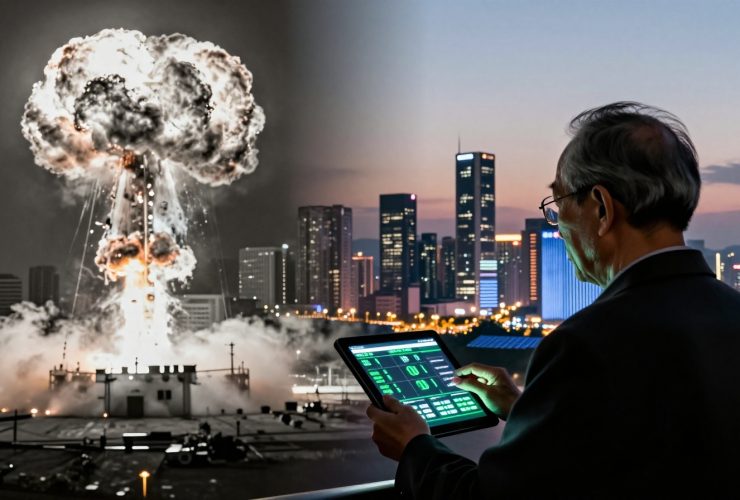
At 79, academician Du Xiangwan left his work on nuclear weapons to tackle a massive pile of trash. By applying atomic reactor technology to garbage incineration, he solved a global pollution problem and proved that waste can be a city's greatest asset.