
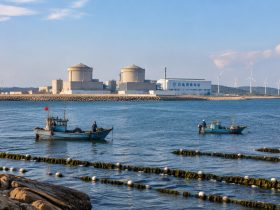
On a stretch of coast in Shandong, two small reactors behind one turbine have been selling power since December 2023 — the first Generation IV nuclear ...
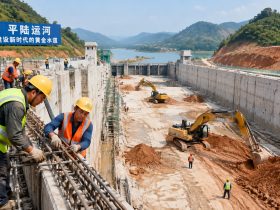
China is building the Pinglu Canal and studying a much longer Zhejiang-Jiangxi-Guangdong waterway. Here is what these projects change, who they affect, and what is still ...
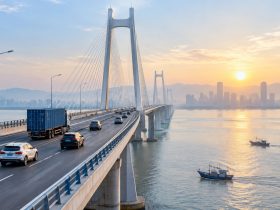
China’s newest bridges are not postcards. They are commute times, freight schedules and weekend plans. A field guide to the cross-sea and cross-river crossings reshaping daily ...

The Beijing-Shanghai High-Speed Railway runs 1,318 km in as little as 4 hours 18 minutes, with trains every few minutes and roughly 80% of the route ...
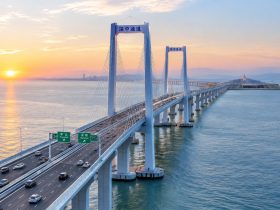
Opened in June 2024, the Shenzhen-Zhongshan Link cuts travel time across the Pearl River Estuary from two hours to 30 minutes. Here's how its bridge, artificial ...
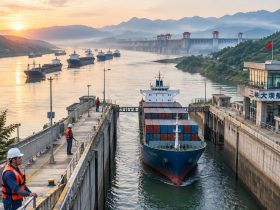
A look at why China is building a new shipping channel at the Three Gorges, what it means for Yangtze River logistics, and how the project ...
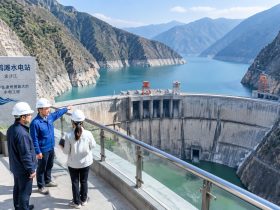
On the Jinsha River, 16 turbines each generate 1,000 megawatts — the largest single-unit capacity in the world. Here’s how Baihetan works, why it was hard ...

A light switch in Jinan, a turbine turning 1,000 kilometres west in Gansu. Inside the Longdong–Shandong ±800 kV project, and why China ended up with the ...

China's first batch of desert wind and solar bases totals about 97 gigawatts. In Kubuqi, that means sheep grazing under solar panels, sand being held in ...
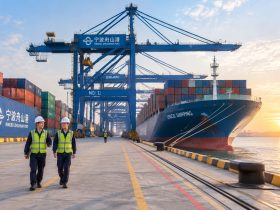
Ningbo-Zhoushan Port became the first port in the world to top 900 million tonnes of cargo in a year. This article explains the geography, the difference ...