

Introduction: A Shift in the Wind
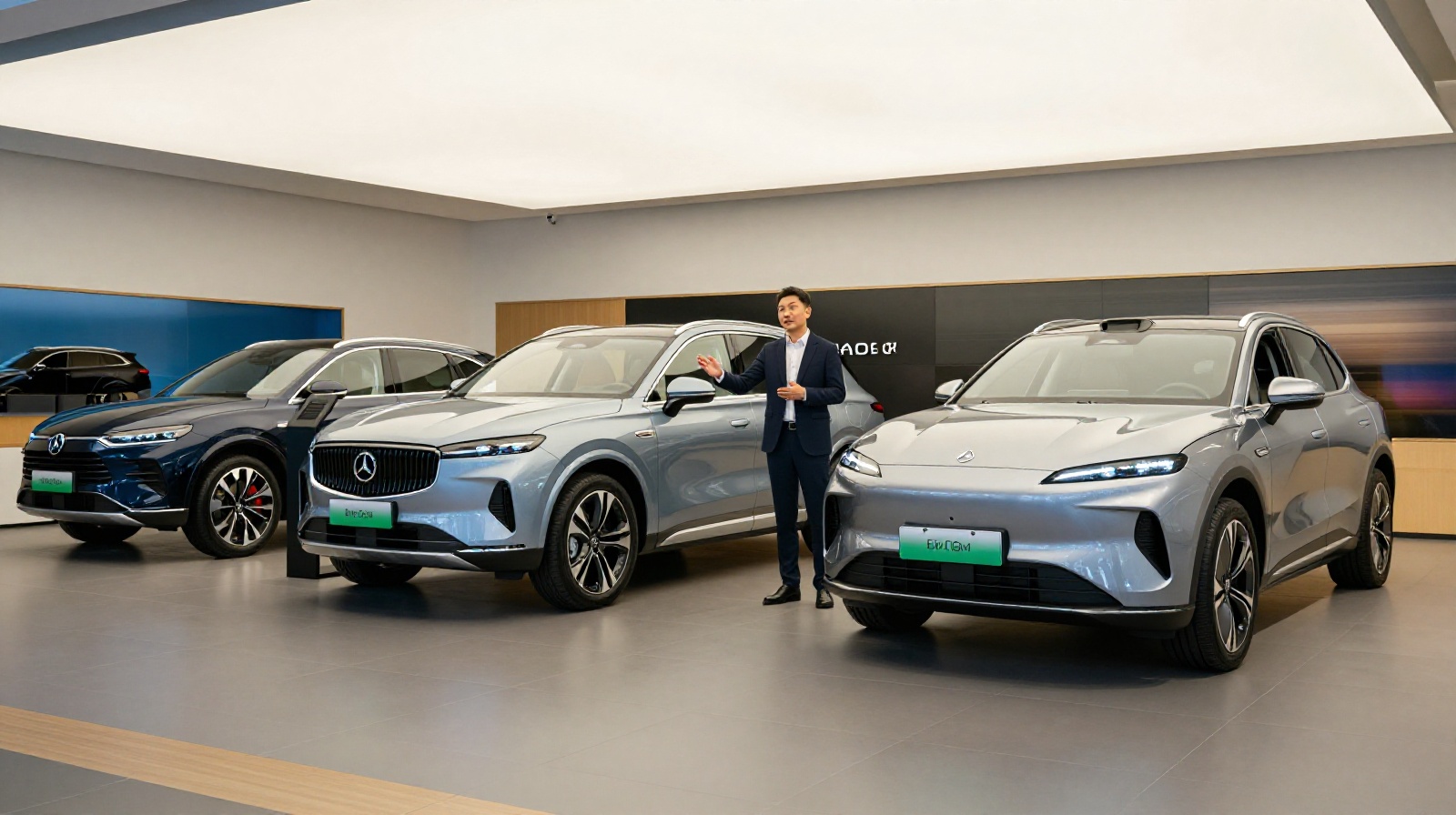
In a bustling showroom in Munich, a salesperson gestures toward a sleek electric SUV. “This car,” he says, pointing to a European badge, “takes three years to design and costs nearly $60,000.” He then turns to a Chinese-made competitor parked next door. “That one was designed in 18 months, features a rotating screen, and sells for less than half the price.” The silence that follows isn’t awkward; it’s the sound of an industry realizing its playbook is being rewritten.
The fear gripping European automakers is not imaginary. Over the last five years, Chinese electric vehicles (EVs) have transformed from budget curiosities into global powerhouses. In 2023 alone, China exported over two million EVs, a number that dwarfs the total production of many traditional European giants. For cities like Stuttgart and Wolfsburg, this isn’t just about losing market share; it is an existential threat to their century-old industrial identity.
The Tech Gap: Speed, Batteries, and Intelligence
Europeans built cars for durability; the Chinese are building them like smartphones. The core of this anxiety lies in the speed of iteration. A European luxury sedan might take 48 months to go from concept to dealership. In Shanghai or Shenzhen, a similar model can be developed in under two years.
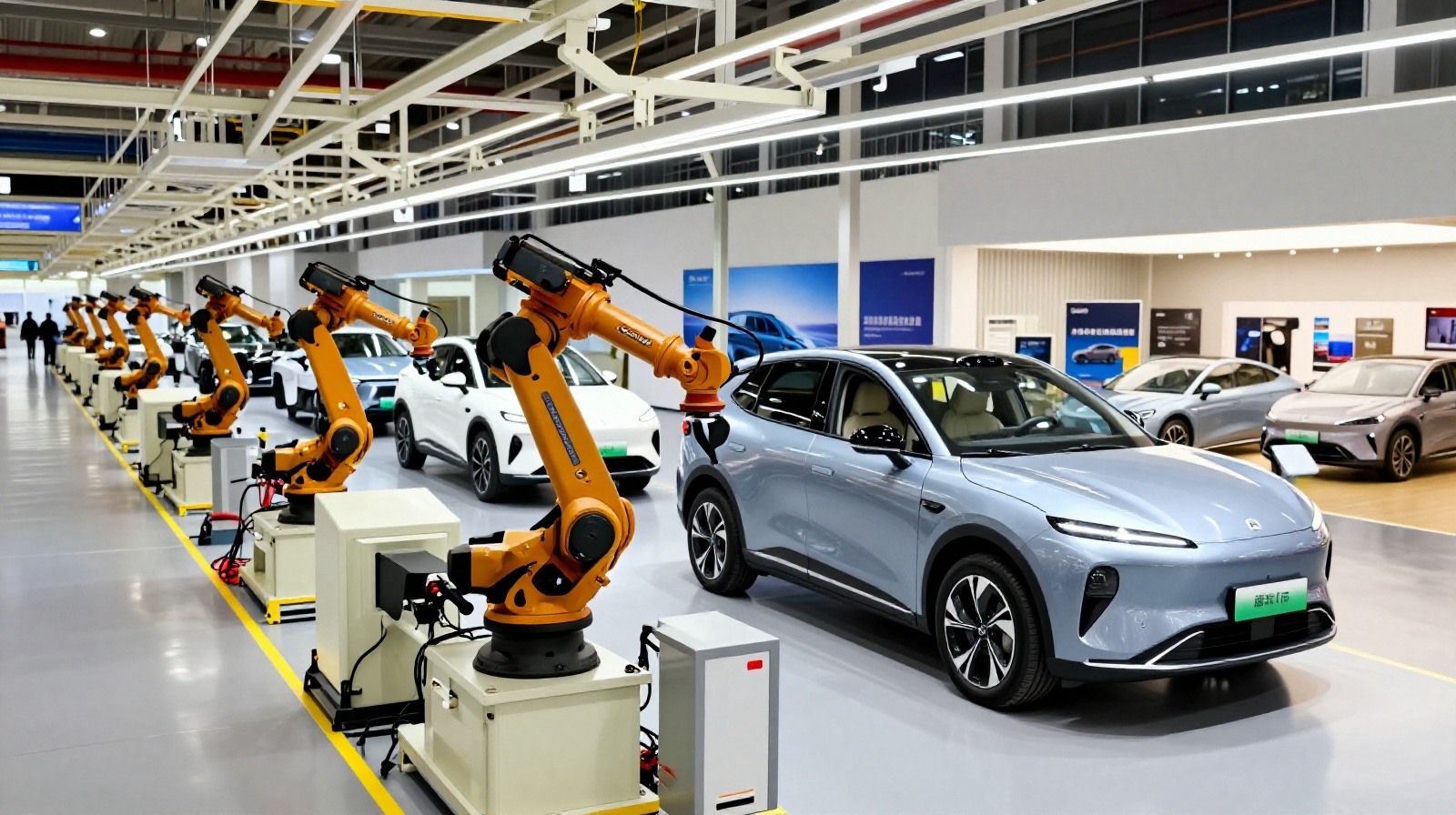
This rapid cycle is powered by an integrated supply chain that Europe struggles to replicate. While European factories often wait weeks for specific components, Chinese manufacturers have batteries, chips, and software teams all within the same industrial park. Take CATL, the world’s largest battery maker. Their cells are not just cheaper; they are more energy-dense and charge faster. This cost advantage allows Chinese brands like BYD to offer vehicles with 600-kilometer ranges for prices that would only cover the battery of a rival European car.
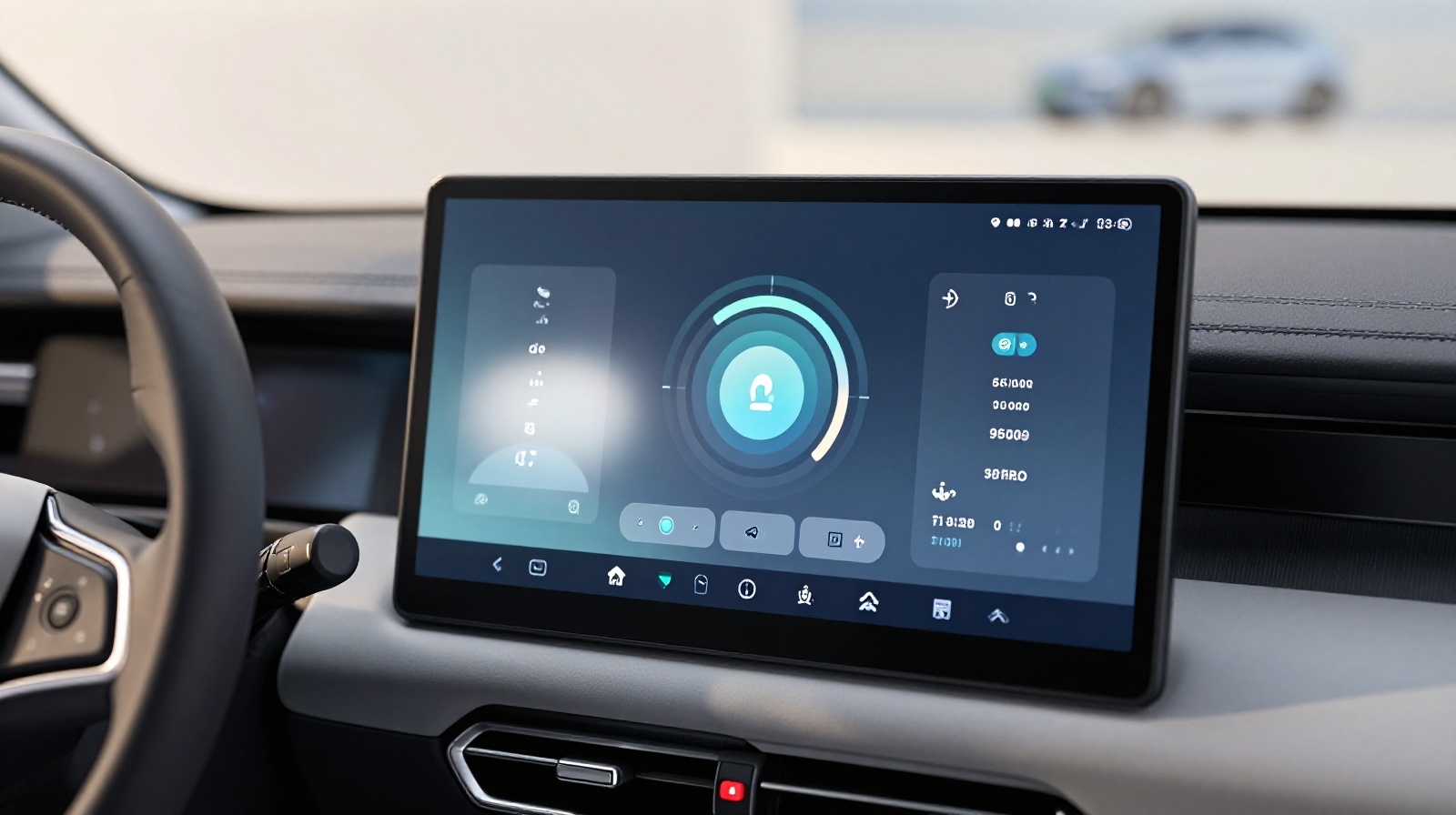
Furthermore, the “intelligence” gap is widening. In Beijing’s tech hubs, software engineers work alongside mechanical designers. The result is cars that feel like apps on wheels—constantly updated via over-the-air (OTA) updates, with voice assistants in perfect Mandarin and AI-driven autonomous driving features that are already being tested in real traffic.
The Price War: Supply Chain as a Weapon
When European brands talk about “value,” they often mean quality craftsmanship. When Chinese competitors speak of price, they mean the sheer efficiency of their ecosystem. China controls roughly 70% of global lithium battery processing and holds dominant positions in rare earth mineral refining.
This vertical integration means that when raw material prices drop, Chinese EV makers pass those savings to consumers almost immediately. European manufacturers, burdened by higher labor costs and fragmented supply chains across multiple countries, cannot match this agility. The result has been a brutal price war. Models like the MG4 or BYD Seal are not just selling well; they are forcing competitors to slash prices while still maintaining thin margins.
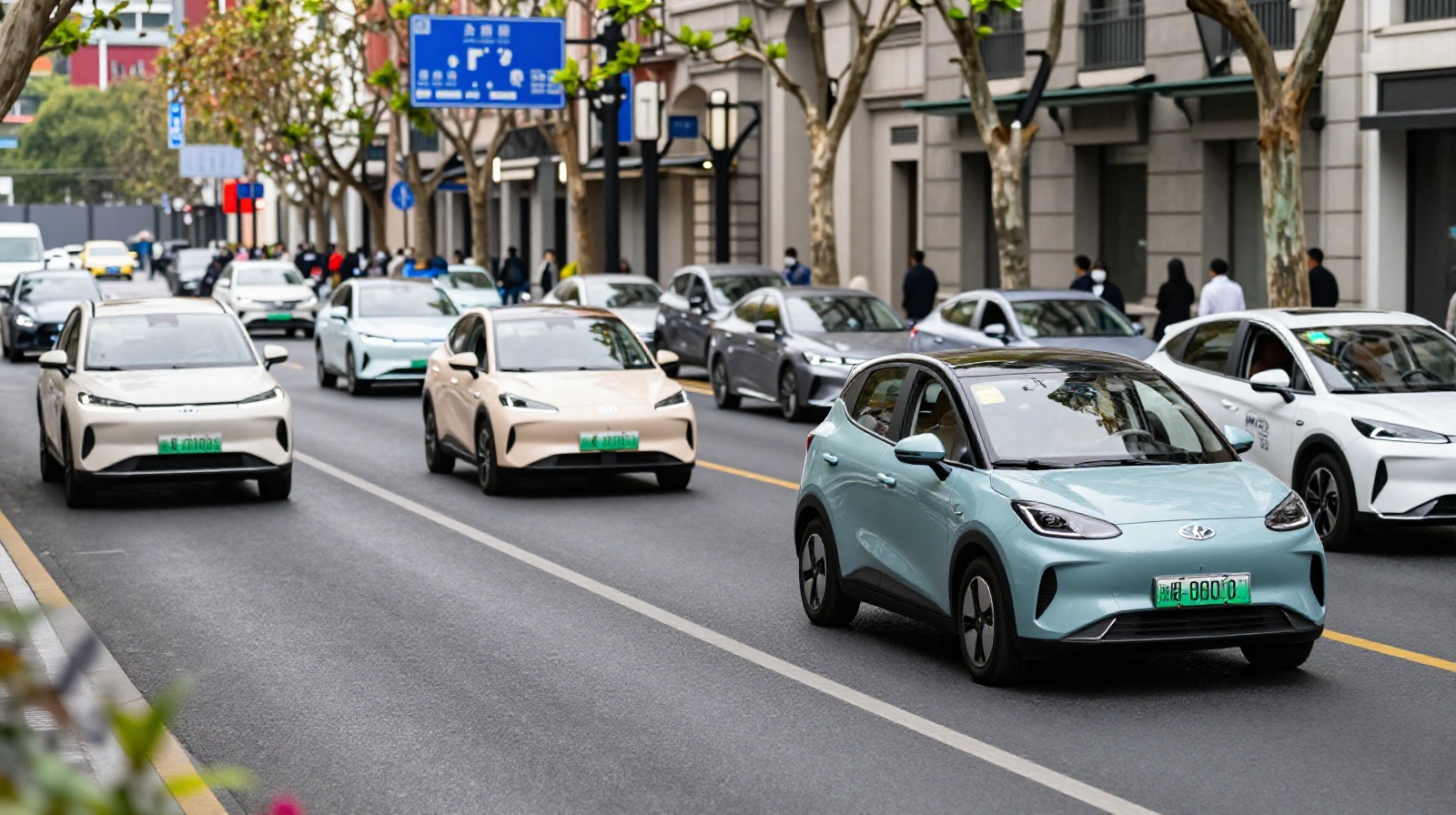
In cities from Berlin to Paris, consumers are noticing. A middle-class family can now buy a high-tech Chinese EV with premium leather seats and a 500-mile range for the same price as a basic European compact car with a fraction of the tech. This shift has turned the automotive market into a battleground where speed and cost efficiency have replaced heritage.
Market Reaction: Tariffs and Political Games
The response from Brussels and Berlin has been swift, but it feels more like panic than strategy. The European Union recently launched anti-subsidy investigations into Chinese EVs, signaling a potential 10% to 40% tariff increase. While framed as “fair trade,” many industry analysts see it as a desperate attempt to buy time for domestic manufacturers who are struggling to catch up.
Tariffs might slow down the influx of affordable cars, but they won’t stop the underlying trend. If Chinese companies build factories in Hungary or Mexico, these tariffs become irrelevant. Moreover, European consumers are already voting with their wallets. Despite political rhetoric, sales of affordable EVs continue to surge because the technology gap is simply too wide to ignore.

The Future: Adaptation or Obsolescence?
European automakers face a critical choice. Some are attempting to copy the Chinese model by investing heavily in battery gigafactories and software divisions. Others are retreating into their traditional stronghold of ultra-luxury, hoping that heritage alone will protect them.
The reality is stark: the center of gravity for the automotive industry has shifted. The era where Europe dictated the rules of car manufacturing is ending. The new rules are written in Chinese cities, driven by data, speed, and cost efficiency. For European brands, the question is no longer “Can we compete?” but “How fast can we transform before we become obsolete?”
The fear is justified because the change is not just about cars anymore; it is a fundamental restructuring of global industrial power. The Chinese EV wave has shown that in the age of electrification, being first or having the best brand name doesn’t matter as much as being the fastest to market.