

The Supermarket Paradox: A July Winter?
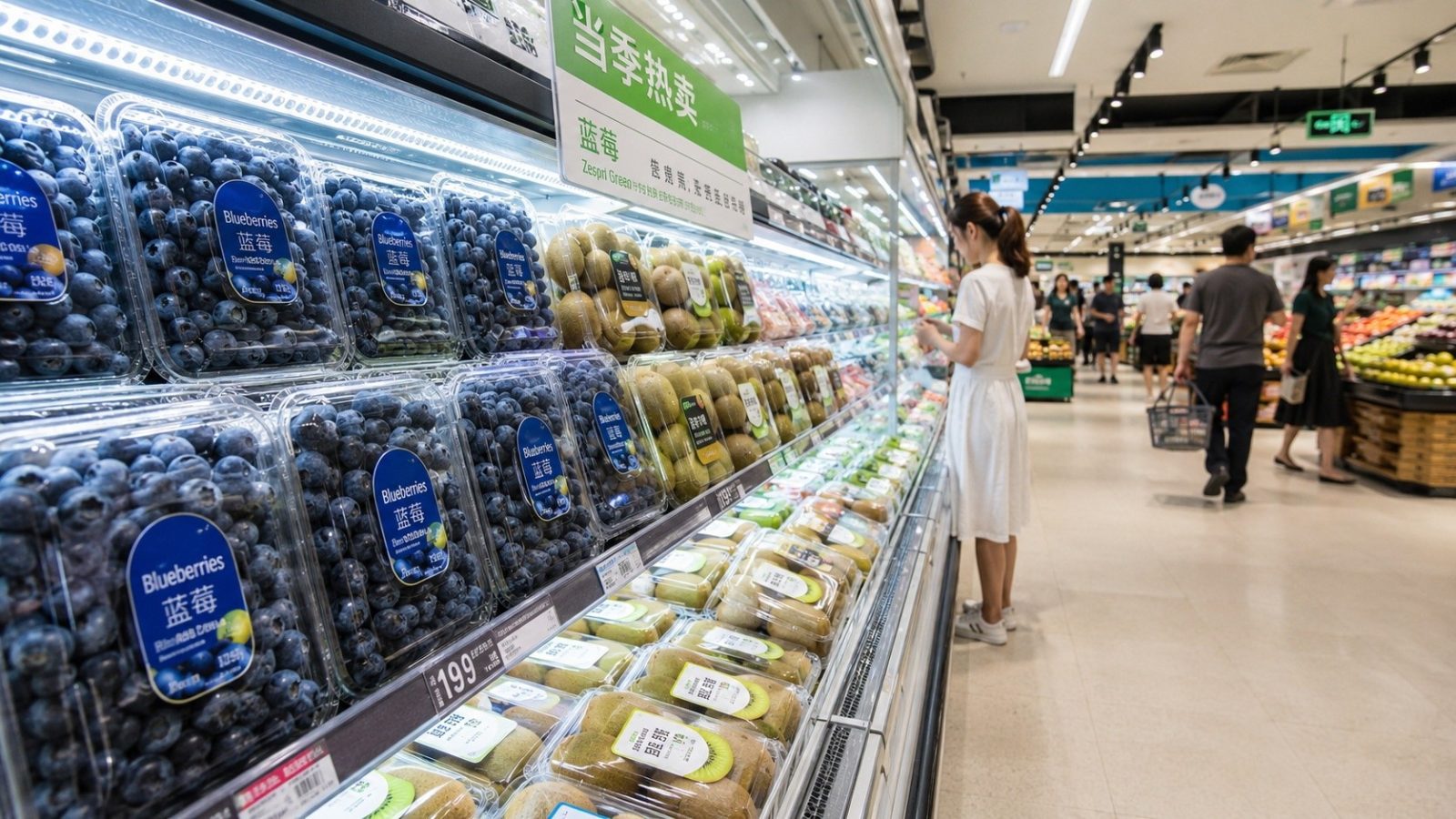
It is 35 degrees Celsius outside in Shanghai. The air is thick, sticky, and smells of exhaust fumes and street food grease. But step inside a Hema Fresh supermarket in the Jing’an district, and the temperature drops to a crisp 18 degrees. More strikingly, your senses are tricked by time.
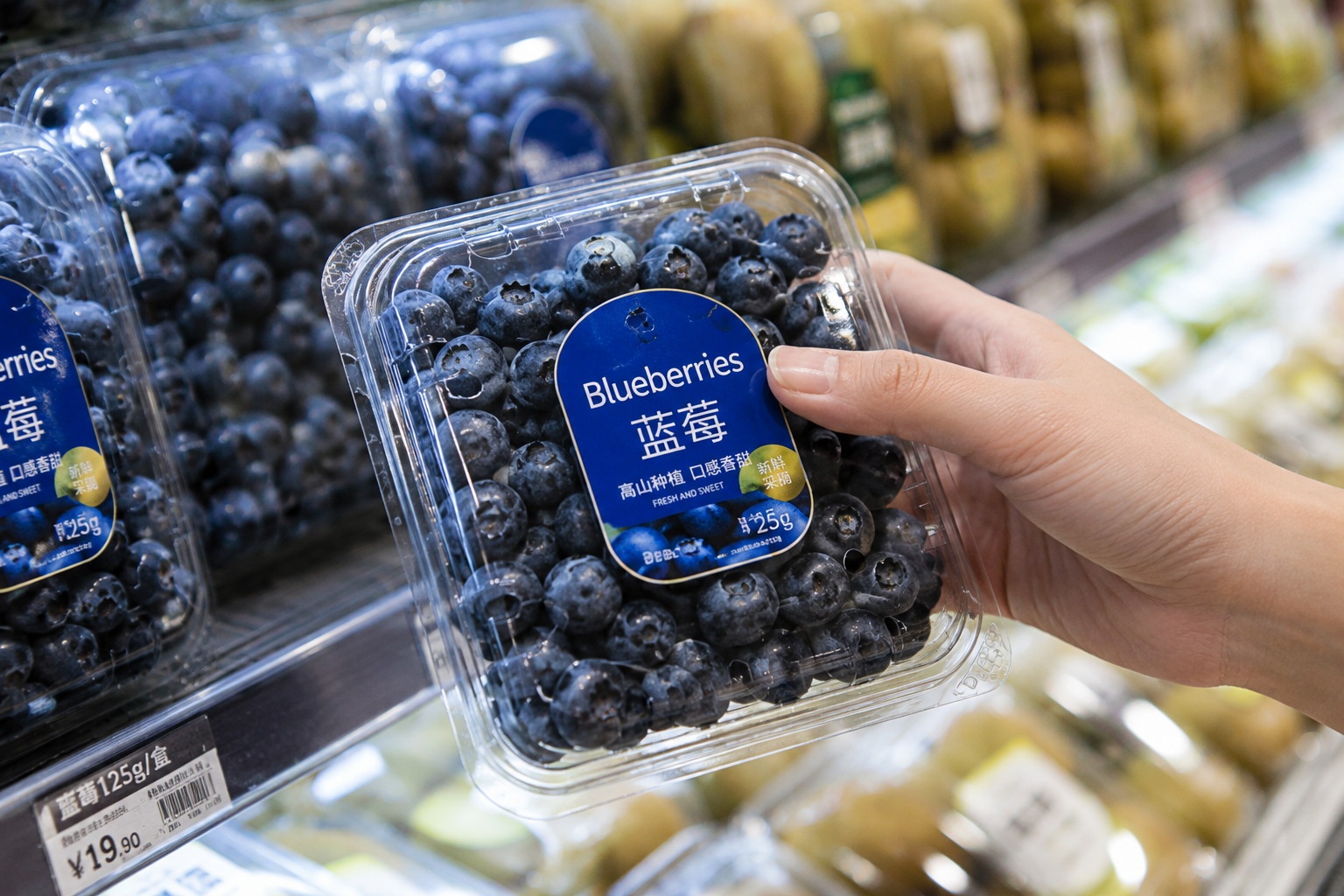
On a bright, refrigerated shelf, stacks of deep blue berries glisten under LED lights. Next to them, fuzzy brown kiwis sit in neat rows. You check the date on your phone: July 15th. In the natural calendar, this is peak summer. But here, in the aisles, it feels like a mild autumn. A young woman picks up a box of blueberries, checks the expiration date—still three weeks away—and places it in her basket without hesitation.
This visual shock is common for anyone who has lived in China for more than five years. Twenty years ago, fruit was strictly seasonal. You ate strawberries in June, peaches in August, and tangerines in December. If you wanted a kiwi, it was a rare treat, often imported at a premium price and sold with a “imported” label that felt like a luxury badge.
Today, that badge has faded. Kiwis and blueberries are no longer exotic luxuries; they are grocery staples. The question isn’t why they are there, but how they got here so quickly, so cheaply, and in such perfect condition.
From Remote Farms to Urban Fridges
To understand this phenomenon, you have to trace the journey of a single blueberry. Let’s start in Yunnan Province, over 2,000 kilometers away from Shanghai. Here, at an altitude of 2,000 meters, the sun is strong, and the air is thin. It is the perfect environment for growing high-acid, sweet blueberries.
But geography used to be a barrier. In the past, moving perishable goods across China’s vast terrain meant slow trucks, rough roads, and high spoilage rates. A blueberry picked in the morning might arrive in the city bruised and mushy by evening.
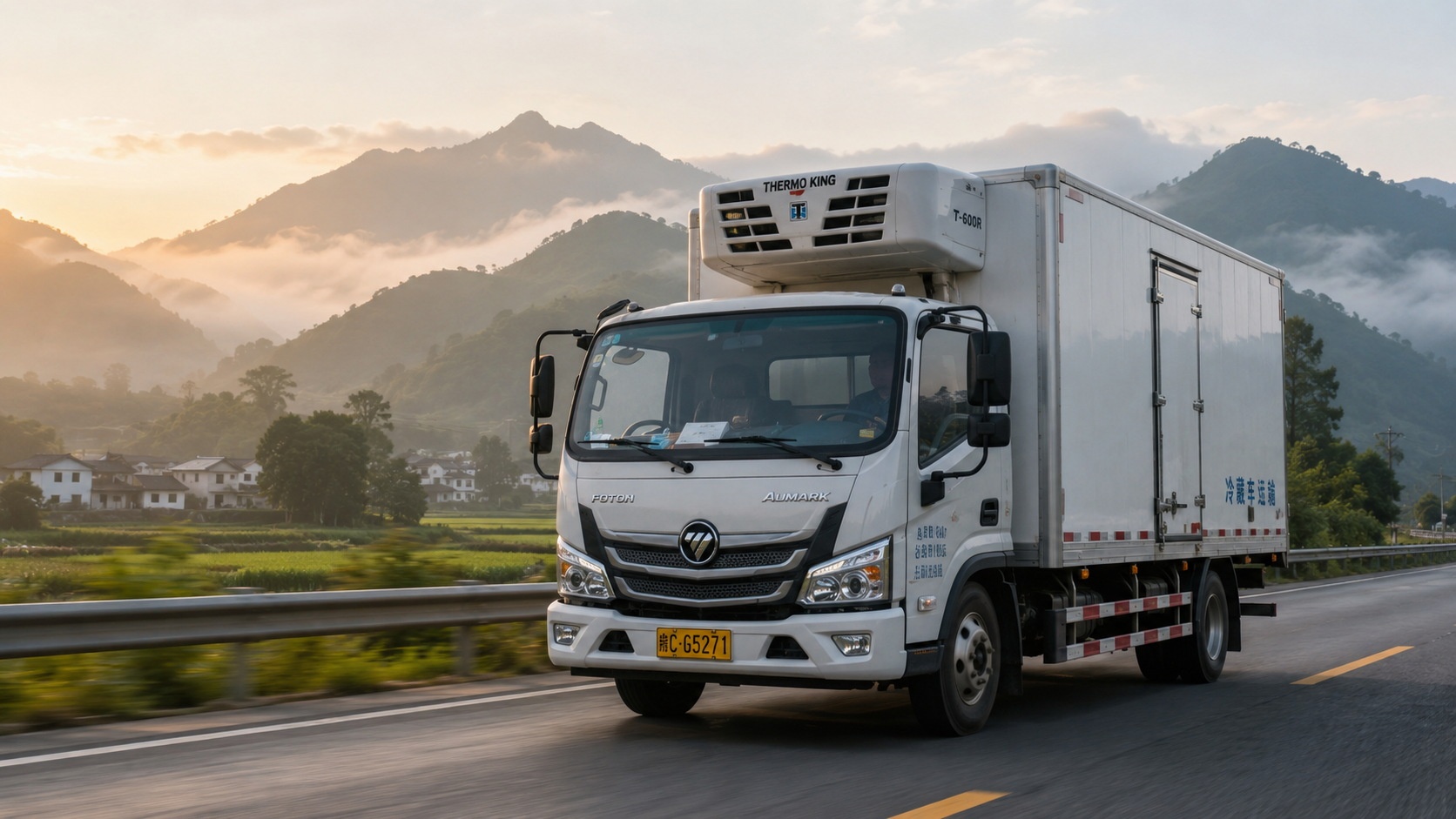
That changed with the construction of what experts call China’s “cold chain logistics” network. This is not just about refrigerated trucks; it is a complete ecosystem. It includes pre-cooling facilities at the farm gate, temperature-controlled storage warehouses, and specialized transport vehicles equipped with GPS and real-time temperature monitoring.
Today, a blueberry harvested in Yunnan can be cooled within hours of picking. It travels on a dedicated cold chain truck, maintained at a constant 0-2 degrees Celsius. By the time it reaches a distribution center in Shanghai—often less than 24 hours later—it is still firm, crisp, and fresh. The distance hasn’t changed, but the perceived distance has collapsed.
The “Silent Revolution” of Infrastructure
This efficiency is not accidental. It is the result of a massive, state-supported investment in supply chain infrastructure over the last decade. While global headlines often focus on high-speed rail for passengers, another network has been expanding quietly: the logistics grid.
Rural revitalization policies have encouraged farmers to move from traditional crops like rice and corn to high-value fruits. But without a way to get these goods to market, the investment would fail. The government and private companies built the roads, the ports, and the digital platforms that connect rural farms directly to urban consumers.
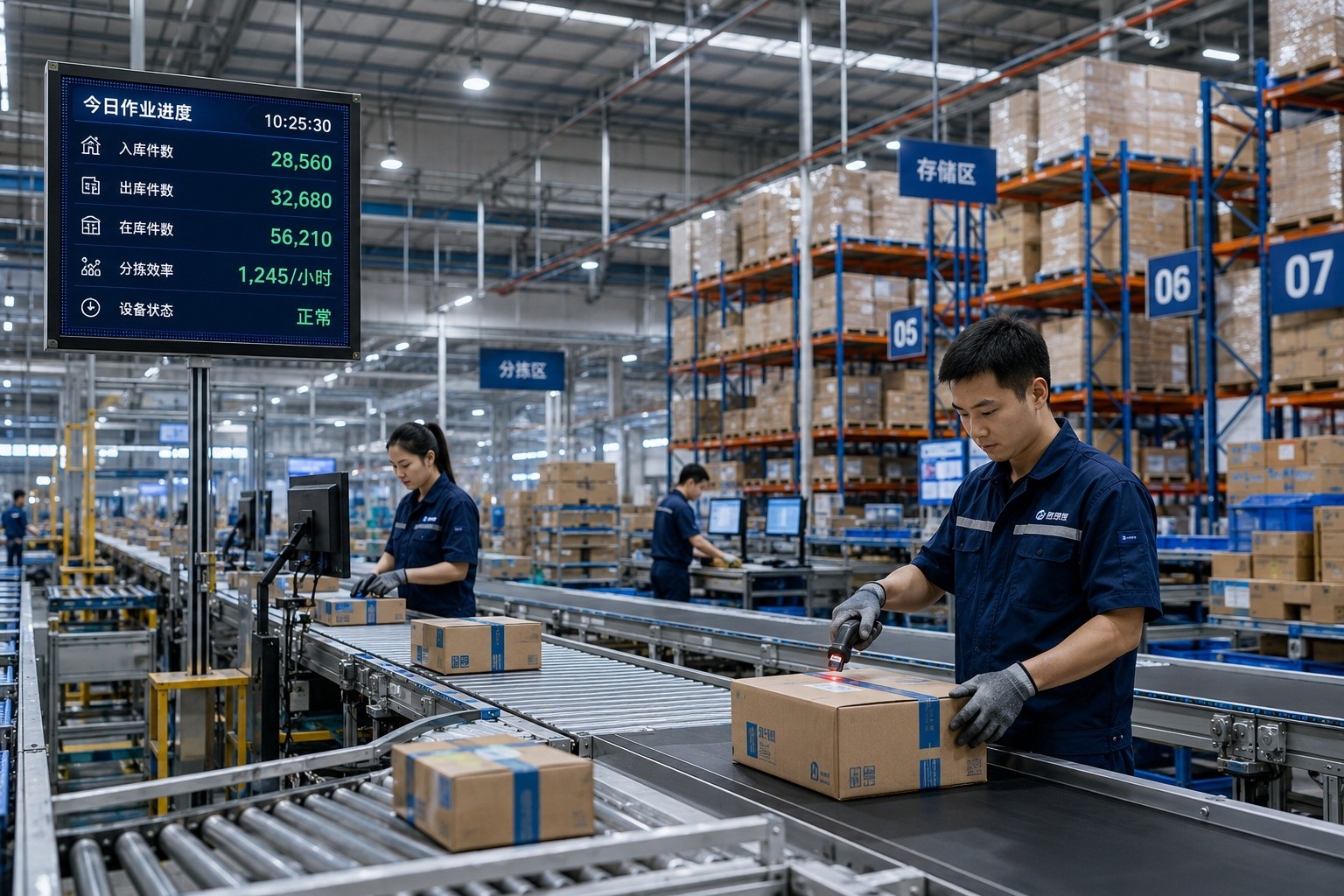
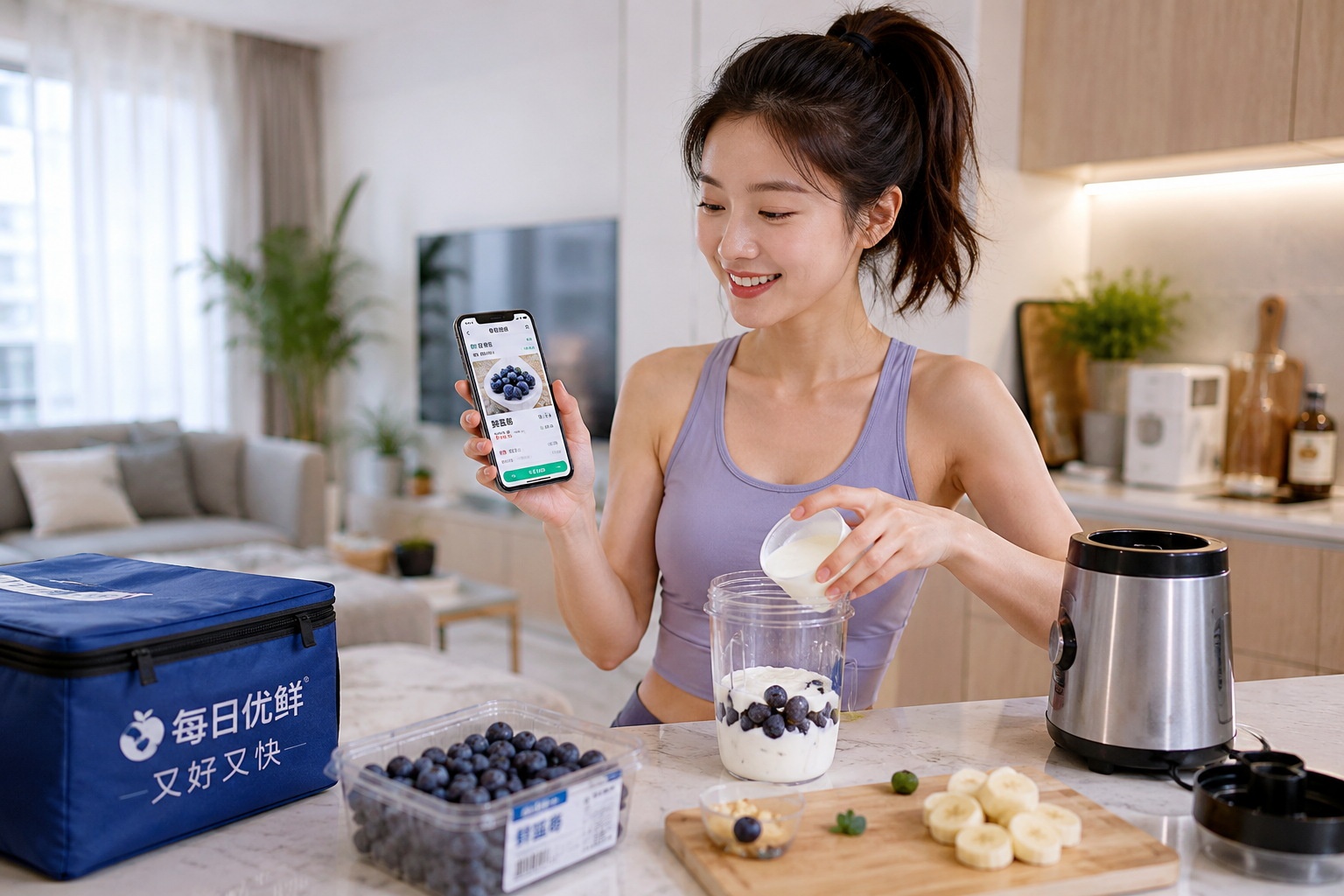
Consider the role of digital integration. Apps like Meituan and Pinduoduo allow consumers in Tier-1 cities to order fruit directly from cooperative farms in remote provinces. The algorithm matches supply with demand, optimizing routes to ensure freshness. A family in Beijing can receive kiwis grown in Shaanxi Province within 48 hours, bypassing multiple layers of middlemen who used to add cost and delay.
This is a “silent revolution” because it happens in the background of daily life. We don’t see the trucks or the servers, but we feel the result in our shopping baskets. The democratization of fresh produce means that a factory worker in Shenzhen can eat the same quality of blueberries as a tech executive in Beijing.
More Than Just Fruit: A Shift in Lifestyle
The availability of year-round fresh produce reflects a deeper shift in Chinese consumer behavior. For decades, the primary concern was “eating enough.” Today, the focus is on “eating well.” This is driven by rising disposable incomes and a growing middle class that prioritizes health and convenience.
Young Chinese consumers are particularly influenced by global trends. They watch fitness influencers on Xiaohongshu (Little Red Book) who recommend blueberries for their antioxidant properties. They care about food safety and traceability. The ability to buy premium fruit year-round allows them to maintain these lifestyles regardless of the season.
However, this abundance also brings challenges. The demand for out-of-season fruit encourages intensive farming practices, which can strain local water resources. There is also the environmental cost of long-distance transport and excessive packaging. As consumers become more aware, there is a growing conversation about sustainable sourcing and reducing food waste.
A Global Lens on Local Reality
For outsiders, the sight of summer kiwis might seem like a trivial detail. But it is a tangible entry point into understanding modern China. It shows how technology, infrastructure, and policy can converge to reshape daily life.
It also highlights the scale of China’s internal market. With 1.4 billion people, even small efficiencies in logistics translate into massive economic impact. The “cold chain” is not just a technical term; it is a lifeline that connects the rural countryside to the urban sprawl, binding the country together through the simple act of sharing a meal.
So, are seasons obsolete? No. Nature still dictates when apples ripen in Xinjiang or how long persimmons stay on the tree. But human ingenuity has built a bridge over nature’s limitations. In Chinese supermarkets, we don’t just buy fruit; we buy time, distance, and efficiency. And in that crisp, cold berry, we taste the reality of contemporary China: connected, fast, and constantly changing.