

Introduction: The Disconnect Between Expectation and Reality
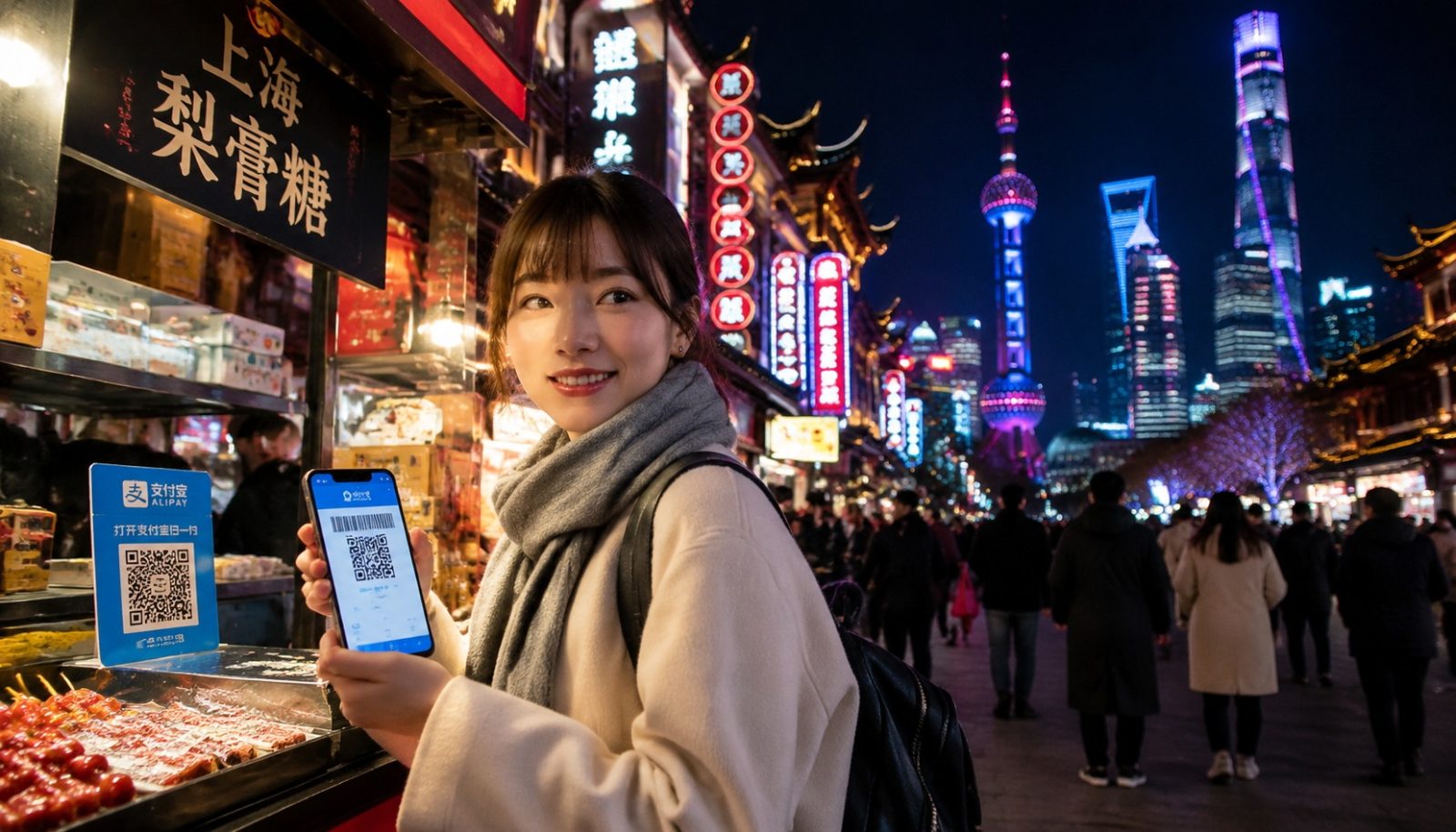
When Kenji Tanaka, a 34-year-old office worker from Tokyo, boarded his flight to Shanghai last spring, he was prepared for an ‘inconvenient’ trip. Friends warned him about air pollution, chaotic streets, and the lack of basic services. He packed cash, a portable Wi-Fi device, and even a pocket-sized translation book. But within 24 hours of landing, he texted his wife: ‘I feel like I’ve been lied to.’
Kenji’s sentiment is surprisingly common among Japanese tourists returning from China – and it’s not because they were misled by travel brochures. It’s because the China they see on Japanese news and social media often portrays a struggling, outdated nation, while the real China hums with a vibrancy and convenience that rivals – and often surpasses – Japan in areas like digital payments, logistics, and nightlife.
Cashless Society: The Shock of Not Needing a Wallet
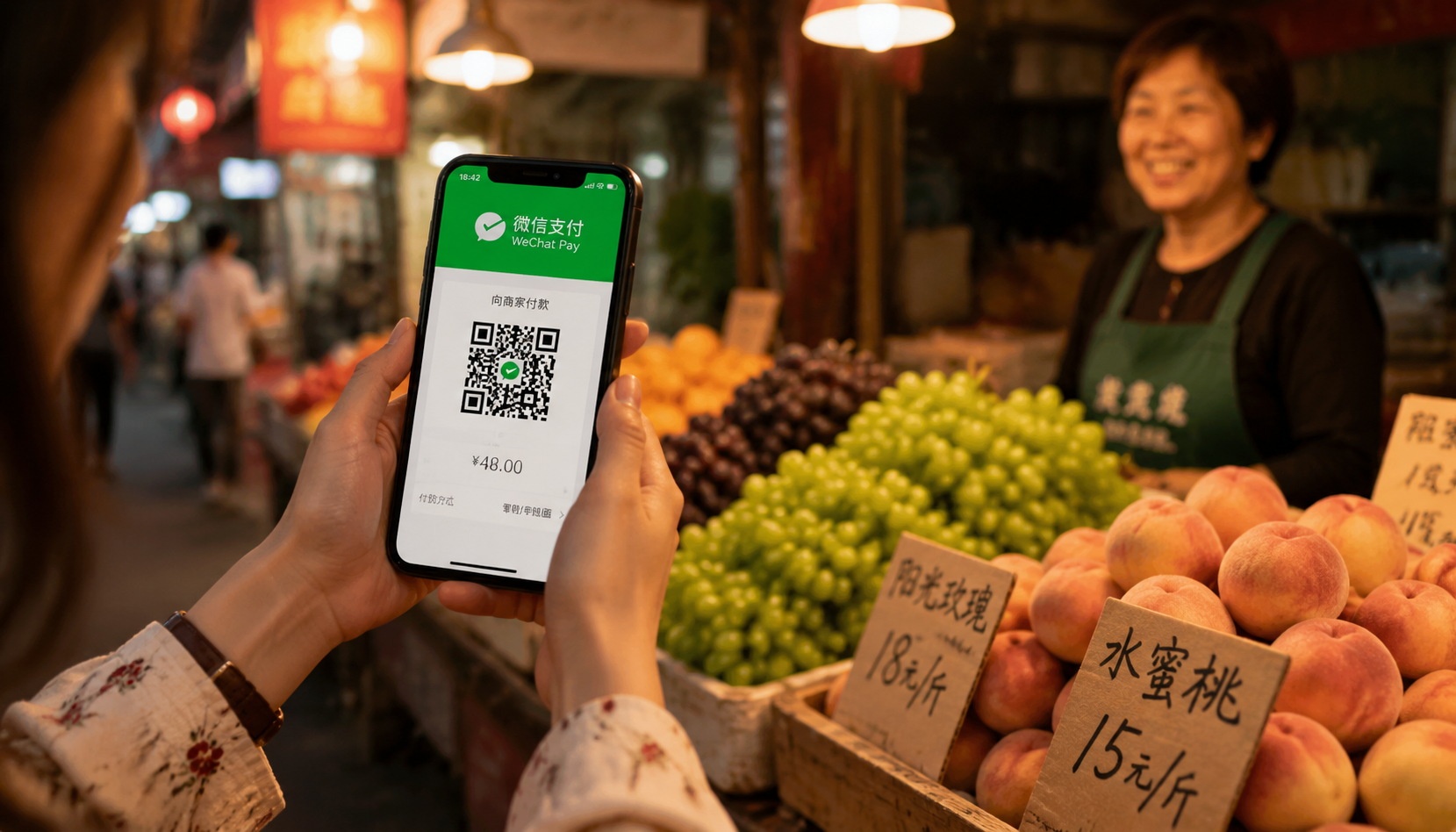
The first shock for Kenji came at a tiny street-side fruit stall near his hotel. He tried to hand over a 100-yuan note, but the seller pointed to a QR code. With no local payment apps, Kenji panicked – until a young woman behind him scanned her phone and paid for him. ‘You can pay me back with WeChat later,’ she said in broken English. Kenji later downloaded Alipay and found he could pay for everything from bubble tea to subway tickets without a single bill.
This is not an isolated story. China’s mobile payment penetration exceeds 86% of urban transactions, far ahead of Japan’s cash-heavy culture. For Japanese visitors, the absence of coins and the ease of splitting bills with a QR scan is a daily revelation.
Midnight Deliveries and Super-Speed Logistics
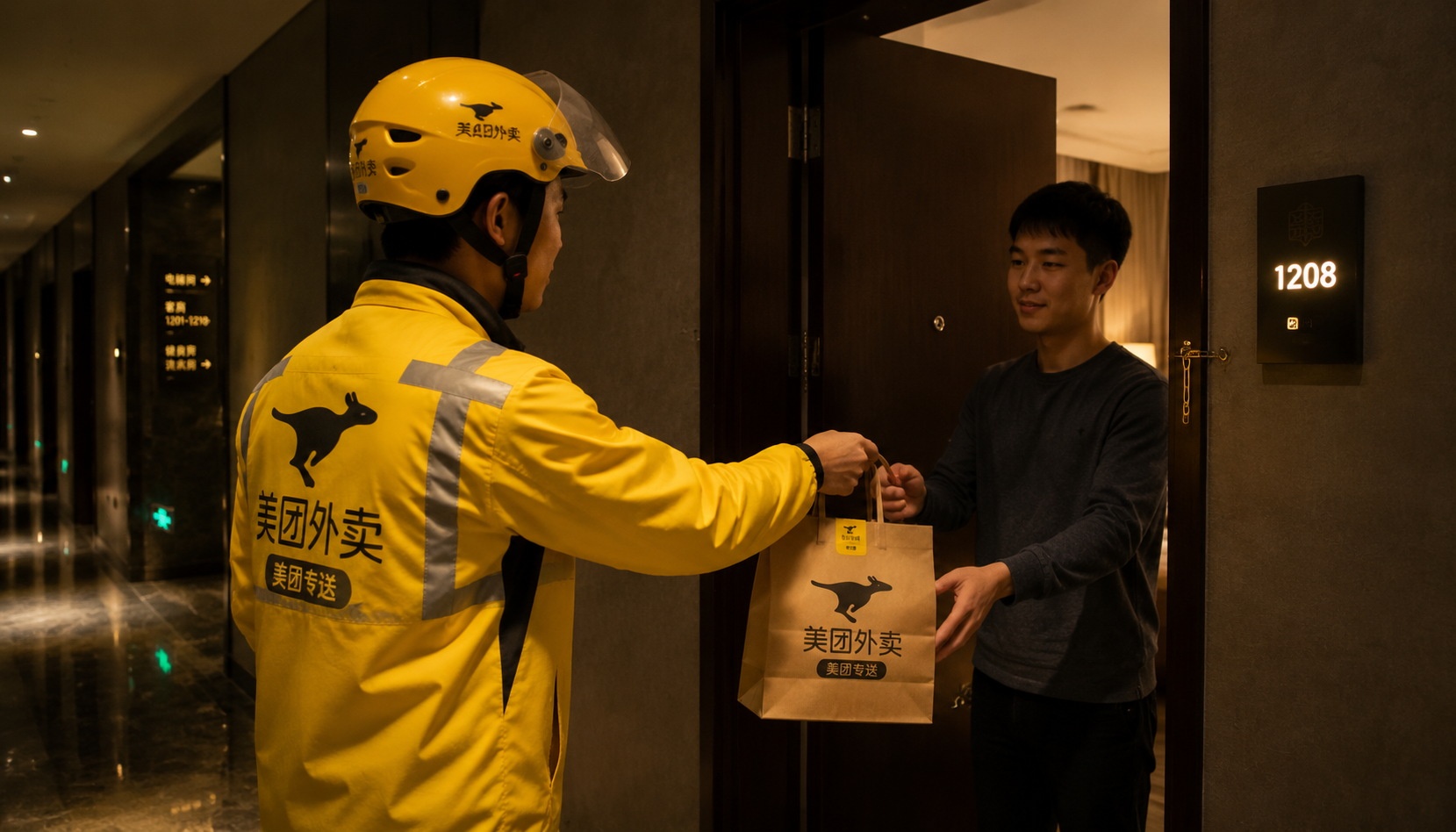
Another jaw-dropper: Kenji ordered a phone charger at 1 a.m. via an app called Meituan, and it arrived at his hotel room in 30 minutes. ‘In Tokyo, convenience stores don’t even deliver after midnight,’ he recalled. China’s instant delivery ecosystem, fueled by millions of riders and sprawling warehouse networks, has turned ‘anytime, anywhere’ into a mundane reality.
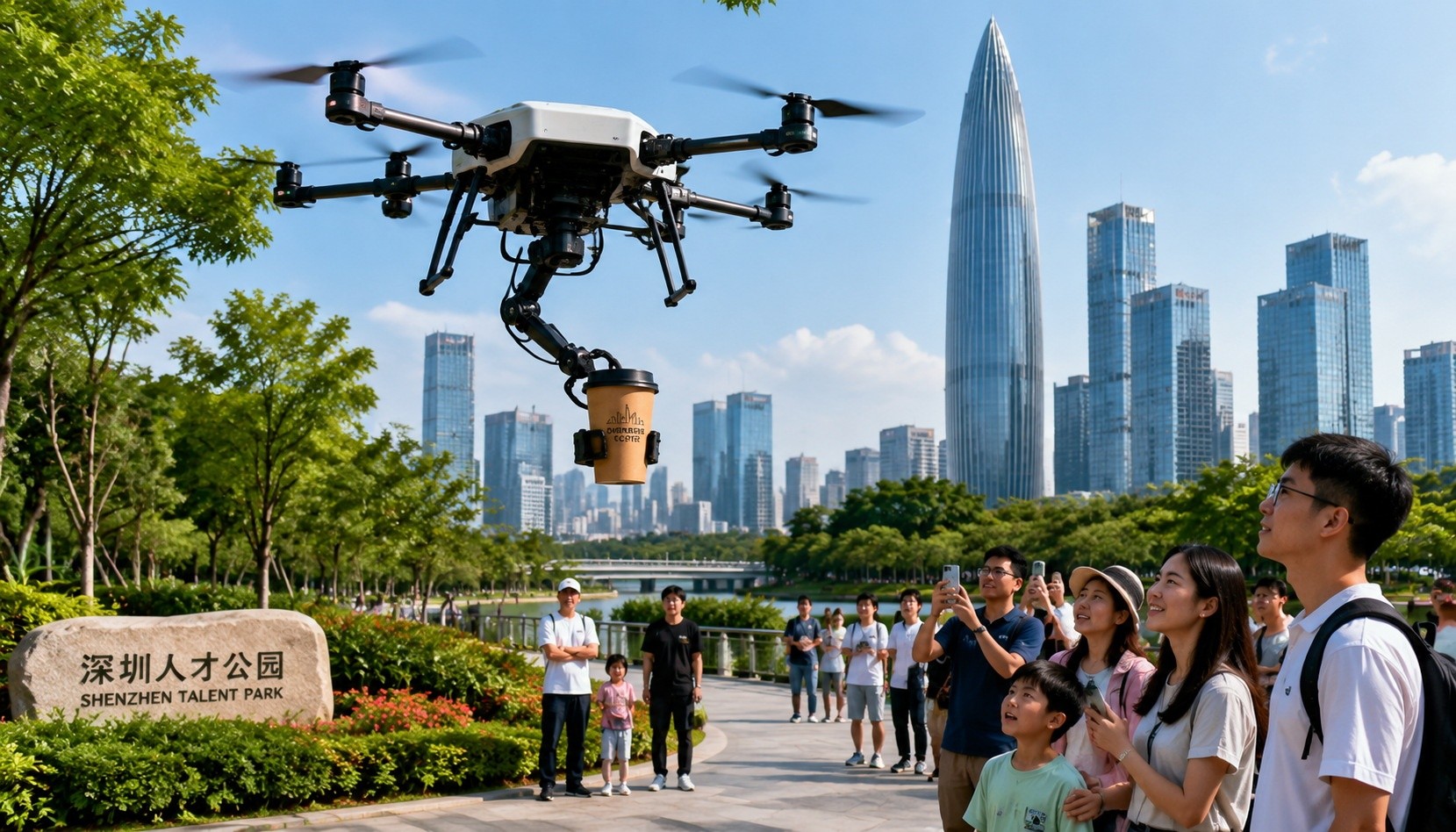
During his trip, Kenji also used a drone delivery service in a Shenzhen park to get coffee. The quadcopter descended gently, and a robot arm handed him a latte. ‘I felt like I was in a sci-fi movie, but locals just shrugged – they’ve gotten used to it.’
Bustling Nights and Senior Fitness Culture
After dark, Chinese cities transform. In Shanghai’s Huangpu District, Kenji watched grandmothers in neon vests square-dancing in a plaza, while next to them, elderly men performed tai chi with swords. ‘In Japan, seniors usually stay home after dark. Here, they’re out socializing, exercising, and even competing!’ The phenomenon of ‘Guangchangwu’ (square dancing) has become a cultural symbol of active aging.
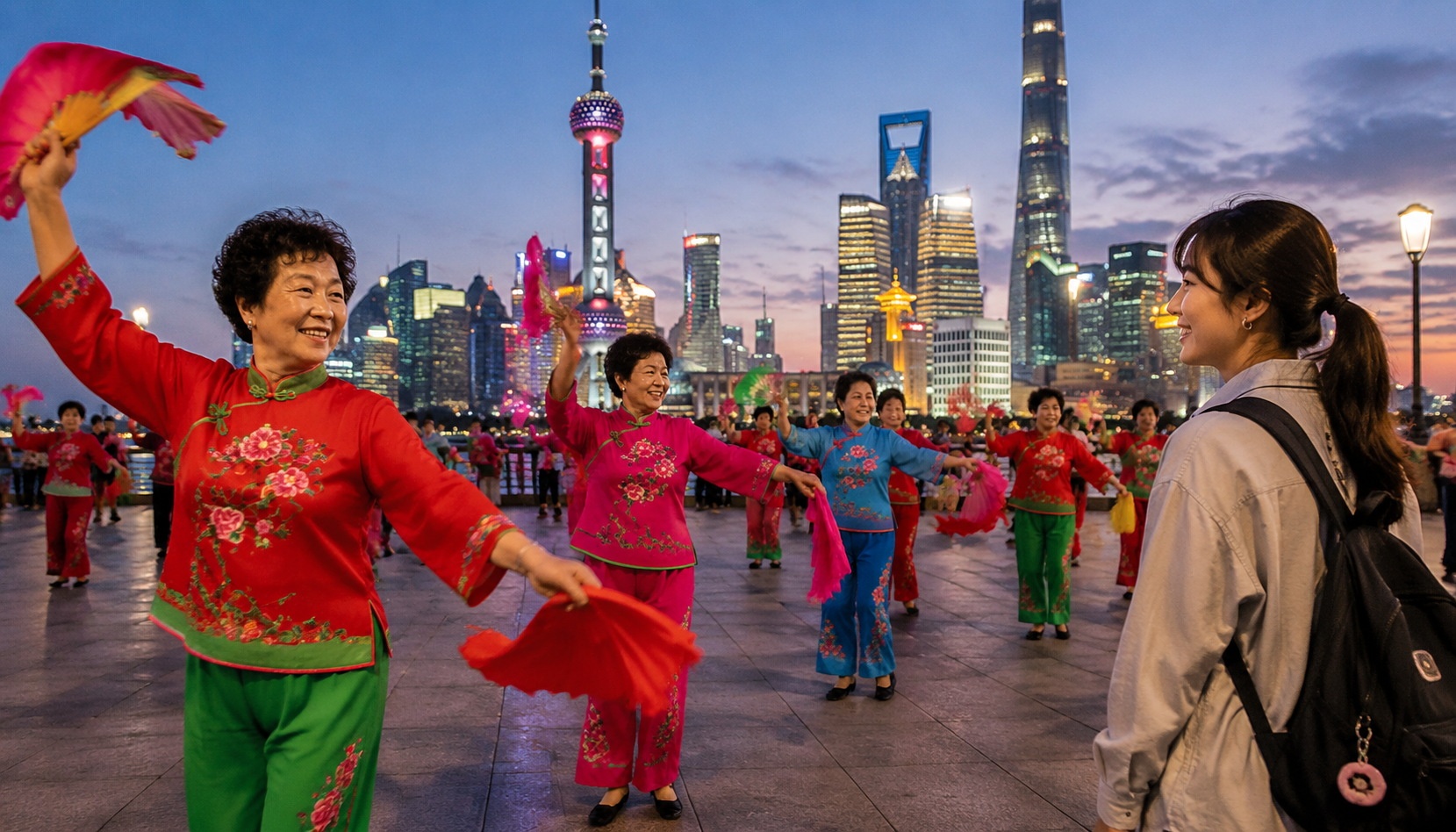
Kenji also discovered that 24-hour convenience stores like FamilyMart in China sell fresh flowers, hot meals, and even medicine – far more than their Japanese counterparts. ‘I bought a bouquet of roses at 2 a.m. for a friend’s hospital visit. In Japan, you’d have to wait until morning.’
Technology on the Ground: Robotic Kitchens and Smart Restrooms
In a bustling food court in Beijing, Kenji watched a robotic arm flip pancakes and another stir-fry noodles. The kitchen had no chefs – only attendants restocking ingredients. ‘The taste was ordinary, but the precision and speed were unreal.’ Smart restrooms with real-time occupancy displays, voice-activated flushing, and germ-free door handles were scattered in parks and metro stations.
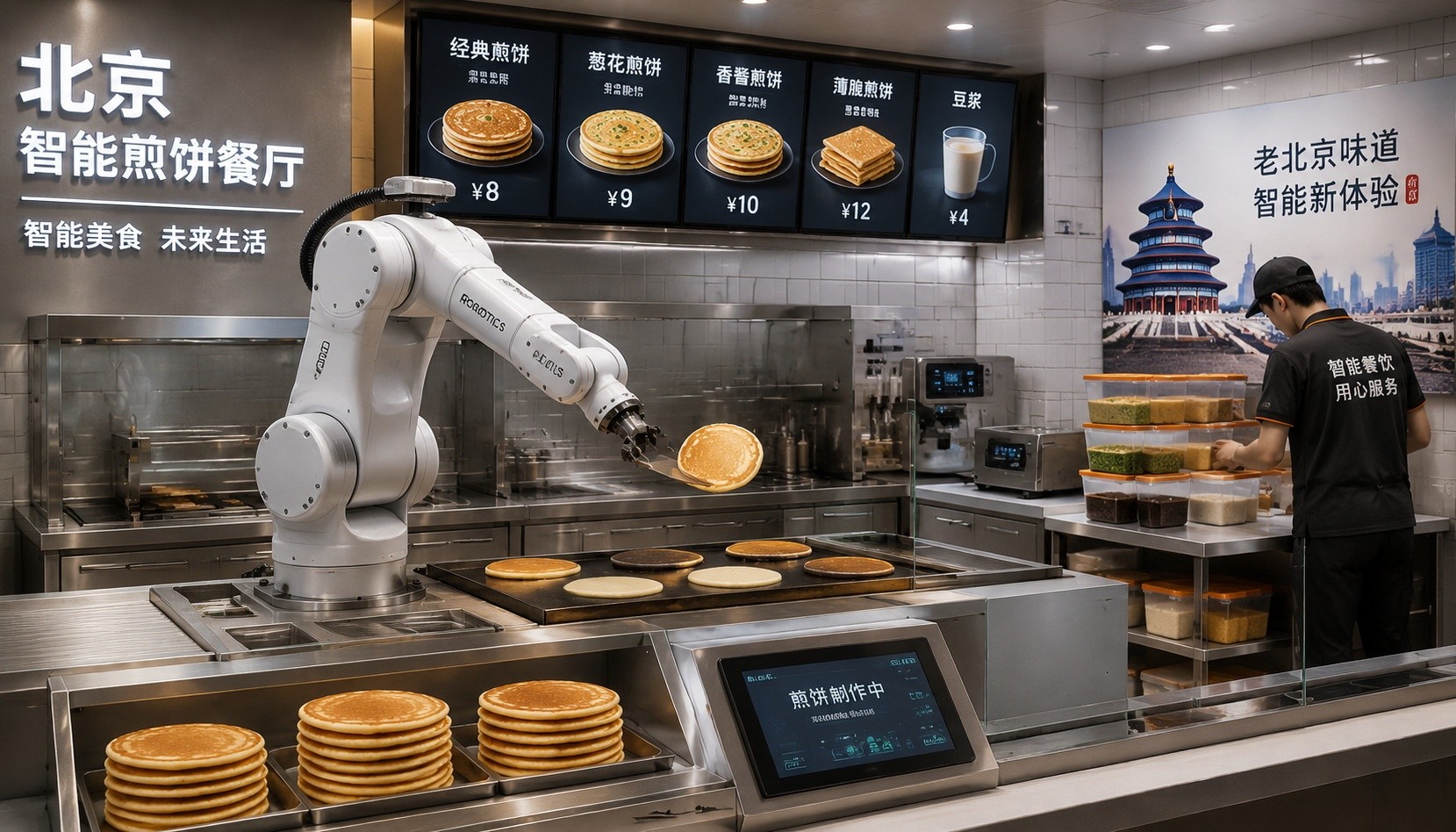
Yet Kenji acknowledges that not everything is perfect. Some public restrooms in older neighborhoods were still squat toilets with no paper, and internet censorship meant he couldn’t access Google Maps. But these hiccups only made the contrasts more striking: a country that can launch Mars rovers but also struggles with municipal maintenance.
Why the Misperception Persists
Back in Japan, Kenji tried to tell his colleagues about his trip. ‘They thought I was exaggerating. One friend said, ‘But isn’t China still poor and polluted?’ I realized the news we consume is like a filtered lens – it highlights problems but misses the everyday dynamism.’ Japanese media often focuses on China’s political controversies, factory accidents, or pollution spikes, while the seamless integration of technology into daily life – from facial recognition at airport gates to QR code menus in rural restaurants – rarely makes headlines.
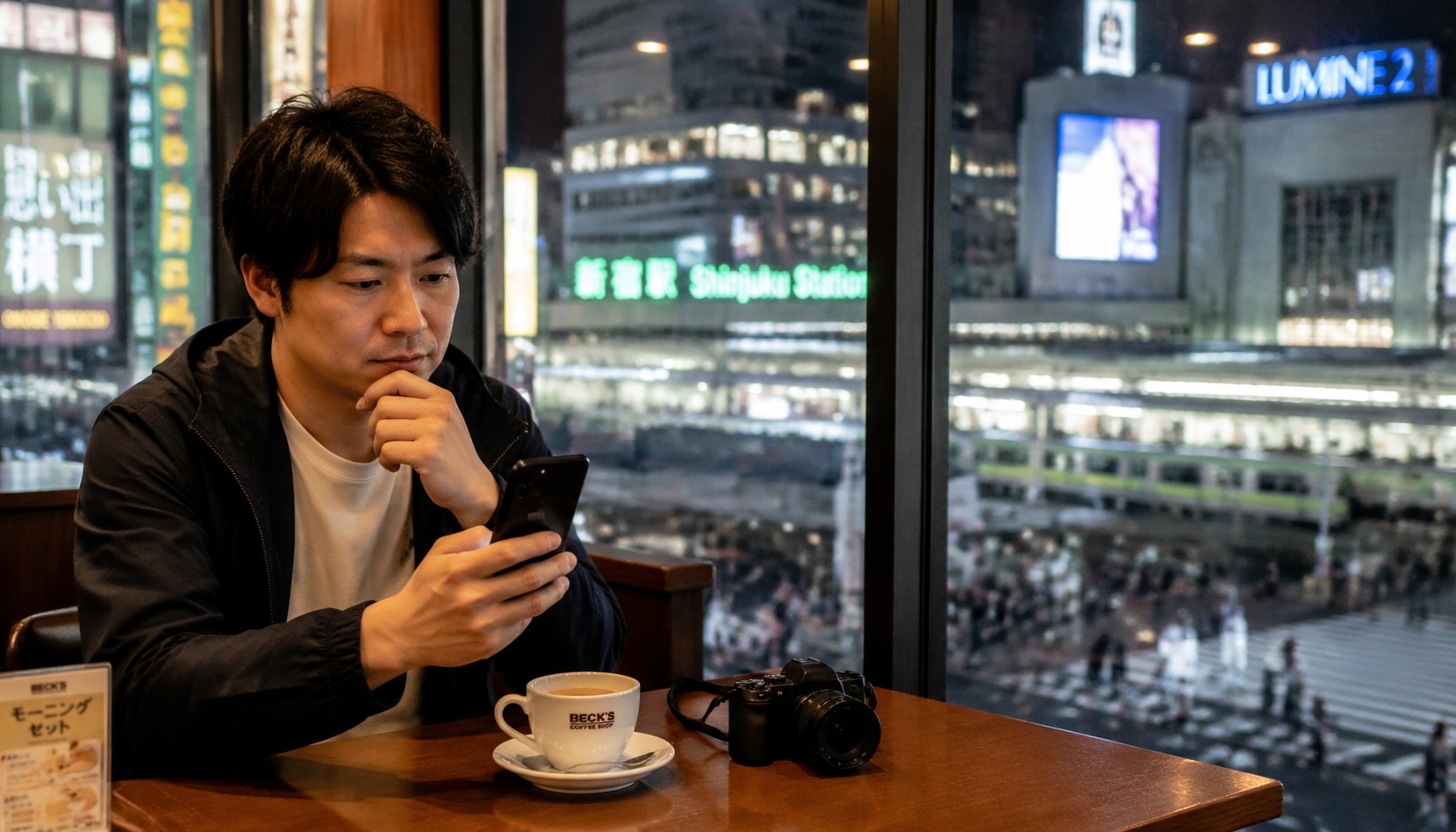
Kenji’s conclusion: ‘China is not the country I read about. It’s more complex, more convenient, and more alive. The ‘lie’ is not intentional deception – it’s the gap between a curated image and reality. I would urge everyone to come see for themselves, with an open mind.’
Conclusion: A New Kind of Traveler’s Tale
Stories like Kenji’s are multiplying as more Japanese tourists visit China – arrivals reached 2.5 million in 2019 before the pandemic, and numbers are rebounding. Their testimonies may not change geopolitical narratives overnight, but they chip away at a monolithic view of a nation often reduced to stereotypes. For those who experience it firsthand, China is not perfect – but it is unmistakably modern, messy, and full of surprises.
Start the discussion at forum.chinacomes.com