

A Surprise in the Classroom
When I first arrived in Shanghai as an exchange student, I expected to meet young Chinese who dreamt of studying abroad, who admired Western brands, and who thought everything Western was better. That was what I had read in old books and travel blogs. But after a year here, I’ve realized something has changed profoundly. The Chinese students I met are not the ones I imagined.
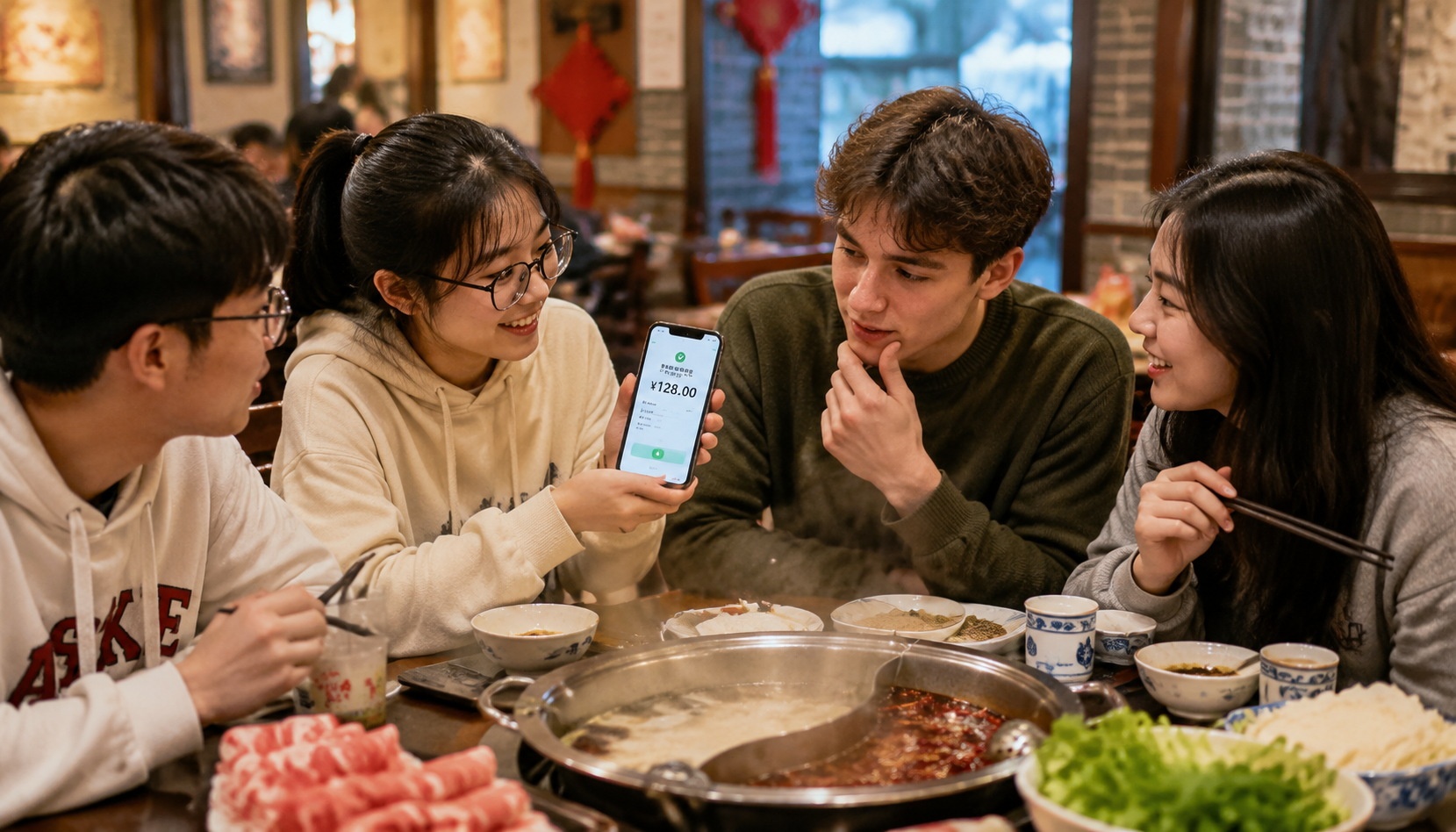
One evening, a classmate named Li Wei invited me to a hotpot dinner. As we waited for the broth to boil, she casually pulled out her phone to pay for some snacks she had ordered online. I noticed she was using a Chinese app called Taobao. “I don’t really buy foreign brands anymore,” she said. “Chinese products are just as good and cheaper. And they arrive the next day.” She wasn’t bragging; she was stating a fact. For her, the choice was purely practical, not ideological.
From Worship to Pragmatism
This shift is not just about shopping. It shows up in everyday conversations. My older Chinese friends tell me that in the 1990s and 2000s, there was a widespread belief that Western education, medicine, and even food were superior. Studying in the US or UK was the ultimate dream. But today, the narrative has changed. When I ask my university classmates about their career plans, many say they want to stay in China. “Why would I go abroad?” one student asked me. “I have good opportunities here, and my family is nearby.”
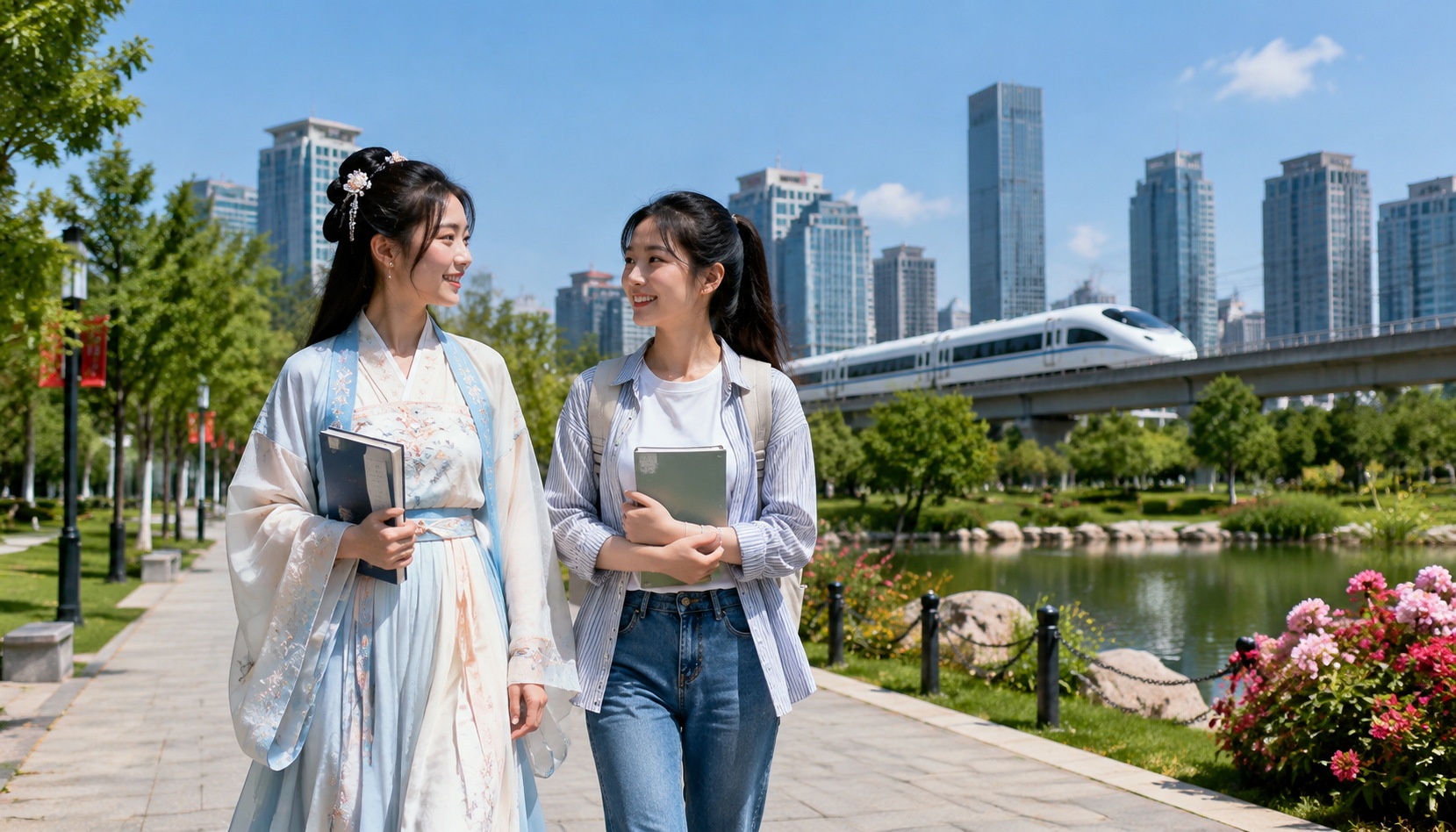
Part of this is due to China’s rapid development. High-speed trains connect cities in hours. Mobile payments mean you don’t need a wallet. And the tech industry – from 5G to electric cars – is seen as world-class. Young Chinese grew up with these conveniences. They don’t feel the need to look elsewhere.
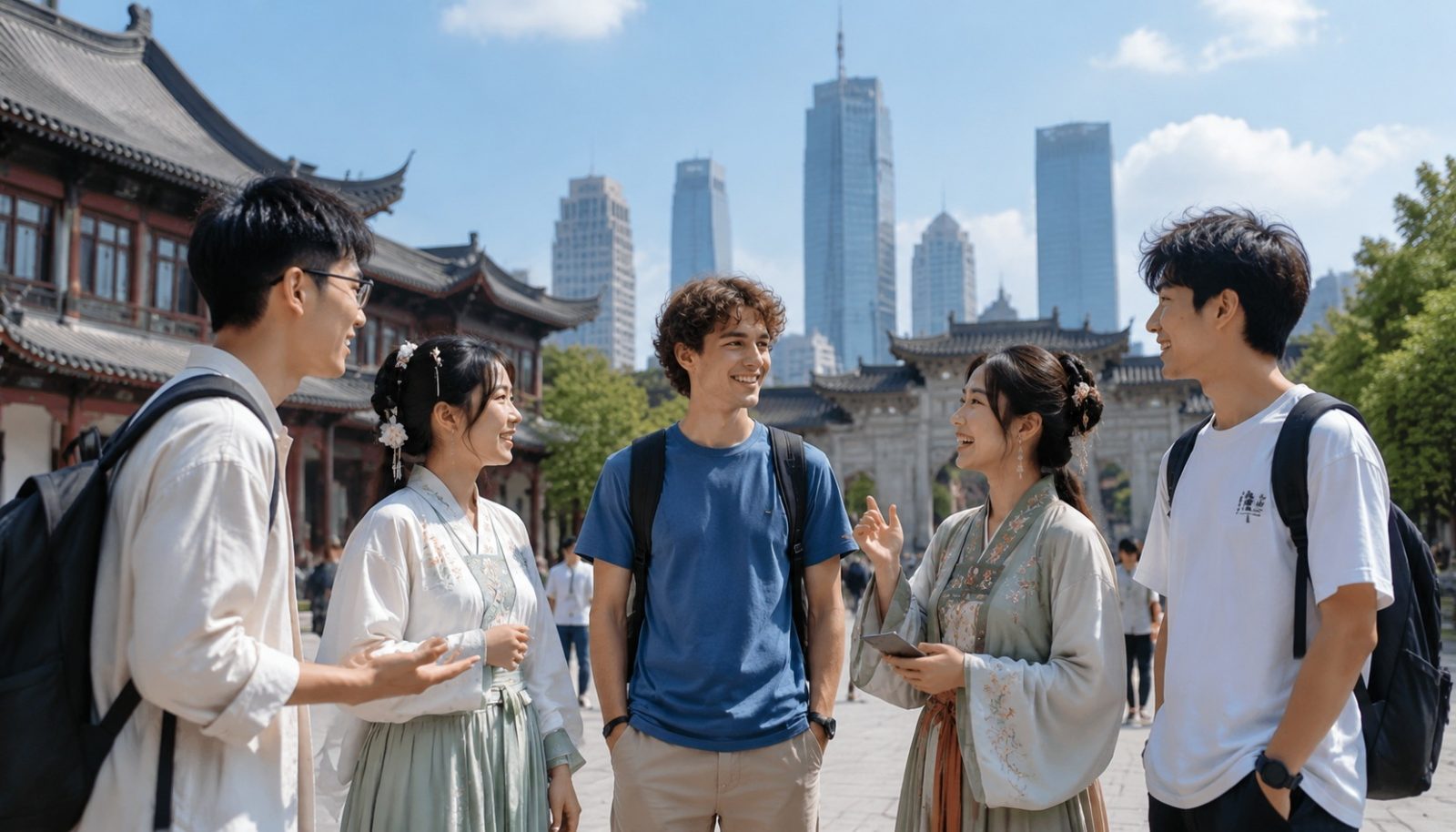
Another layer is cultural confidence. I often see my classmates wearing Hanfu, traditional Chinese clothing, on weekends. They listen to Chinese pop music and watch domestic films. Five years ago, my Chinese teacher in Paris told me that young people were obsessed with K-pop and Hollywood. Now, Chinese entertainment exports are booming, and they are proud of it.
Why This Matters Beyond China
This transformation is not about nationalism or hostility to the West. It’s about a generation that has grown up in a country that works. In France, my generation often complains about bureaucracy, unemployment, and a stagnant economy. Here, the energy is different. Young Chinese are building startups, creating content, and experimenting with new lifestyles. They see the West not as a promised land, but as a partner – or a competitor – on equal footing.
Of course, not everything is perfect. There is still pressure from exams, housing prices, and environmental concerns. But the overall mood is more optimistic than I expected. When I talk to my friends in Europe about my experience, they are surprised. They still picture China as a developing country with poor conditions. That image is outdated.
What I Learned
Living here has changed my own perspective. I used to think that “globalization” meant the world becoming more like the West. Now I see that globalization is a two-way street. Chinese apps like TikTok are popular among my French friends. Chinese electric cars are arriving in European ports. And young Chinese, by embracing their own culture and innovations, are redefining what it means to be modern. They no longer worship the West – not out of disrespect, but because they have found something valuable in their own backyard.
Start the discussion at forum.chinacomes.com