

First Impressions of a Remote Village
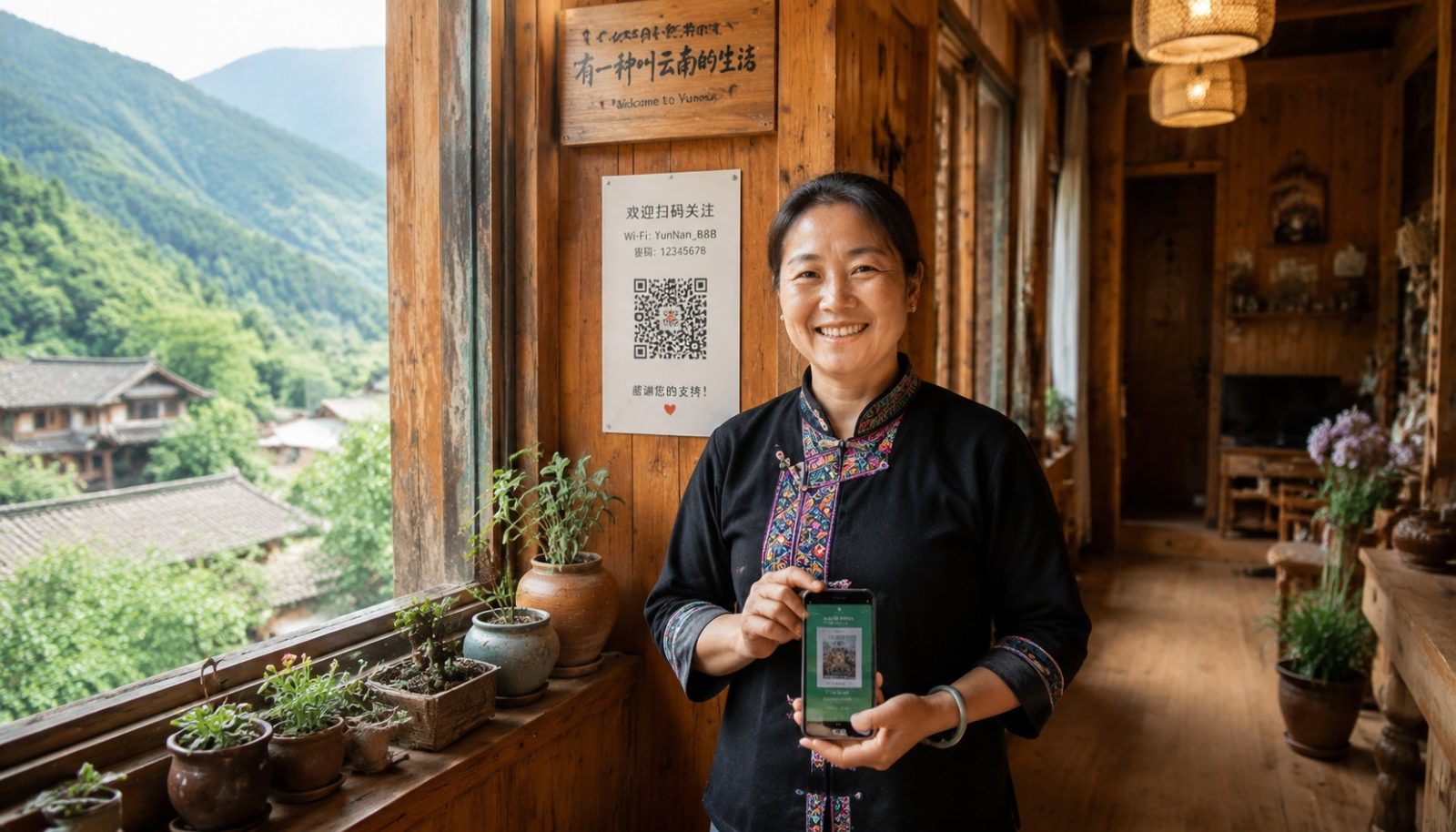
I arrived in a small Yunnan village after a long bus ride from Kunming. The mountains were lush, the air fresh, and the road narrowed until it became a dirt path. I expected rustic simplicity—maybe even a place where cash was king. But when I checked into my guesthouse, the owner, a woman in her 50s named Auntie Li, smiled and pointed at a small QR code on the wall. “WeChat Pay or Alipay?” she asked in Mandarin. I was stunned.
From Cash to QR Codes in the Countryside
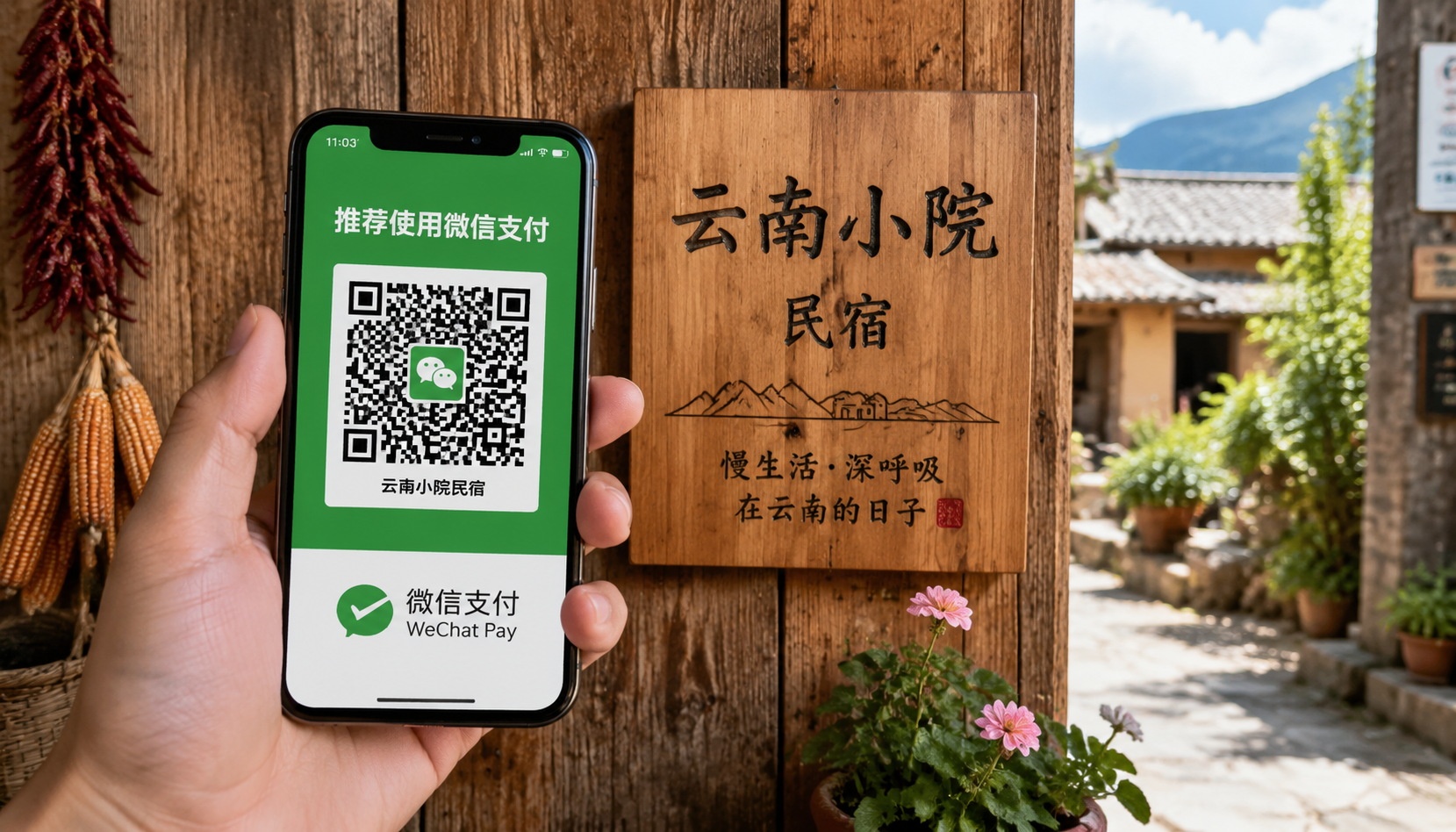
In many parts of the world, rural areas lag behind in digital adoption. But in China, the story is different. Mobile payments like WeChat Pay and Alipay have spread far beyond big cities. According to a 2023 report from the People’s Bank of China, over 80% of rural households in Yunnan use mobile payment services for everyday transactions. Auntie Li’s B&B is a perfect example. She told me she hasn’t handled cash for months—except when foreign tourists arrive with no Chinese payment apps.
Auntie Li turned her phone screen toward me. Her WeChat balance showed over 3,000 yuan from today’s bookings. She also showed me how she uses Alipay to split bills with her neighbor who runs a small grocery. “It’s faster, cleaner, and I don’t have to make change,” she said. For travelers like me, it meant I could pay using my friend’s WeChat account after converting money at a local bank.
How Did Digital Payments Reach Here?
The answer lies in a combination of factors. First, the Chinese government has heavily invested in rural internet infrastructure. By the end of 2022, over 99% of administrative villages in Yunnan had broadband access, according to the Ministry of Industry and Information Technology. Second, smartphone penetration is high—even in remote areas, people use affordable devices from brands like Xiaomi and Oppo. Third, WeChat and Alipay aggressively promoted their services by offering small incentives like red packets and discounts for first-time users.
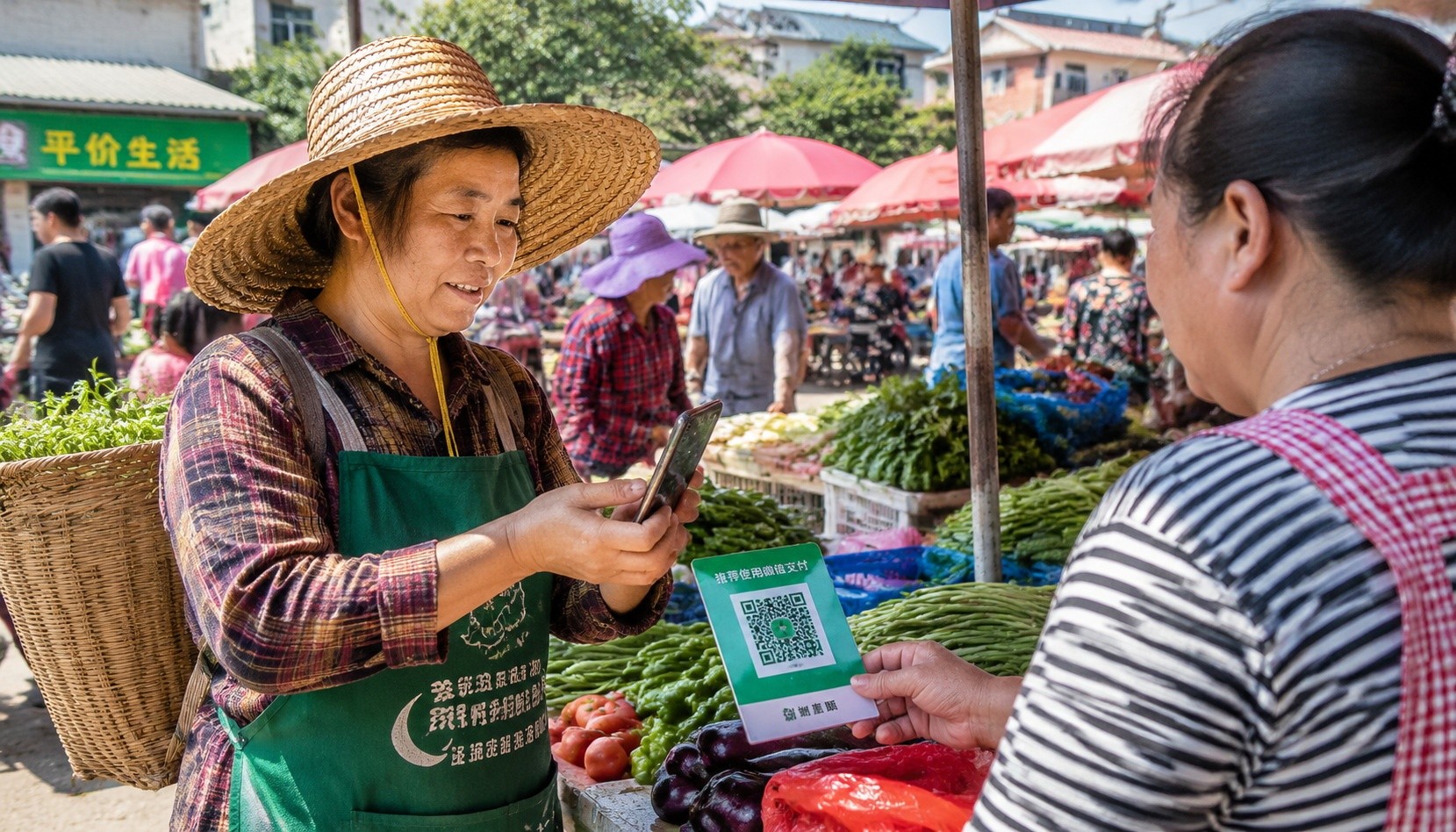
Auntie Li told me she first tried WeChat Pay three years ago when a friend helped her set it up. Within a month, she stopped going to the bank to withdraw cash. “My son in Guangzhou sends me money through WeChat,” she said. “I use it to buy vegetables at the market, pay electricity bills, and even donate to the temple.” The convenience changed her daily life.
A Backpacker’s Perspective: What It Means
For many foreign visitors, the ubiquity of mobile payments in China can be surprising—and sometimes confusing. But in rural Yunnan, it’s a window into how technology bridges gaps. I saw farmers scanning QR codes at stalls, elderly couples paying for medical visits with a quick tap, and children buying snacks with their parents’ phones. It’s not perfect—relying on a single digital system raises questions about privacy and over-dependence—but for ordinary people like Auntie Li, it’s a tool that works.
Would I have enjoyed the trip less if I had to use cash? Probably not. But the ability to pay with a code made me feel less like an outsider. It also forced me to rethink my assumptions: that rural China is cut off from modern life. The truth is more nuanced. Technology doesn’t erase rural charm; it adds a layer of convenience that many locals appreciate.

Final Thoughts
Leaving the village, I couldn’t help but smile at the contrast. The same road that led me to terraced rice fields and water buffaloes also led me to a world where QR codes are as common as bamboo baskets. For anyone traveling to rural China, bring some cash as backup, but don’t be surprised if a farmer pulls out a smartphone to accept payment. The backpacker’s guide to China is being rewritten—one QR code at a time.
Start the discussion at forum.chinacomes.com