

The Myth of the ‘Ancient’ Kitchen
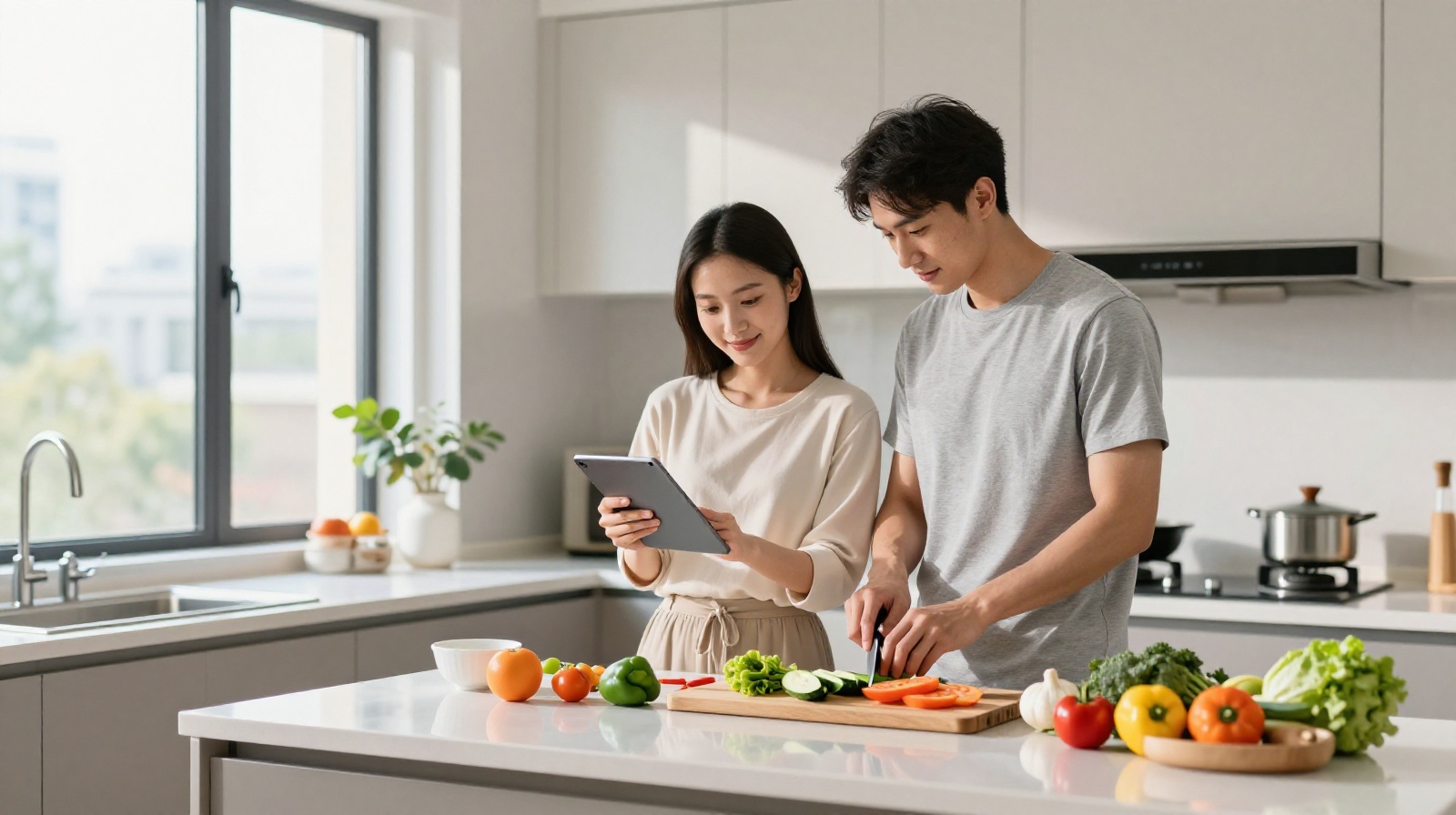
At 7:00 AM on a Saturday, the air in a high-rise apartment in Fuzhou does not smell of incense or old wood. It smells of star anise, dried scallops, and the sharp, clean scent of ozone from an air purifier humming in the corner. This is not the set of a historical drama. This is the kitchen of the Chen family, a typical modern household in China’s Fujian Province.
For many outside observers, Chinese cooking—especially Fujianese cuisine—is often romanticized as something performed over an open fire with iron woks, requiring decades of muscle memory. But in the reality of contemporary China, where two-income families dominate and convenience is king, tradition has not disappeared; it has been upgraded. The “weekend kitchen battle” is no longer about survival skills; it is a deliberate, technology-assisted ritual of love and cultural identity.
The Weekend Ritual: A Case Study of Minhou
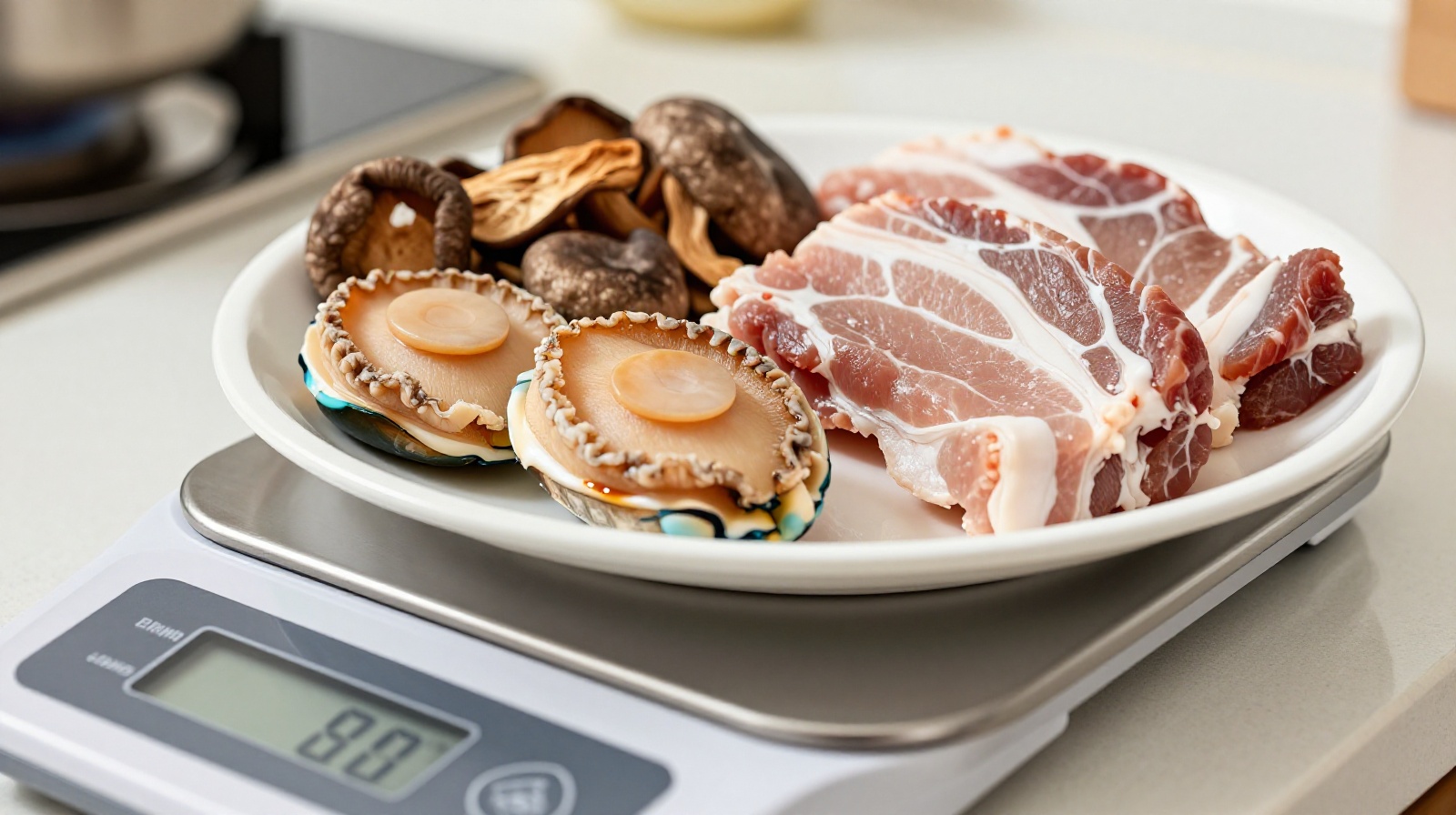
Lin Wei, a 34-year-old project manager, stands at his marble countertop. He is not chopping vegetables with the rhythmic *thud-thud-thud* of a master chef. Instead, he is reading a recipe on his smartphone while his wife, Sarah, operates a high-end steam oven. They are preparing Shi Hu Tian Ma Tang (Dendrobium and Gastrodia Soup), a classic Fujianese tonic known for calming the nerves.
The preparation is precise. The ingredients—premium Dendrobium stems, dried Gastrodia, lean pork, and two types of mushrooms—are weighed on a digital scale to the gram. “In Fujian, we believe soup must be ‘clean’ (qing),” Lin Wei explains, wiping steam from his face. “If the water is cloudy, the medicinal value is lost.”
This precision reflects a broader shift. Modern Chinese home cooks are not abandoning tradition; they are engineering it for consistency. The chaos of the old kitchen has been replaced by the quiet efficiency of modern appliances. Yet, the soul of the dish remains untouched. The result is a soup that tastes exactly like the one Lin Wei’s grandmother made fifty years ago, but created with the reliability of a laboratory experiment.
Adapting Classics: Authentic Tastes, Modern Rhythms
The heart of Fujianese cuisine is its emphasis on freshness and umami. Dishes like Buddha Jumps Over the Wall (Fo Tiao Qiang) or braised abalone are famously labor-intensive. In the past, these were reserved for major weddings or ancestral sacrifices. Today, they have become the centerpiece of the Sunday family dinner.
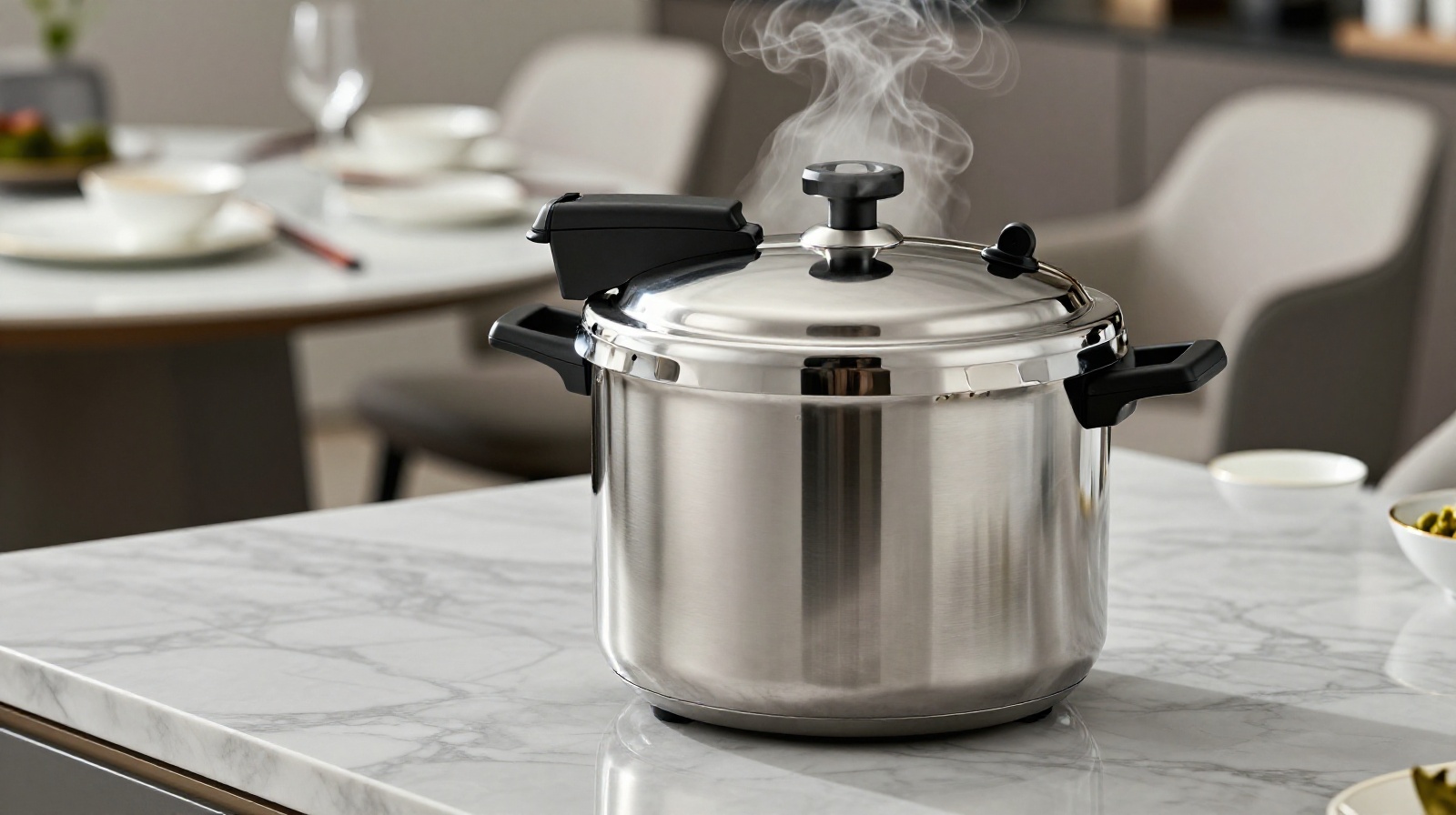
Taking Buddha Jumps Over the Wall as an example, the traditional version requires soaking dried sea cucumber, abalone, and bird’s nest for days, then simmering them in a clay pot for hours. For the modern Chen family, this is impossible on a weekend. Instead, they use a dual-chamber pressure cooker. One side holds the pre-prepared broth; the other holds the fresh seafood.
“We don’t have time to wait three days for ingredients to rehydrate,” says Sarah, checking her smartwatch. “But we still need the depth of flavor that only long simmering provides. The machine does the waiting for us.”
This adaptation is not seen as a compromise by locals. It is viewed as a pragmatic evolution. The goal remains the same: to create a complex, layered taste that signals hospitality and care. The method has changed, but the intention—feeding the family with the best possible flavors—has not.
Technology and Tradition: The Digital Wet Market
The “battle” begins even before entering the kitchen. In China, the concept of the “wet market” (where fresh meat and vegetables are sold daily) is alive and well, but it has gone digital. Lin Wei does not wander through muddy stalls on Saturday morning. He uses a mobile app to order premium abalone and fresh sea cucumbers from a local supplier, with delivery arriving at his doorstep 20 minutes later.

This logistical efficiency is unique to modern China. The integration of e-commerce with traditional food culture allows families to access the highest quality ingredients without the physical toll of early morning market runs. It bridges the gap between the old desire for “fresh from the sea” and the new reality of busy urban schedules.
Furthermore, social media plays a crucial role. Recipes are no longer passed down solely through oral tradition. Lin Wei follows food influencers who demonstrate how to clean abalone or how to balance the salty-sweet profile of Fujianese vinegar. The community is global, but the application is intensely local.
Conclusion: Food as a Bridge, Not a Barrier
By noon, the dining table is set. The soup is steaming, its aroma filling the living room. Lin Wei’s parents have arrived from their home in the suburbs, bringing with them the weight of history. They taste the soup, nod in approval, and begin to share stories from their youth.
In this moment, the technology—the app, the scales, the pressure cooker—fades into the background. What remains is the universal language of food. For modern Chinese families like the Chens, cooking is not a relic of the past. It is a dynamic, evolving practice that allows them to hold onto their cultural roots while navigating the fast pace of contemporary life. The kitchen is no longer just a place to prepare food; it is the command center of family connection in the 21st century.