

Paralyzed by Fear Before Departure
Growing up in a small town in Norway, 16-year-old Emma had never been outside Europe. All she knew about China came from Western news: surveillance everywhere, strict rules, and a mysterious society where people wouldn’t help strangers. She packed her bags with a racing heart, imagining being interrogated at customs, followed by cameras, and struggling in a cold, unfriendly place. Her mother joked that she was ‘opening a blind box’ – you have no idea what’s inside until you get there.

Arrival at Shanghai Pudong: The First Shock
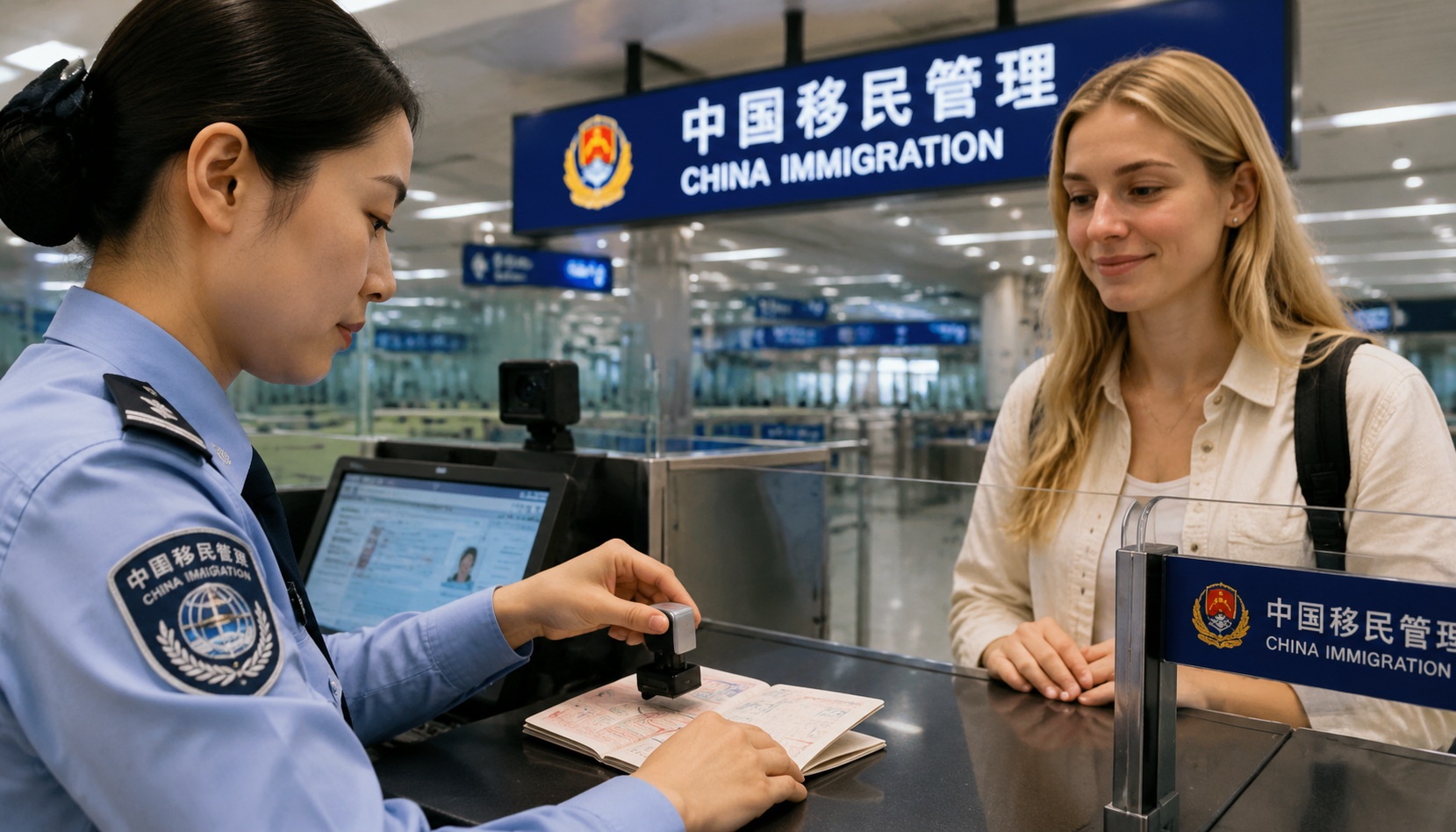
As soon as Emma stepped off the plane, her expectations began to crumble. The immigration officer was efficient and silent – just a fingerprint scan, a passport stamp, and a polite nod. No harsh questions, no scary detention. She later told her friends, ‘It was like checking into a hotel, not entering a heavily guarded country.’
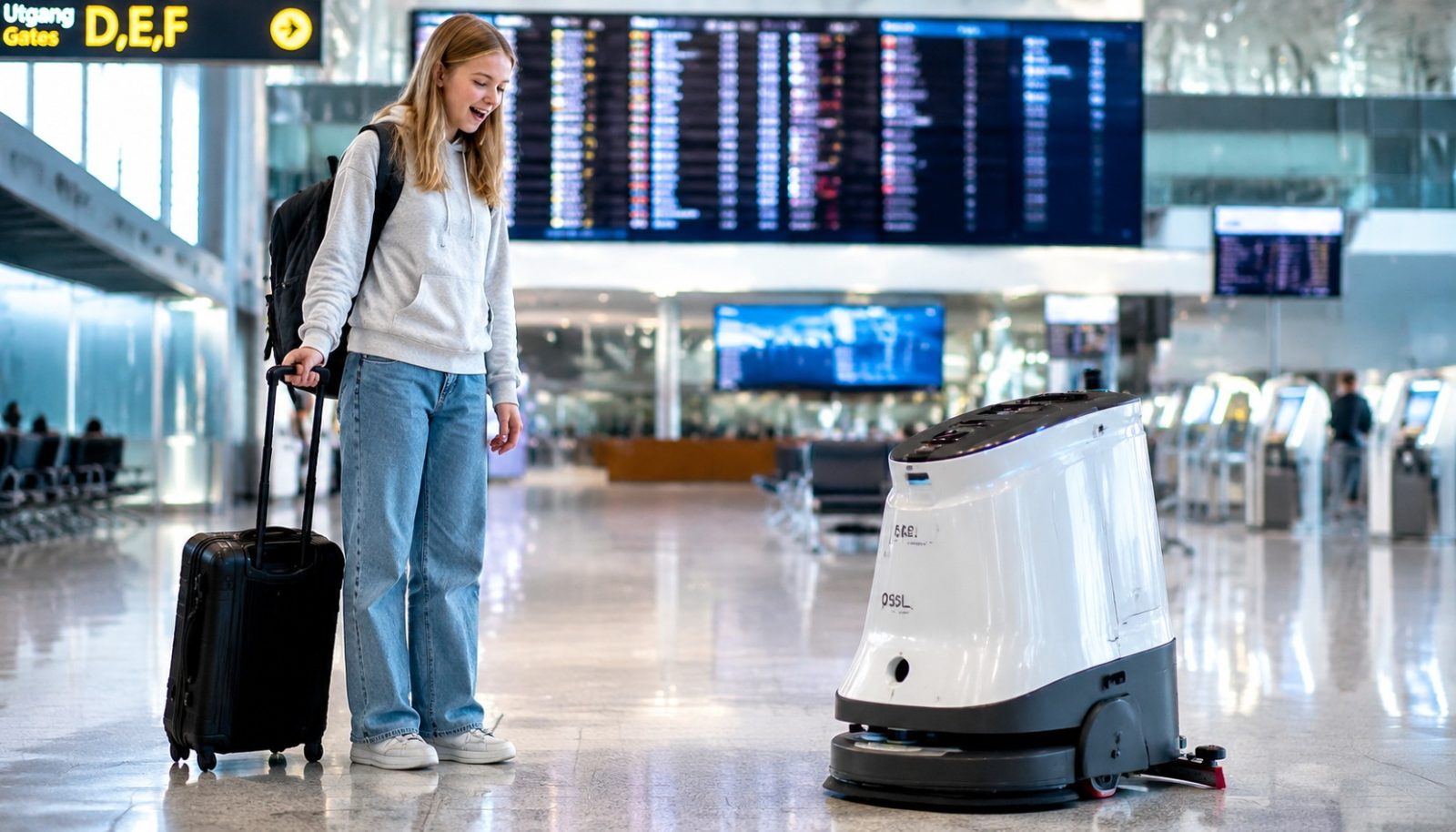
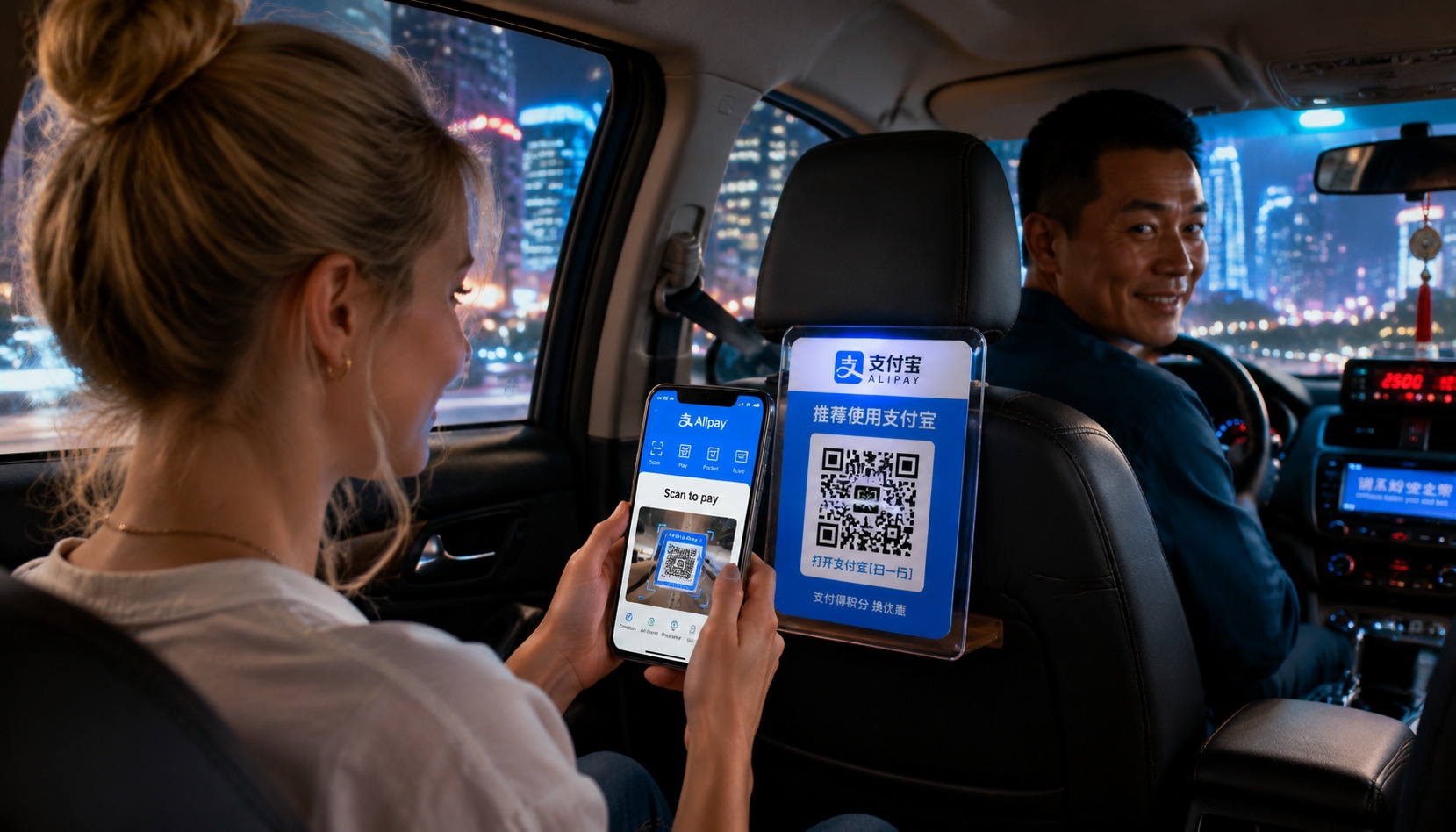
Walking into the arrival hall, she noticed cleaning robots gliding across the floor, huge digital screens flashing flight info, and a massive network of cameras on the ceiling. Back home, such technology was still debated as ‘privacy-invasive’ and rarely seen in public spaces. But here, it felt normal, even reassuring. She paid for her taxi with Alipay, a mobile payment system she had only read about in tech blogs. The driver didn’t even take cash. ‘This is like living in 2030,’ she texted her dad.
The City That Smells Like Flowers
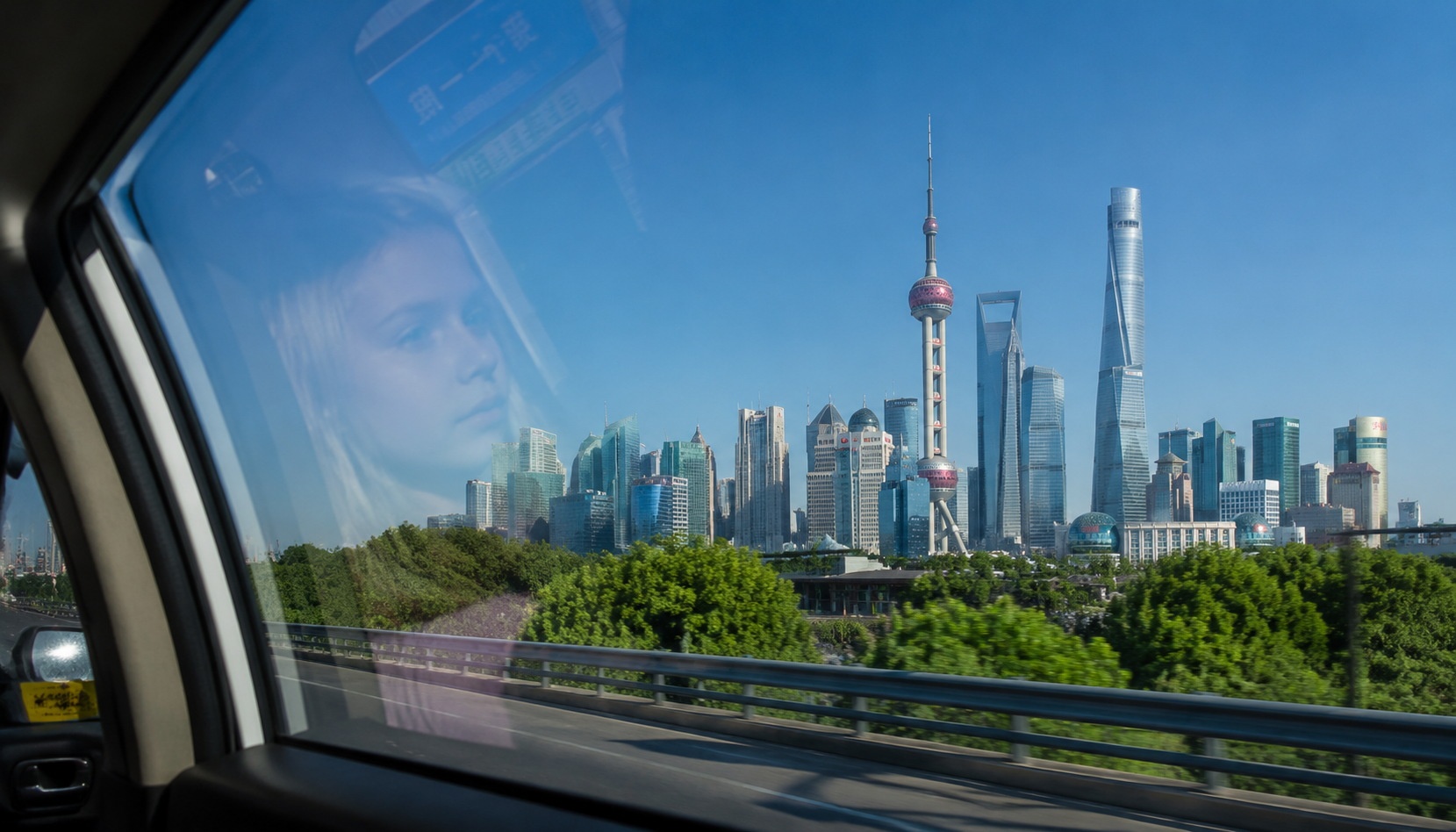
Looking out the taxi window, Emma was stunned by the skyline: sleek skyscrapers, lush green trees lining the streets, and clean air. She rolled down the window and inhaled – she swore she could smell blossoms. In Norway, she had been told that Chinese cities were gray and heavily polluted. Her first thought: ‘What I saw in the media is less than 1% of the reality.’
Hotel Room on the 25th Floor: A Bargain Surprise
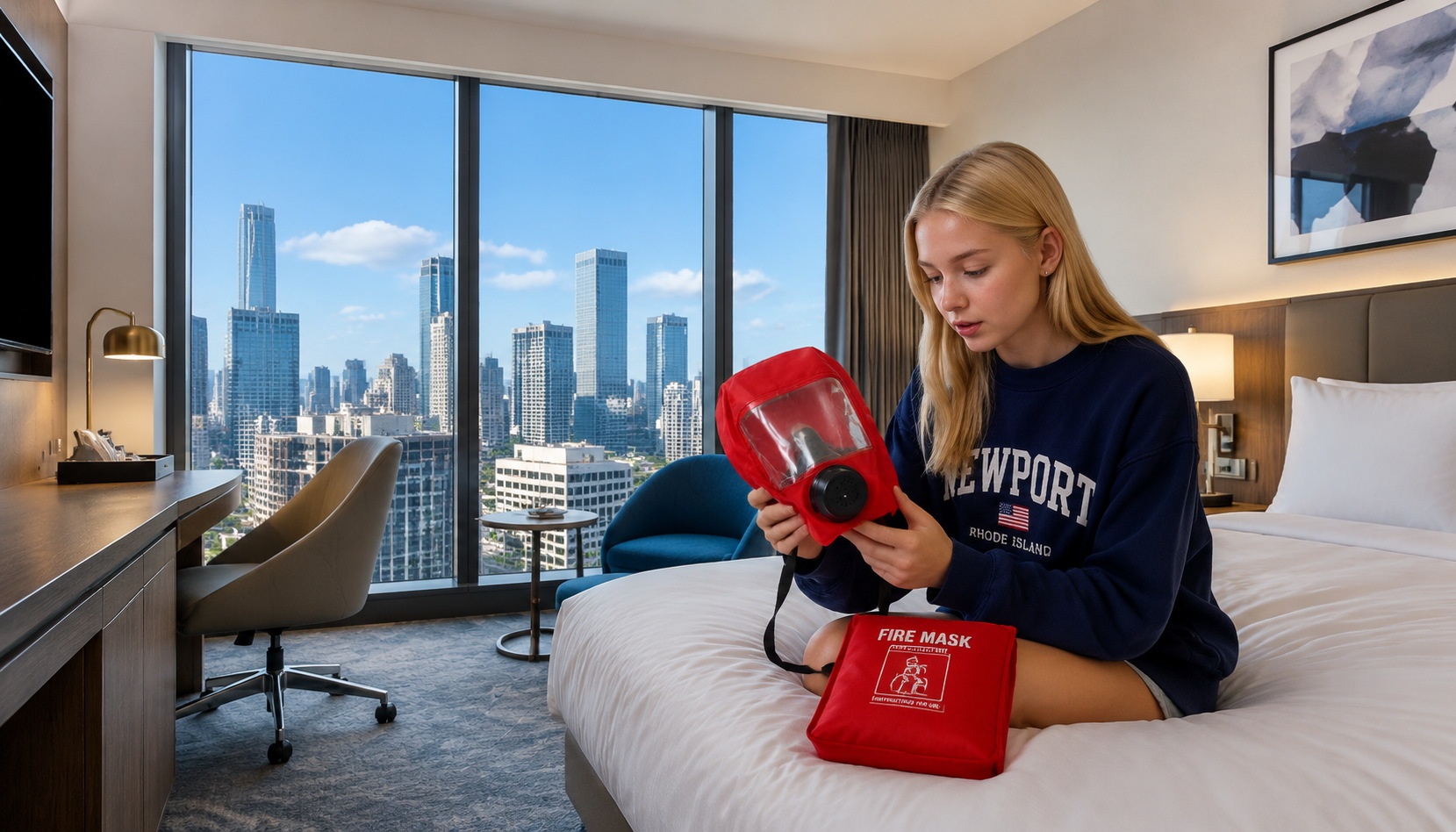
Her hotel room on the 25th floor offered a panoramic view of the city. For what she paid, a similar room in Oslo would have been three times the price. She marveled at the complimentary bottled water, a fruit plate delivered to her door, and a fire safety mask in the closet – which she initially mistook for scuba gear. A friend later explained that high-rise buildings in China are required to have such masks. In Europe, where most buildings are low-rise, she had never seen one. ‘They really think of everything here,’ she said.
Nightlife: Neon Lights and Lively Streets
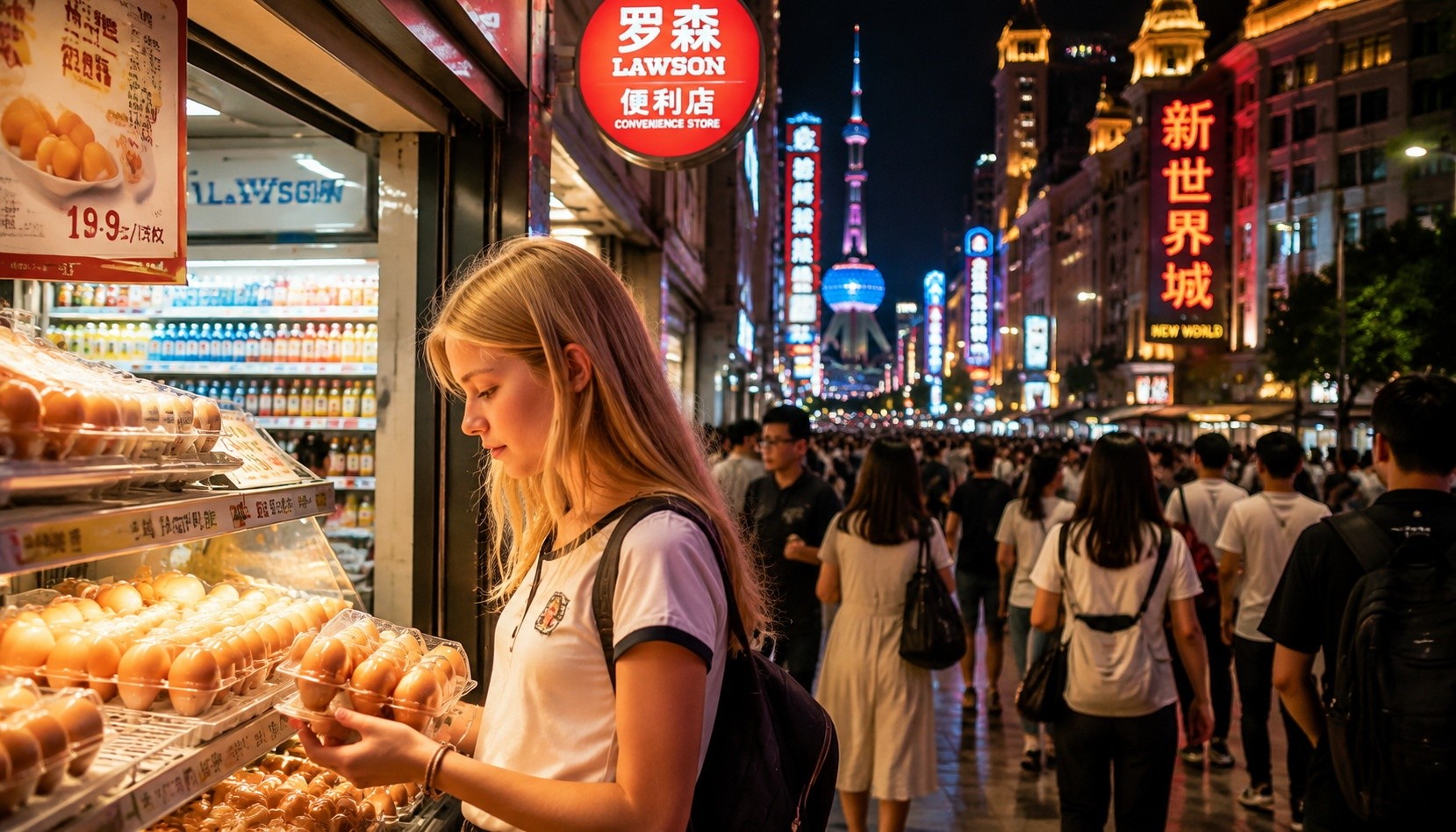
That evening, Emma ventured out. The streets were packed with people, neon signs buzzed in every color, and convenience stores sold eggs in loose trays – a simple thing that amazed her. In Norway, eggs are always refrigerated and packaged in cartons. She also saw a stray cat napping on a doorstep, unbothered by the crowd. ‘Back home, we have everything so standardized and industrial. Here, life feels more… organic.’
Comments from the Global Audience
When Emma posted her impressions online, the response was overwhelming. Overseas Chinese and Westerners who had actually visited China chimed in. ‘Those cameras are about safety, not spying,’ one user wrote. ‘I feel safer walking alone at night in Shanghai than in my own city,’ said another. An American traveler commented, ‘China feels like it’s living in the future compared to the US.’ And a netizen from Shenzhen invited her: ‘Come to the south – you’ll see even more.’ Their collective voice confirmed what Emma had begun to understand: the real China is far warmer and more advanced than the media picture.

The Core Takeaway: See It to Believe It
Emma’s journey from fear to fascination is a powerful reminder that stereotypes crumble when faced with reality. China’s blend of high-tech efficiency and everyday warmth – from the airport robots to the stray cat on the street – cannot be captured in Western headlines. As she put it in her final post: ‘The media shows you less than 1% of what’s really here. You have to come and see for yourself.’
Start the discussion at forum.chinacomes.com