

A Clumsy Hand at the Table
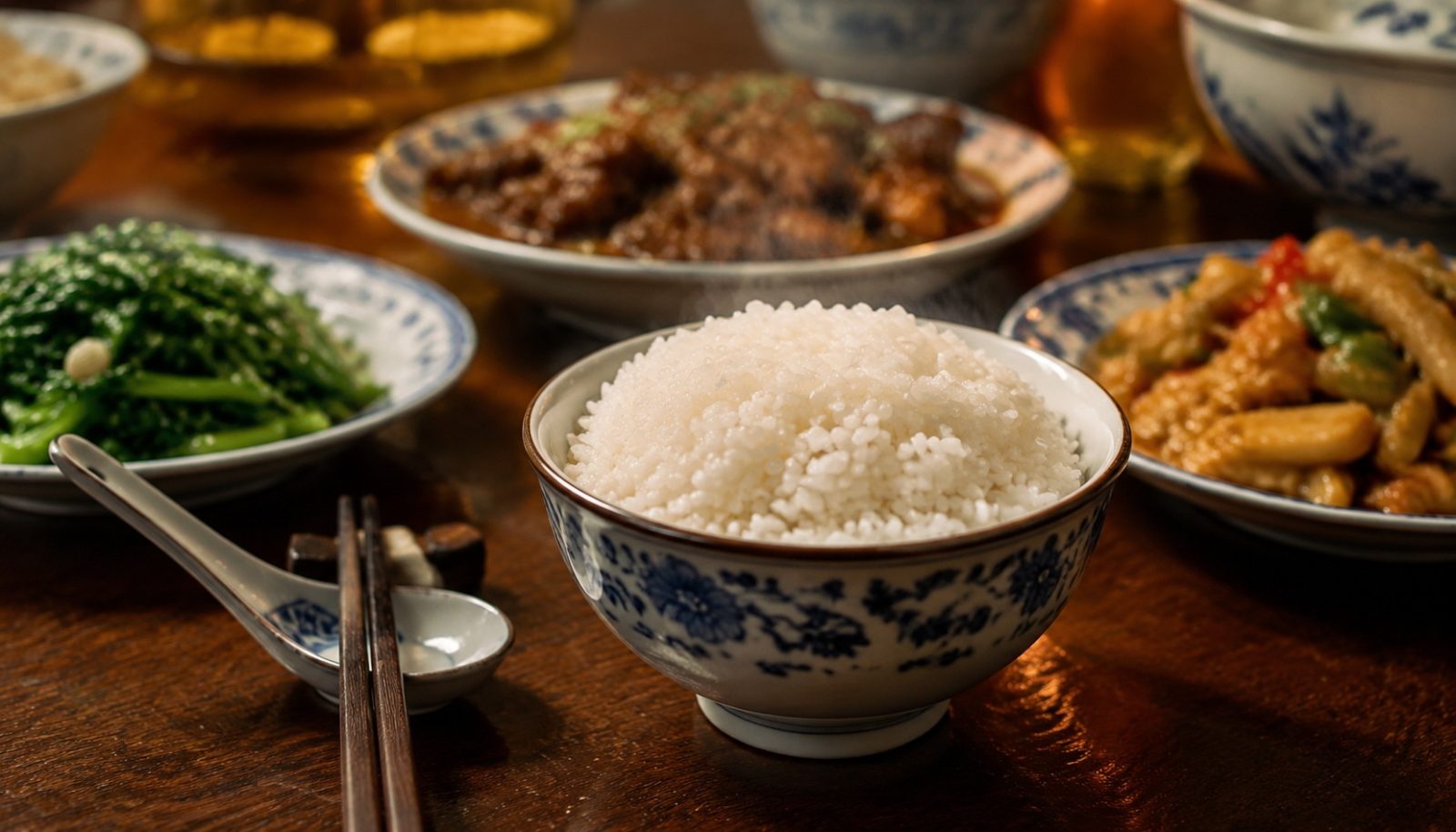
It was a Saturday evening at a bustling Cantonese restaurant in Guangzhou. The table was crowded with plates of steamed fish, stir-fried greens, and a large bowl of fluffy white rice. Tom, an American friend visiting for the first time, looked at the bowl of rice, then at the chopsticks beside him. He hesitated, then used his fingers to scoop a lump of rice—only to have the grains stick to his palm and fall onto the tablecloth. His Chinese friend Xiao Li laughed, gently handed him a spoon, and said, “We don’t really do that here. Try this.”
That small moment of confusion raises a question many outsiders have wondered: why do Chinese formal meals almost never involve eating with hands, even for something as simple as rice?
From Shared Tables to Chopsticks: A Brief History
The rule is not arbitrary. It traces back to ancient China’s communal dining system and the evolution of eating utensils. During the Zhou Dynasty (1046–256 BCE), meals were served on individual low tables, and people used spoons and knives. But by the Song Dynasty (960–1279 CE), communal dining became widespread, and chopsticks rose as the primary tool for picking up bite-sized pieces. Confucian etiquette—documented in texts like the Book of Rites (Liji)—explicitly forbade touching food with hands at formal banquets. The rule wasn’t just about manners; it was about hygiene, respect for the meal, and social harmony.
Unlike in India or the Middle East, where eating with hands is a sensory and spiritual act, East Asia’s grain-based cuisine—especially steamed rice—demanded tools. Sticky rice clings to fingers, making it messy and inefficient. Chopsticks, along with ceramic spoons, offered precision and cleanliness.
The Practical Logic Behind the Bowls
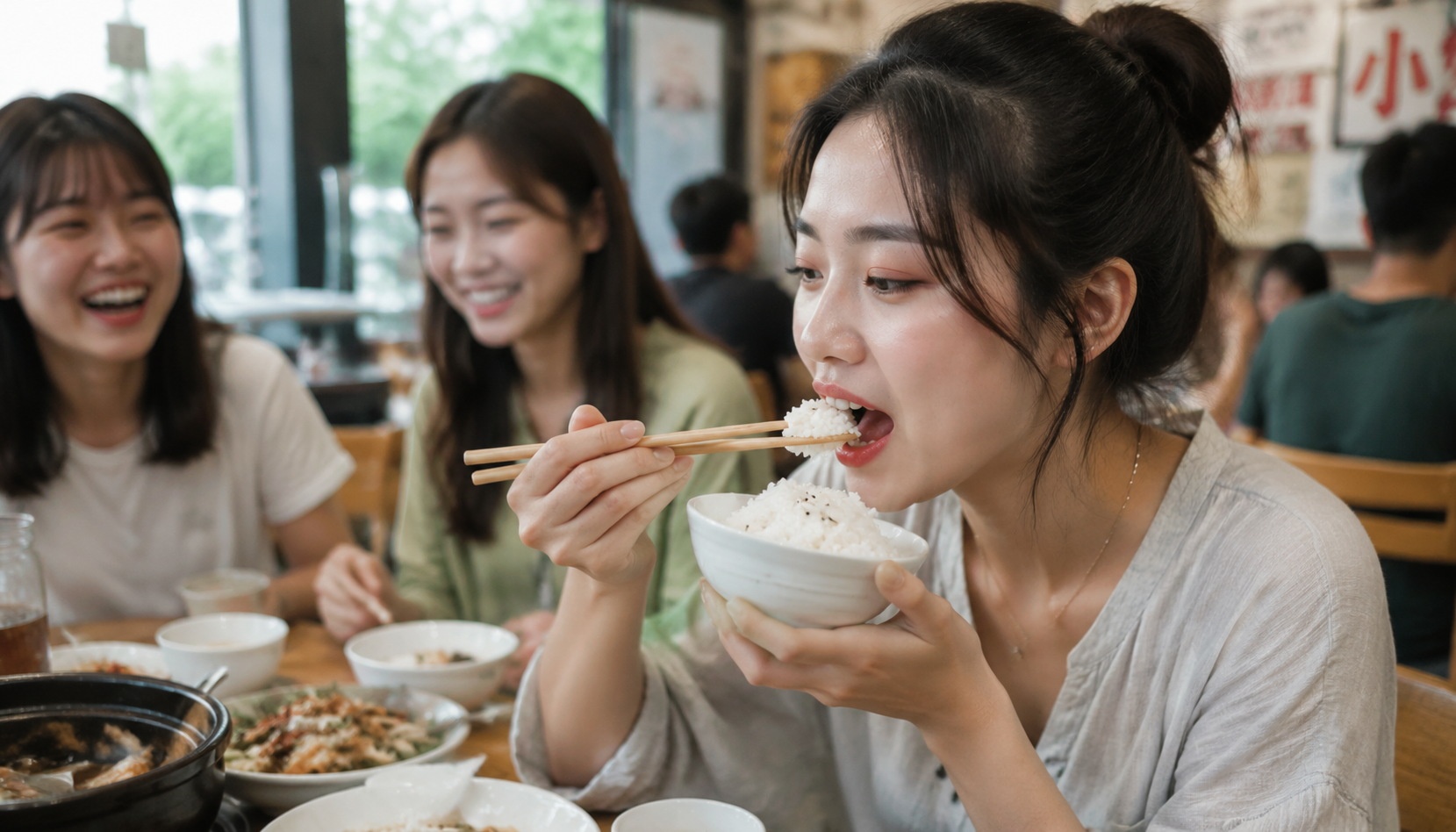
Today, a typical Chinese meal involves a bowl of rice in your left hand, chopsticks in your right, and a ceramic spoon for soup. Why not use hands? First, temperature: Chinese dishes are served hot—sizzling stir-fries, steaming soups, and just-cooked rice. Bare hands can’t handle that heat. Second, hygiene: communal dining means sharing dishes from the center. Using chopsticks prevents cross-contamination. Third, texture: rice grains are small and sticky; pinching them with fingers is impractical. A spoon or chopstick lifts the rice cleanly to your mouth.
In a 2023 survey by the China Culinary Association, 94% of respondents said they never use hands to eat rice during a formal dinner. Even at casual eateries, chopsticks are the default. For foreigners, the habit feels odd—but it’s deeply ingrained.
Cultural Contrasts: Hands vs. Tools
Compare this to Indian and Middle Eastern traditions. In South India, eating with hands is believed to connect with the food’s energy and aids digestion. In Ethiopia, injera is torn with the right hand. These practices are rich cultural symbols. East Asia, by contrast, developed a tool-based approach. Japan and Korea also use chopsticks for rice, but China’s influence—through silk road trade and Confucian norms—solidified the rule.
The difference is not about superiority; it’s about practical adaptation. Rice in China is typically steamed and less oily than biryani, making it less tacky to fingers. Climate also played a role: hot summers made hand-eating less comfortable in many parts of China.
Exceptions That Prove the Rule
The rule is not absolute. Street food like grilled lamb skewers, xiaolongbao (soup dumplings, eaten with a bite and a spoon), and hand-pulled noodles allow some hand contact. But the most famous exception is 小龙虾 (crayfish) and 手抓饼 (scallion pancake wrapped around fillings). These foods are explicitly “finger foods” and are served in relaxed, non-formal settings.
Even then, when a Chinese family eats crayfish at a home dinner, they often wear disposable gloves or use chopsticks to tear the meat. The line between formal and casual is clear: if it’s a main meal around a table with rice, hands stay off.
The Wisdom of a Simple Rule
So the next time you sit down to a Chinese dinner with a bowl of steaming rice, pick up the chopsticks—or a spoon—and try it the way it’s been practiced for centuries. You’ll discover that the rule isn’t restrictive; it’s a small choreography that makes the meal smoother, cleaner, and more communal.
Tom, after a few failed attempts, learned to use chopsticks with surprising speed. By the end of dinner, he wasn’t missing his fingers at all. “It’s like a puzzle,” he said, “once you get it, it just works.”
Start the discussion at forum.chinacomes.com