

A Surprising Discovery in China’s Heartland
Mark and Sarah, a couple from Ohio, had been living in Beijing for two years. They thought they knew China—the skyscrapers, the traffic jams, the noodle shops. But when their Chinese friend invited them to visit her hometown, a so-called “fourth-tier city” in Henan province, they hesitated. “We imagined a dusty, chaotic town with stray dogs and broken sidewalks,” Sarah admitted. Yet what they found was something entirely different.
First Impressions: Cleaner Than Many American Suburbs
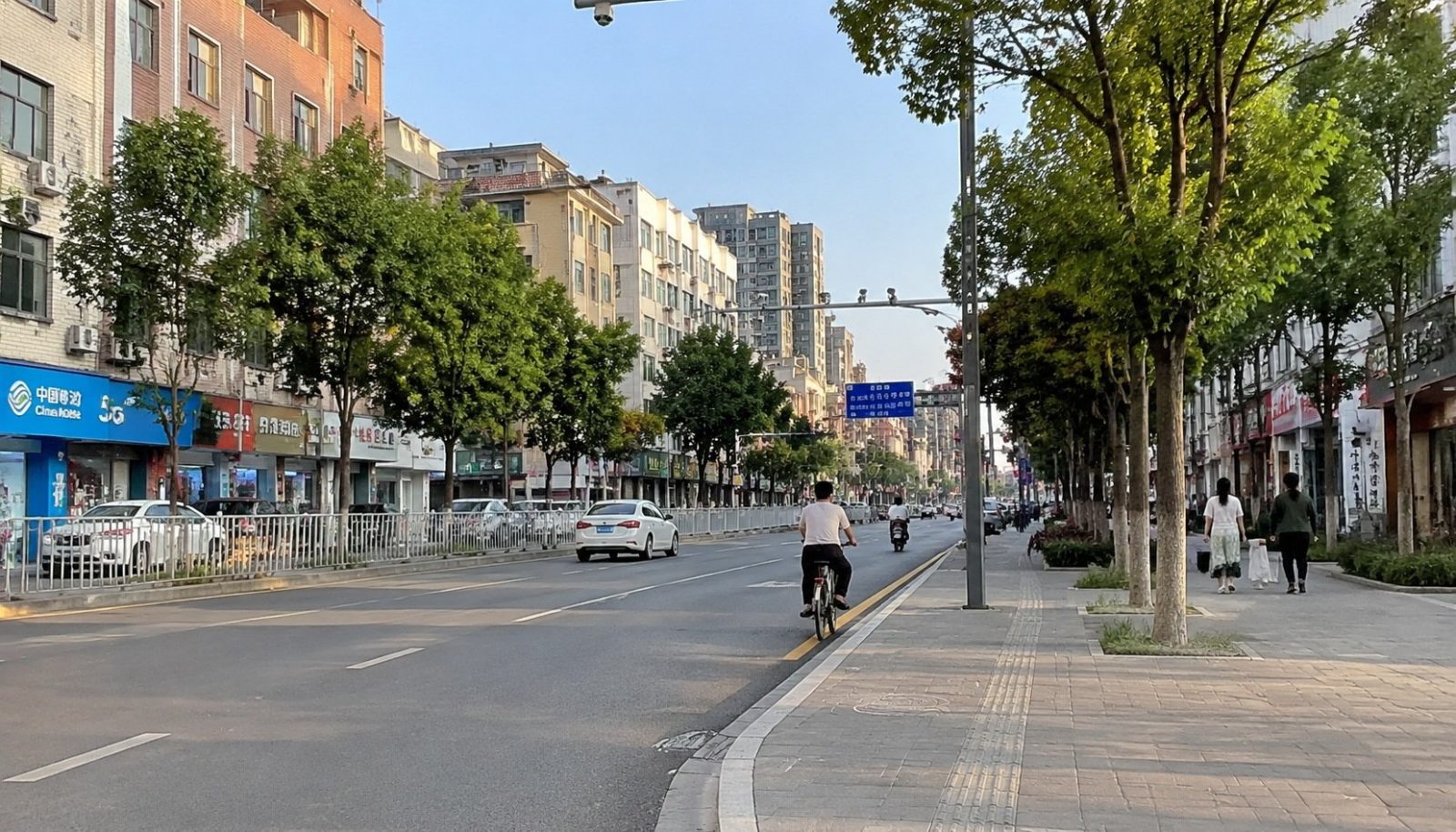
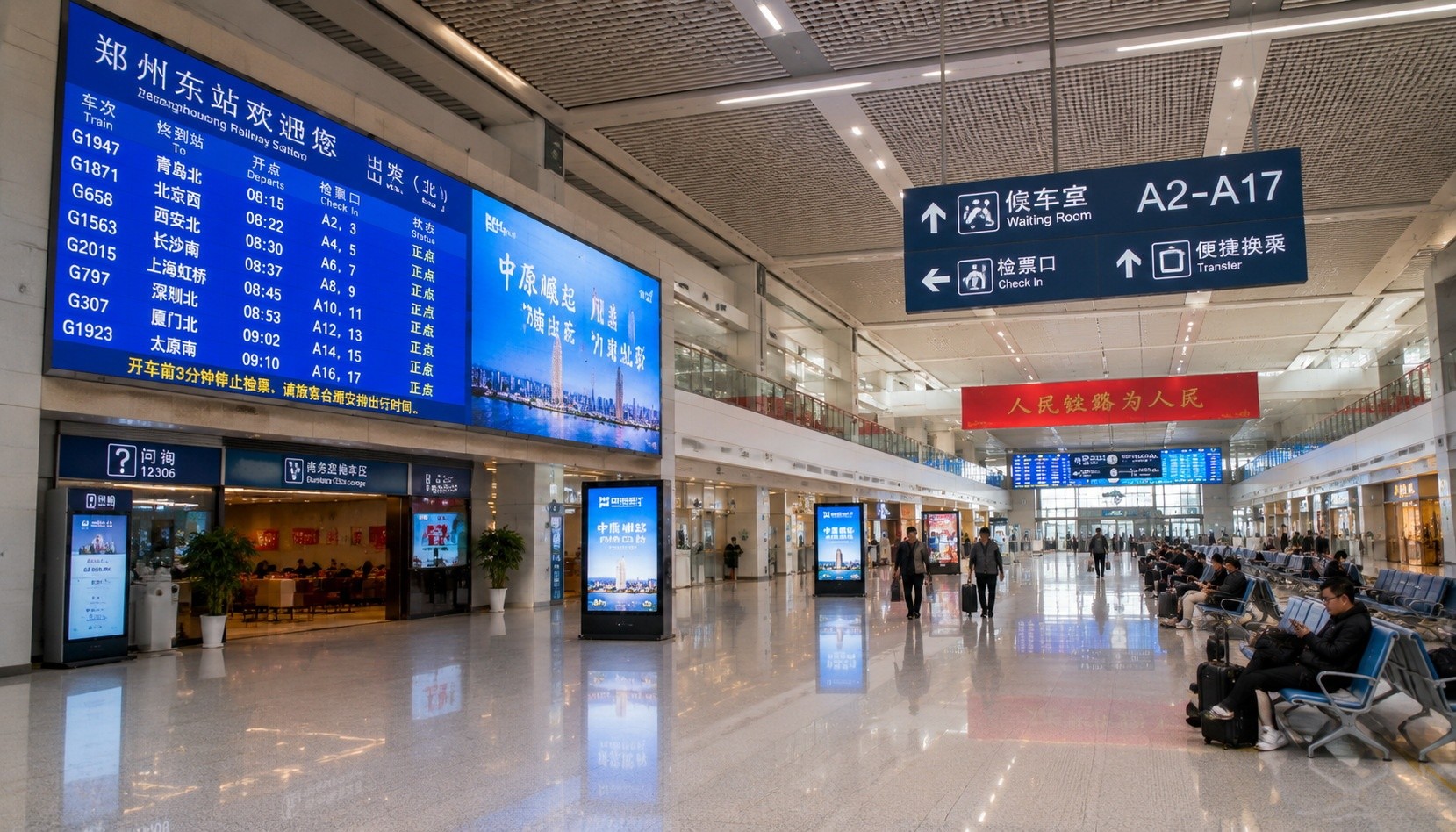
As their train pulled into the station, Mark scanned the platform for signs of disrepair. Instead, he saw a sleek, modern station with digital departure boards and automated ticket gates. Outside, the streets were immaculately clean—no litter, no choked gutters. “I’ve never seen a city so tidy,” Mark recalled. “Even the public restrooms smelled fresh, with tissue paper and hand sanitizer available. That’s better than some places in the U.S.”
Green Spaces and Smart City Features
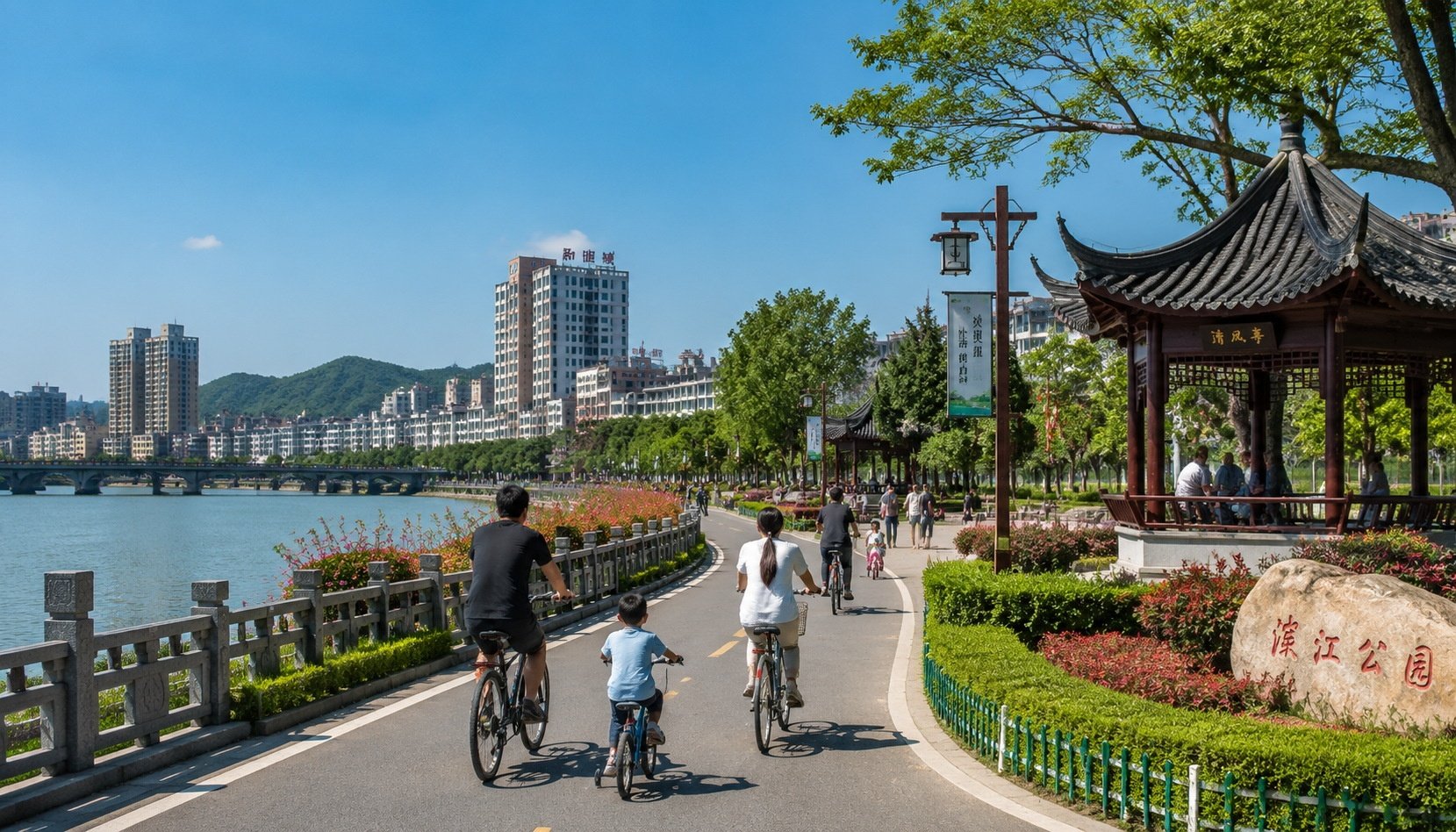
The couple’s friend took them to a riverside park that stretched for miles. Families were cycling on dedicated paths, elderly men playing chess under pavilions, and children feeding ducks in a pond. “Every corner had a trash bin, and people actually used them,” Sarah noted. They also noticed QR code scanners on public rental bikes and even a “smart” bus stop showing real-time arrivals. “It felt like a small-scale version of Shanghai, but with less hustle and more peace,” Mark said.
Everyday Life: A Vibrant Community
Wandering through the local market, they were struck by the variety of fresh produce—dragon fruit, lychees, and greens they couldn’t name. Shopkeepers greeted them with smiles, and one elderly vegetable seller insisted on giving them a free bunch of mint. “People were so friendly, not at all what we expected from a ‘small’ Chinese city,” Sarah said. In the evening, they joined locals dancing in a square under neon lights—a daily ritual that blended fitness and fun. “It felt like the city had a soul,” she added.
Infrastructure that Surprised Them
Mark, an engineer, was impressed by the underground sewage system and the widespread use of solar panels on apartment roofs. “The city planning here is thoughtful. Wide sidewalks have tactile paving for the visually impaired, and most intersections have countdown timers. It’s not just clean—it’s designed for people,” he observed. They also learned that the city had been awarded a “National Civilized City” title, a government recognition that spurred local pride and continuous improvement.
Why This Matters
Mark and Sarah’s story is not unique. Many foreign visitors to China’s smaller cities are surprised by the quality of life. It challenges the Western narrative that only coastal metropolises are modern. “I guess we had this picture in our heads of China being either super futuristic or backward rural,” Sarah reflected. “But this place was both comfortable and advanced. It made me rethink what ‘developed’ really means.”
For anyone traveling to China, don’t skip the fourth-tier cities. They offer a genuine glimpse into how ordinary Chinese live—and that life is cleaner, greener, and more connected than most outsiders imagine.
Start the discussion at forum.chinacomes.com