
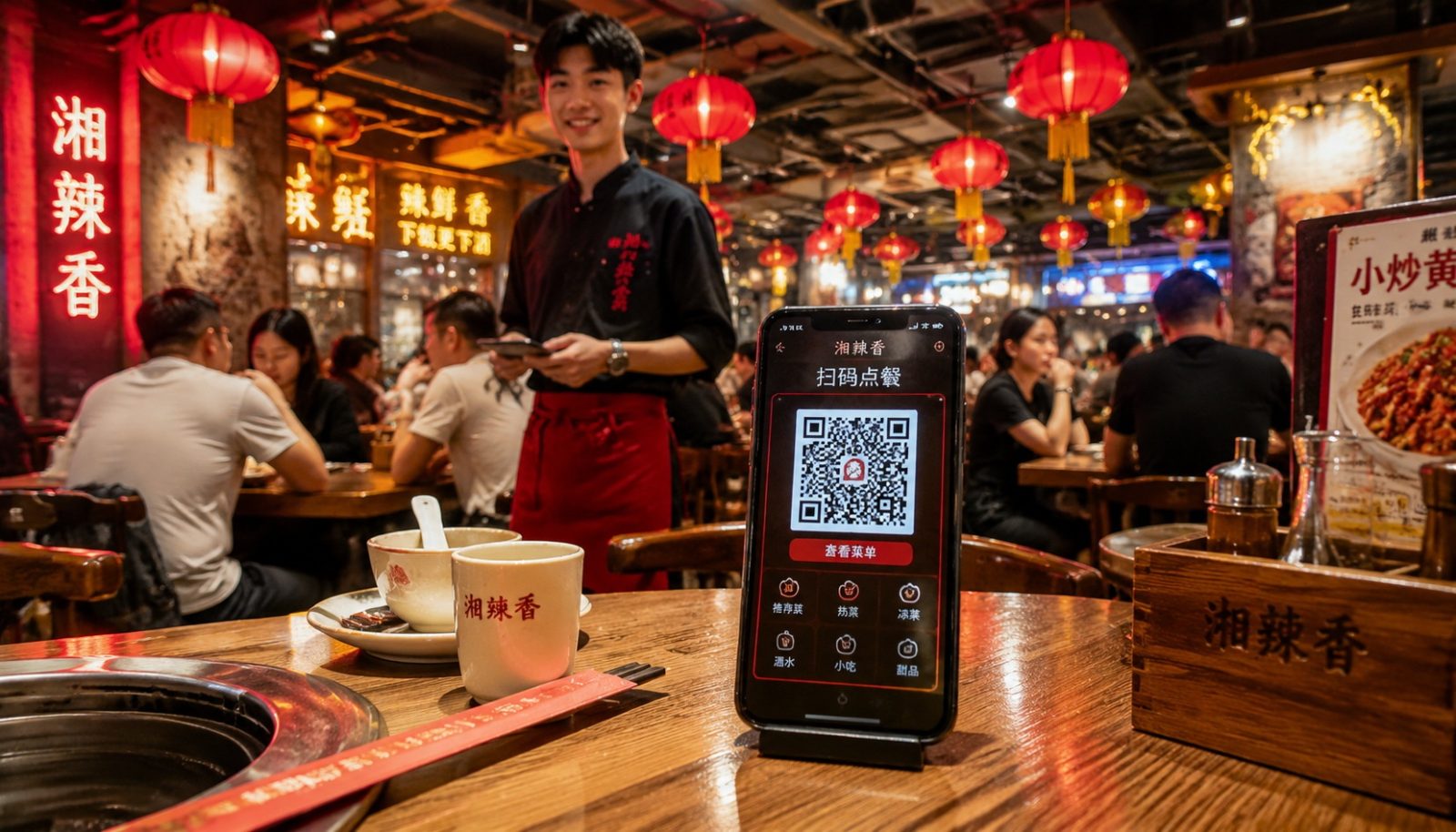

First Bite: The QR Code Invasion
You walk into a bustling Chinese restaurant, hungry and ready to order. The waiter smiles, points at a small black-and-white square on the table, and disappears. No paper menu. No verbal suggestions. Just you, your phone, and a square that promises food – if you can figure it out.
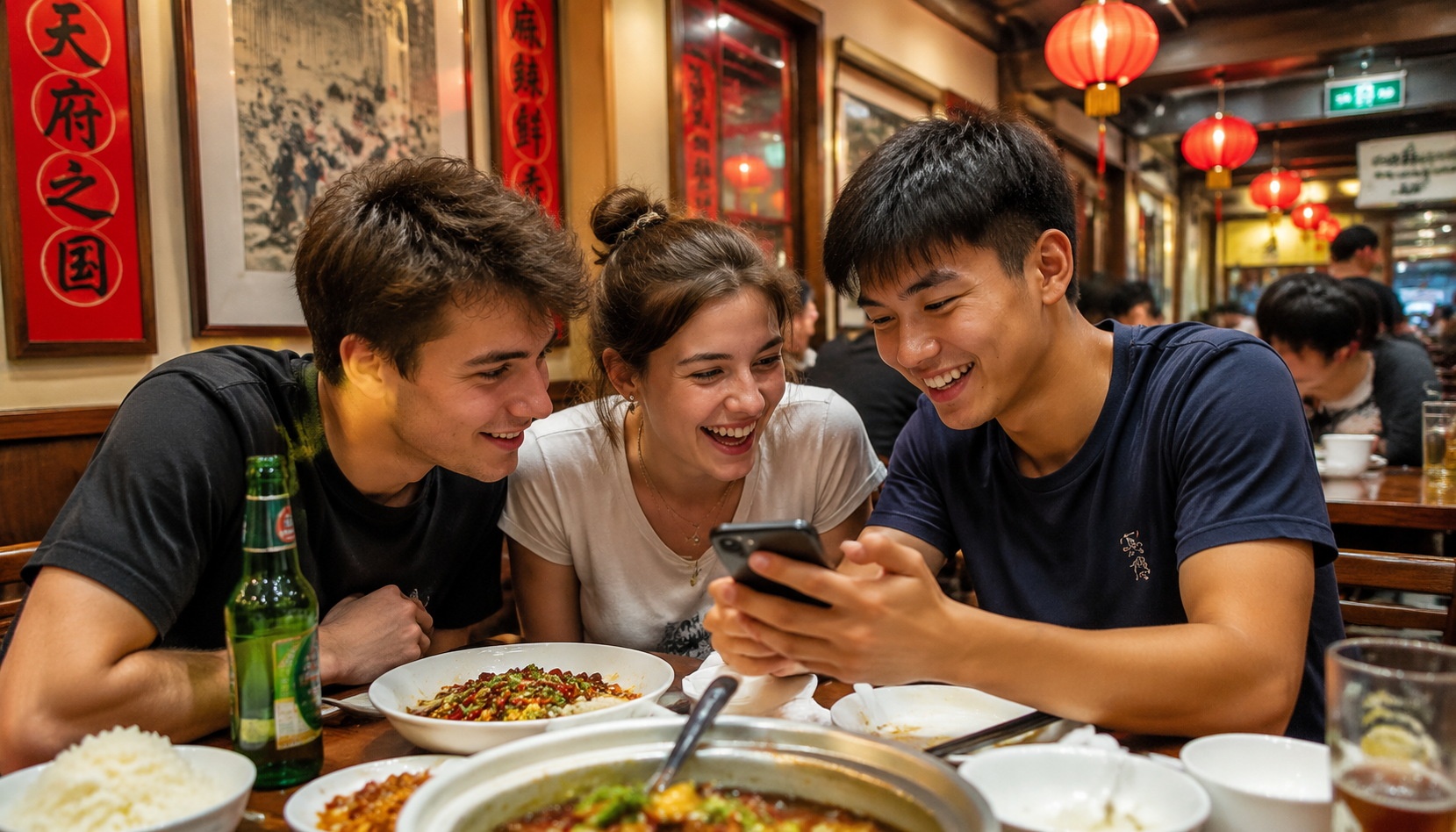
For three American exchange students – Jake, Emily, and Max – this was their first encounter with China’s QR code dining culture. They had heard rumors, but nothing prepares you for the moment when your only gateway to lunch is a digital puzzle. Over the course of a week, they visited ten different restaurants, from hole-in-the-wall noodle joints to upscale hotpot places, to test just how seamless (or ridiculous) this system really is.
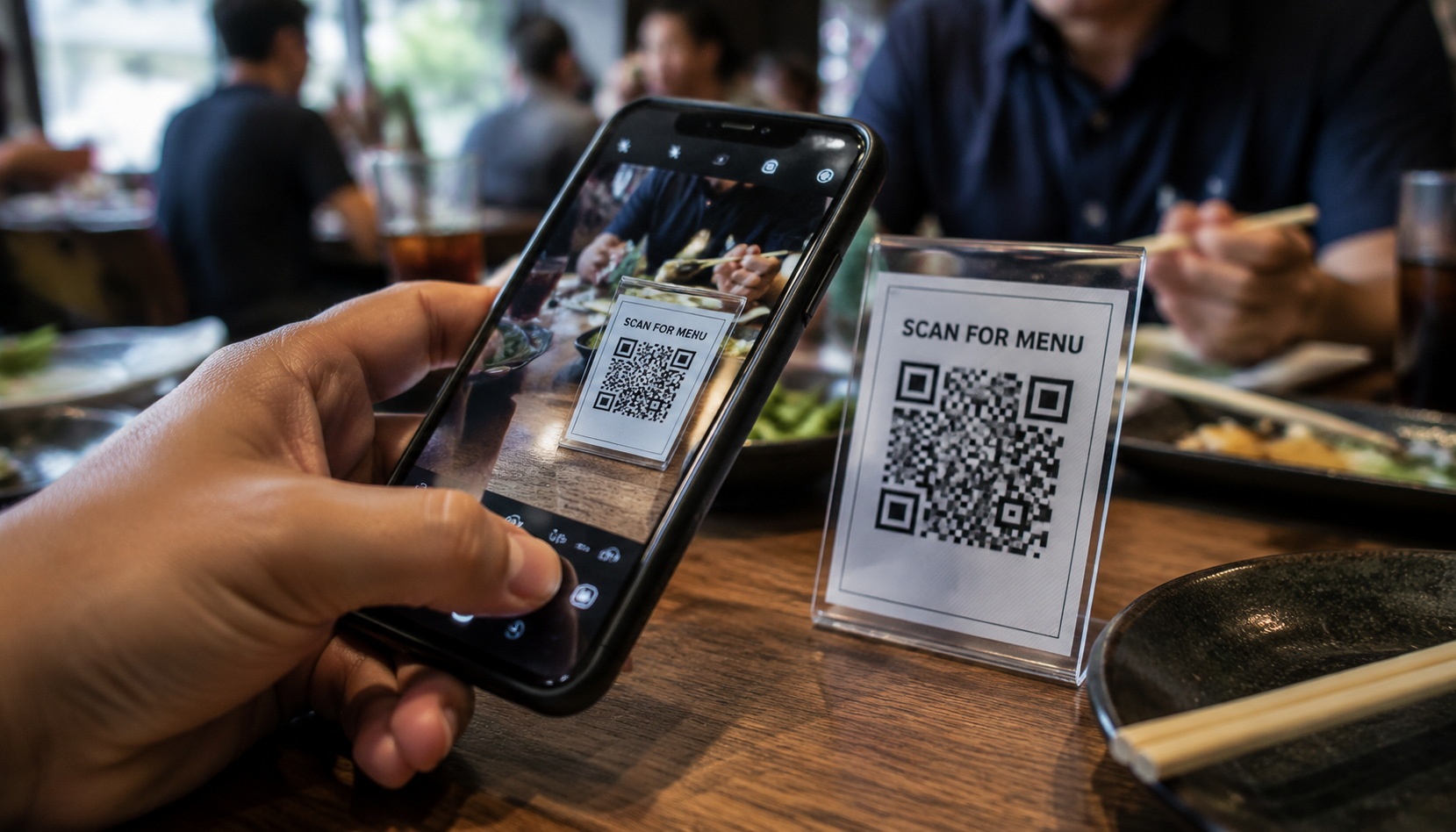
The Test: Panic, Precision, and a Spicy Surprise
Jake went first. He scanned the QR code on a sticky table at a Sichuan spot. The menu popped up in Chinese. No English. He started tapping randomly, hoping for the best. Ten minutes later, a plate of mapo tofu arrived – but it was so spicy it made his eyes water. Turns out, he accidentally selected “extra spicy” by misreading a tiny chili icon. Lesson learned: QR codes don’t have a “undo” button for your taste buds.
Emily, more cautious, noticed something magical: customization options. She could specify “no MSG,” “less oil,” and even “add a love note for the chef.” She added a note in broken Chinese: “Please no spicy, I am weak.” The dish came perfectly mild. She was thrilled. “Back home, you’d have to argue with the waiter for five minutes. Here, I type it once and it works,” she said.
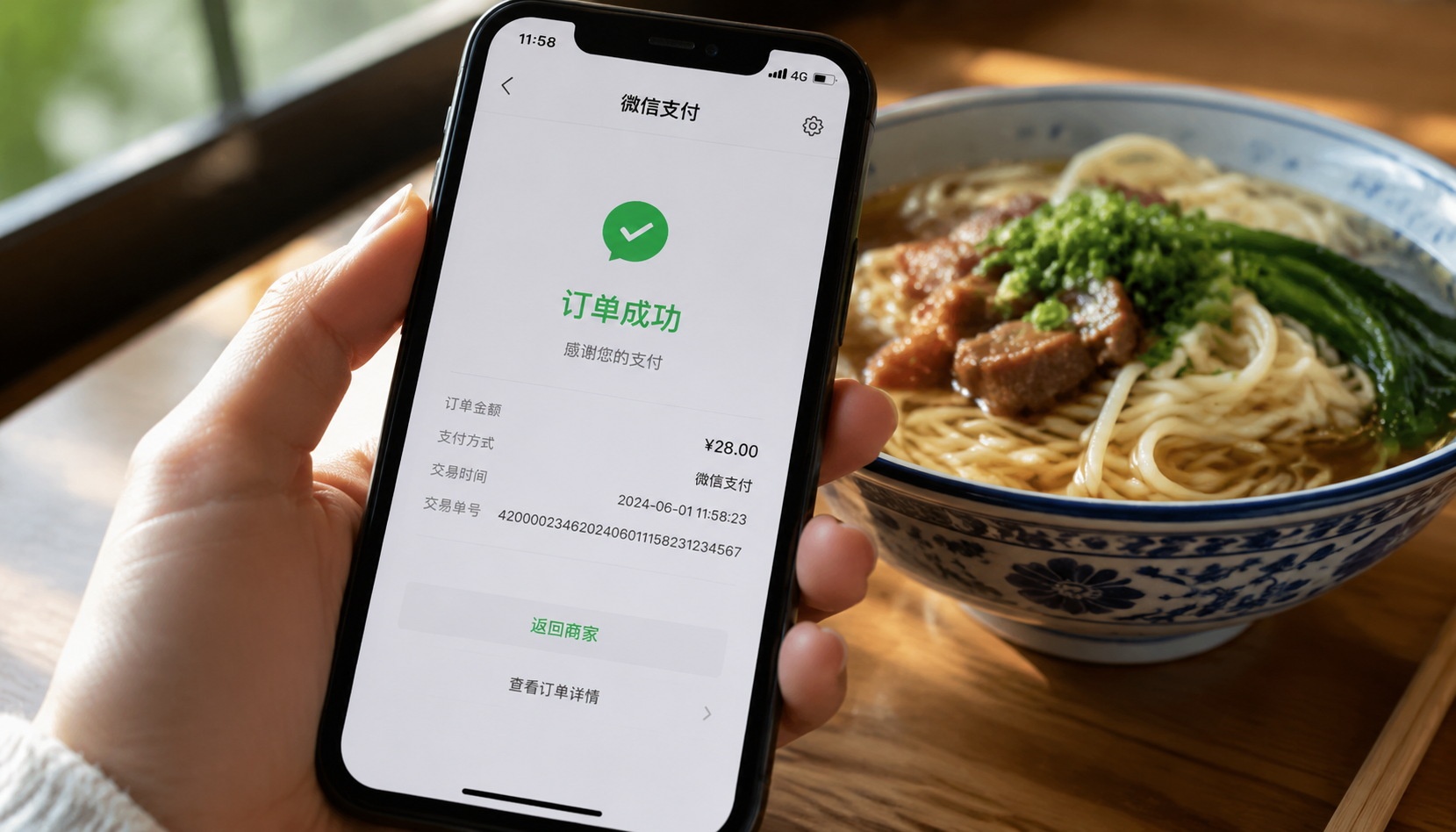
Max, the most tech-savvy, discovered the payment integration. After ordering, he could pay via WeChat without waiting for the bill. He scanned, paid, and left before the waiter even noticed. But then came the weird part: a push notification asked him to rate the meal and tip the chef. “Tipping in China? Through an app? My brain short-circuited,” he laughed.
Why QR Codes? It’s Not Just About Menus
So why is this the norm? First, efficiency. Restaurants save on printing costs and waitstaff time. One QR code can update prices instantly, offer combo deals, and even recommend dishes based on your past orders. Second, data. Every click tells the restaurant what you like – and what you avoid. For chains, that’s gold. Third, hygiene: post-pandemic, touching a phone is seen as cleaner than handling a greasy paper menu. Jake summed it up: “It’s like the menu is alive and learning from you.”
But it’s not perfect. Older customers often struggle. And when the Wi-Fi is slow, you’re stuck staring at a loading wheel. Emily noted, “I saw a grandma just wave her phone at the waiter until he took her order verbally. The system adapts, but it’s not for everyone.”
The Verdict: Would They Survive Without QR Codes?
After a week, all three agreed: QR code ordering is here to stay, and honestly, it’s kind of fun once you get the hang of it. Jake admitted he now prefers it because he can browse the menu at his own pace without a waiter hovering. Emily loves the notes feature. Max just likes leaving the restaurant faster. “In America, dining out is a social ritual that takes hours. Here, it’s a streamlined experience that still feels human – just with more screen time,” Emily concluded.
So next time you see a QR code on a Chinese restaurant table, don’t panic. It’s not a test. It’s an invitation to a smarter, faster, and slightly more digital dining adventure. Just maybe double-check the spice level.
Start the discussion at forum.chinacomes.com