

Introduction: A New Way to Travel
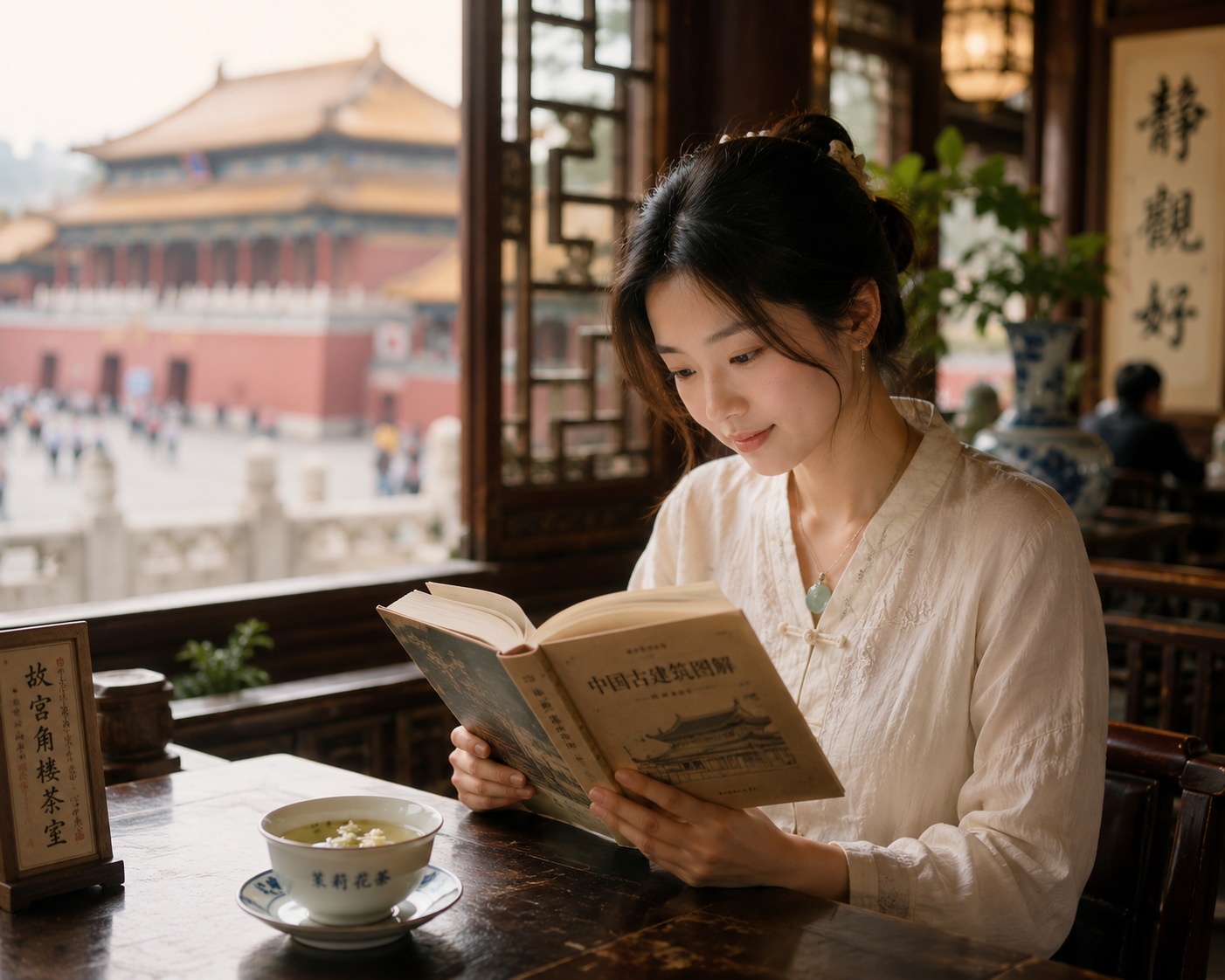
In 2019, a young woman named Li Wei visited the Forbidden City in Beijing. She spent hours there, not just taking selfies in front of the Hall of Supreme Harmony, but joining a guided tour that explained the symbolism of dragon motifs and the history of the Ming emperors. Afterward, she sat in a nearby tea house, sipping a cup of jasmine tea while reading a book about ancient Chinese architecture. Her trip was not about checking off a list of sights; it was about understanding a civilization. Li Wei is part of a growing trend: Chinese tourists are moving away from the ‘been there, done that’ mentality toward deep, immersive experiences.
The Old Days: Snapshots and Souvenirs
Not long ago, Chinese tourism was largely about quantity over quality. Tour groups would rush through scenic spots, spending ten minutes at each location to snap a photo and buy a keychain. The goal was to cover as many attractions as possible in a single trip. This pattern, common in the 1990s and early 2000s, was driven by limited vacation days and a desire to ‘conquer’ destinations. But as incomes rose and travel became more accessible, a shift began.
What’s Driving the Change?
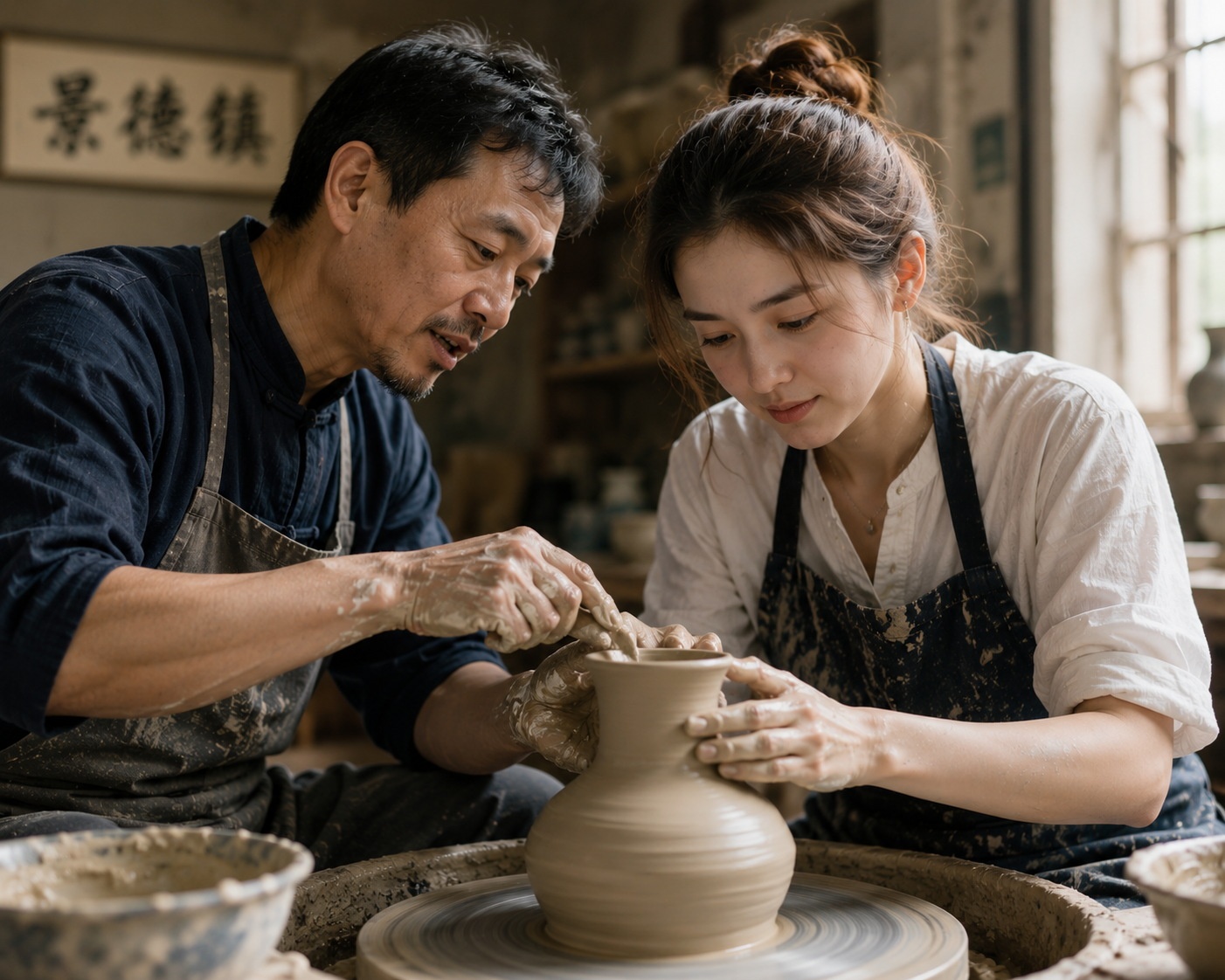
Three main forces are reshaping Chinese tourism. First, the rise of the younger generation—millennials and Gen Z—who prioritize personal meaning over superficial checklists. Second, social media platforms like Douyin (Chinese TikTok) and Xiaohongshu (Little Red Book) have popularized niche travel experiences, from pottery workshops in Jingdezhen to foraging in Yunnan forests. Third, China’s massive investment in high-speed rail and expressways has made it easier to reach remote areas, enabling travelers to explore off-the-beaten-path destinations with comfort.
Data supports this trend. According to the China Tourism Academy, the number of domestic tourists in China reached 6.06 billion in 2023, generating 6.63 trillion yuan in revenue. More importantly, spending on experiences—such as cultural performances, cooking classes, and guided heritage walks—has grown by 20% annually since 2018, outpacing spending on souvenir shopping.
New Forms of Deep Experience
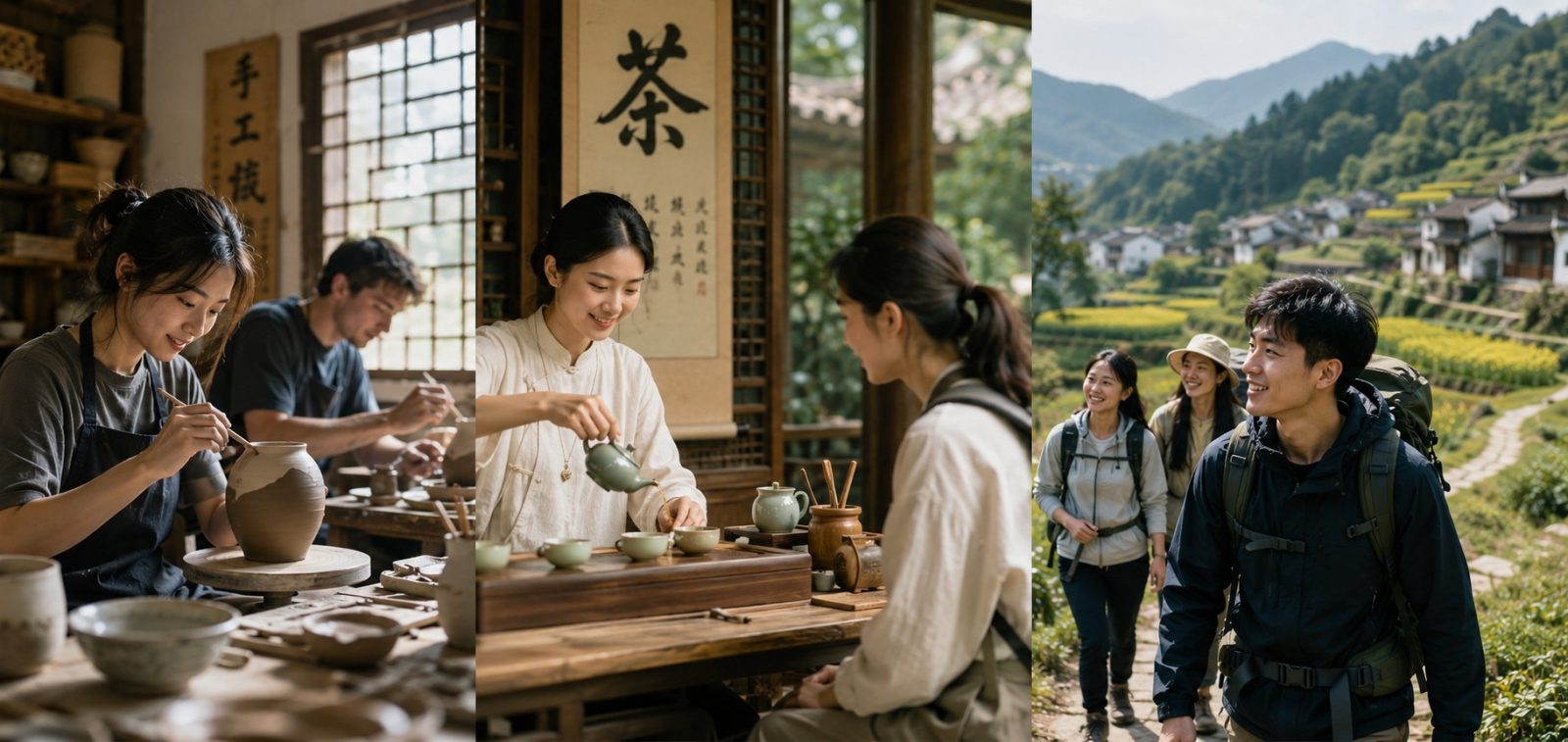
Today, Chinese tourists are embracing activities that connect them to local life. Cultural study tours, where travelers learn calligraphy or tea ceremony from masters, are booming. Rural homestays in places like Moganshan offer not just a bed, but a chance to pick tea leaves or make bamboo crafts alongside villagers. In cities like Chengdu, travelers skip the panda base and instead spend an evening learning Sichuan opera face-changing from a retired performer.
International tourists are also shifting. In 2023, China’s inbound tourism recovered to 82 million visitors, and a survey by Ipsos showed that 57% of foreign travelers now prioritize ‘cultural immersion’ over ‘famous landmarks.’ This has led to the rise of customized tours that pair visitors with local families for a home-cooked meal, or arrange expert-led walks through ancient alleyways.
One Traveler’s Story
Let’s return to Li Wei. In 2016, she took her first solo trip to Lijiang, Yunnan. Back then, she spent most of her time in the old town, buying trinkets and posing for photos at the Black Dragon Pool. ‘I felt like I saw Lijiang, but I didn’t feel it,’ she recalls. In 2023, she returned to Yunnan—this time to a Naxi village near Lijiang. She stayed with a local family, helped them make butter tea, and learned to play the bamboo flute from a village elder. ‘I came back with stories, not just photos,’ she says.
What This Says About Chinese Society
The evolution of tourism reflects deeper changes in China: a rising middle class that values quality of life, a renaissance of traditional culture, and a growing openness to the world. Chinese travelers are becoming more sophisticated, and destinations are adapting. Museums now offer interactive exhibits; ancient towns limit crowd sizes to preserve atmosphere; and rural communities are revitalized through tourism income.
Conclusion: Travel as a Window into China
From rushed group tours to personalized journeys of discovery, China’s tourism industry has transformed. For the visitor—whether domestic or international—this means a richer, more authentic experience. And for the world, it offers a clearer window into the real China, beyond the clichés of terra-cotta warriors and skyscrapers. As Li Wei puts it, ‘Now, every trip is a chance to truly understand a place.’
Start the discussion at forum.chinacomes.com