

Your Morning Coffee, Minus the Journey
Imagine this: You wake up, grab your phone—made in China. You order a coffee, and the cup arrives from Indonesia. Your laptop? Built in Taiwan. Your jeans? Sewn in Bangladesh. All of these items traveled through a chain that starts—or ends—in a Chinese port.
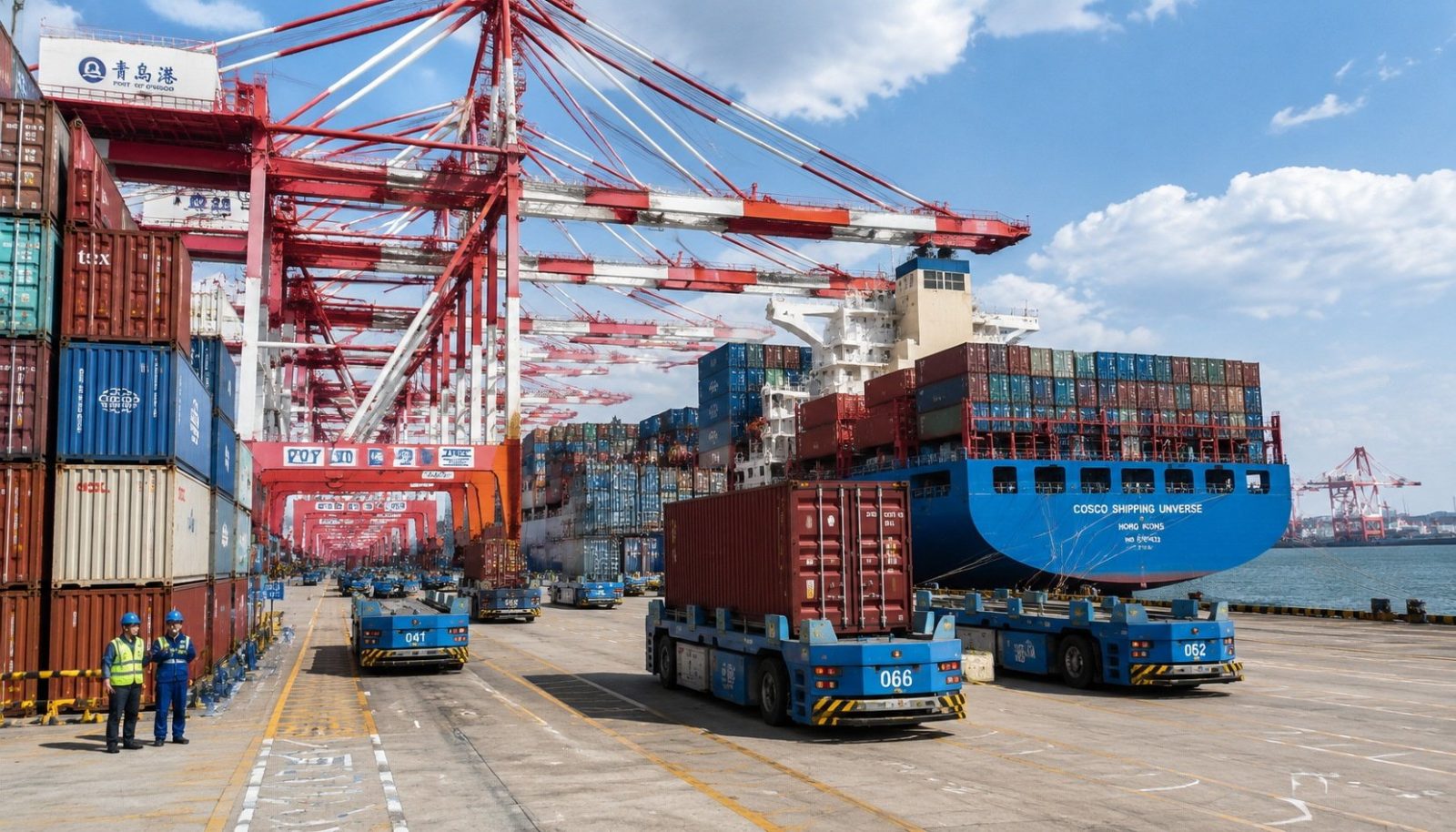
Chinese ports handle about 30% of the world’s container traffic. That’s not a boast; it’s a fact. But for most people, a port is just a blur of cranes and shipping containers seen in photos. What does it actually do for you?
The World’s Busiest Dockyards
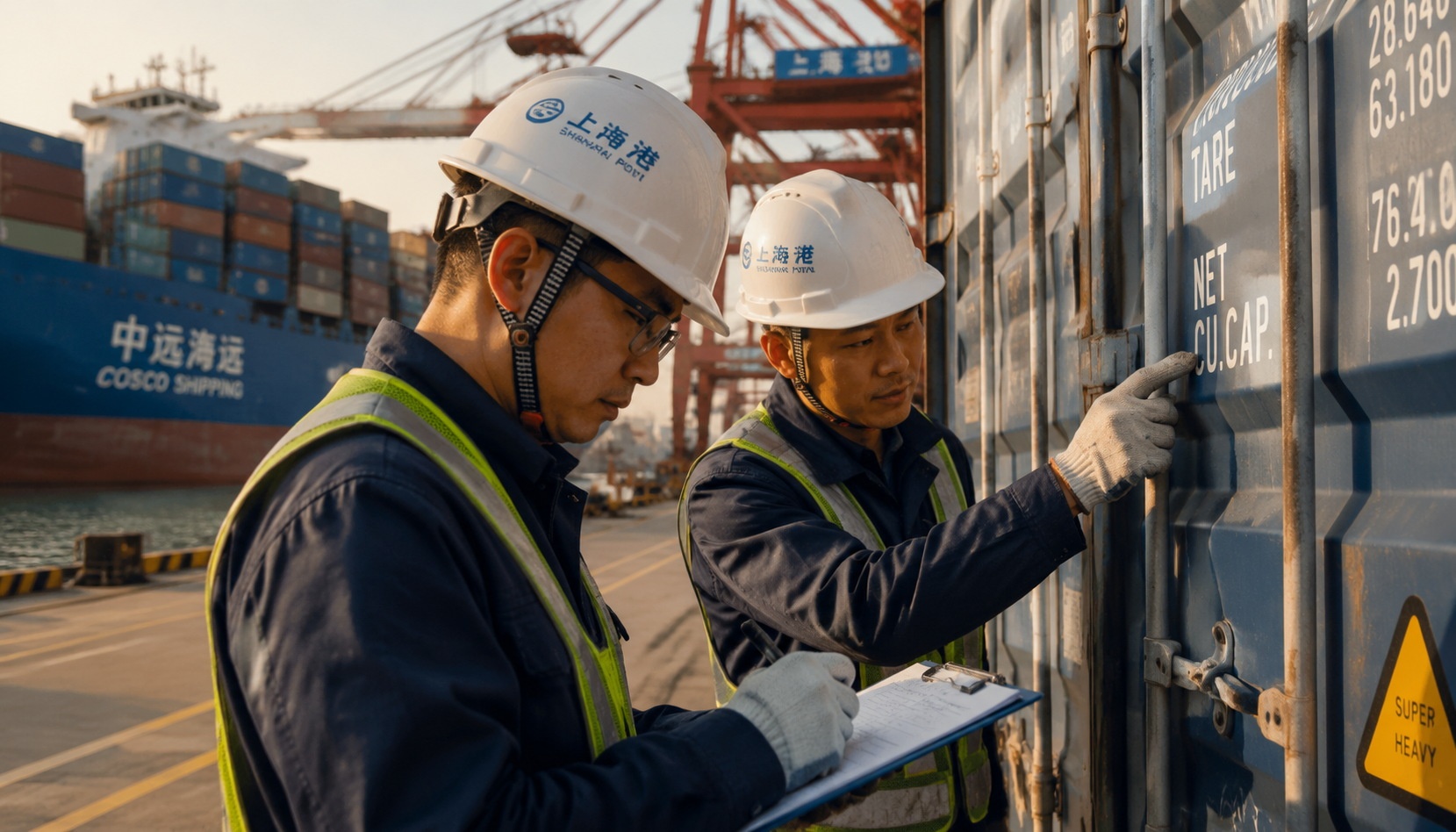
Take the Port of Shanghai, which has been the world’s busiest container port for over a decade. It moves roughly 43 million TEUs (twenty-foot equivalent units) per year. A single TEU can hold about 4,000 flat-screen TVs, or 50,000 pairs of sneakers. When you buy a pair of Adidas online, there’s a good chance it was unloaded in Shanghai, transferred to a truck, and then driven to a warehouse near you.
But it’s not just about volume. Speed matters. Chinese ports have invested heavily in automation. At Qingdao Port, driverless cranes stack containers 24/7. At Yangshan Deep-Water Port (part of Shanghai), automated guided vehicles shuffle boxes like giant puzzle pieces. This efficiency translates directly to your wallet: the faster a ship unloads, the cheaper the shipping cost. And cheaper shipping means you get more stuff for less money.
From Ship to Couch: The Last Mile
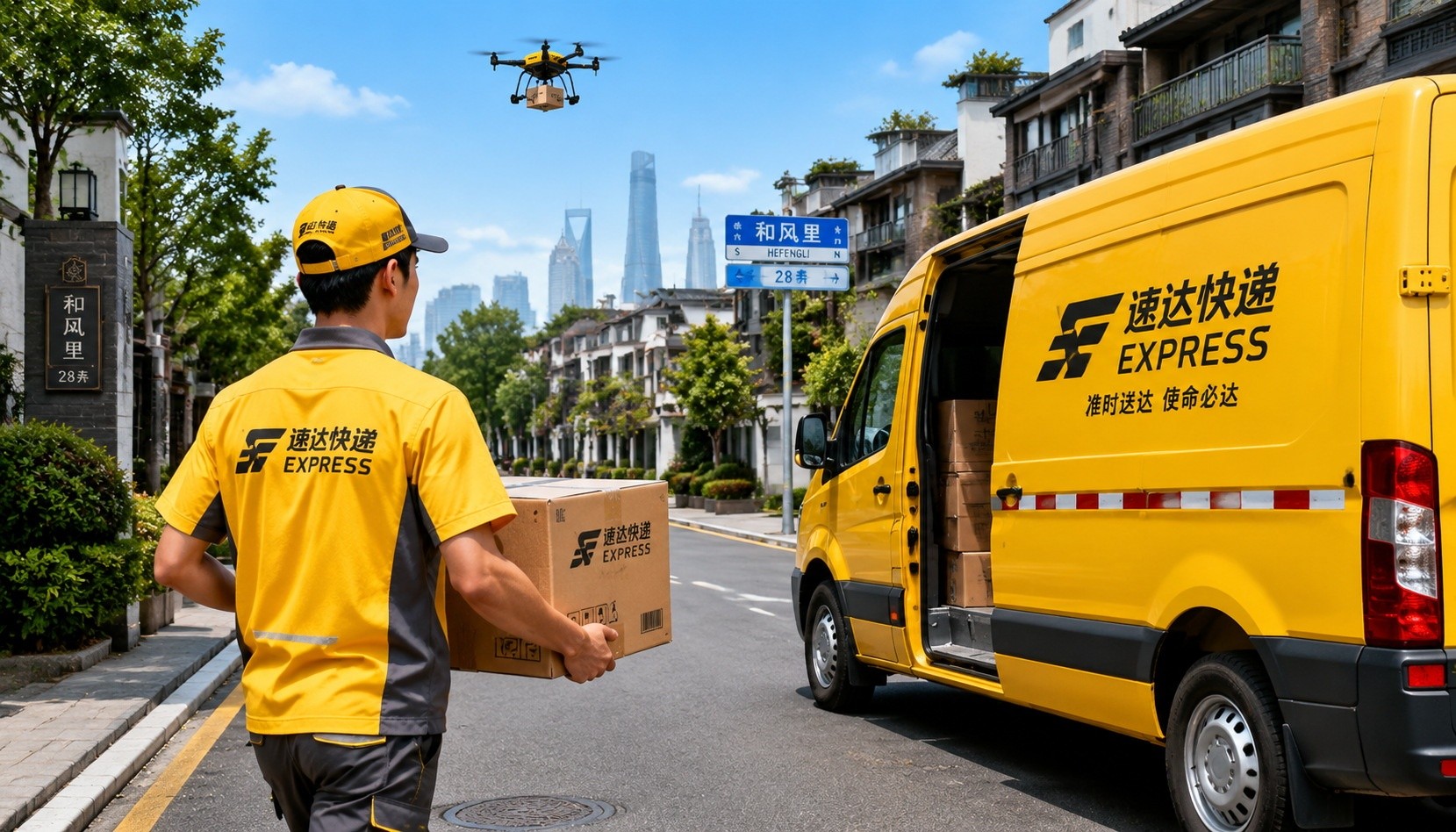
Of course, a port doesn’t deliver to your door. That’s where the rest of the logistics chain kicks in. China’s massive network of highways, trains, and warehouses connects ports to every corner of the country. It’s why an online order can arrive in 24 hours.
Let’s take a concrete example: you order an iPhone case from Shenzhen. The factory is near the Yantian Port. Within hours, the case is packed into a container, trucked to the port, and loaded onto a ship. Ten days later, it arrives in Los Angeles. Customs clears it in a day. Then it’s onto a truck, to a local warehouse, and finally to your doorstep. The whole trip takes about two weeks—and the port shaved off two days compared to a decade ago.
What This Means for Your Dinner
But ports don’t just move electronics and clothes. They also move food. China imports huge amounts of beef from Brazil, seafood from Norway, and fruit from Chile. The cold chain logistics—refrigerated containers and warehouses—are now so good that fresh salmon can go from a Norwegian fjord to a Chinese kitchen in under 48 hours. And the same goes for exports: Chinese garlic, ginger, and mushrooms reach your local supermarket quickly because ports handle them with care.
So when you order a spicy Sichuan noodle bowl from a delivery app, the chili oil might have come via container from China. The cooking pot? Likely made in a Chinese factory near a port. The phone you used to order? Same story.
Why Does This Matter to You?
Chinese ports are a barometer for global trade. When they’re busy, the economy is humming. When they slow down, you feel it—delayed packages, pricier shoes, fewer choices. The pandemic proved this: a single crew outbreak in a Chinese port caused weeks of delays worldwide.
For the average person, it’s easy to ignore these giant infrastructure projects. But next time you unbox a package or tap a screen to order dinner, think about the journey it took. A huge ship, a robot crane, a truck, and a tired courier—all working because a port did its job.

Not Just Big, but Smart
Chinese ports are also becoming greener. Shanghai’s Yangshan port now uses shore power so ships don’t burn diesel while docked. Many ports use solar panels and electric cranes. These changes cut air pollution in port cities—a direct benefit for people living nearby.
And there’s a trickle-down effect: as ports digitize, logistics companies adopt better tracking. That’s why you can see your package ping across the map. The transparency comes from port data shared with shipping lines and customs.
A Peek Inside a Port Worker’s Day
To get personal, talk to Chen Wei, a crane operator at Ningbo-Zhoushan Port. He sits in a small control room 50 meters high, operating a giant spreader to grab containers. “Every container has a story,” he says. “It might be toys for a child, medicines for a hospital, or parts for a factory. I never see them, but I know they matter.”
Chen’s skill matters, too. A good operator can move 30 containers an hour. Mistakes can delay a ship. His salary supports his family, and his job exists because global demand keeps growing.
So Next Time You Tap ‘Order’…
Remember that Chinese ports are the invisible engines behind modern convenience. They make it possible to have almost anything, almost instantly, at a price you can afford. The next time you enjoy a fresh avocado in winter or get a package in two days, tip your hat to a container terminal halfway around the world. It’s doing more for your lifestyle than you might think.
Start the discussion at forum.chinacomes.com