

The Paradox of Efficiency
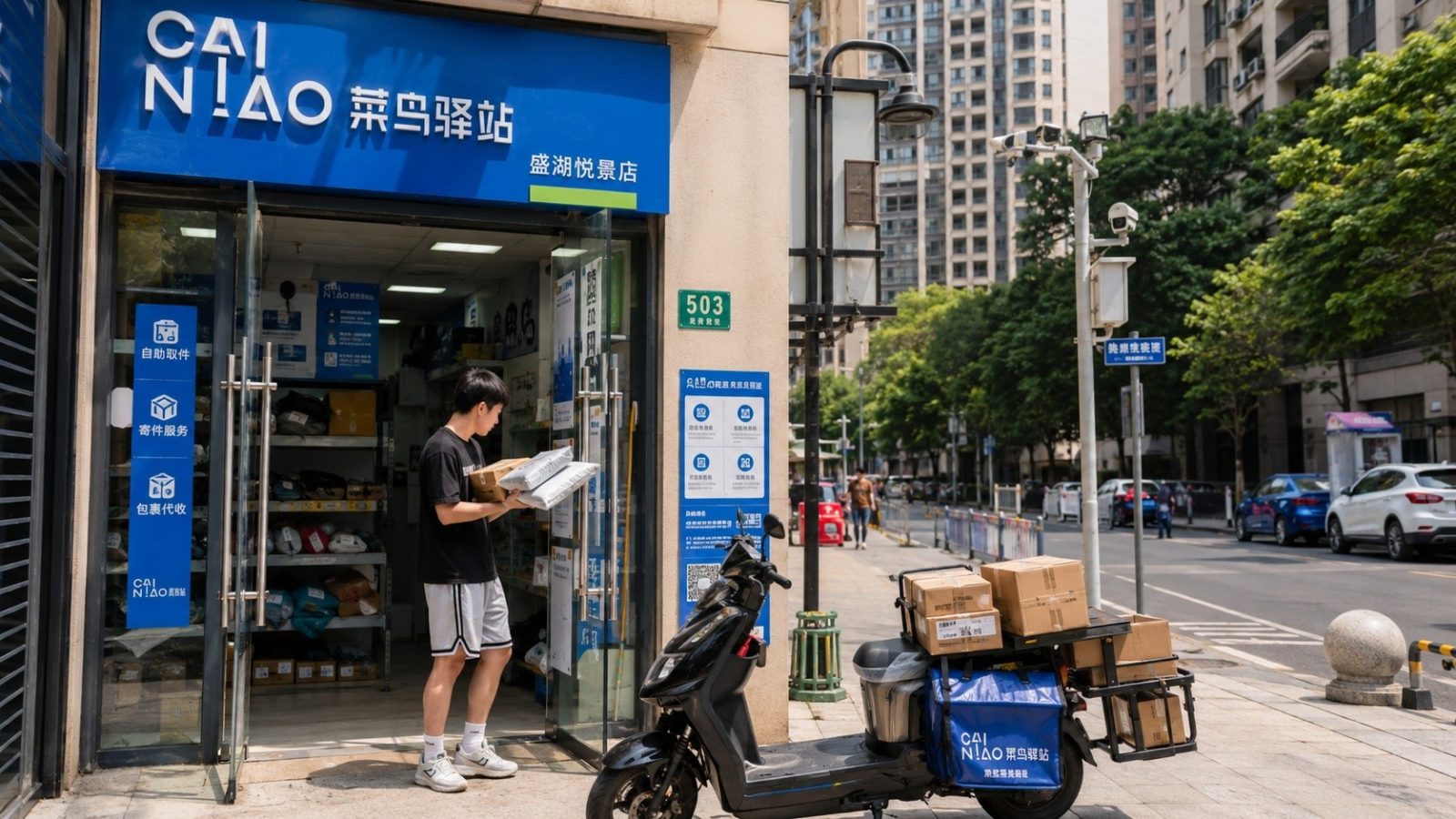
It is 8:30 AM on a Tuesday in Shanghai. Li Wei, a 24-year-old software engineer, steps out of his apartment building carrying two plastic bags. One contains his breakfast baozi; the other holds three packages he ordered less than 12 hours ago. He doesn’t ring a doorbell. He doesn’t wait for a courier to arrive at his gate. Instead, he walked 50 meters to a small, brightly lit booth attached to the corner of his building—the “Cainiao Station.”
Inside, a young woman scans his QR code with a handheld device. Beep. She hands him the boxes. The entire interaction takes less than ten seconds. For Li Wei, this routine is as invisible as electricity. But for someone coming from New York or London, it can feel like magic—or even confusion. In many Western countries, the expectation is still that a driver will bring packages directly to your porch, often requiring you to be home during specific hours. The idea of collecting mail from a third-party locker or storefront is unfamiliar.
So, why is China’s logistics system so relentlessly fast? It isn’t just about faster delivery trucks or more efficient airports. The real secret lies in the “last mile.” In Chinese urban planning and commercial logic, the last mile—the distance from the local distribution center to your actual door—is solved not by individual doorstep deliveries for every single item, but through a hybrid of high-density infrastructure and algorithmic precision.
The Human Infrastructure: Cainiao Stations
To understand Chinese e-commerce, you have to look at its physical backbone. Unlike the Western model where the postal service or private couriers push packages directly into your hands, China relies on a hub-and-spoke network centered around what is known as the “last-mile” community station.
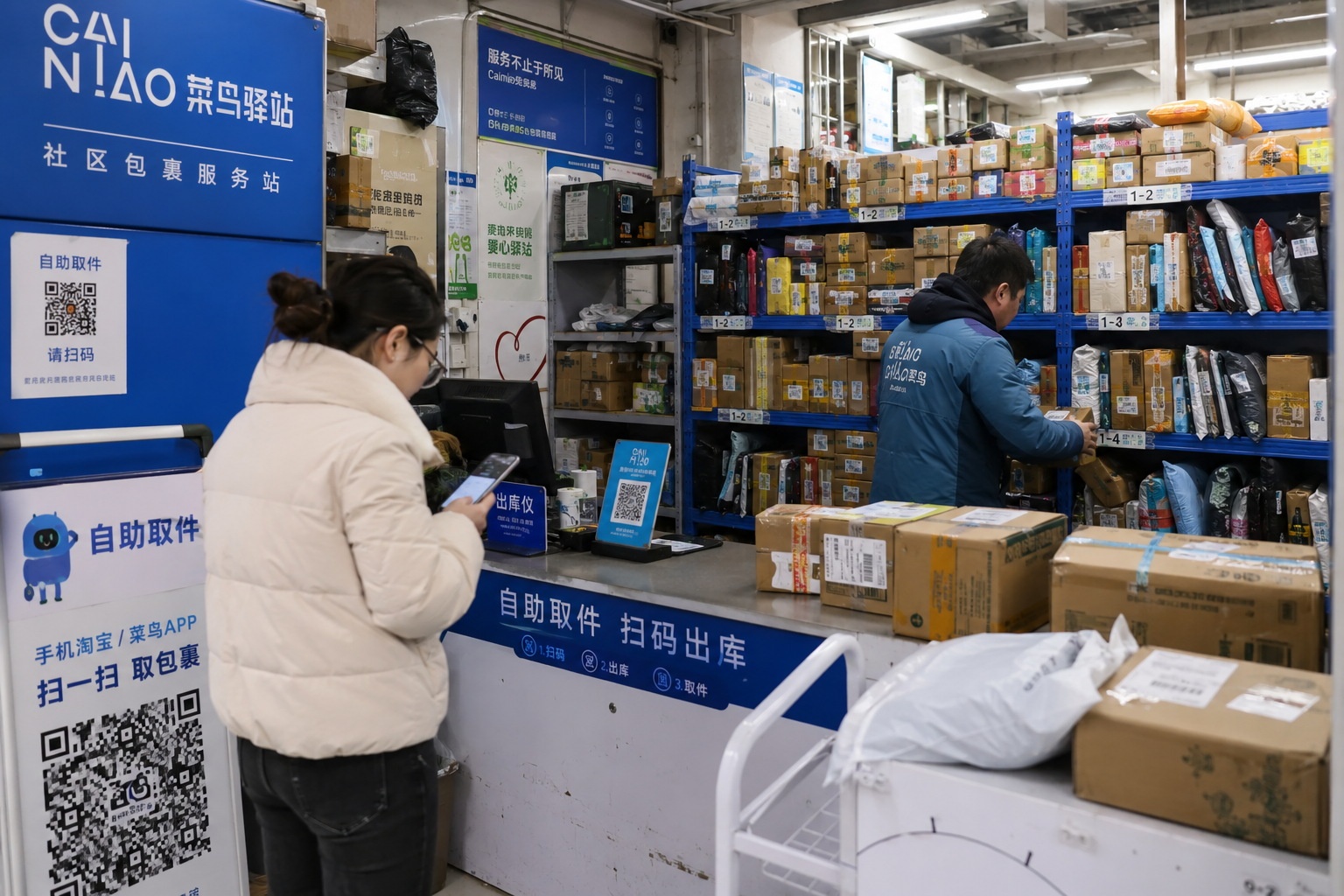
These stations are everywhere. In residential compounds, they are often converted garages or small storefronts run by local entrepreneurs—sometimes an auntie who also sells vegetables, sometimes a dedicated logistics franchise. For major platforms like Alibaba’s Cainiao, JD.com, and SF Express, these hubs act as sorting centers for the final leg of the journey.
This model solves two problems at once: labor costs and urban density. Delivering to ten apartments in one building individually is expensive and time-consuming for a courier. By consolidating packages into a central hub, couriers can drop off hundreds of items in minutes. The consumer then picks them up at their convenience.
It feels impersonal compared to doorstep delivery, but it is deeply integrated into the rhythm of Chinese city life. Most major cities have populations exceeding 10 million people living in high-rise clusters. This density makes shared pickup points not just viable, but necessary for efficiency. If every package were delivered door-to-door with a signature required, the logistical cost would skyrocket, and delivery times would slow to a crawl.
The Algorithmic Backbone: Data Moves Before Packages Do
Speed isn’t just about how fast a bike can weave through traffic; it’s about knowing where the package needs to be before you even click “buy.” This is where Chinese logistics diverges sharply from traditional Western models.
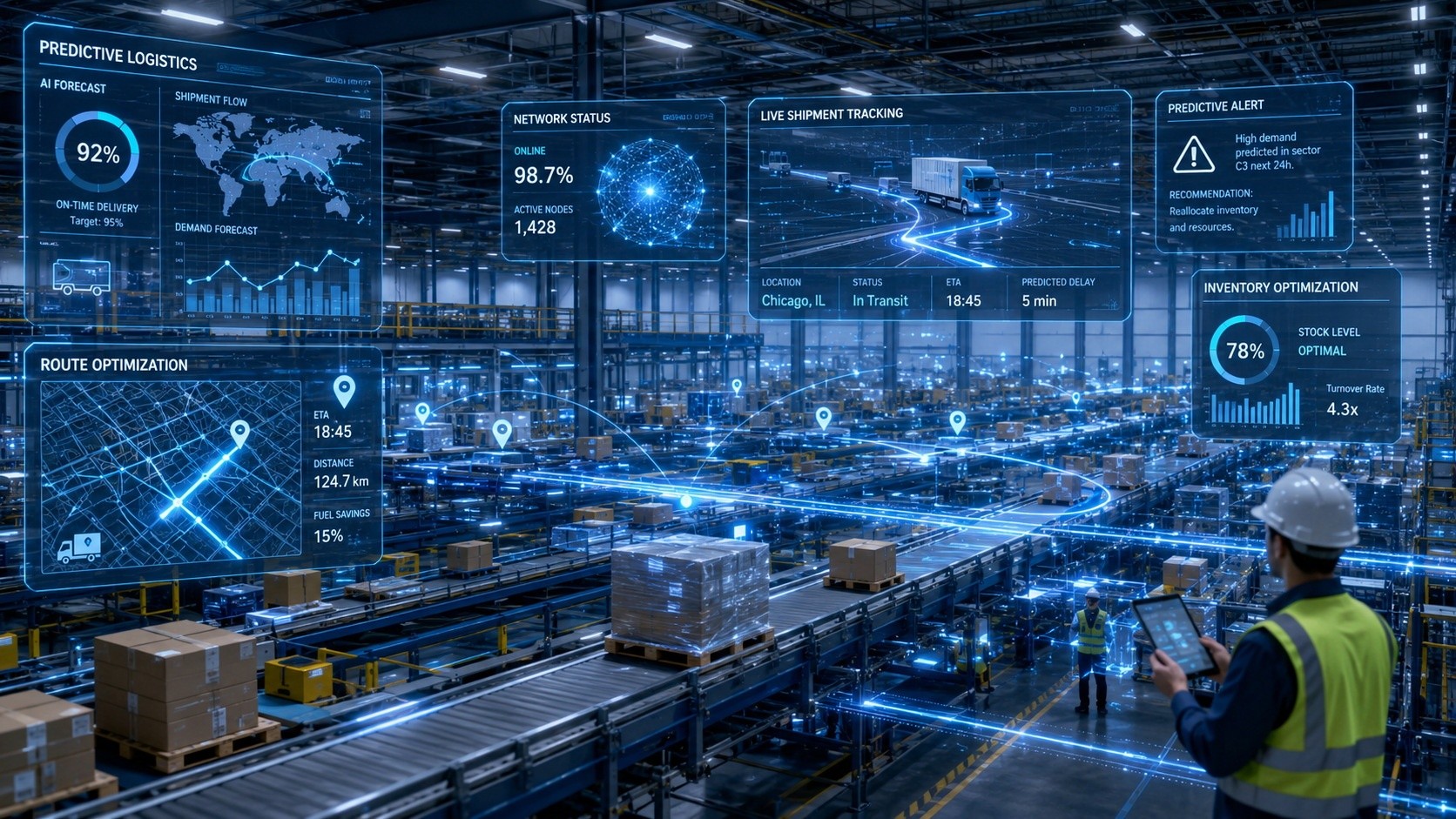
Chinese e-commerce platforms use advanced predictive analytics. They don’t just ship what you ordered today; they move inventory based on what they predict you will order next week. If Li Wei, the software engineer, usually buys phone cases in March, his local warehouse may have already stocked similar items weeks ago.
This concept is called “pre-positioning.” Goods are moved from central warehouses to smaller, neighborhood-level micro-fulfillment centers before any specific order is placed. When a customer finally places an order, the package doesn’t travel hundreds of miles; it might only need to travel a few kilometers from the nearest hub.
This level of data integration relies on real-time tracking of browsing habits, seasonal trends, and even weather patterns. It turns logistics into a proactive service rather than a reactive one. The result is that same-day or next-day delivery becomes the standard, not the exception.
The Gig Economy and the “Delivery Brothers”
Behind every scanned QR code is a person. In China, these are often referred to as “Kuaidi Xiaoge” (express delivery brothers). They are mostly young men, many of them rural migrants who have moved to cities for work.
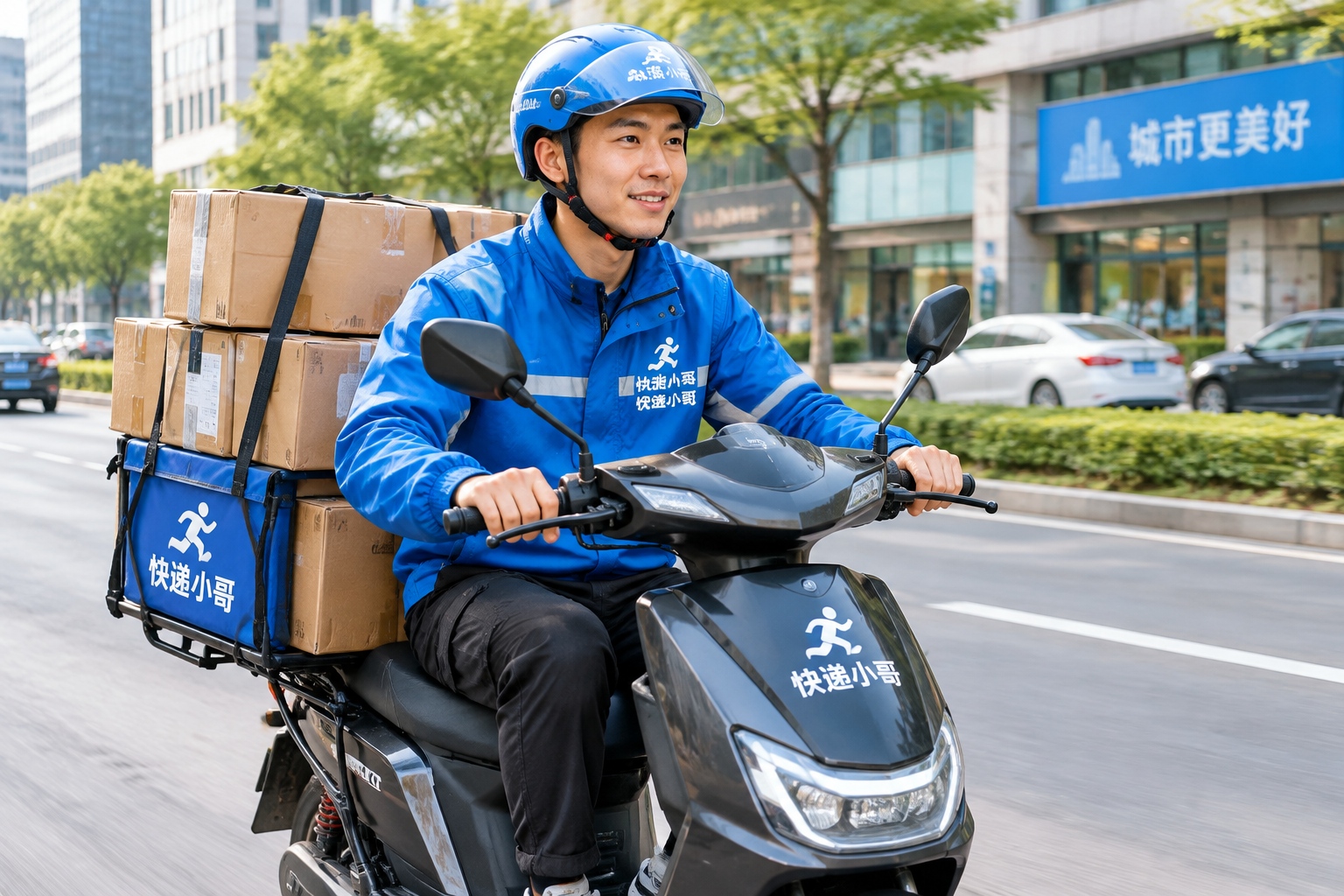
The job is physically demanding and time-pressured. A single courier might make 100 to 200 deliveries a day, navigating crowded elevators and complex apartment layouts. They ride electric scooters through traffic, often dodging pedestrians and cars in a dance of daily survival.
While this system drives efficiency, it also highlights the complexities of China’s gig economy. The pressure on these workers is real, with strict penalties for late deliveries or customer complaints. However, it has also become one of the most accessible entry points into urban employment for millions. For many, it offers a degree of financial independence and mobility that was previously unavailable.
Observers often focus on the technology, but the human element remains central. The speed of Chinese logistics is sustained by a vast, flexible workforce that adapts to the algorithmic demands of big tech platforms.
Cultural Context: Trust in Digital Integration
Why do Chinese consumers accept this hub-based model so readily? Part of it is convenience, but a large part is trust in digital infrastructure. In China, logistics are tightly integrated with super-apps like WeChat and Alipay.
Your identity, payment method, and delivery address are all linked in one seamless ecosystem. There is no need to manage multiple accounts or worry about security when sharing your phone number for a pickup code. The friction between the digital order and the physical handover is minimal.
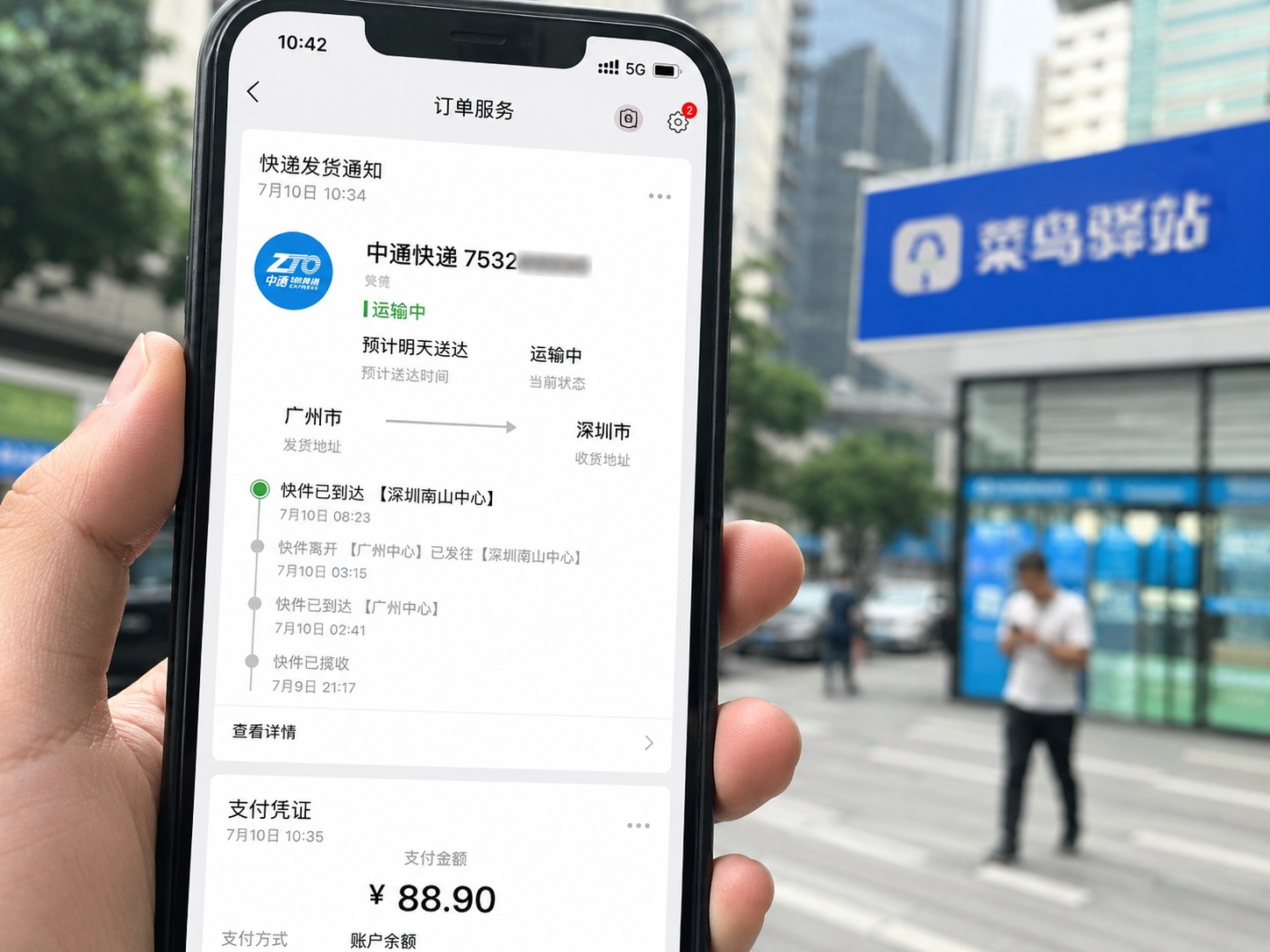
Furthermore, there is a cultural shift toward efficiency over personalization. In high-density urban environments, the collective benefit of speed often outweighs the desire for individual doorstep service. People are willing to walk an extra five minutes to pick up their packages if it means faster overall delivery and lower costs.
A Different Kind of Convenience
When Western observers look at China’s logistics, they often see only speed. But the reality is more nuanced. It is a system built on density, data, and social adaptation. The “last mile” isn’t solved by sending one driver to every house; it’s solved by creating a network of community hubs that absorb the final step.
This model offers a glimpse into modern Chinese urban life: efficient, digital-first, and deeply interconnected. It is not perfect—issues of labor rights and environmental impact remain—but it has redefined what is possible in supply chain management. For the average consumer like Li Wei, it simply means that when he needs something, it arrives before he even realizes how much time has passed.
Start the discussion at forum.chinacomes.com