
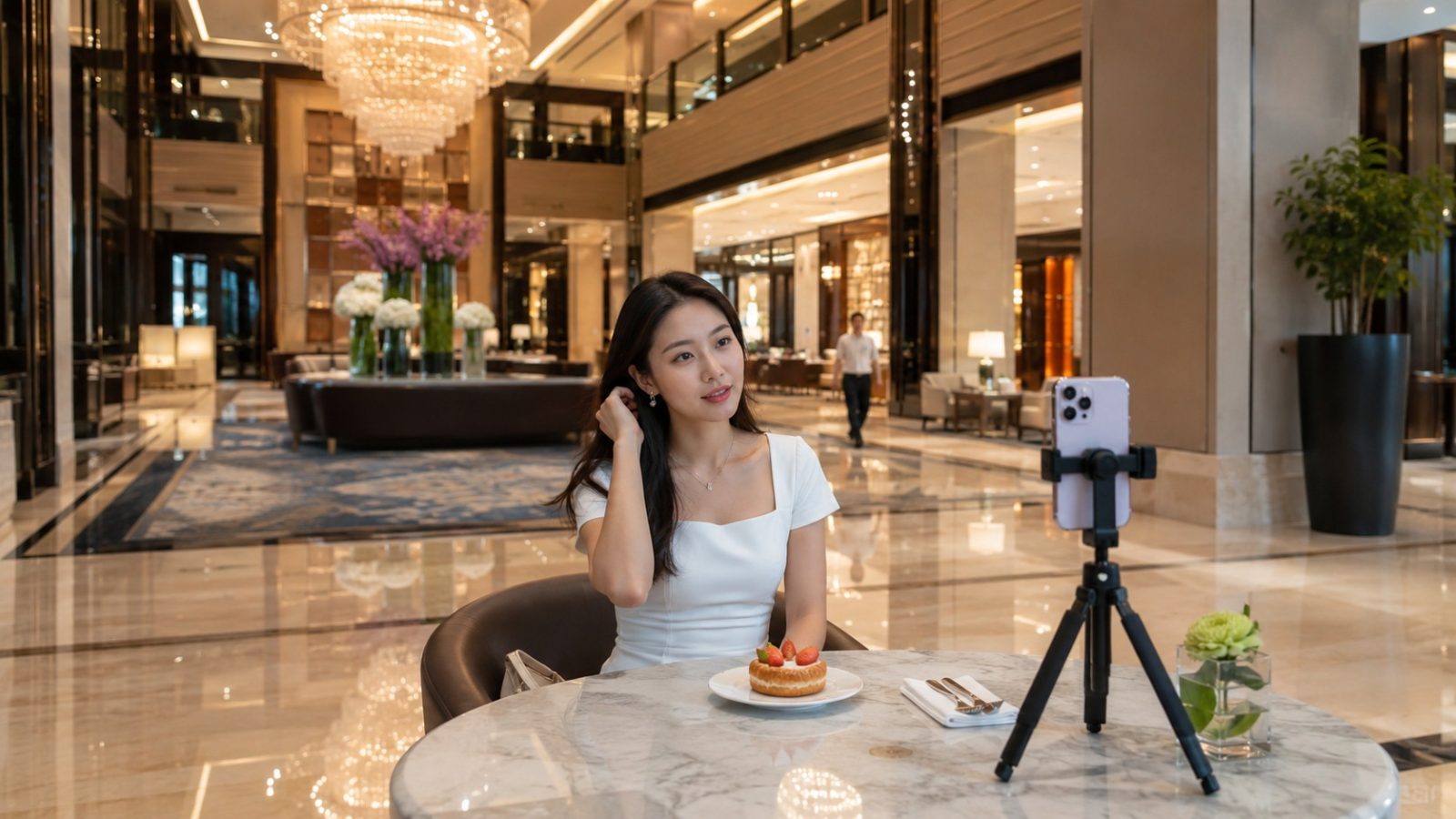

The Photo That Costs Less Than a Lunch
At a high-end hotel lobby in Shanghai, a group of young women sits around a marble table. Crystal glasses clink, and delicate pastries are arranged with geometric precision. To the casual observer, it looks like the weekend of affluent socialites. But look closer. The woman in the Chanel replica blazer checks her watch, not for the time, but for the lighting. Within ten minutes, they pack up, swap WeChat contacts, and rush to their next “set.” They did not come to eat; they came to perform.
This scene is the modern evolution of what Chinese media once dubbed “fake socialites” (拼单名媛). The term went viral in 2019 when news broke that women were sharing $50 silk scarves and splitting the bill for a four-person afternoon tea set. Today, the trend has not disappeared; it has merely professionalized. It is no longer just about cheap replicas. It is about “group-order” (拼单) culture applied to lifestyle: splitting costs for gym passes, co-working space memberships, and exclusive restaurant reservations.
How the ‘Hustle’ Works
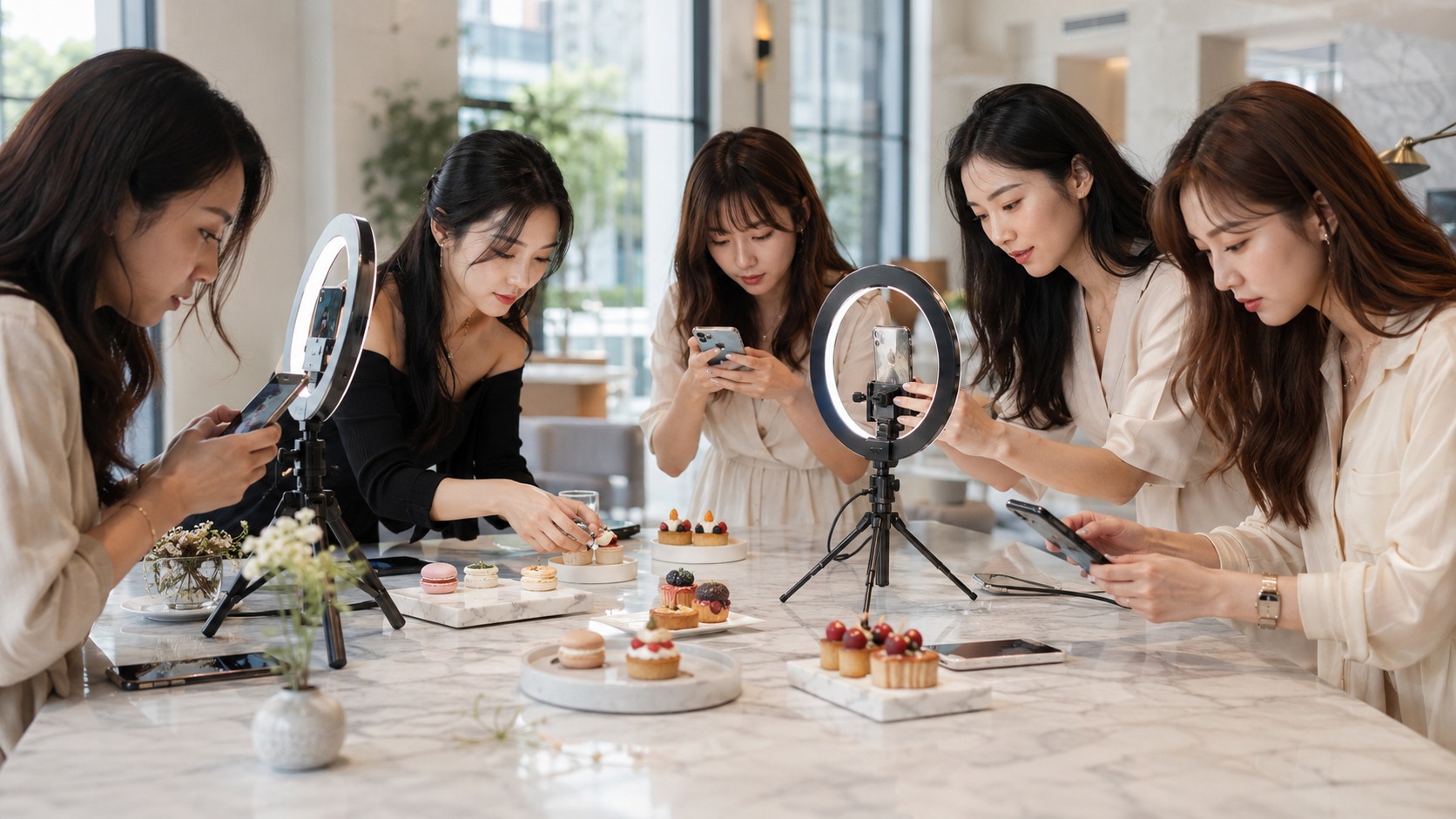
The mechanism behind these group orders is surprisingly efficient. It operates through private WeChat groups, acting as the hidden infrastructure of China’s social media economy. Here is how it typically unfolds:
- Coordination: An organizer (often a part-time influencer or agency assistant) finds a venue with strong aesthetic appeal—good lighting, minimalist decor, and “Instagrammable” corners.
- Cost-Sharing: Participants pay a small fee, often just $10 to $20, to cover the cost of one dish or a drink. This allows them to access venues that would otherwise cost hundreds of dollars.
- The Shoot: Strict time limits are enforced. Usually, groups have only 30 to 45 minutes. Phones are set up on tripods, and ring lights are used to ensure flawless skin tones.
- Content Distribution: Photos are shared back into the group. Everyone curates their own feed, tagging the location and using hashtags like #ShanghaiLife or #LuxuryLifestyle.
This is not a scam in the traditional sense. It is a service. For many young women, this “performance” is a low-cost marketing strategy to build a personal brand.
More Than Vanity: The Business of Appearance
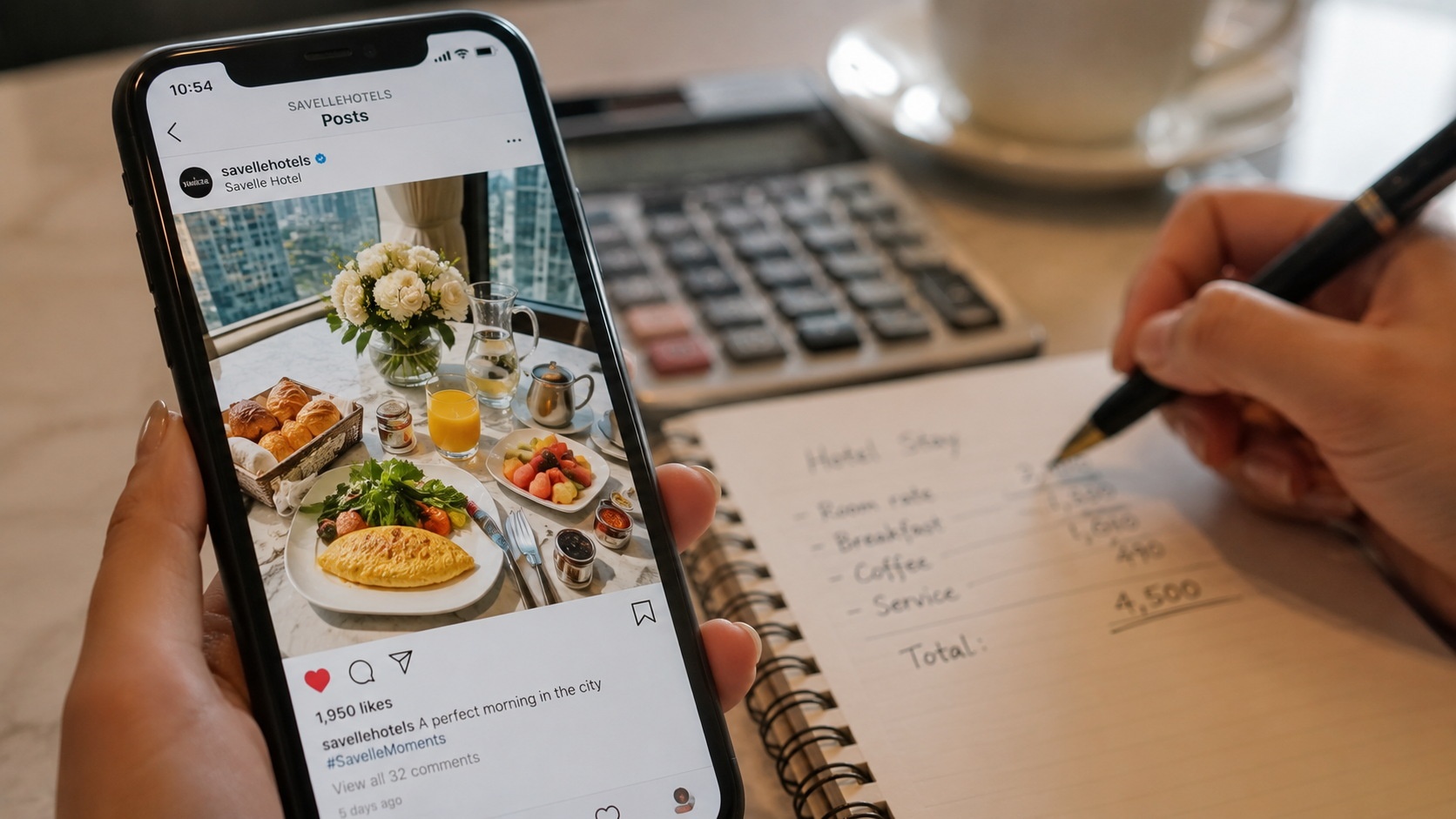
Why do they do it? If you ask them directly, you might hear words like “aesthetics” or “sharing beauty.” But dig deeper, and the answer is economic. In China’s creator economy, attention is currency. A polished online persona can lead to sponsorship deals, better job opportunities in PR or marketing, or even matchmaking prospects.
“I’m not trying to fool people into thinking I’m rich,” says Lin, a 26-year-old junior marketing assistant in Beijing who participates in these group dinners. “I’m trying to signal that I have taste, that I understand this world. If I look like I belong in a high-end environment, I might get hired by a luxury brand.”
This is the logic of “social capital.” In a society where online presence often precedes offline reality, looking the part is half the battle. For young professionals facing steep housing prices and intense workplace competition, these small investments in appearance offer a tangible return on investment: visibility.

The Algorithm’s Trap
It would be unfair to blame the participants entirely. The platform algorithms of Douyin (TikTok) and Xiaohongshu (Little Red Book) actively reward this behavior. These platforms prioritize high-quality, aspirational content. A video of a modest apartment often gets fewer views than a video of a luxury hotel suite, regardless of the actual lifestyle.
Algorithms create a feedback loop. Users see that “elite” aesthetics get likes and comments, so they mimic those aesthetics. The gap between reality and performance widens. Young people feel pressured to maintain a facade of success because the digital economy punishes mediocrity.
This is not unique to China, but the scale and speed are different. In the West, “influencer culture” is often associated with established celebrities. In China, it has trickled down to entry-level workers who treat their social media profiles as their primary resume.
The Anxiety Behind the Filter
There is a subtle exhaustion in this constant performance. Many participants admit to feeling like impostors. They spend hours editing photos, worrying about whether the background looks authentic enough. The “fake socialite” label carries a stigma of dishonesty, yet these young people argue they are simply playing a game that everyone else is playing.
As one participant put it: “We are all acting. The difference is that some people act with their career, and we act with our phones. It’s just a different uniform.”
Ultimately, the “group-order socialites” are not villains. They are pragmatists navigating a system that values image over substance. They are using every tool available to climb the ladder in a crowded market. Whether this is clever or tragic depends on your perspective, but it is certainly a reflection of modern Chinese life: hyper-competitive, digitally driven, and endlessly performative.