

The First Thing You Notice
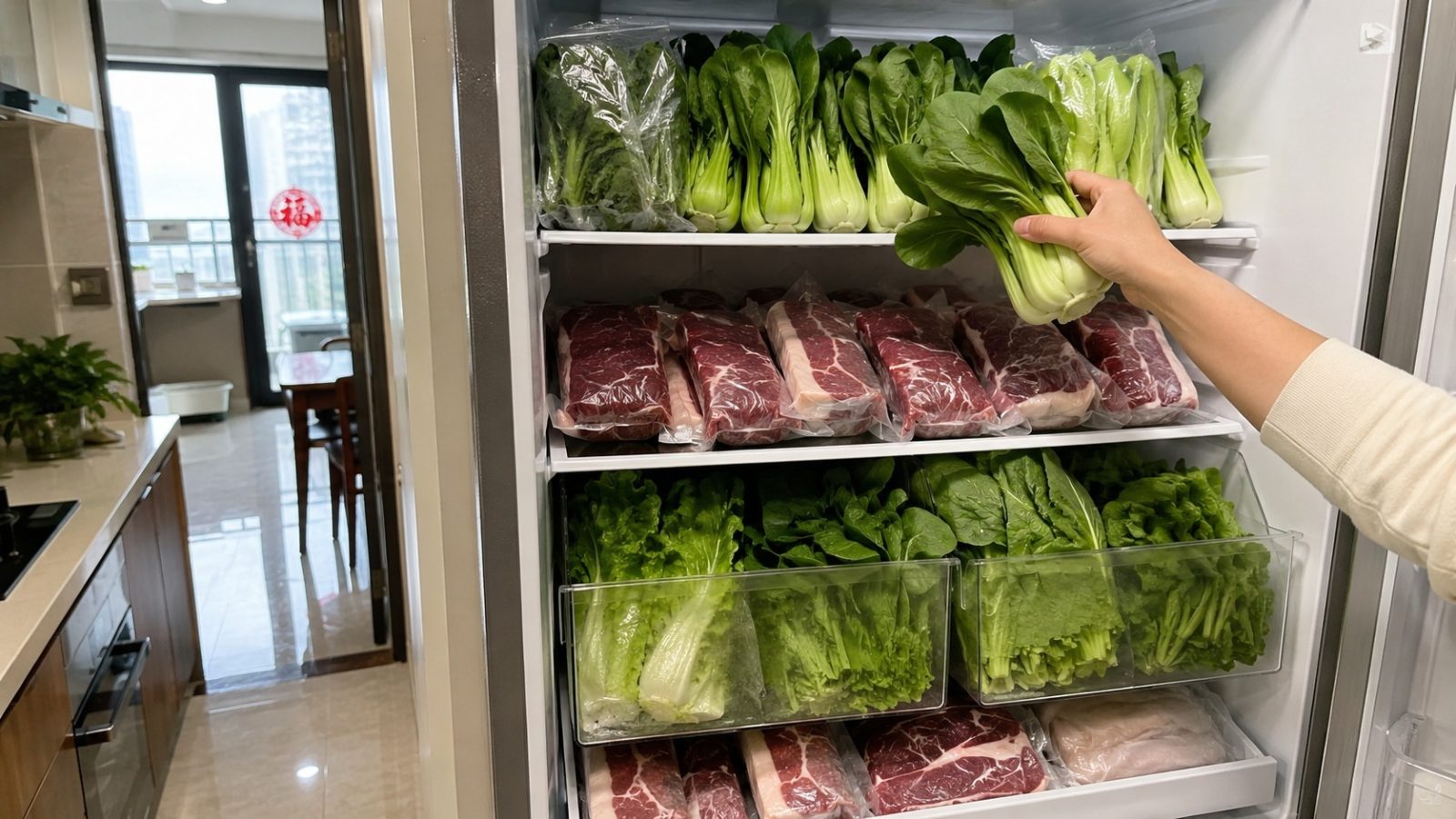
When I first visited my friend Lin’s apartment in Shanghai, I opened the refrigerator expecting to see what I was used to: leftovers in plastic containers, a jar of pickles halfway finished, and perhaps some cheese. Instead, I was met with a wall of vibrant green vegetables. Bok choy, spinach, and leafy greens filled the crisper drawers like a small garden. The meat drawer held vacuum-sealed packages of pork belly and chicken breast, still cold from the morning market. There were no leftovers.
“We cook every night,” Lin said, pulling out a bundle of scallions. “The fridge isn’t for storage; it’s just a temporary holding pen until dinner.”
A Culture of “Freshness First”
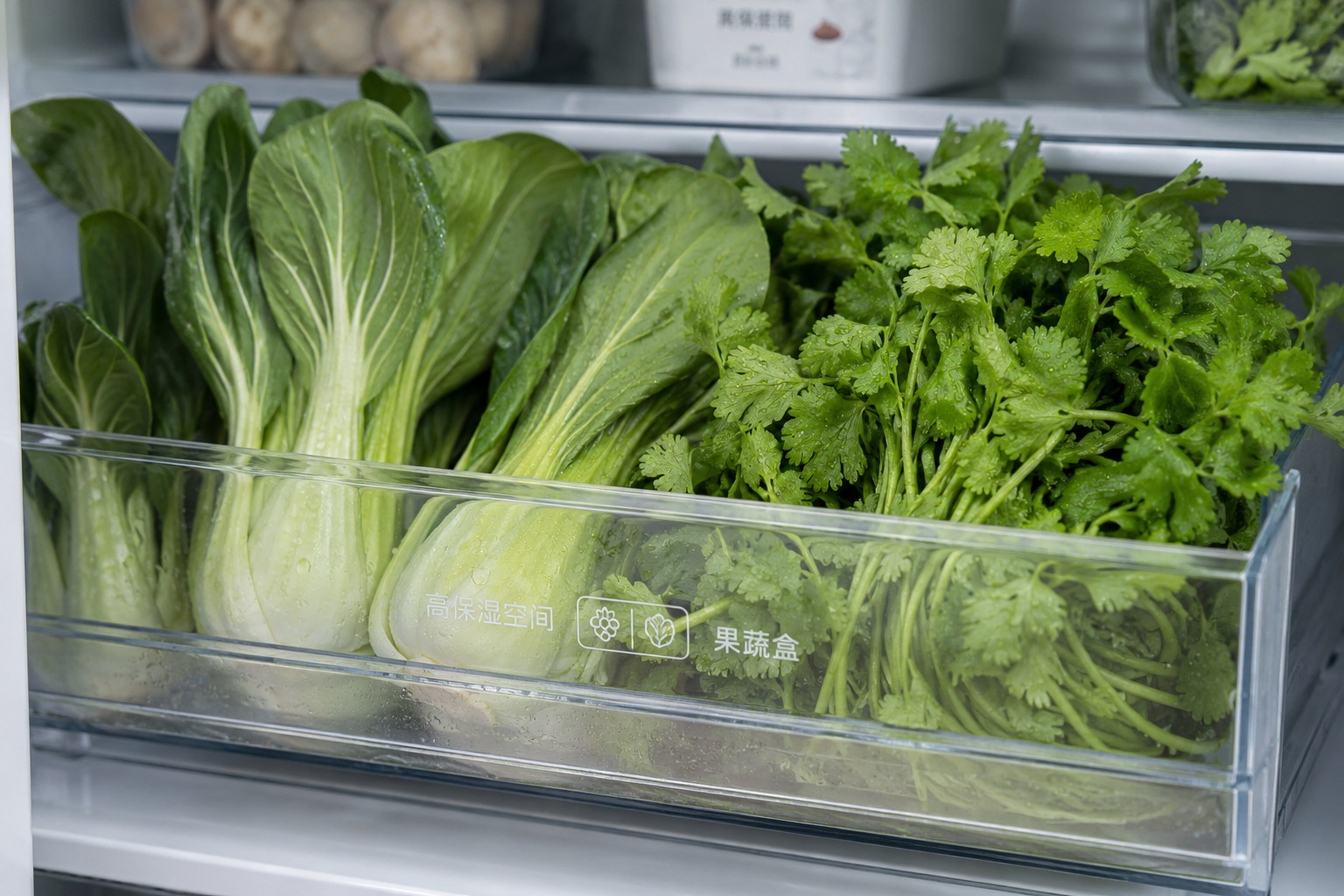
In many Western households, the refrigerator is a pantry extension—a place to store bulk buys, leftovers, and ingredients that last a week. In China, for the vast majority of urban families, the refrigerator is a short-term holding area for ingredients bought within the last 24 to 48 hours.
This difference stems from a deep-rooted culinary preference for freshness. Chinese cooking, which often involves quick stir-frying, steaming, or boiling, relies heavily on the texture and flavor of ingredients at their peak. A spinach leaf that has wilted for two days loses its crunch and its vibrant color. For many Chinese families, eating “fresh” is not just a preference; it’s a standard.
While you might find some sauces, drinks, and frozen dumplings in the back, the primary real estate is dominated by produce and raw proteins. You are unlikely to see a half-eaten cake or a week-old salad. The turnover is high. The fridge is refilled not once a week, but often twice a day.
The Rise of the “Digital Market”
How do families manage such high-frequency shopping? The answer lies in China’s ultra-efficient digital logistics. In the past, this meant rushing home during lunch breaks to visit the wet market. Today, it means tapping a screen.
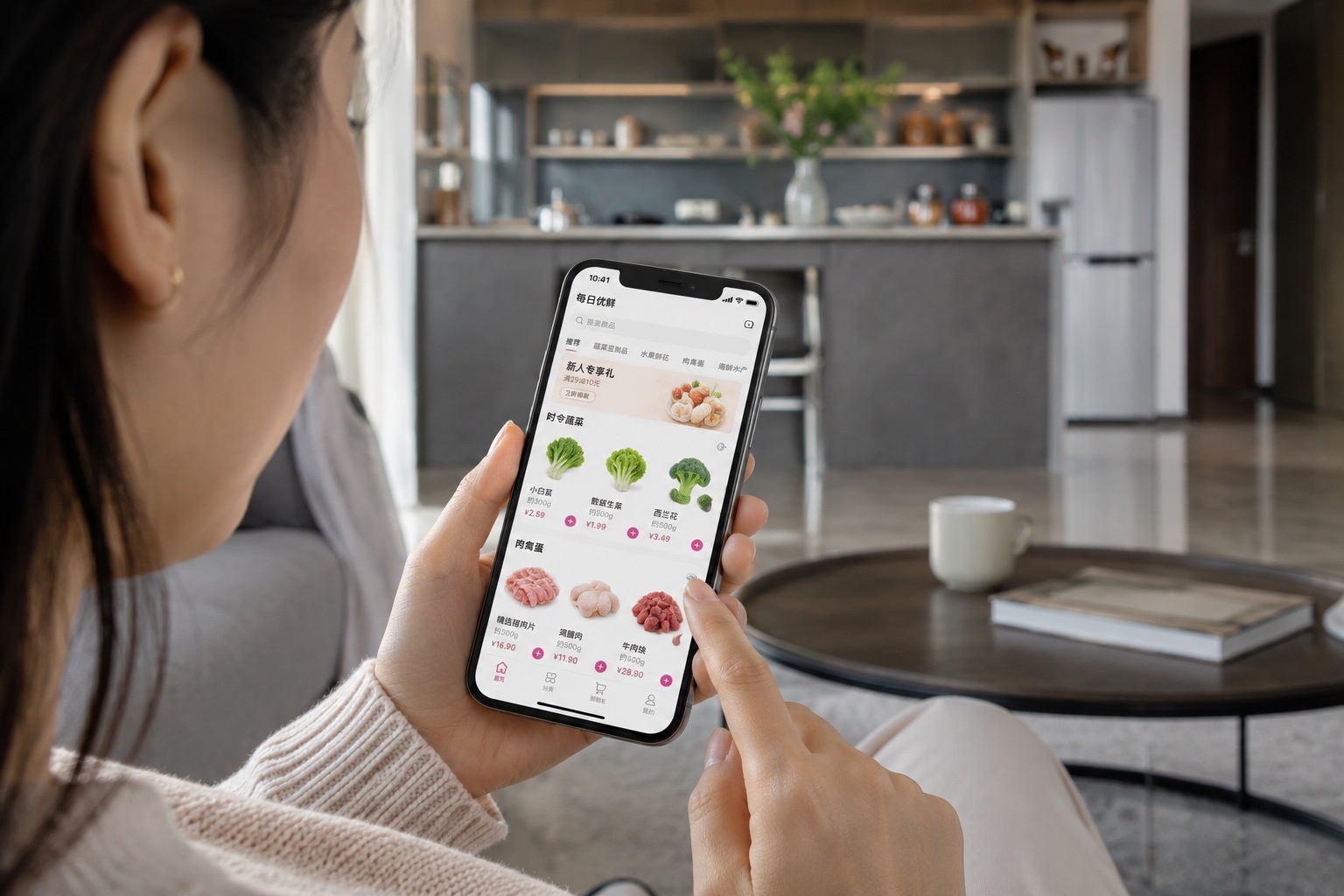
Apps like Meituan Instashopping, Dingdong Maicai, and Hema Fresh have turned smartphones into virtual grocery carts. For a typical middle-class family in a city like Shenzhen or Chengdu, ordering dinner ingredients is as routine as checking email. You can get fresh vegetables, meat, and even cooked meals delivered to your door in 30 minutes.
This convenience has reinforced the “fresh-first” habit. Because it is so easy to buy small quantities frequently, there is no need to bulk-buy. The refrigerator remains lean, filled only with what will be eaten soon. This system supports a lifestyle that values time and freshness over stockpiling.
Community Group Buying and the Neighborhood Store
Not everyone relies solely on apps. In many residential compounds, “community group buying” has become a staple. A local resident acts as a “group leader,” collecting orders for the week. Fresh vegetables are delivered to a pickup point in the building lobby every morning.
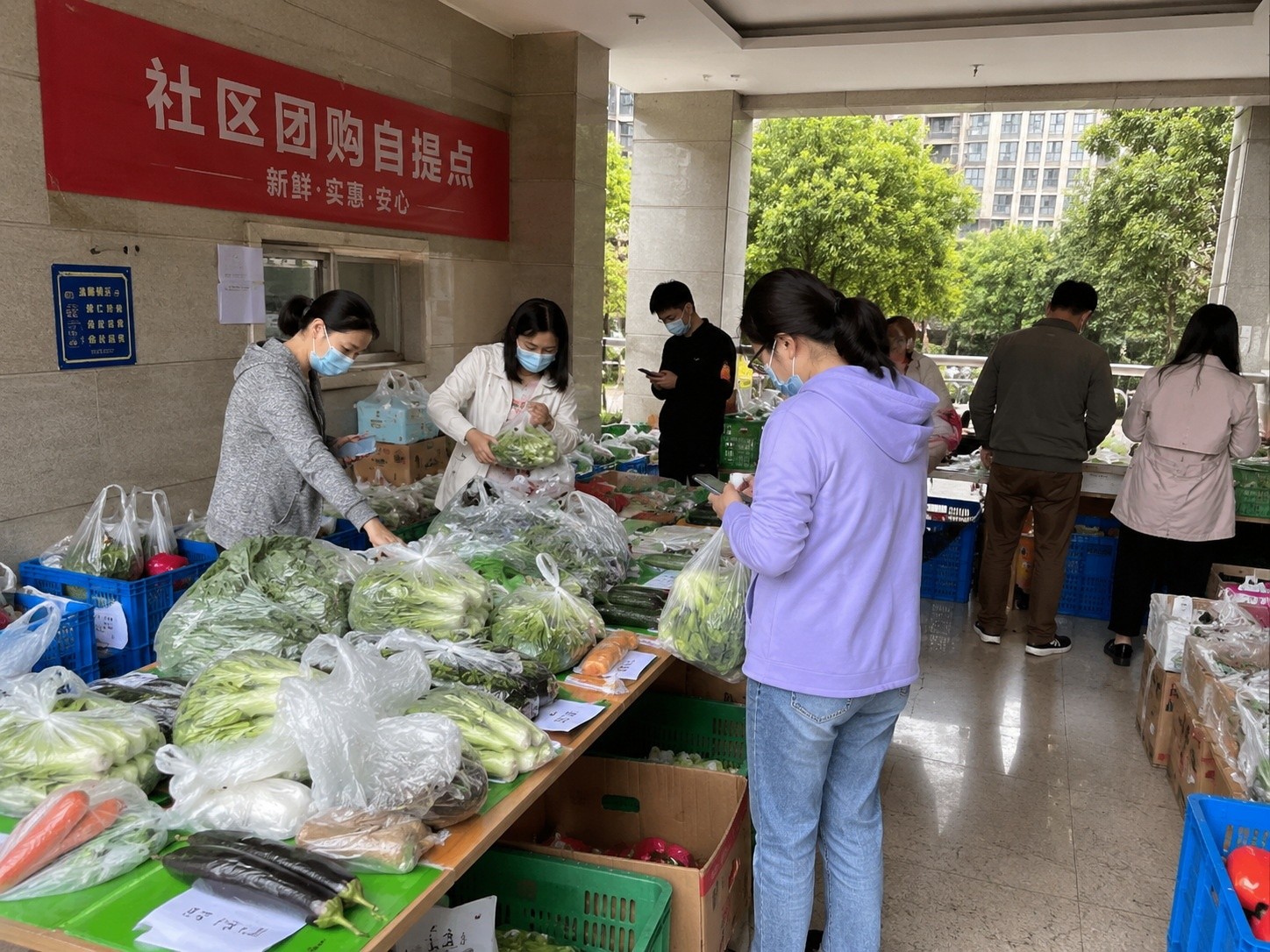
This model bridges the gap between traditional wet markets and modern e-commerce. It offers lower prices for staples like tofu and seasonal greens, while maintaining the freshness that Chinese cooks demand. In these fridges, you will often see a mix of app-delivered premium items (like seafood or imported fruit) and community-bought basics (like eggs and root vegetables).
More Than Just Food
Looking into a Chinese family’s refrigerator offers a window into the rhythm of modern Chinese life. It reflects a society that is fast-paced but still deeply connected to the quality of its daily meals. The lack of leftovers is not about a lack of planning, but rather a preference for cooking fresh, hot meals every day.
It also shows how technology has adapted to cultural habits. Instead of forcing Western-style bulk shopping, digital platforms have enabled the Chinese way of eating: small, frequent, and fresh. The next time you open your fridge and see a week’s worth of leftovers, remember that for millions of Chinese families, dinner is always made from scratch, just hours before it hits the plate.