
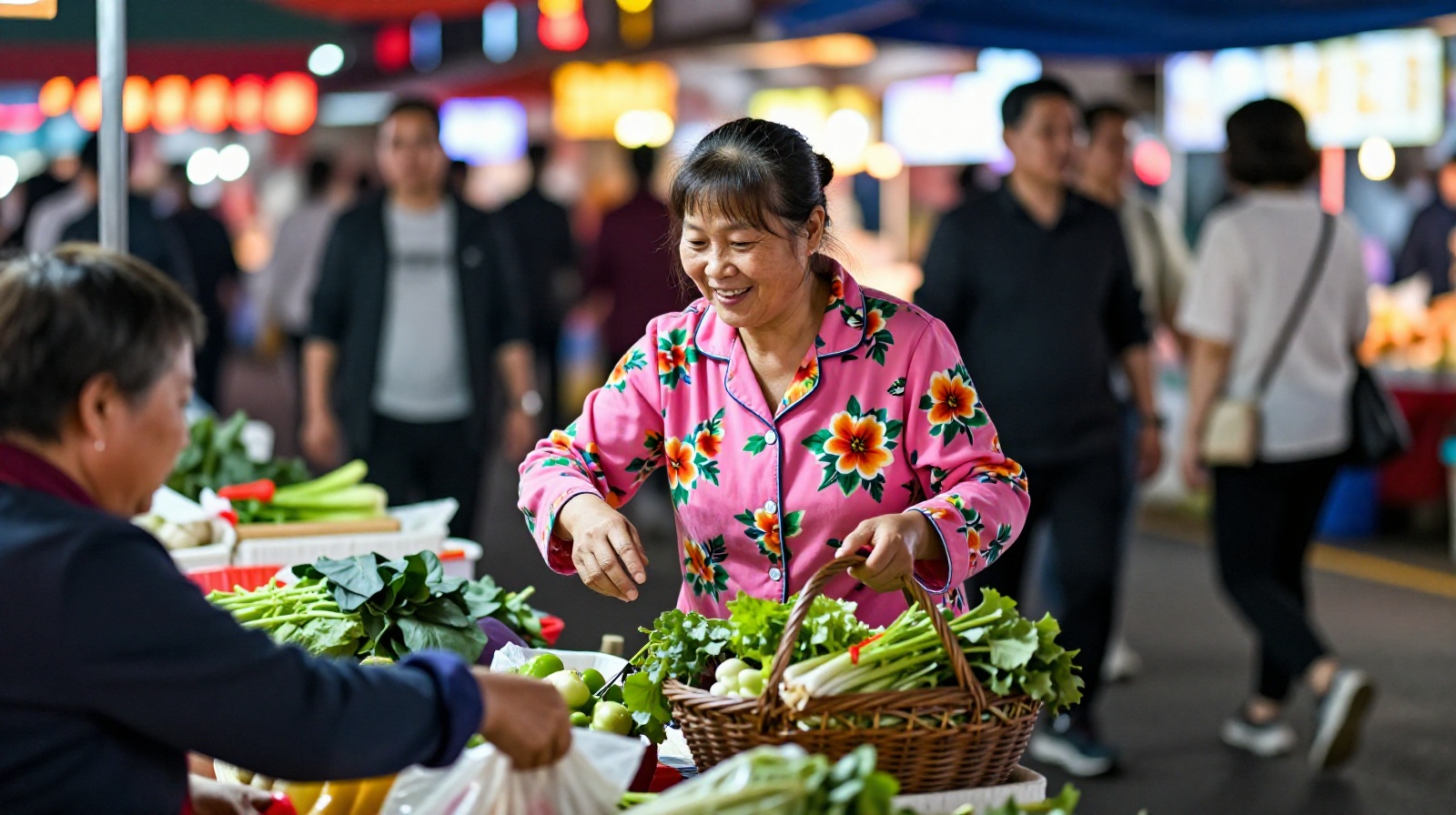

A Scene That Defies Expectations
Imagine walking down a bustling street in Guangzhou or Shenzhen. You expect to see business people in suits, shoppers in trendy streetwear, or students in uniform. Instead, you might spot a grandmother heading to the night market in bright pink floral pajamas, or a young man in loose cotton shorts and a tank top grabbing a late-night snack. He isn’t rushing to a party; he’s just buying groceries.
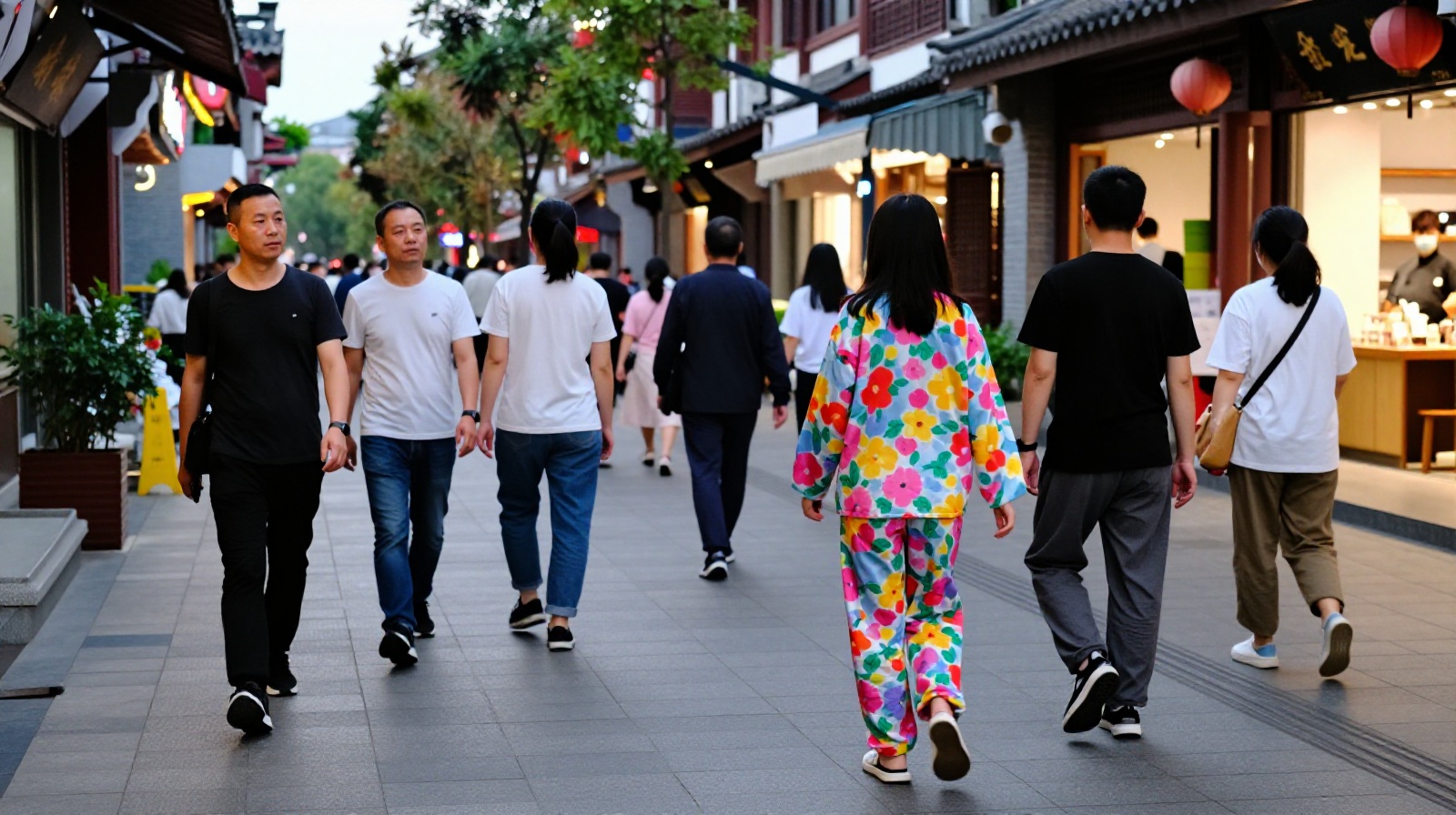
To visitors from Europe or North America, this sight can be jarring. In many Western cultures, leaving the house in sleepwear is considered a breach of social etiquette, reserved for emergencies or immediate neighbors. But in southern China, this “pajama fashion” is not a sign of sloppiness. It is a deeply rooted lifestyle choice, shaped by climate, culture, and a modern shift in social values.
Comfort Over Conformity
The key to understanding this phenomenon lies in the Chinese concept of “home wear” (jiayifu). Unlike Western sleepwear, which is often strictly for bed, Chinese pajamas are designed for lounging at home and stepping out briefly. They are typically made of soft cotton or silk, featuring loose fits and vibrant patterns—think peonies, bamboo, or simple geometric prints.
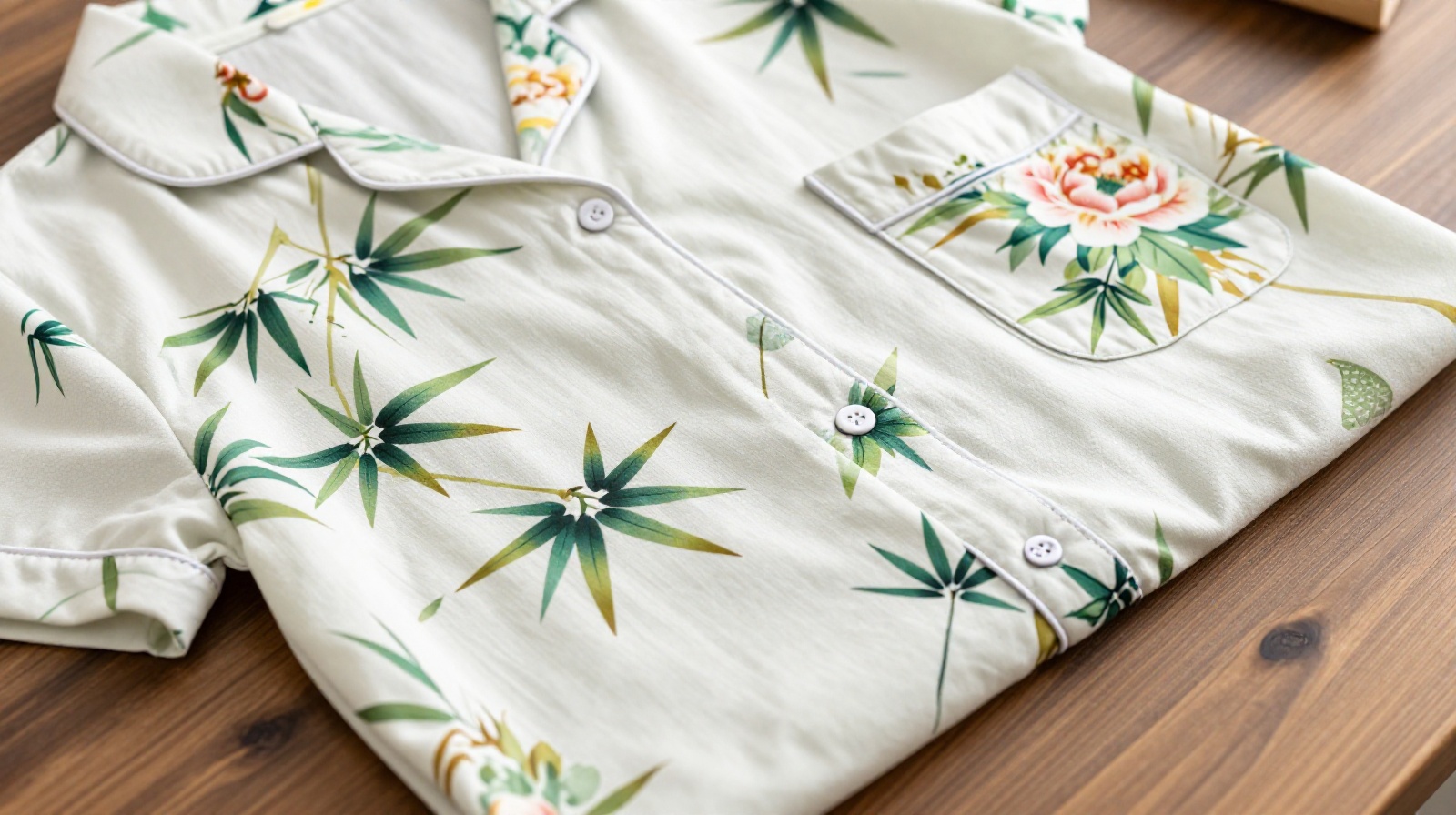
For many locals, the boundary between “sleeping clothes” and “day clothes” is blurry. The priority is comfort. In a fast-paced society where work hours can be long and stressful, clothing that feels like a hug is a luxury. Wearing pajamas out signals a personal boundary: “I am off the clock.” It reflects a pragmatic value system where physical ease trumps social performance.
Climate as a Catalyst
Geography plays a crucial role. Southern China, including provinces like Guangdong, Fujian, and Guangxi, experiences a subtropical climate. Summers are long, hot, and extremely humid. Wearing heavy denim or structured fabrics in such weather is not just uncomfortable; it can be unhealthy.
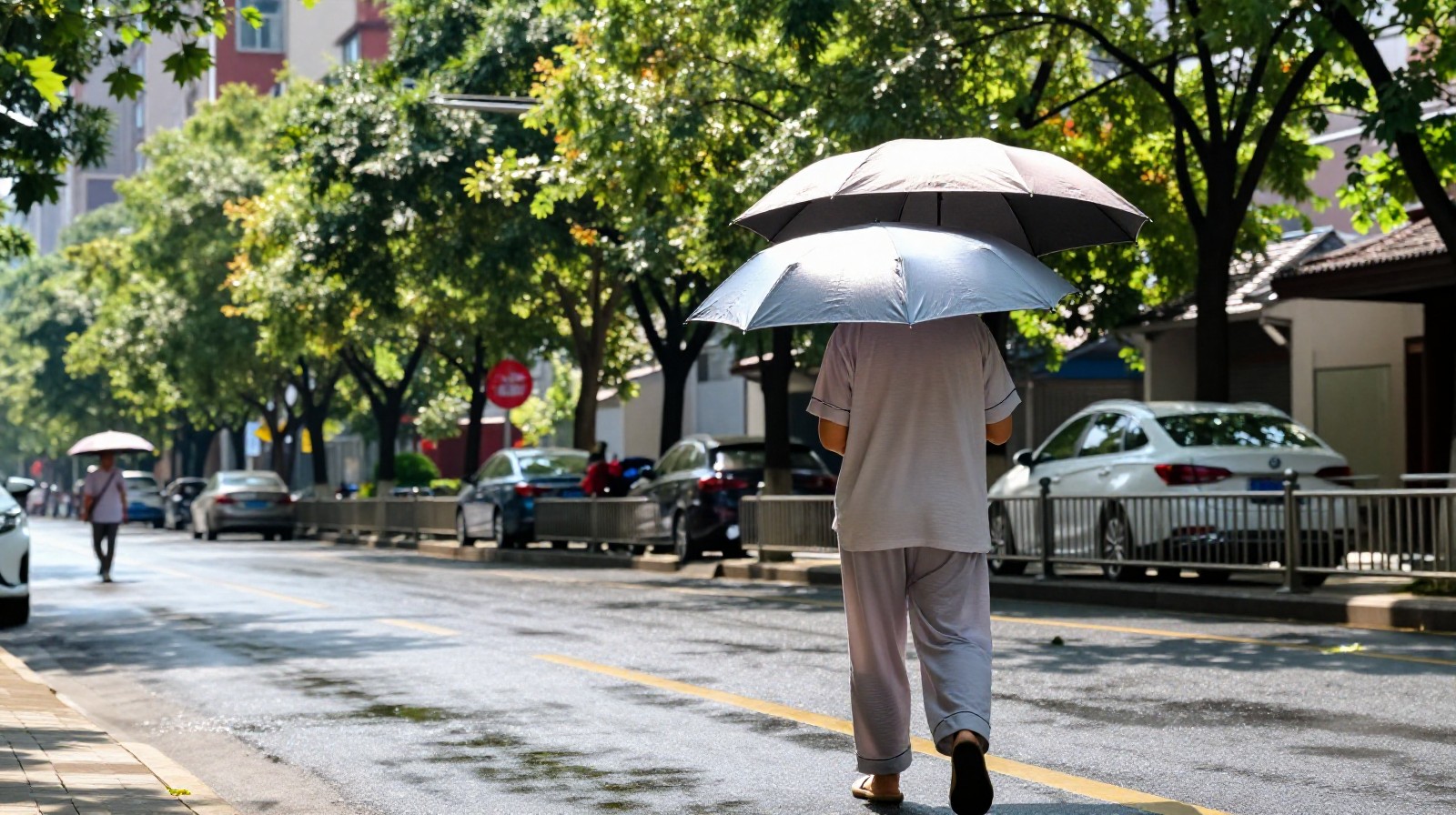
Lightweight, breathable pajamas are the ultimate air-conditioning alternative. They allow air circulation, absorb sweat, and dry quickly. For daily errands like buying vegetables or picking up a package, these garments offer practical relief. It is less about “fashion” and more about survival in the heat. Even in winter, when temperatures drop, these soft fabrics remain popular for their warmth and flexibility.
A Culture of Low Pressure
There is also a social dimension. In many Western cities, “dressing well” is linked to professional success and social status. Outfits are armor against judgment. In contrast, southern Chinese urban culture often embraces a more relaxed, egalitarian vibe. You can be wearing pajamas and still command respect in a local market.

This reflects a broader societal shift. As China’s economy grows, younger generations are prioritizing mental well-being over rigid social appearances. The “pajama look” is a quiet rebellion against the pressure to constantly perform. It suggests a society that is becoming more tolerant of individual expression and less obsessed with external validation. It’s not that people don’t care about appearance; they just care more about how they feel.
Bridging the Cultural Gap
For outsiders, this might seem like a loss of decorum. But for locals, it is an addition to daily joy. It breaks down the formality of urban life. Seeing a neighbor in pajamas makes interactions feel more intimate and less transactional. It humanizes the city.
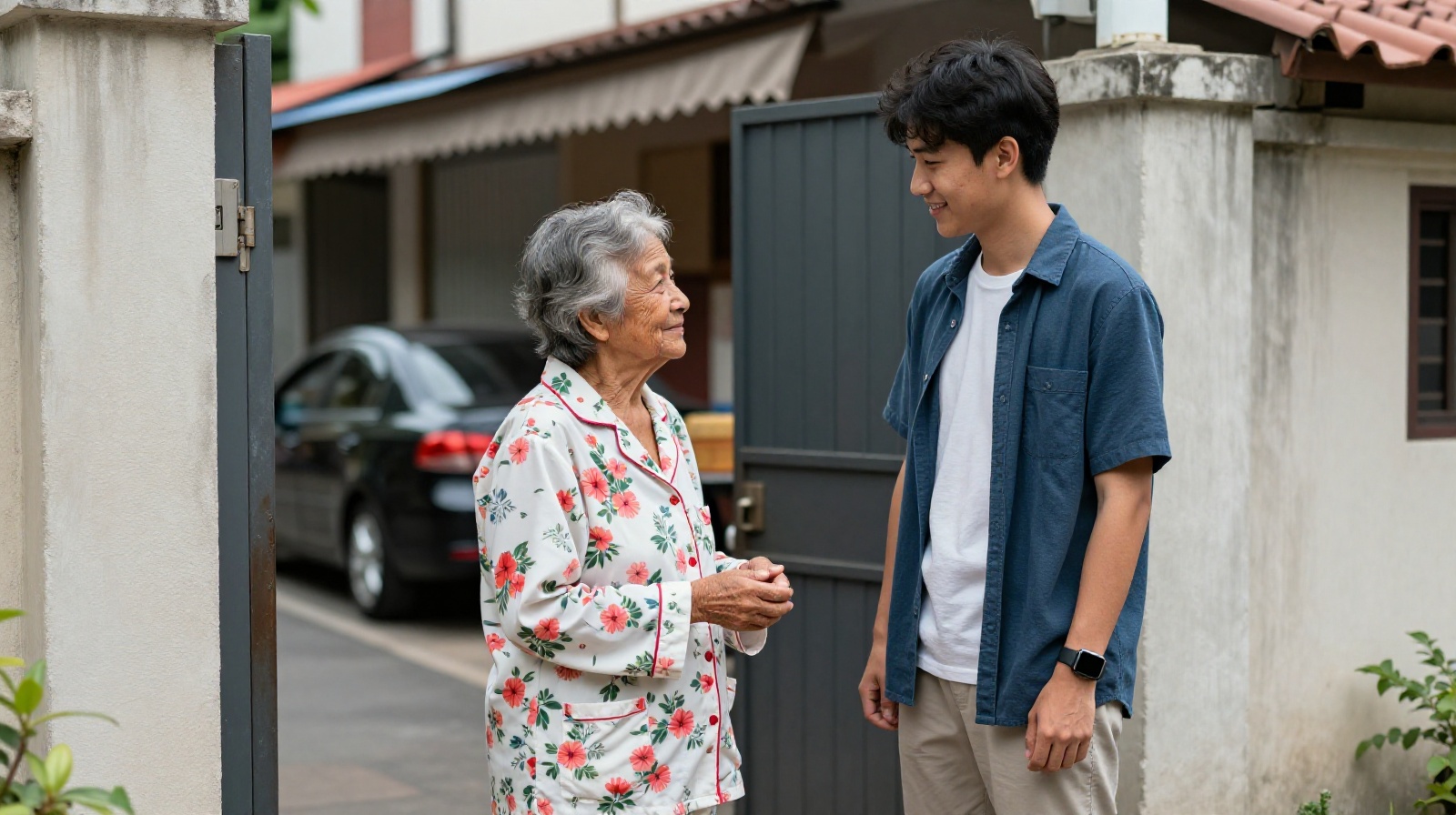
So, the next time you see someone in floral pajamas buying milk in a Chinese supermarket, don’t assume they just woke up. They are likely just living comfortably, embracing a culture where home is not just a place, but a feeling you can wear.