

A Five-Star Stay for New Mothers
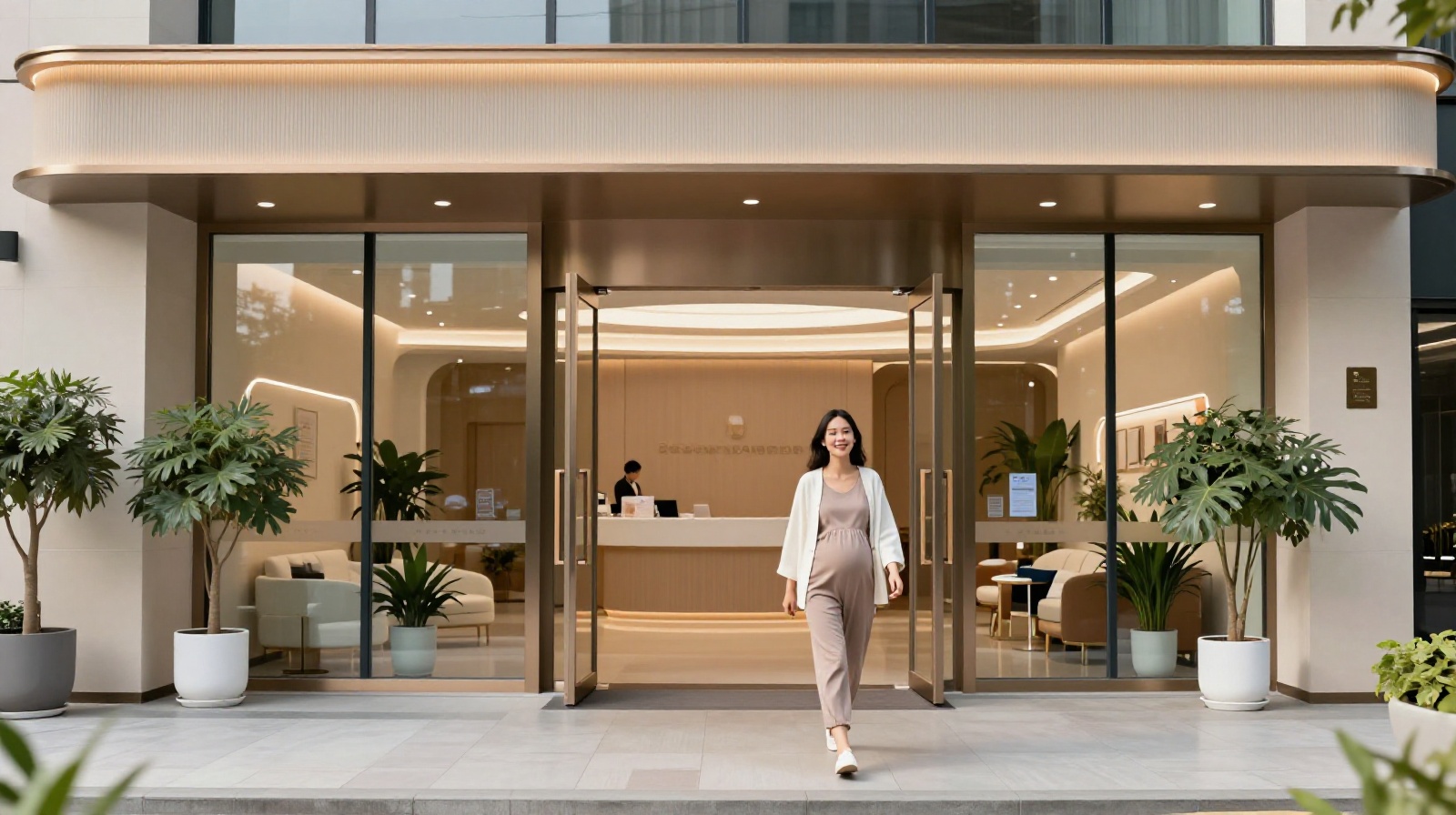
Li Na checks into a lobby that looks more like a boutique hotel than a hospital. The air smells faintly of lavender, not disinfectant. Her room is a spacious suite with floor-to-ceiling windows overlooking the Shanghai skyline. There is no bedridden patient in sight, only soft lighting, a private yoga studio downstairs, and a menu of gourmet meals designed by nutritionists.
Li is paying $8,000 for a four-week stay. This is a “Yuezi” center, short for zuoyuezi, the traditional Chinese practice of resting for one month after childbirth. While the concept is ancient, the service industry surrounding it has evolved into a multi-billion dollar luxury market. For many young Chinese families, this is no longer about tradition alone; it is a calculated investment in health and family harmony.
The Commercial Evolution of Tradition
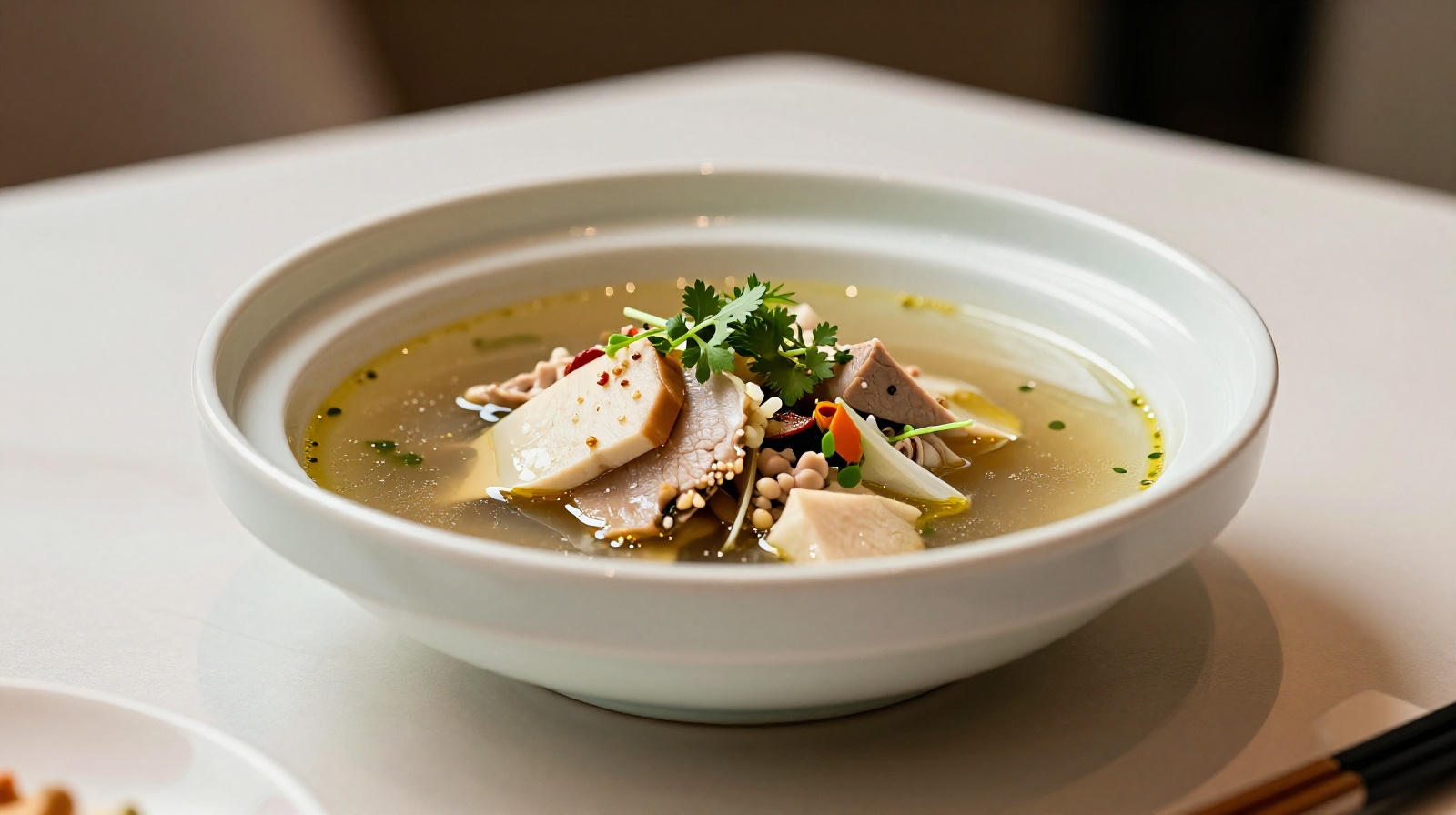
Traditionally, zuoyuezi meant staying indoors, avoiding cold wind, and eating warm, calorie-dense foods like chicken soup and eggs. It was a period of strict rest prescribed by traditional Chinese medicine (TCM). In rural areas or older generations, this care was provided by grandmothers or mothers.
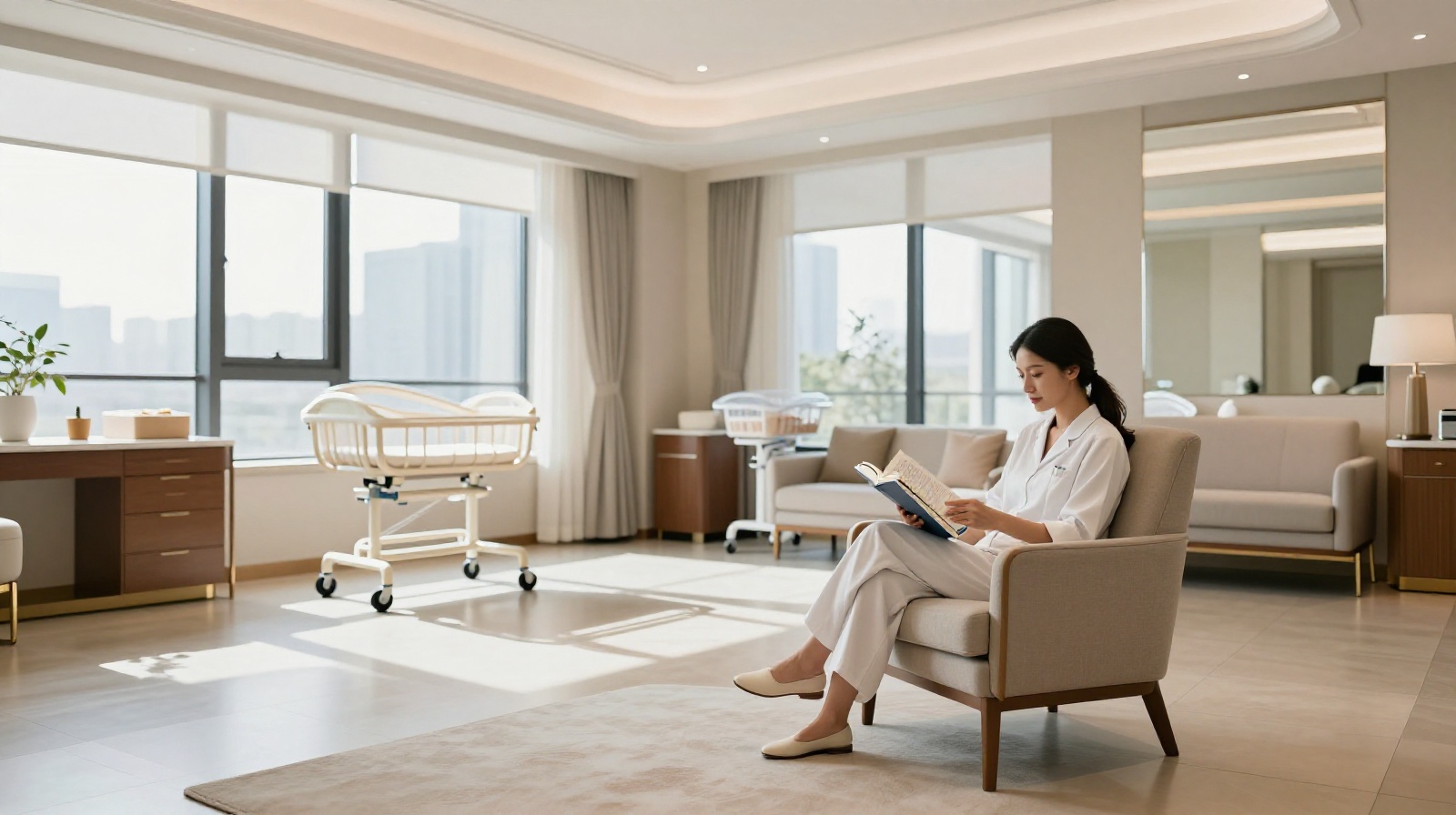
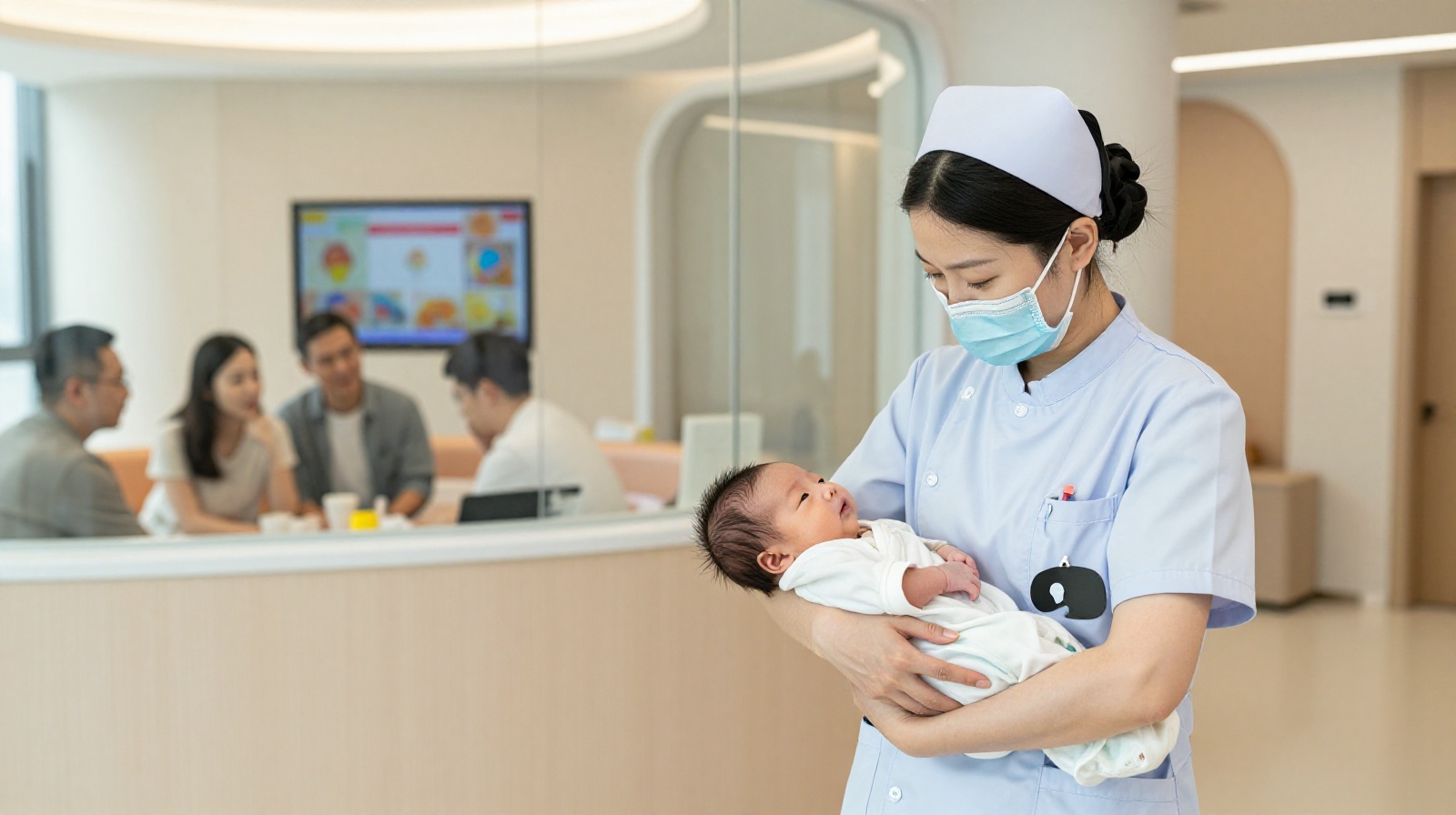
Today, the practice has been commercialized and upgraded. Modern Yuezi centers replace old superstitions with scientific postpartum recovery. They offer 24/7 nursing care, lactation consulting, newborn education, and psychological support for mothers dealing with postpartum depression. The “no cold wind” rule is replaced by climate-controlled environments and air purification systems.
The cost varies wildly. A basic center might charge $1,500 a month, catering to the average urban worker. But the high-end segment, often located in five-star hotels or dedicated wellness complexes, charges $5,000 to $10,000. These facilities provide private suites, personal chefs who prepare six small meals a day based on daily health assessments, and even live-streaming cameras that allow parents to watch their babies from their smartphones while working.
Outsourcing Family Conflict
Why would a family spend a month’s salary on a hotel stay? The answer lies in the complex dynamics of modern Chinese family life. For decades, the “four-two-one” family structure—two parents caring for one child and four grandparents—has created intense pressure.
Childcare disagreements are a primary source of marital stress. Grandparents often rely on traditional methods that may clash with modern pediatric advice. For example, a grandmother might insist on swaddling tightly or feeding rice water early, while the young mother follows evidence-based guidelines from books or apps. These conflicts can escalate quickly, leaving the new mother exhausted and anxious.
By sending their wife to a Yuezi center, husbands effectively “outsource” the emotional labor of childcare. The center acts as a neutral third party. Professional nurses handle the night wakings, allowing the parents to sleep. When the mother returns home after 28 days, she has gained confidence in caregiving, and the grandparents have had time to adjust to their new role without direct conflict. It is a pragmatic strategy to preserve family harmony.
The Rise of the Conscious Middle Class
This trend reflects the broader economic shift in China. The post-90s generation, now becoming parents, views health and wellness as premium services. They are accustomed to paying for convenience and quality in other areas of life, from food delivery to education.
Data from industry reports suggests the postpartum care market in China exceeds 100 billion yuan ($14 billion) annually, growing steadily despite broader economic slowdowns. This resilience indicates that spending on childbirth remains a high priority for Chinese households. It is not merely conspicuous consumption; it is a response to the high cost of raising children and the scarcity of professional support.
Moreover, these centers often serve as social hubs. Mothers connect with peers facing similar challenges, sharing resources and advice. For many, it is the first time they have had space to recover physically and mentally before returning to the workforce or focusing on their career.
A Divided Landscape
Not everyone can afford—or chooses—this luxury. For lower-income families, traditional care from relatives or community health clinics remains the norm. There is also skepticism among some who view Yuezi centers as exploitative, charging premium prices for basic medical care that should be public.
However, the existence of this market highlights a significant change: the expectation that childbirth care should be professionalized. As China’s population ages and birth rates decline, the quality of care for each child becomes increasingly important to families. The $10,000 Yuezi center is not just a hotel; it is a symptom of a society redefining what it means to be a new parent in the 21st century.