

The Morning After the Shopping Cart
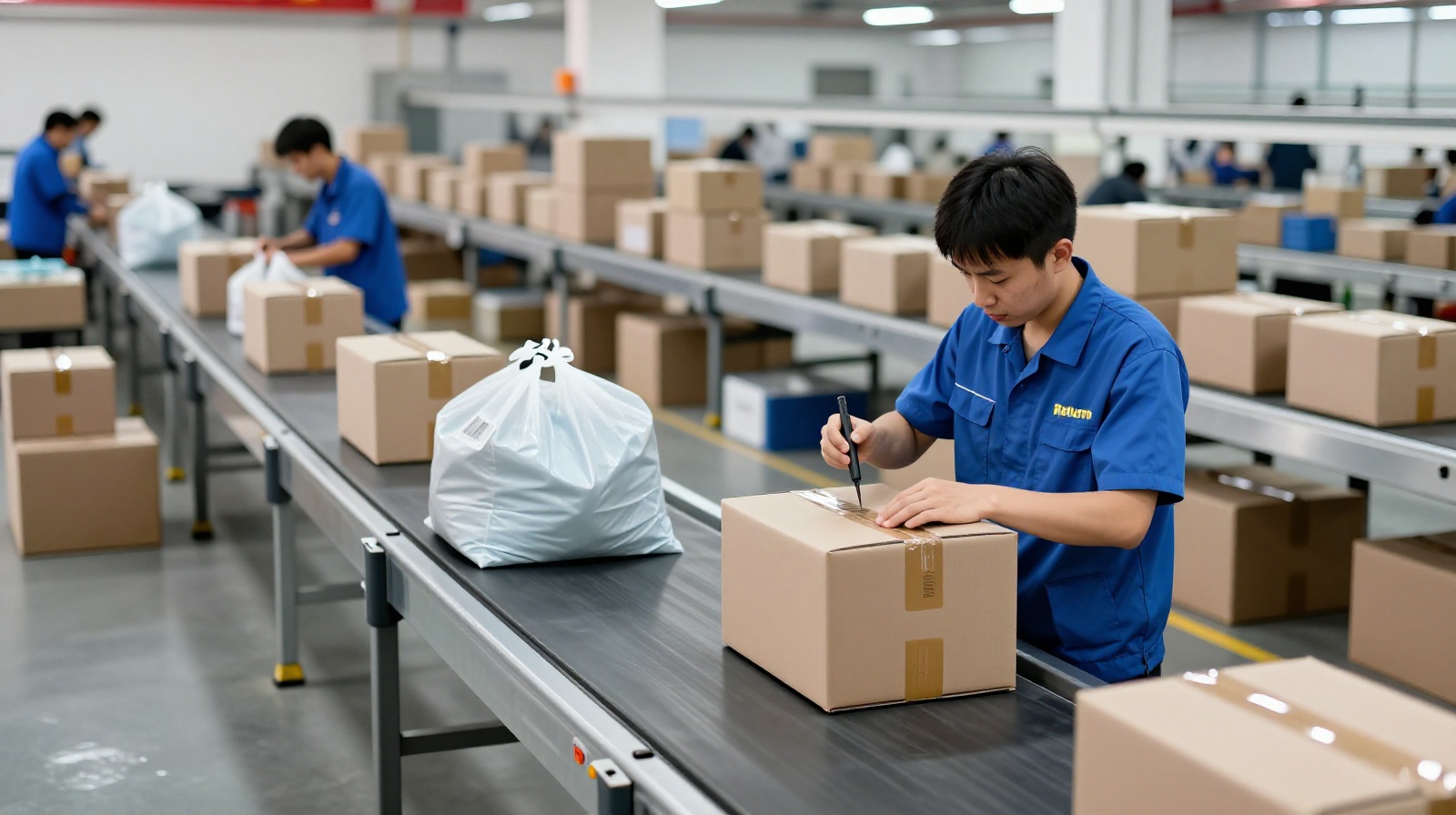
At 9:00 AM on a Tuesday, the sorting facility for a major logistics provider in Hangzhou is already buzzing. But it’s not the outgoing packages that dominate the conveyor belts today—it’s the incoming ones. Lin, a warehouse sorter with four years of experience, scans a barcode, sighs, and drops a box into the ‘return’ bin. Inside is a silk blouse, worn once, photos taken for social media, then sent back.
“Sometimes I see the same dress come back three times in a week,” Lin says, adjusting his gloves. “The customer bought it in three different colors. They kept the red one and returned the other two. The packaging is still sealed.”
This scene is becoming increasingly common across China’s e-commerce ecosystem. What was once considered a nuisance for retailers has evolved into a normalized consumer behavior, driven by aggressive platform policies and a shift in how Chinese shoppers perceive value.
The Data Behind the ‘Try-On at Home’ Phenomenon
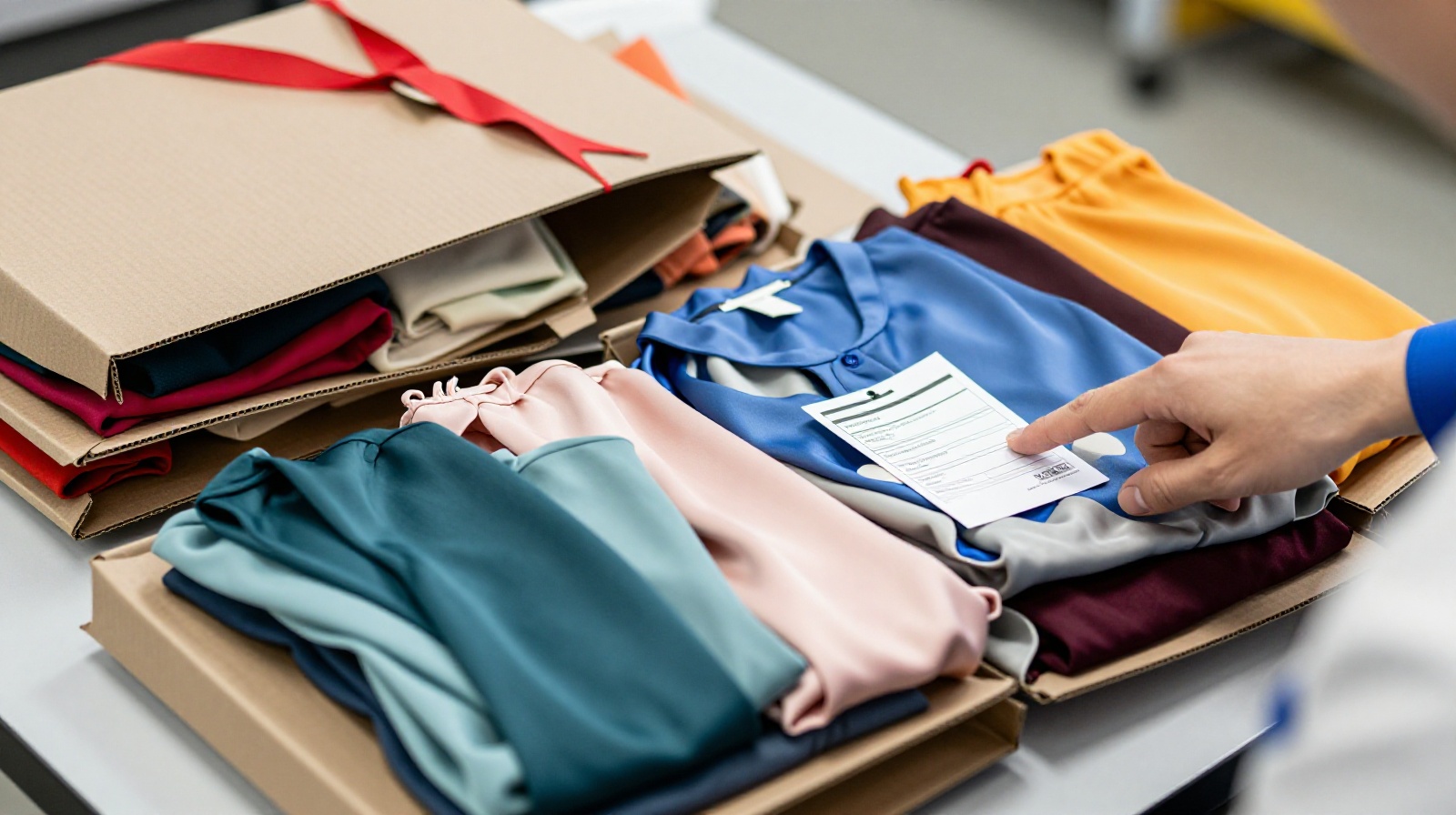
For years, international shoppers were accustomed to return rates hovering around 10-15% for online apparel. In China, those numbers have skyrocketed. Recent industry reports indicate that return rates for clothing on major platforms like Taobao and Douyin (TikTok’s Chinese counterpart) frequently range between 30% and 50%. In some live-streaming sales events, where impulse buying is at its peak, return rates can exceed 60%, and in extreme cases, approach 90%.
Why such a disparity? The core driver is not just consumer greed, but a structural change in the rules of engagement. Since 2014, China’s State Administration for Market Regulation has mandated a ‘seven-day no-reason return’ policy for online goods. Initially intended to protect consumers from defective products, this rule has been amplified by private platforms.
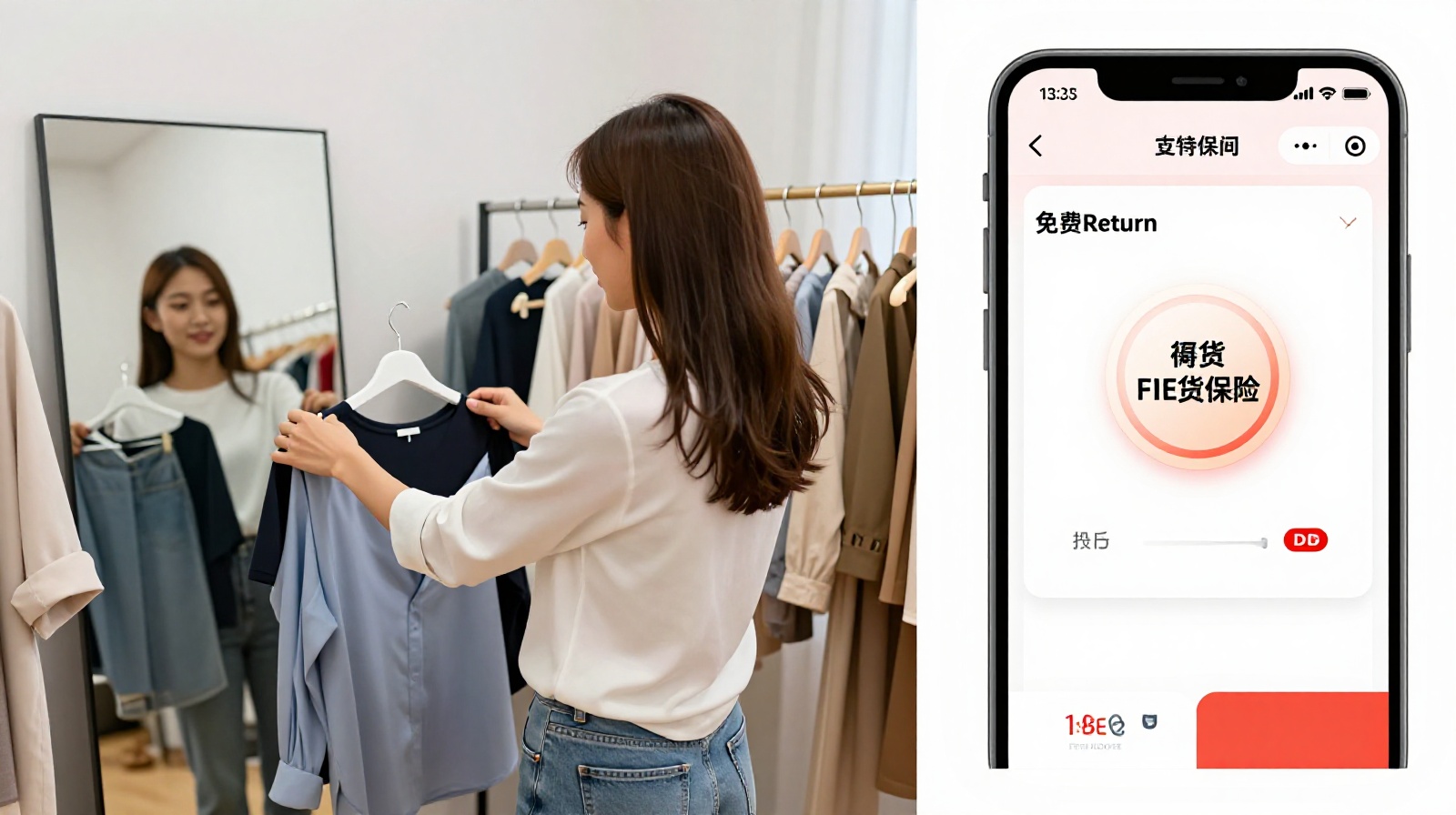
To win trust and market share, giants like Taobao, JD.com, and Pinduoduo have introduced “Freight Insurance” (Yunfei Xian). For a few cents per order, this insurance covers the shipping costs of returns. This effectively removes the financial risk for buyers. If a dress doesn’t fit, or if the customer simply prefers another style they saw later, they can return it without penalty.
The Psychology of the ‘Shopping Cart as Fitting Room’
For young urban consumers, particularly Gen Z, this system has transformed the online shopping cart into a virtual fitting room. The behavior is often described as “buying to try.”
Sarah, a 26-year-old graphic designer in Shanghai, explains her routine: “I don’t just buy one shirt. I’ll order five similar styles from different brands. I try them all on at home, take photos in my mirror to see which looks best with my existing wardrobe, and then return the four I don’t want. With free returns, it costs me nothing but a few minutes of packing.”
This behavior is rational within the current system. It mimics the convenience of physical retail—where you can try on clothes without pressure to buy—but adds the endless variety of the internet. However, it also reflects a deeper shift in consumer confidence. In an era of rapid trend cycles and social media pressure, the cost of making a “wrong” purchase is perceived as zero.
The Merchant’s Dilemma: Squeezed Margins and Hidden Costs
While consumers enjoy the convenience, the burden falls heavily on small and medium-sized enterprises (SMEs), who make up the backbone of China’s e-commerce supply chain. For a typical clothing seller in Guangzhou or Hangzhou, a 50% return rate is devastating.
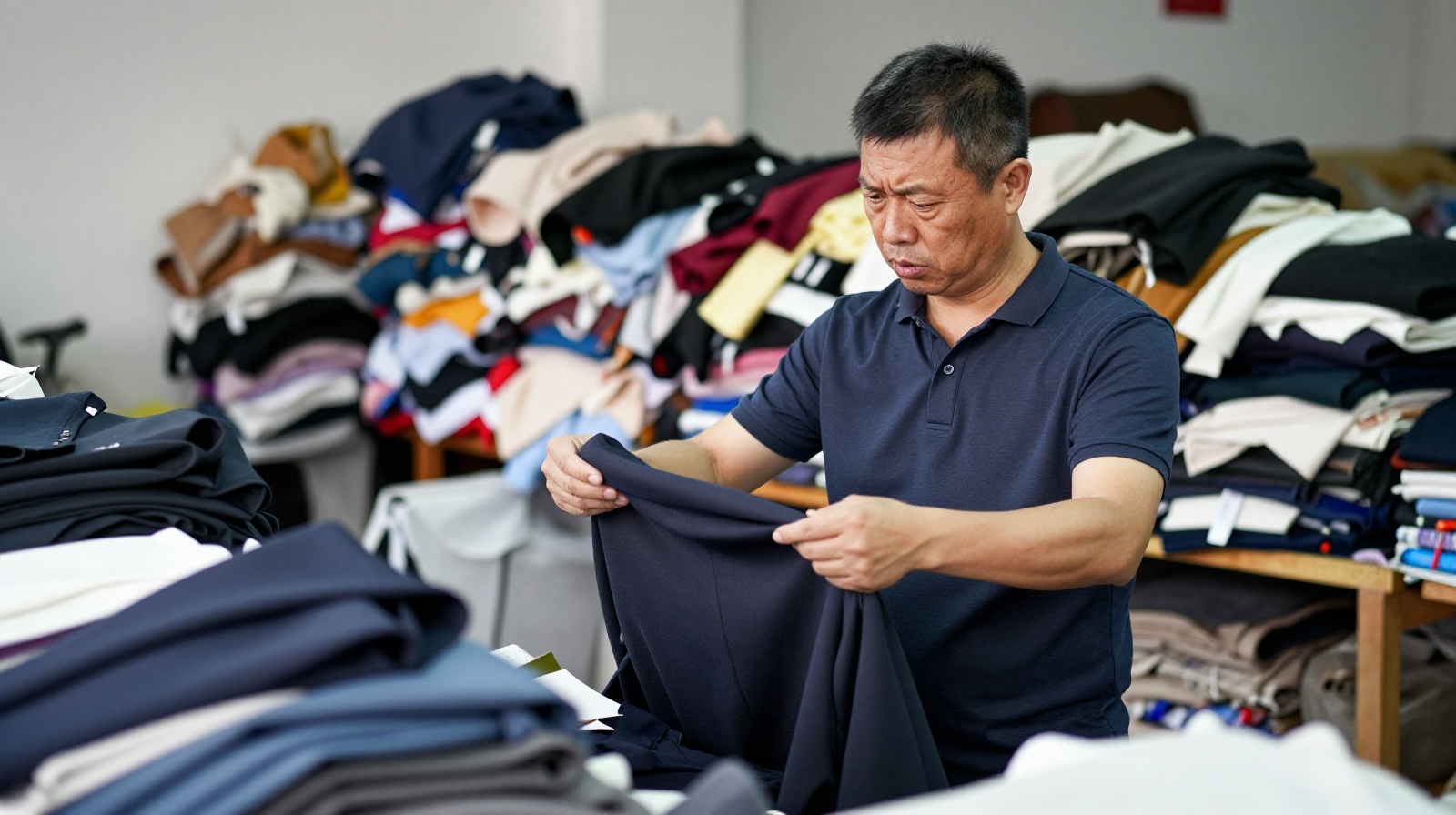
“We make maybe 10-15 yuan profit on each shirt sold,” says Chen, a third-generation garment manufacturer. “But when you factor in the cost of shipping it out, the packaging, the depreciation from customers trying it on and potentially damaging the tags, and the return shipping we often have to absorb… one return can wipe out the profit of selling five shirts.”
The logistical toll is immense. Returned items must be inspected, re-packaged, and restocked. If a garment has been worn or washed, it cannot be resold as new, turning it into dead stock. This forces merchants to inflate prices on accepted orders to cover the losses from returns—a hidden tax on honest buyers.
The System’s Response: A New Equilibrium?
Platforms are aware of the strain. In response, some have begun to adjust their algorithms. Sellers with high return rates due to frivolous reasons may face lower search rankings or higher insurance premiums. Some platforms are introducing “deposit” systems for high-volume returners or limiting free returns for certain categories.
However, the fundamental tension remains. The Chinese e-commerce model has prioritized convenience and choice above all else, creating a hyper-efficient but fragile ecosystem. As the novelty of “free returns” wears off, the industry is searching for a new balance. Will we see a return to stricter return policies? Or will logistics technology improve enough to make handling high-volume returns cost-neutral?
For now, the cycle continues. In sorting centers across China, boxes keep moving in and out, a testament to a consumer culture that values choice, speed, and zero risk above all else.