
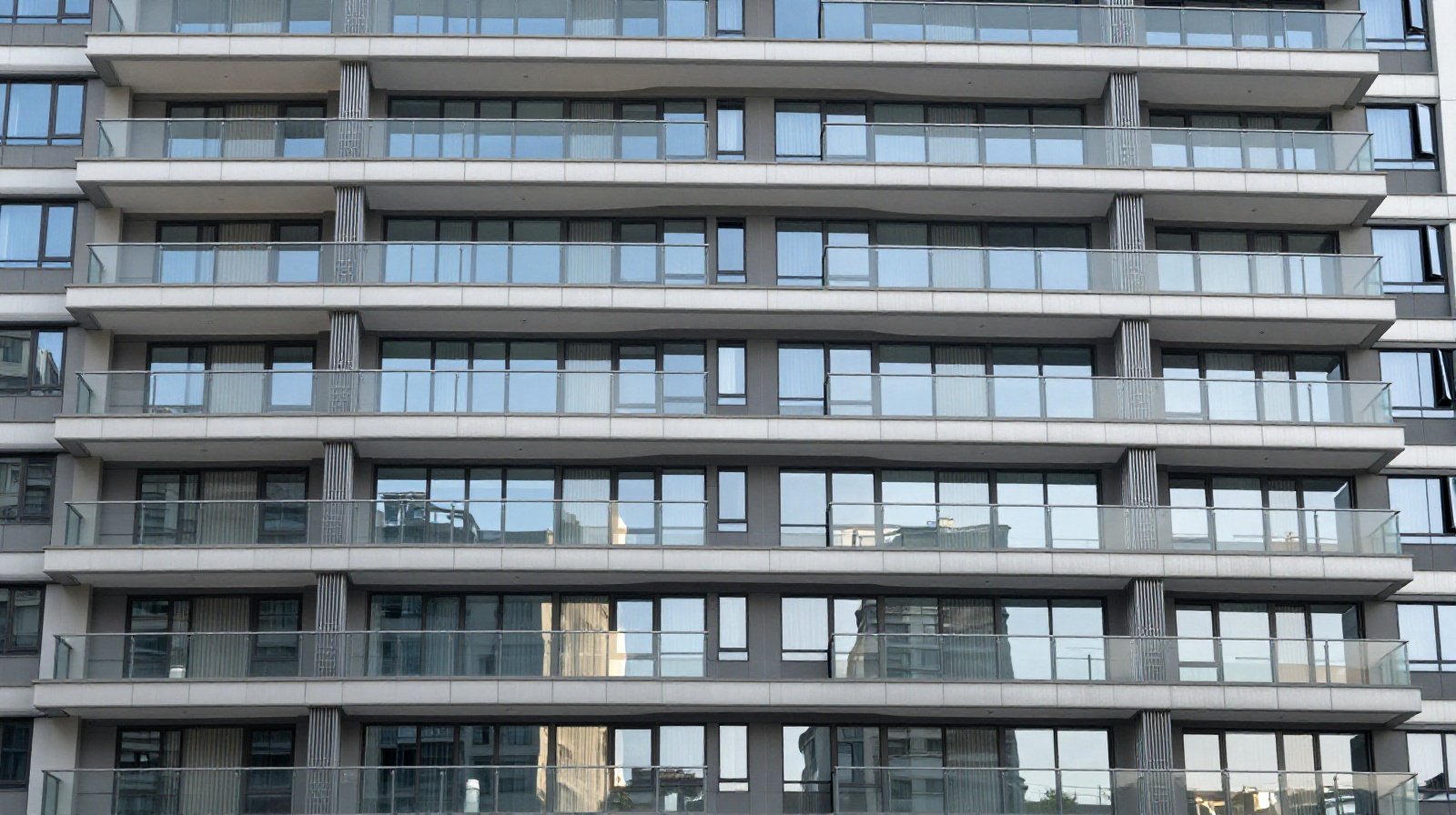

The View From the Sidewalk
Walk through any residential district in a Chinese city, and the first thing you notice is the uniformity. From the third floor up, every balcony is sealed behind floor-to-ceiling glass. To visitors from Europe or North America, where open terraces and wrought-iron railings are common, this can look like a hive of identical glass boxes—sometimes cynically called ‘cages.’
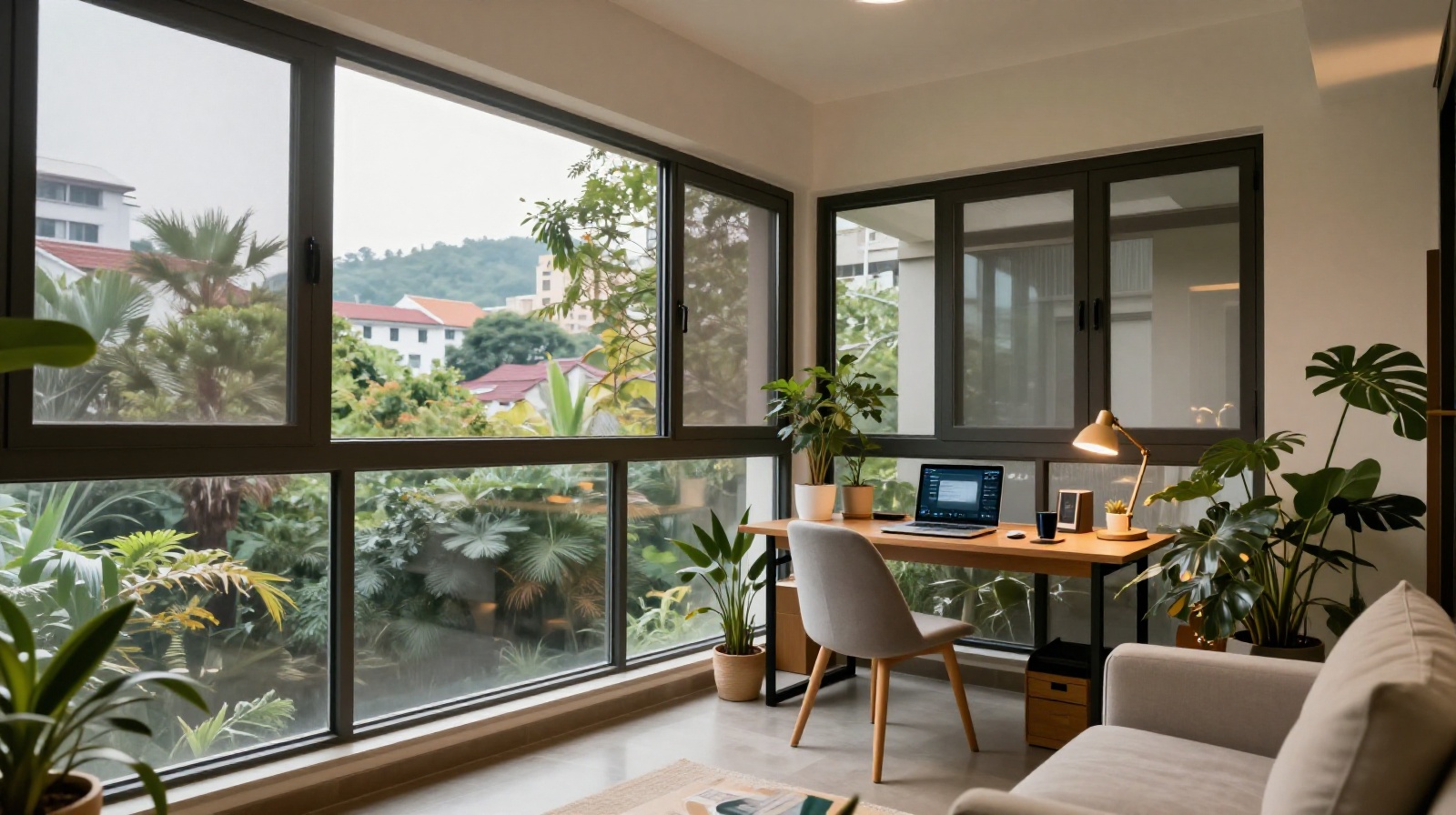
But inside Room 1402 of a typical high-rise in Chengdu, the reality is different. It is 7 a.m. The air outside is hazy with winter smog. Inside, the sealed balcony is dry, warm, and filled with the smell of brewing coffee. Chen, a 34-year-old graphic designer, has converted this space into a small home office and a garden for his potted plants. Without the glass enclosure, this space would be unusable during the rainy season or when air quality drops.
More Than Just Aesthetics: The Pragmatic Shield
The drive to enclose balconies is rarely about style. It is a pragmatic response to environmental challenges that many Western cities do not face to the same degree.
Dust and Pollution
In northern Chinese cities, spring brings yellow dust storms. In many metropolitan areas, air quality can fluctuate sharply. An open balcony becomes a filter for dust, requiring constant cleaning. Enclosing it keeps the interior clean.
Weather Protection
China’s climate varies drastically. In the south, the ‘Plum Rain’ season (Meiyu) brings months of humid, dripping weather. An open balcony turns into a swimming pool or a mold factory. In Beijing, winter winds are biting. Glass enclosures act as an extra layer of insulation, significantly reducing heating bills in winter and keeping homes cooler in summer by blocking direct sun.
Safety and Noise
For families with young children or pets, the open railing is a safety hazard. Balcony enclosures prevent accidental falls and stop objects from being knocked off—a critical concern in densely populated high-rises. Additionally, Chinese cities are noisy. Car horns, construction, and street life penetrate easily through open spaces. Glass windows provide essential soundproofing.
Buying Space in a Tight Market
There is also a powerful economic logic at play. In China’s tier-1 cities like Shanghai or Shenzhen, housing prices are among the highest in the world. A standard apartment might be 80 square meters (860 sq ft), but every square meter counts.
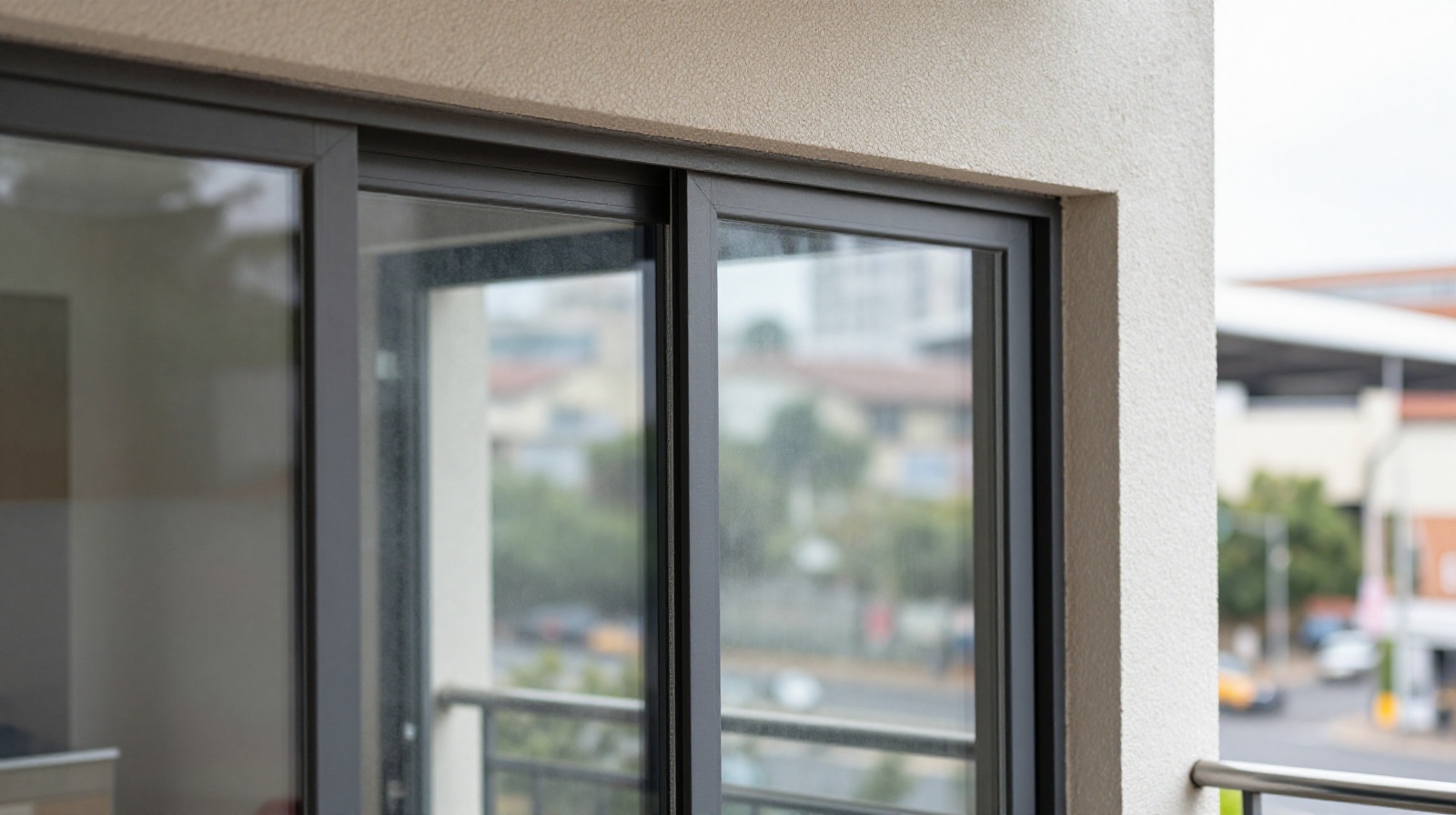
Architecturally, balconies are often calculated as ‘half area’ or not counted toward the total floor space in property deeds. By enclosing the balcony with glass and sliding doors, homeowners effectively add 5 to 10 square meters of usable indoor space. For a family, this might mean an extra study, a laundry room, or a dining nook. It is the most cost-effective way to expand living space without buying a bigger apartment.
The Legal Gray Area
Despite the practical benefits, the ‘glass cage’ is not without controversy. Strictly speaking, modifying the building’s exterior facade violates urban management regulations and property management rules. Developers often sell apartments with open balconies as part of the original design.
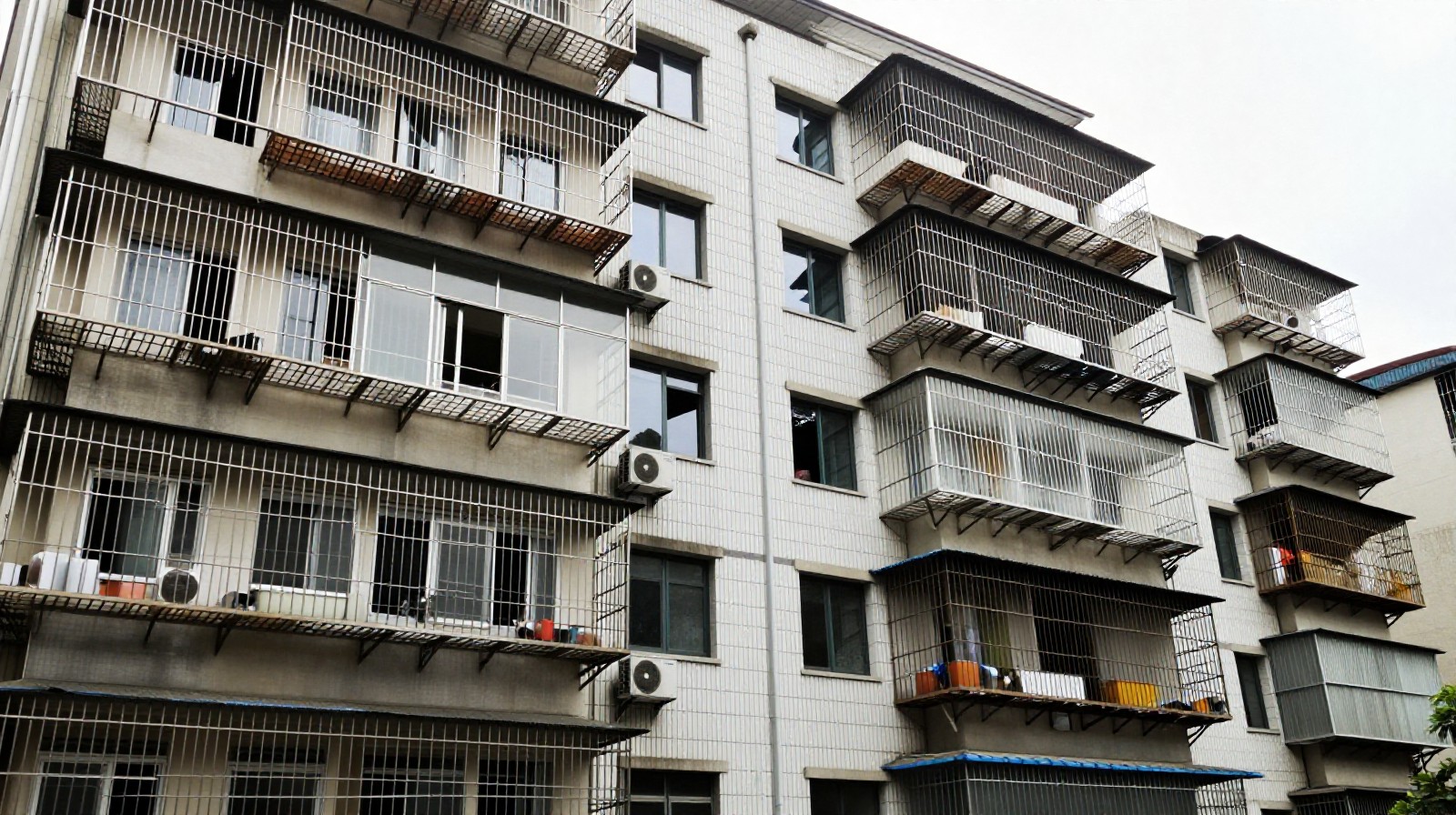
However, enforcement is inconsistent. In many communities, if residents use glass that matches the building’s color scheme and install it safely, property managers turn a blind eye. In other cases, it leads to conflicts: one neighbor might enclose theirs, while another complains about structural safety or aesthetic ruin. This tension creates a patchwork of appearances across different neighborhoods.
A Symbol of Adaptation
Calling these enclosed balconies ‘cages’ misses their function. They are not prisons; they are adaptations. In a country with rapid urbanization, diverse climates, and high-density living, the glass enclosure is a rational solution to everyday problems. It transforms a transitional, exposed space into a private, usable room.
For the Chinese family, the choice is simple: live with the dust, the rain, and the noise outside, or build a wall of glass to bring comfort inside. Most choose the latter, creating a quiet sanctuary against the bustling city beyond.