

From Festive Snack to Daily Ritual
Walk into a modern supermarket in Shanghai or Beijing, and the fruit section tells a different story than it did a decade ago. Gone are the days when fruit was primarily a festive gift or a simple sweetness to end a meal. Today, the shelves are stocked with vibrant, often unfamiliar varieties: bright pink dragon fruit, delicate raspberries, and kiwis with golden insides.
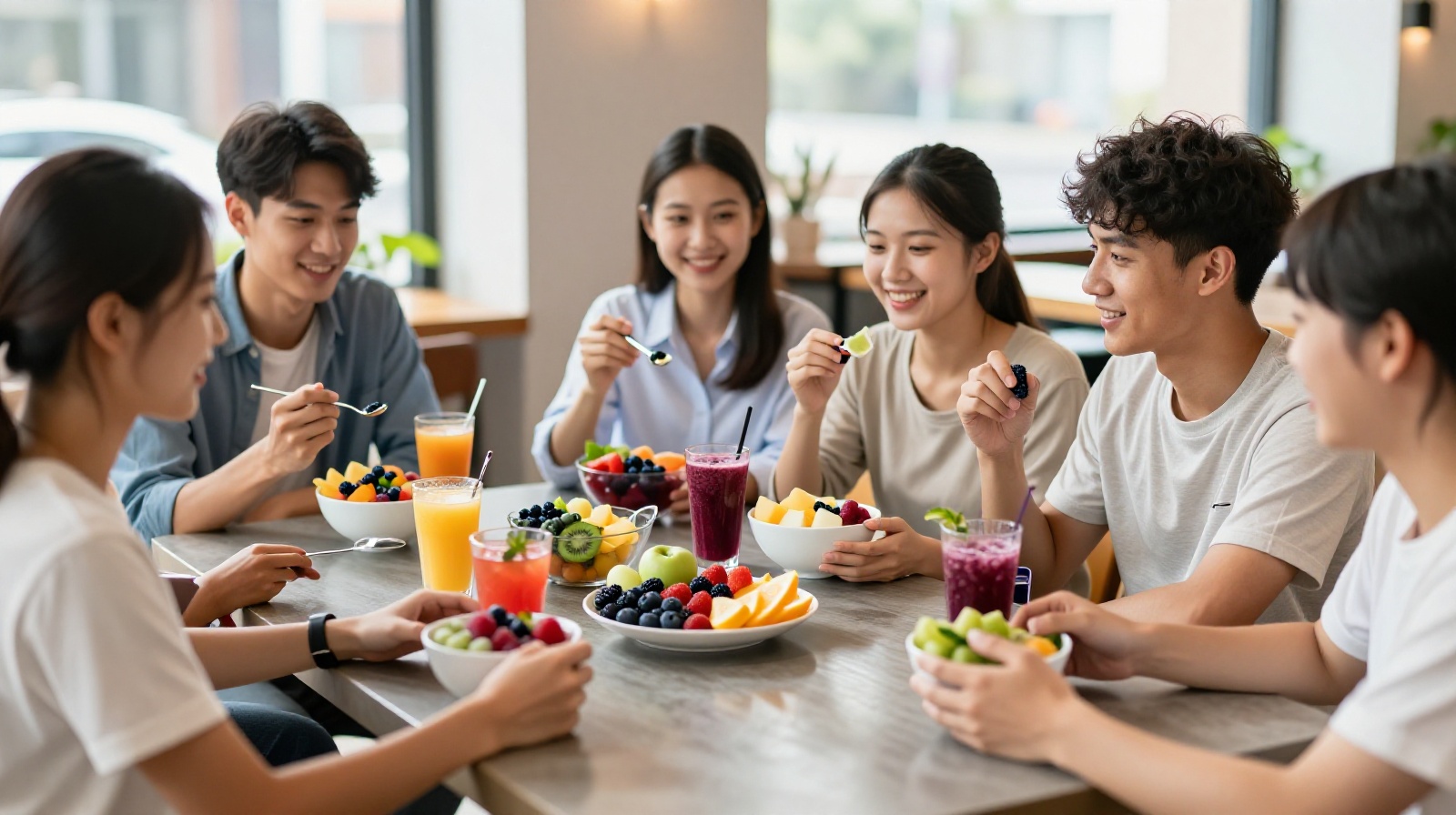
This shift reflects a broader change in how young Chinese people view food. For the post-90s and post-00s generations, eating fruit is no longer just about quenching thirst or satisfying a sweet tooth. It has become a daily ritual—a small but significant act of self-care. The priority has shifted from pure sugar content to a combination of nutritional value, visual appeal, and convenience.
Consider Lin, a 26-year-old marketing manager in Shenzhen. Her morning doesn’t start with coffee alone. Instead, she orders a “superfood bowl” via an app, featuring chia seeds, blueberries, and pre-cut mango. “I don’t just want to be full,” she says. “I want to feel light, healthy, and ready for the day.” This mindset is shared by millions of urban Chinese youth who treat their diet as a reflection of their identity.
The Rise of ‘Functional’ Eating
One of the most noticeable trends in China’s fruit market is the rise of “functional” eating. Young consumers are increasingly knowledgeable about nutrition. They aren’t just buying fruit; they are buying benefits.
Vitamin C is king. Oranges and kiwis remain staples, but there is a growing demand for berries—strawberries, blackberries, and mulberries—which are perceived as antioxidant powerhouses. There is also a marked decline in the popularity of overly sweet, low-nutrition varieties. Instead, tartness is becoming a desirable trait, associated with freshness and lower sugar content.
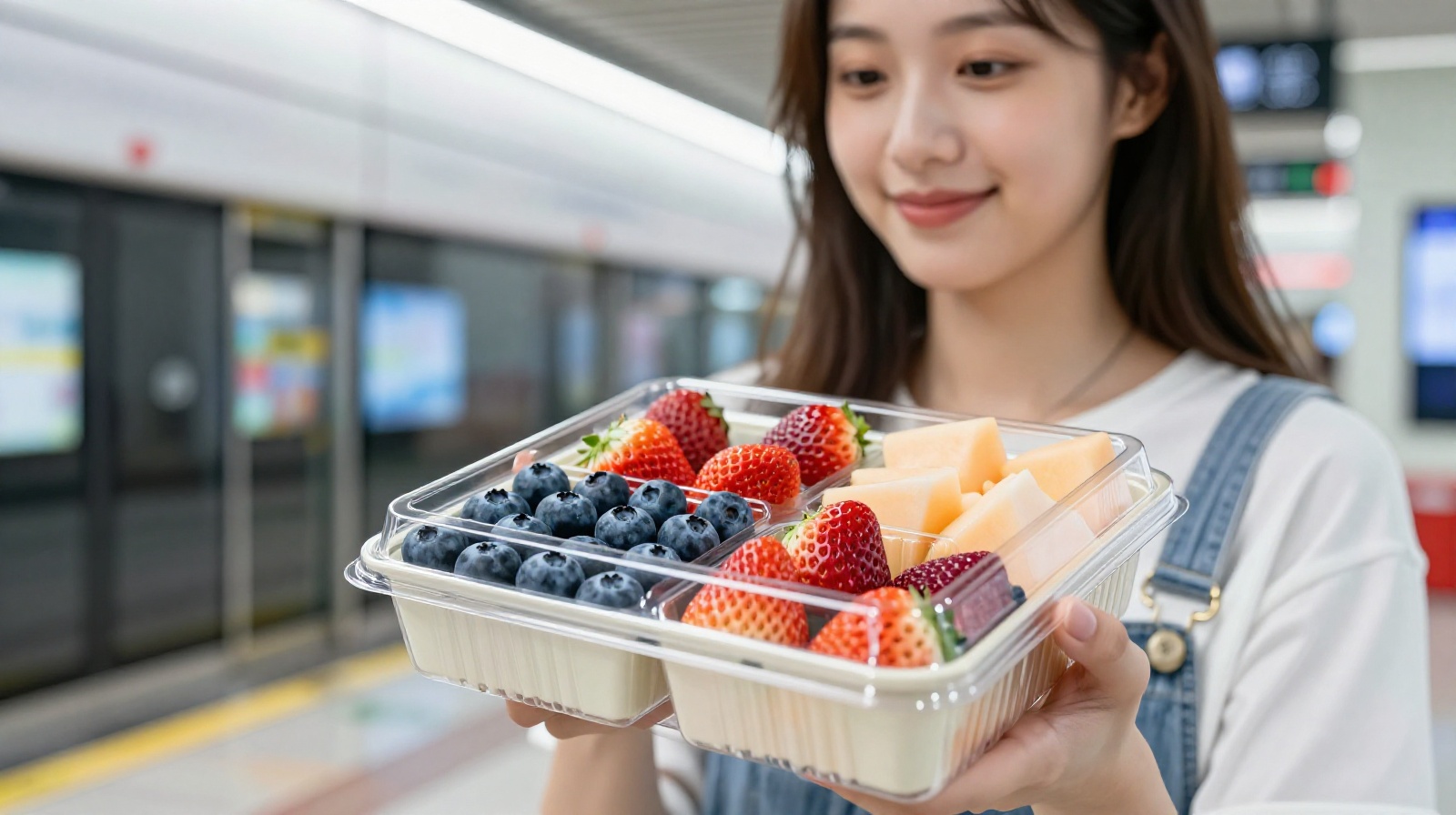
This trend is not just about health; it’s about anxiety management. In a high-pressure work environment, consuming “clean” food offers a sense of control. Pre-packaged, pre-cut fruit boxes found in convenience stores and delivery apps have exploded in popularity. These products cater to the desire for hygiene and precision. You know exactly what you’re eating, with no mess and no waste.
The Aesthetic Economy: Eating with Your Eyes
If functional benefits are the mind, aesthetics are the heart of China’s new fruit culture. In an era dominated by social media platforms like Xiaohongshu (Little Red Book) and Douyin (TikTok), if a fruit isn’t photogenic, it might as well not exist.
The “Instagrammability” of food drives sales. Fruits with striking colors or unique shapes sell out rapidly. For instance, the “sunshine rose” grape, known for its square shape and intense sweetness, became a viral sensation, often selling for premium prices. Similarly, dragon fruit with its vivid magenta flesh is a staple in influencer photos.
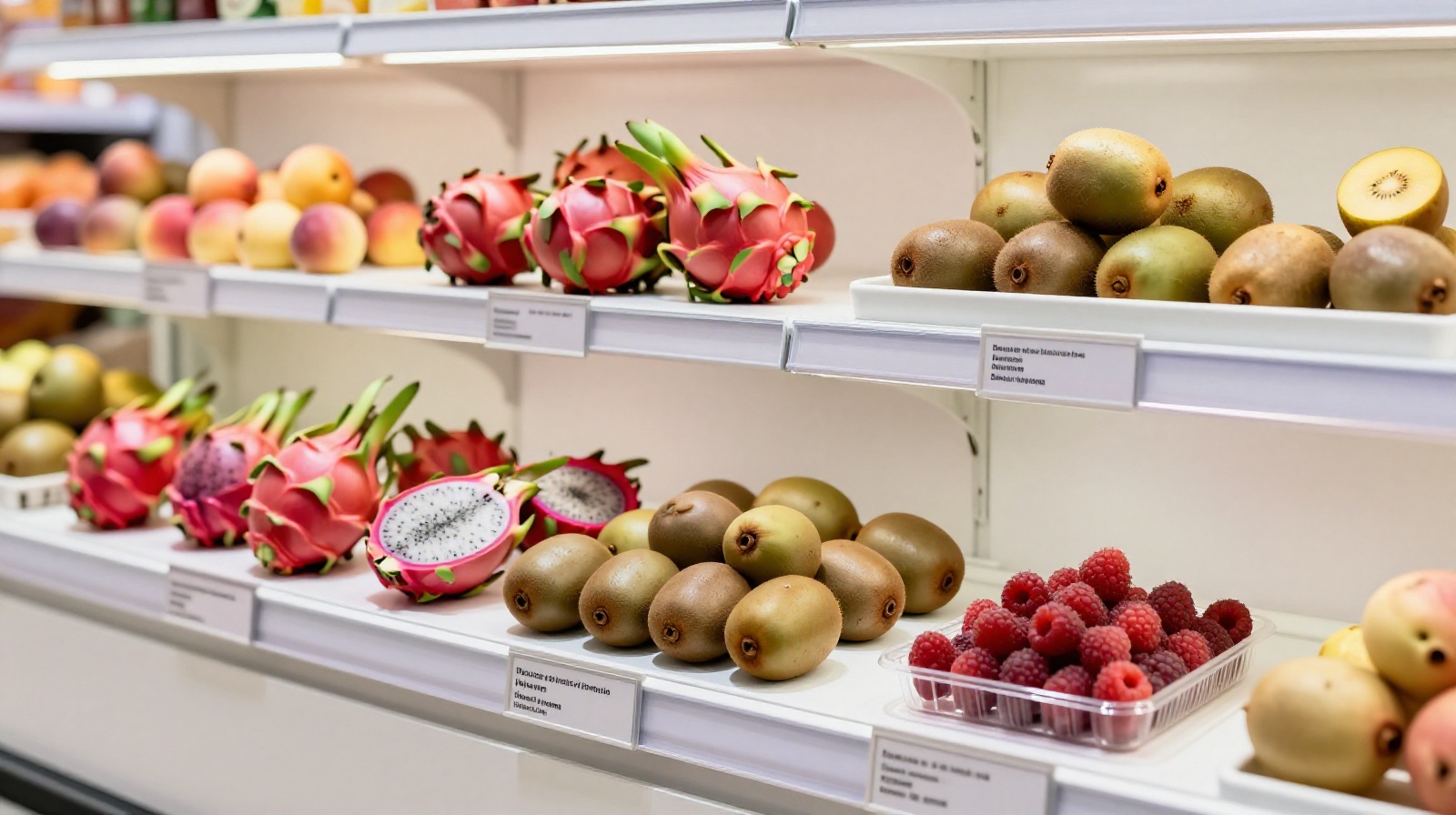
This visual drive has changed packaging too. Supermarkets like Hema (Freshippo) display fruits in minimalist, elegant packaging that looks more like jewelry than groceries. The goal is to make the act of buying and eating fruit feel premium and shareable. When young people post a photo of their fruit bowl, they are curating an image of a refined, health-conscious lifestyle.
Convenience as a Luxury
Perhaps the biggest revolution in how young Chinese people consume fruit is the integration of technology. China’s instant delivery ecosystem—led by giants like Meituan and Ele.me—has redefined expectations. The concept of “instant gratification” applies heavily to food.
For busy professionals, going to a wet market to haggle over prices is a thing of the past. With a few taps on a smartphone, fresh fruit can be delivered to their office door or home within 30 minutes. This convenience comes with a premium, but for Gen Z, time is often more valuable than money. They are willing to pay extra for pre-washed, pre-cut, and ready-to-eat options.
This technological bridge has also democratized access to exotic fruits. Durian, once difficult to find outside of specific regions or ethnic neighborhoods, is now available in suburban apartments across China, delivered in temperature-controlled boxes. The barrier between a consumer in inland China and global food trends has virtually disappeared.
Blending Global Trends with Local Tastes
The new fruit culture in China is not isolated; it is part of a global dialogue. Young Chinese consumers are exposed to international health trends through travel and social media. They embrace the Western concept of “superfoods” but adapt them to local palates.
There is also a fascinating blend of traditional Chinese dietary beliefs with modern nutrition science. For example, many young people are aware of the concept of “yin and yang” in food. They might avoid eating too much “cooling” fruits like watermelon during winter, preferring “warming” options like cherries or lychees, but they frame this choice through the lens of modern wellness rather than just tradition.
A Mirror to Changing Lifestyles
The shift in China’s fruit market is a microcosm of broader societal changes. It reflects a generation that is more health-conscious, digitally native, and aesthetically driven than any before it. They are not just eating; they are performing their values.
For observers outside China, this might seem like a minor detail in grocery shopping. But for young Chinese, it is significant. It shows a move away from the collective, survival-oriented consumption of the past toward a personalized, quality-oriented lifestyle. The fruit bowl on their desk is not just fuel; it is a statement of who they are and how they want to live.