


Beyond the Viral Hit
When Li Wei, a 28-year-old tech reviewer from Shenzhen, uploads a video, he doesn’t just hit “publish.” He holds his breath. For the next hour, his entire world shrinks to a single number: views. If the algorithm favors him, the notification badge turns red, sales for his recommended gadgets spike, and for a fleeting moment, he feels like a king of the internet. If it doesn’t? The silence is deafening.
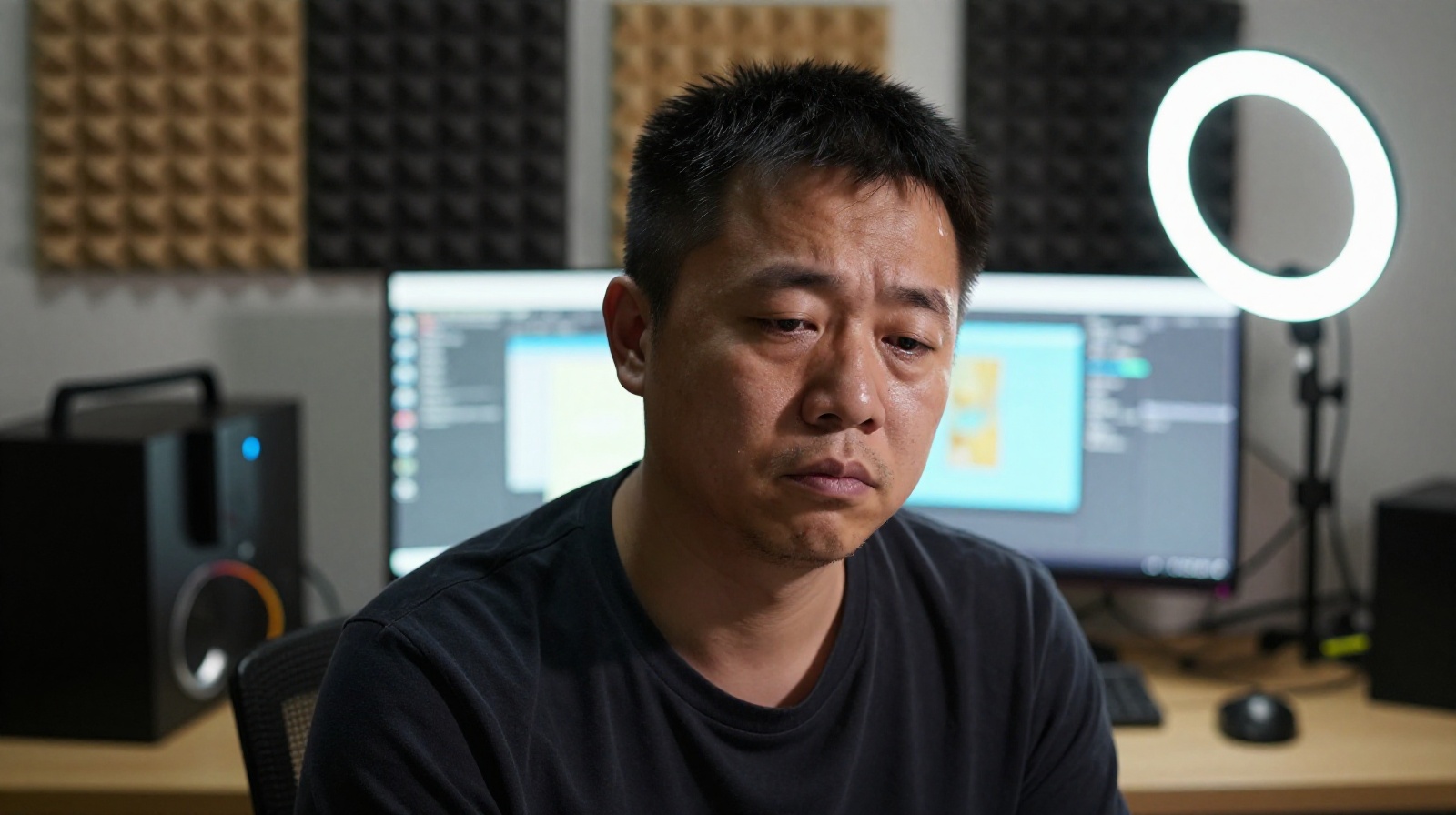
This is the daily reality for millions of “self-media” creators in China, known locally as zimeiti. To an outside observer, their lives look like a digital carnival: flashy gadgets, trendy cafes, and constant validation from thousands of followers. But peel back the screen, and you find a stark contrast. It is a profession defined by intense isolation, economic precarity, and a relentless chase for attention in an ocean of noise.
The Algorithmic Grind: Life in the Studio
Li Wei’s “studio” is actually a 30-square-meter apartment in a dense urban neighborhood. The walls are lined with acoustic foam, and a ring light hums in the corner. He wakes up at 9 AM, checks his analytics from the previous night, and spends the next six hours scripting, filming, and editing.
The pressure is dictated by the platform’s algorithm. In China’s hyper-competitive social media landscape, consistency is survival. Many creators post once or twice a day, every day. There is no weekend. There is no true clocking off.
“I feel like a hamster on a wheel,” Li Wei admits, rubbing his tired eyes. “If I stop for three days, the algorithm forgets me. My traffic drops by 80%. I’m not creating art; I’m feeding a machine.”
This “traffic anxiety” is pervasive. It affects creative decisions, mental health, and even relationships. Creators often find themselves performing happiness for the camera while feeling hollow inside. The fear of being irrelevant is more terrifying than the fear of poverty.
Connection vs. Loneliness in the Digital Age
The most profound paradox of self-media work is the disconnect between online visibility and offline intimacy. Li Wei has 50,000 followers. When he walks down the street, people sometimes recognize him and ask for selfies. But when he falls ill or loses his job, who do they call?

“I have a thousand friends online, but I can’t find anyone to have dinner with,” says Chen Xia, a lifestyle vlogger based in Shanghai. “We are all alone together.”
This phenomenon, often termed “digital loneliness,” is increasingly common among Chinese content creators. The act of sharing one’s life creates a sense of community, but it also replaces genuine human interaction with transactional engagement. Comments are often generic praise or aggressive criticism, rarely offering the depth of real friendship.
For many, the camera becomes both a bridge and a wall. It allows them to connect with strangers across the globe, yet it isolates them from the people sitting right next to them. The screen is a one-way mirror: they can see out, but others only see a performance.
Economic Realities: Gig Work and Stability
Pop culture often paints influencers as overnight millionaires. The reality for 95% of Chinese self-media creators is far more precarious. Most operate as solo entrepreneurs or in tiny teams, bearing the costs of equipment, software, and marketing themselves.
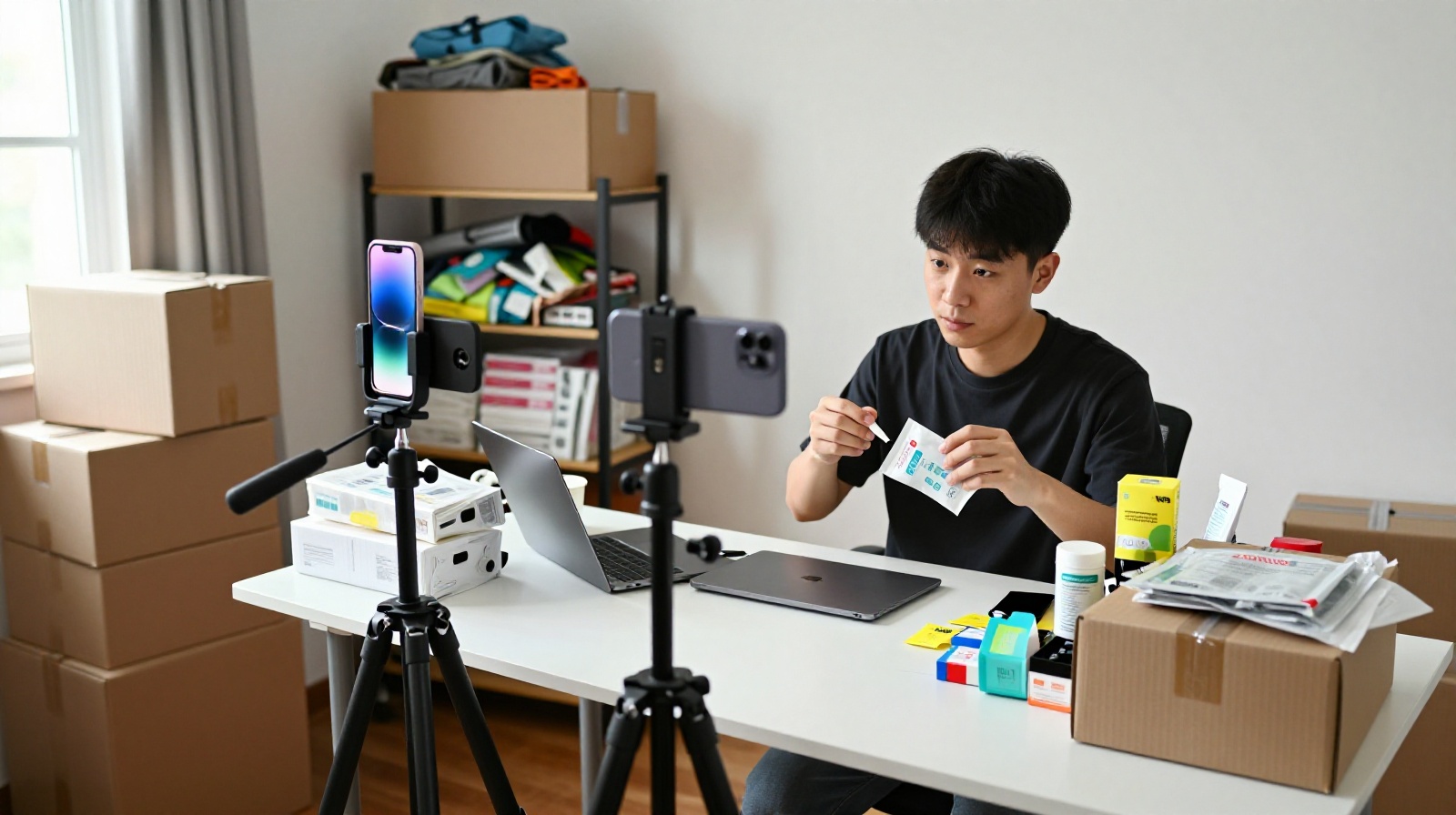
Income is volatile. A creator might earn a month’s salary in one day during a live-stream sales event, only to face zero revenue for the following weeks. This instability forces many to pivot from pure content creation to e-commerce or educational consulting, where revenue is more predictable.
Platform policies also play a huge role. A sudden change in monetization rules can wipe out a creator’s livelihood overnight. There is no HR department, no sick leave, and no pension. They are the gig workers of the digital age, navigating a landscape where their boss is an opaque algorithm.
Cultural Bridge: Explaining China to the World
Despite the challenges, many creators find deep purpose in bridging cultural gaps. Li Wei, for instance, has started making videos not just about tech specs, but about how technology changes daily life in Chinese cities. He shows high-speed trains, mobile payments, and even the chaotic energy of local night markets.
“Western media often shows a China that doesn’t exist,” he explains. “I want to show the China I live in. It’s messy, it’s fast, but it’s alive.”
This kind of “grassroots diplomacy” is gaining traction. By sharing mundane details—cooking local dishes, navigating public transport, or chatting with street vendors—creators humanize a nation often reduced to political headlines. They offer a counter-narrative that is less about ideology and more about shared human experiences.
Finding Authenticity in Noise
As the industry matures, a shift is occurring. The era of chasing vanity metrics is slowly giving way to a search for authenticity. Creators are realizing that while traffic brings money, it doesn’t bring peace.
Li Wei has started to limit his posting schedule. He spends more time meeting friends in person, putting the phone away, and finding joy in non-digital moments. “Success isn’t just about how many people watch my video,” he says. “It’s about whether I still feel like myself after the camera turns off.”
For China’s self-media community, the journey is ongoing. They are navigating a new frontier of work, where the lines between public and private, success and failure, are constantly blurring. But beneath the noise of notifications and the pressure of algorithms, their core desire remains simple: to be seen, to be understood, and to connect.