

So, How Did a Canadian End Up a Chinese Internet Star?
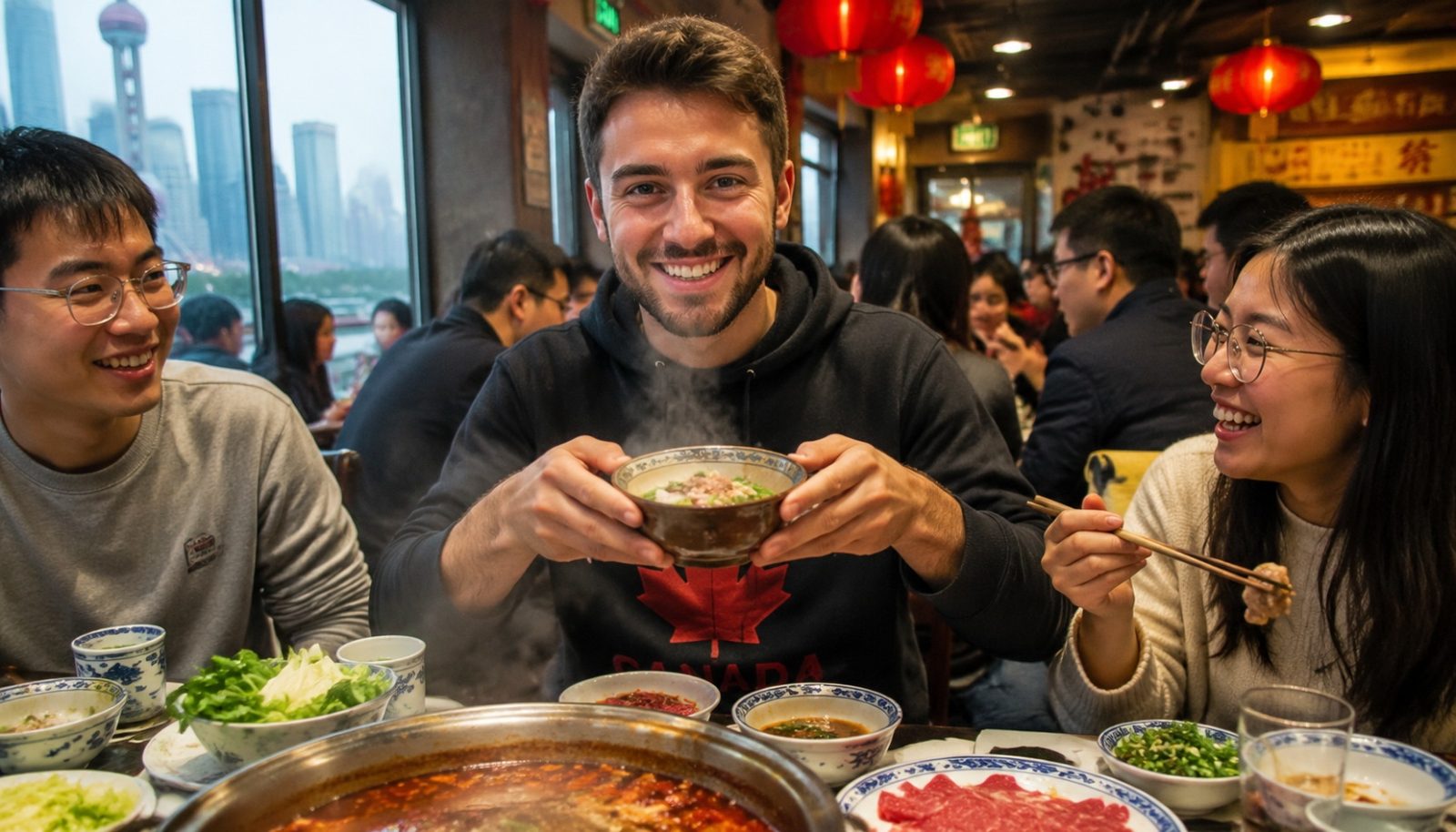
If you asked Alex three years ago whether he’d ever become a ‘web celebrity’ in China, he would have laughed. Back then, he was a high school English teacher in a small town in Ontario, Canada, with zero social media presence. Today, he has over 2 million followers on Douyin (China’s TikTok), his videos regularly get tens of thousands of likes, and strangers recognize him at hotpot restaurants in Shanghai.
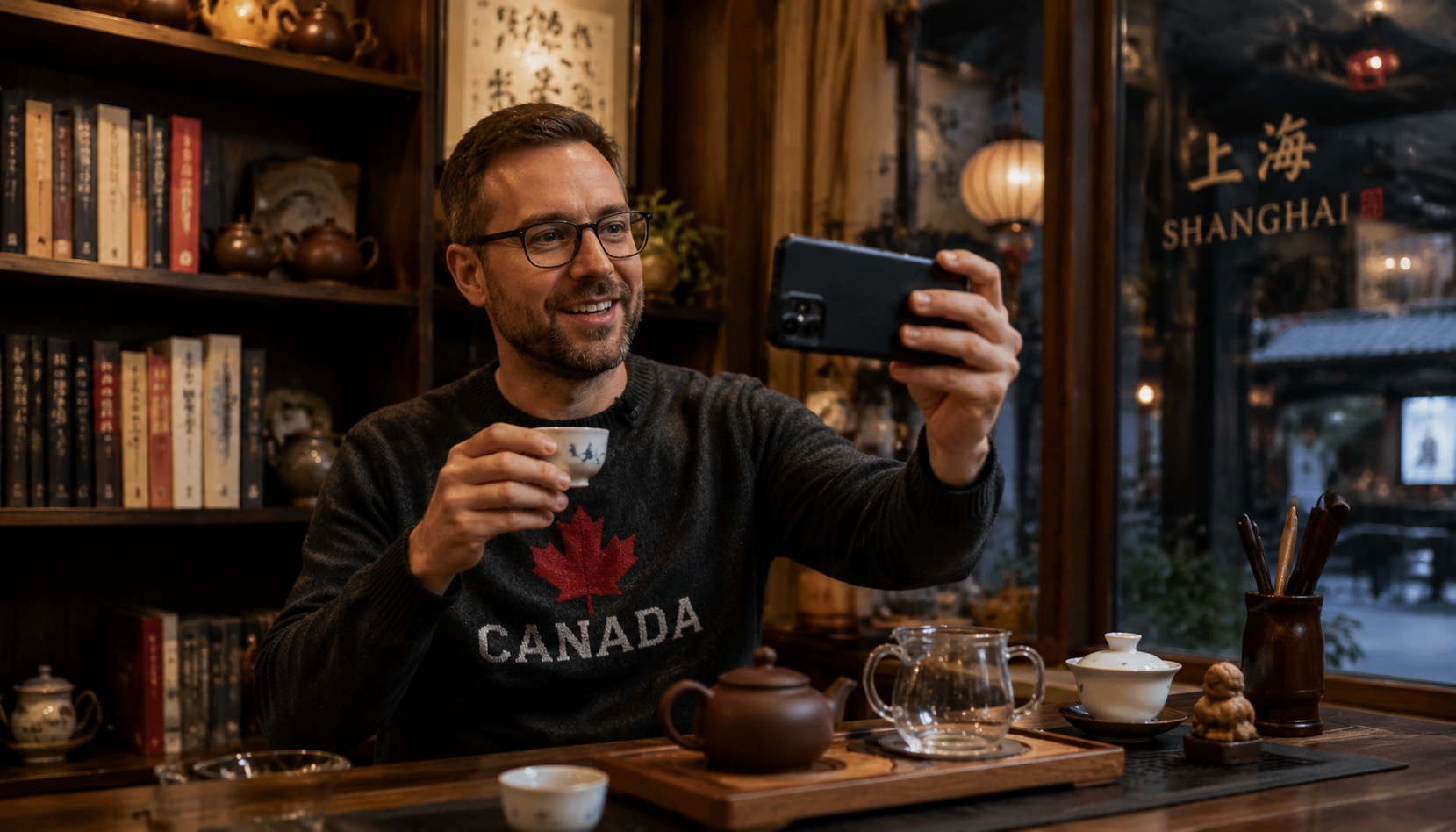
“It still feels surreal,” Alex says, stirring his cup of hot tea in a quiet café near Jing’an Temple. “I came to China in 2019 to teach English at a training center—just a typical expat teacher story. But then the pandemic hit, and suddenly everyone was stuck at home, glued to their phones.”
What started as a way to kill time—recording short, funny videos comparing Canadian and Chinese daily habits—took off. His first viral clip? “Why Canadians apologize to doorframes when they bump into them.” It got 500,000 views in 24 hours.
What Makes His Channel Different?
Alex’s content isn’t just about teaching English. Sure, he does language tips (like the difference between ‘quite’ and ‘pretty’), but his real draw is the cultural conversation. He films himself trying stinky tofu for the first time (his reaction: “It smells like a gym sock but tastes like heaven”), explains why Chinese people don’t usually hug, and debates the merits of hotpot vs. Canadian barbecue.
“The comment sections are gold,” he says. “Chinese netizens are brutally honest. One time I complained about the bones in fish at a restaurant, and someone wrote: ‘Welcome to the real world, Canadian boy. We eat with our hands and our teeth.’ That made me realize how much we take our own food culture for granted.”
He also addresses deeper topics: the pressure of China’s gaokao (college entrance exam), the concept of ‘face’ (mianzi) in social interactions, and how Chinese elders often worry about their grandchildren’s marriage prospects. “I get direct messages from Chinese followers saying, ‘Thank you for explaining why my parents think the way they do.’ That’s incredibly meaningful.”
What Are the Biggest Cultural Surprises for a Canadian in China?
I ask Alex to name three things that still surprise him after four years.
1. The Directness of Chinese People
“I expected indirect communication, but in reality, my Chinese friends are often more blunt than Canadians. They’ll tell you straight: ‘You’ve gained weight.’ Or ‘That shirt is ugly.’ At first I was shocked, but now I appreciate the honesty. It’s not rude—it’s care.”
2. The Speed of Change
“I remember when I first arrived, I had to carry cash everywhere. Now I pay for everything with my phone—even a 2-yuan bottle of water from a street vendor. The QR code revolution is real. And the delivery infrastructure is insane. I can order hotpot ingredients at 11 pm and they arrive in 30 minutes.”
3. The Love for Hotpot
“Hotpot is not just food; it’s a social ritual. The first time a Chinese friend invited me for hotpot, I didn’t know the rules. I put raw meat directly into the spicy broth and waited. My friend laughed and said, ‘You’re supposed to cook it yourself and dip it in sesame sauce.’ Now I’m a convert. I even have my own favorite dipping sauce recipe: sesame, garlic, cilantro, and a splash of vinegar.”
Is It Really That Easy to Make Money as a Foreign Influencer in China?
Alex is honest: “It’s not easy. The market is saturated. There are thousands of foreign teachers trying to become influencers. The ones who succeed are those who genuinely engage with Chinese culture, not just perform stereotypes. My advice: learn Chinese seriously, make local friends, and don’t just talk about your own country—show respect for theirs.”
He makes money through brand partnerships (think language learning apps, food delivery platforms, and travel companies), live-streaming where viewers send virtual gifts, and a paid subscription channel where he gives deeper English lessons. “It’s enough to live comfortably in Shanghai, but I’m not buying a Lamborghini. The real reward is the community.”
What Do You Want People Outside China to Understand?
“China is not a monolith. People imagine it as this giant, mysterious block. But when you walk down a street in Chengdu, you see people dancing in the park, eating spicy skewers, and arguing about which hotpot restaurant is the best. The daily life here is incredibly vibrant and normal. Yes, there are differences—like the internet governance, or the way people queue—but the common humanity is overwhelming.”
He pauses. “If my videos make even one person think, ‘Huh, maybe I should visit China, try real hotpot, and talk to some locals,’ then I’ve done my job.”

Alex’s Douyin account: @CanuckInChina (over 2 million followers). He also runs a WeChat public account for English learners.
Start the discussion at forum.chinacomes.com