

The Invisible Migration
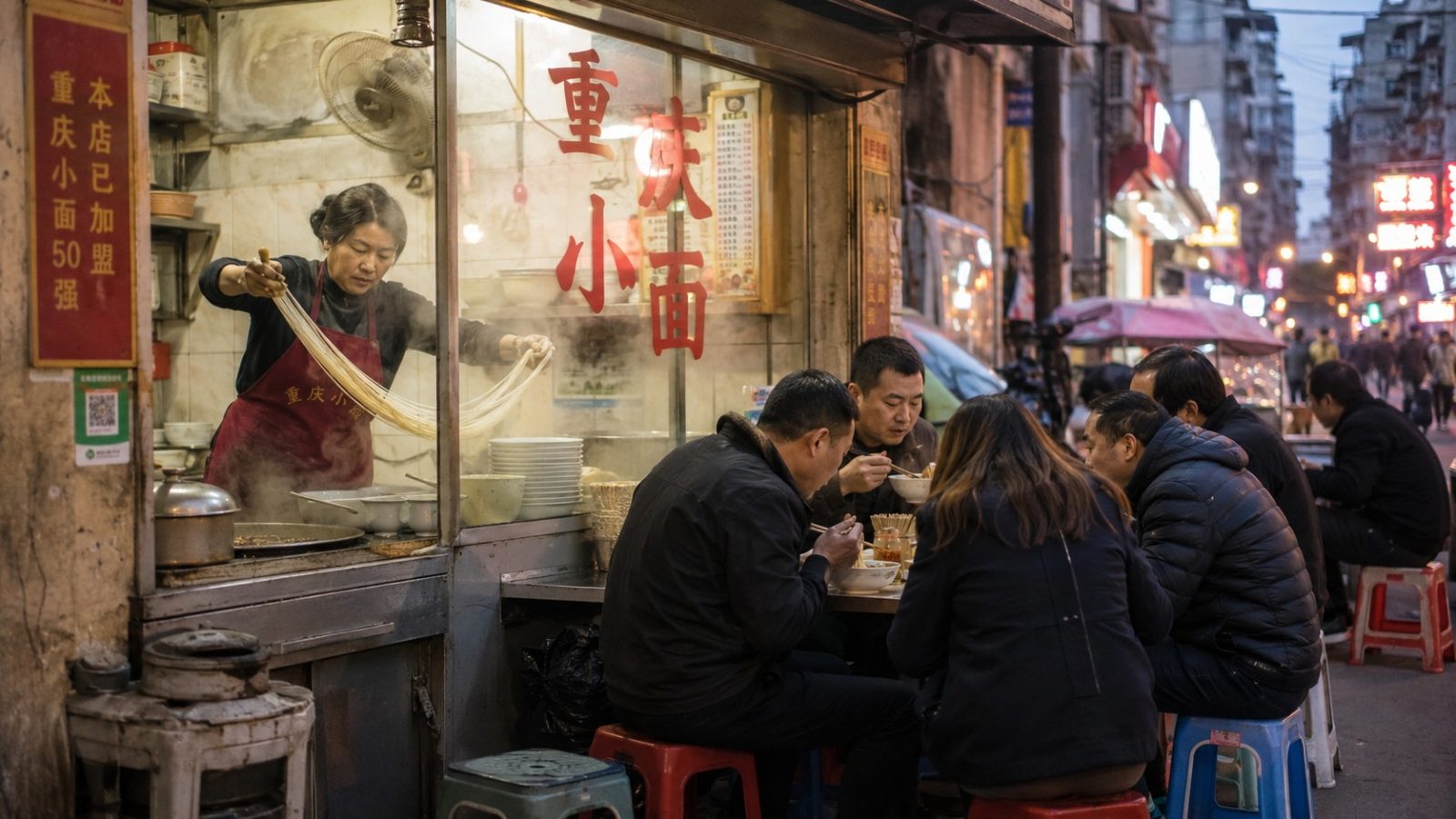
The smell hits you before you see the sign: fermented chili, star anise, and boiled beef bone broth. It is 7:30 PM in a narrow alleyway in Shenzhen’s Longhua district. Outside, traffic jams stretch for kilometers, a typical evening rush hour in one of China’s fastest-growing metropolises. Inside “Old Wang’s Hand-Pulled Noodles,” the air is thick with steam and the clatter of porcelain bowls.
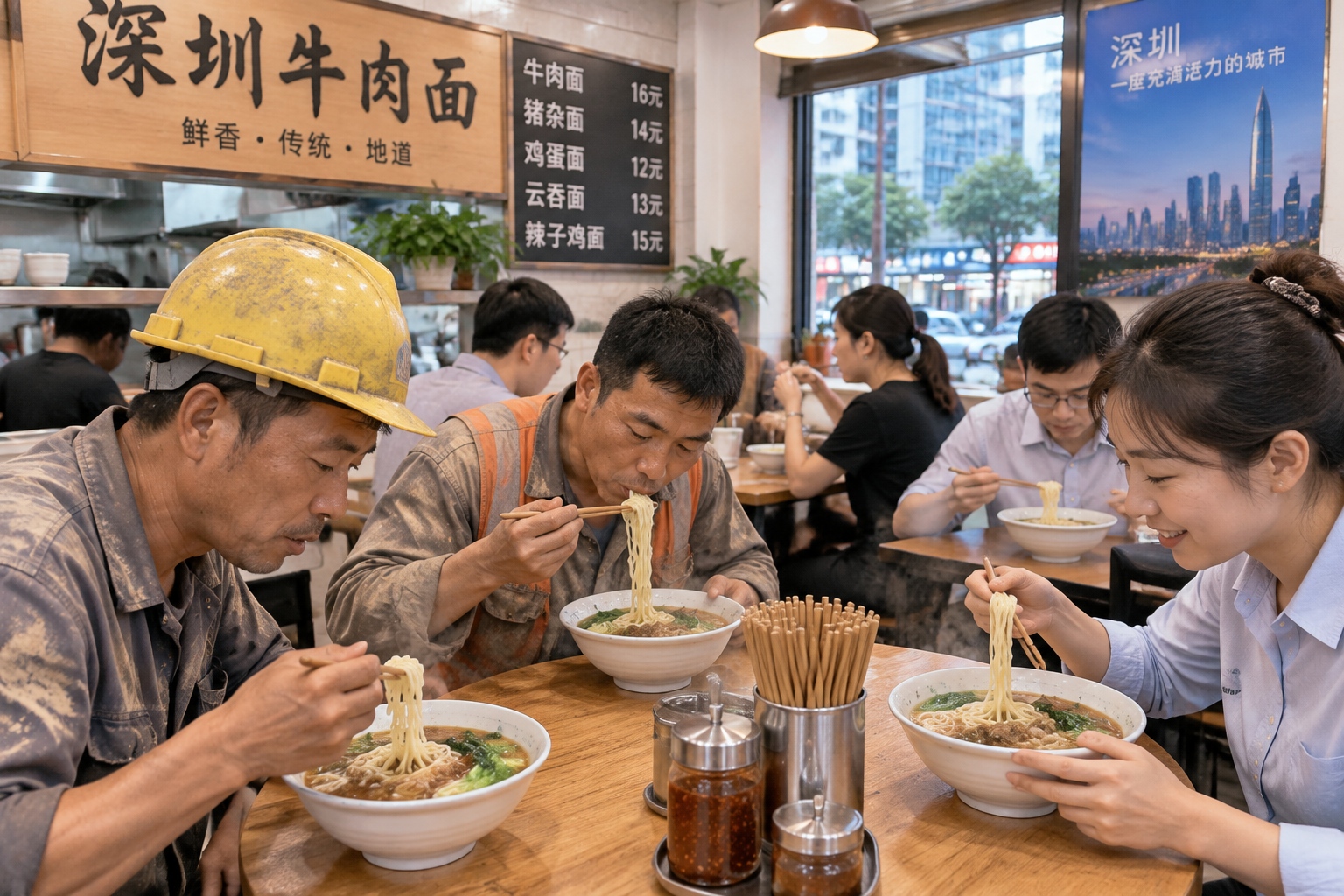
For the three dozen customers packed onto plastic stools, this isn’t just dinner. It is a taste of Gansu province, hundreds of kilometers away. Wang Li, the owner, was born in Lanzhou but has lived in Shenzhen for fifteen years. He arrived as a young laborer, working in construction sites before saving enough to open this 40-square-meter shop. His story is not unique. Across China, from Chengdu’s spicy hotpots to Hangzhou’s sweet dumplings, regional cuisines are migrating alongside the country’s massive internal population shifts.
This phenomenon is often overlooked in macroeconomic data but is vividly present in the fabric of everyday urban life. As rural workers move to coastal cities for better wages, they bring their culinary traditions with them. These small eateries do more than feed hungry bodies; they preserve cultural memory in a rapidly changing landscape.
From Rural Kitchens to Neon Lights
The journey of a dish like Lanzhou beef noodles is a mirror of China’s urbanization. Decades ago, these noodles were a local breakfast staple, eaten from bamboo baskets on street corners. Today, they are found in nearly every major Chinese city, often with slight variations to suit local palates.
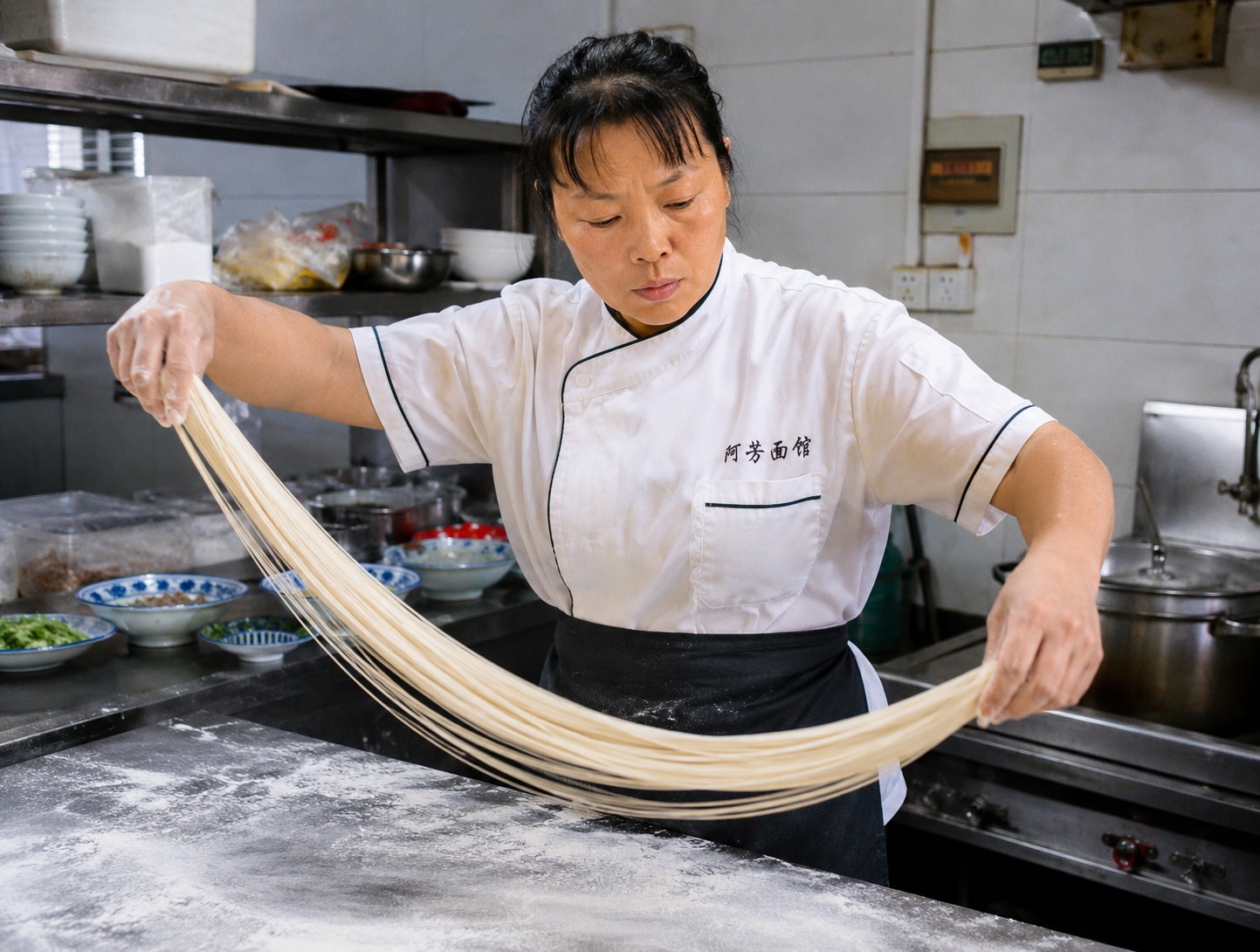
In Shenzhen, Wang Li’s shop operates on a tight schedule. He wakes at 4 AM to hand-pull the dough, a technique requiring years of practice. The noodles must be uniform, chewy, and served in broth that has simmered for hours. This labor-intensive process is a luxury few can afford in high-rent urban areas, yet it remains the core of his business model.
“I don’t change the recipe,” Wang says, wiping sweat from his forehead as he slides a bowl to a customer. “If I make it too sweet or too mild, my old friends from home won’t recognize it.” However, survival in a megacity requires compromise. He uses more affordable cuts of beef and sources vegetables from local wholesale markets rather than importing them from Gansu. This balance between authenticity and affordability is the daily negotiation of migrant entrepreneurs.
The Community Hub
Outside the shop, the dynamic changes. The clientele is a mix of construction workers in dusty uniforms, office clerks in business casual attire, and elderly residents from the nearby neighborhood. For migrants, these eateries serve as informal community centers.
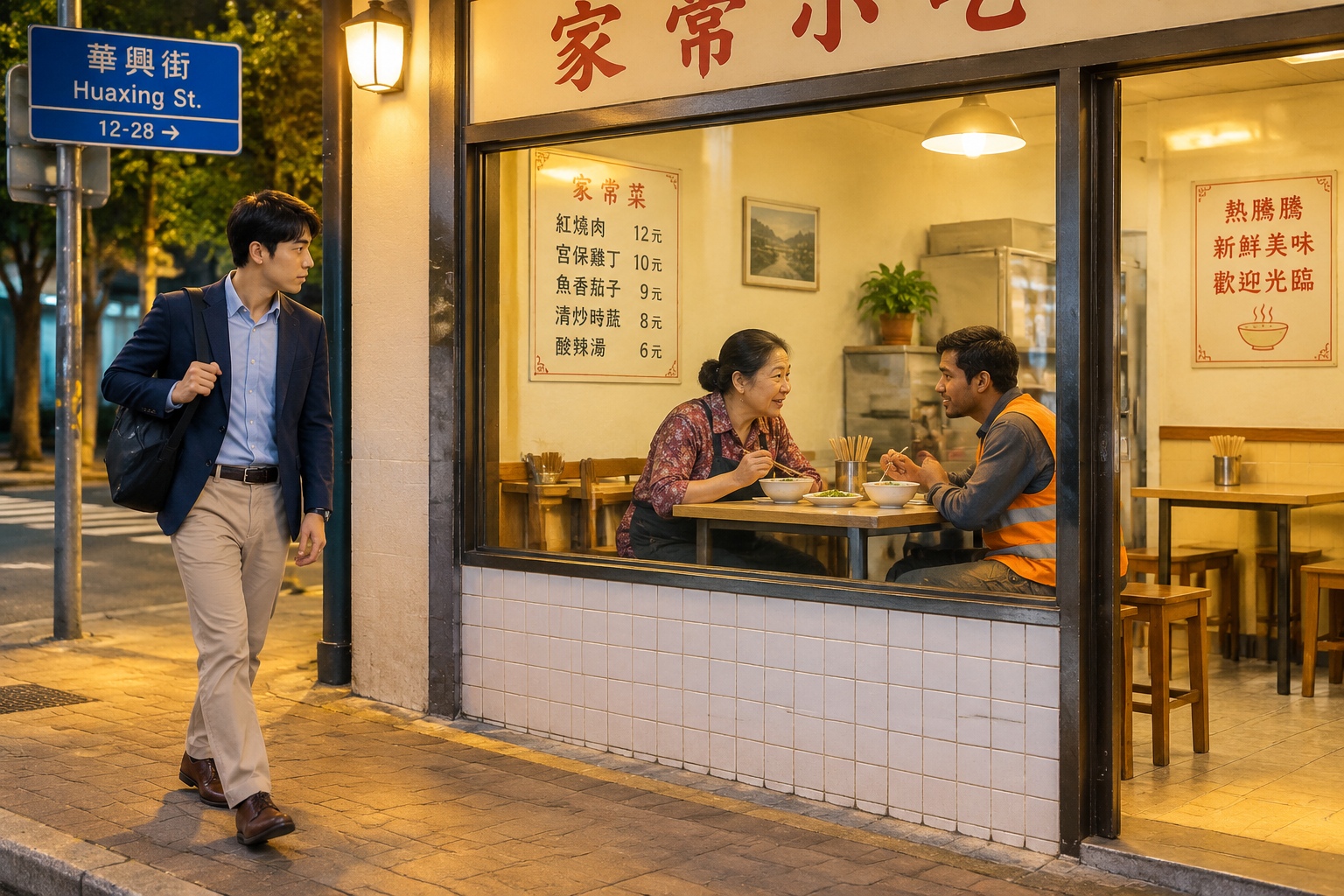
Li Wei, a 28-year-old software engineer, comes here twice a week after work. “I’m from Sichuan,” he explains, picking up his chopsticks. “But sometimes I crave something simpler. Wang’s noodles remind me of my grandfather’s village.” For locals like Mrs. Chen, an 80-year-old resident, these shops are windows into other parts of China. She often chats with Wang about the weather or the changing neighborhood, finding common ground across regional differences.
This social function is critical in cities where transient populations often feel isolated. The small eatery becomes a “third place” – not home, not work, but a space for connection. In this sense, food acts as a social lubricant, softening the boundaries between ‘locals’ and ‘migrants.’
Economic Reality & Culinary Innovation
Behind the warmth of these interactions lies a harsh economic reality. Rent in Shenzhen’s urban villages has risen sharply over the past decade. A small shop like Wang’s operates on thin margins, often earning just enough to cover rent and basic living expenses.
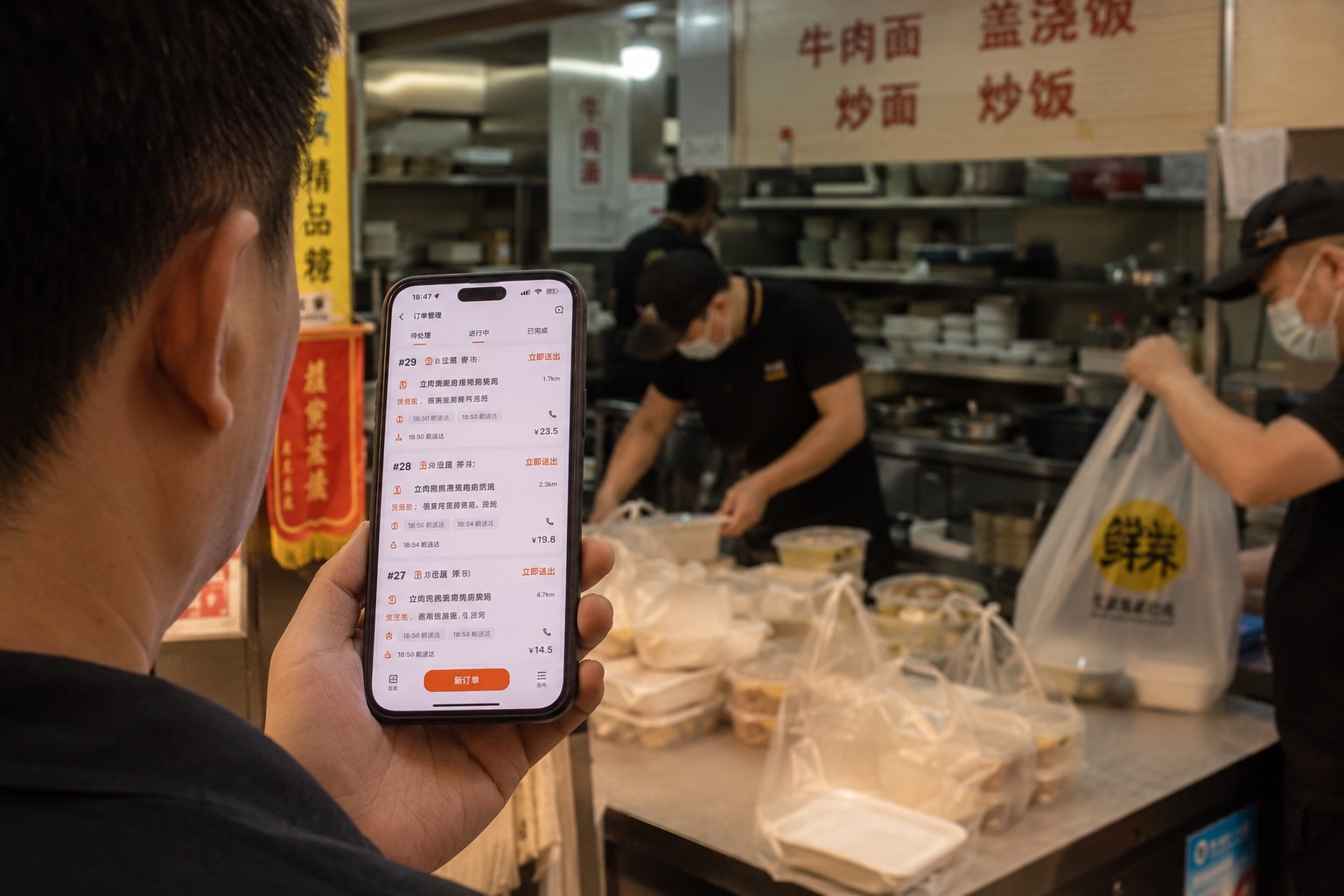
To survive, many migrant-run eateries have adapted. Some have expanded into delivery-only kitchens, leveraging apps like Meituan to reach a broader audience without the cost of dine-in space. Others have diversified their menus, adding fusion dishes that appeal to younger, urban customers while keeping traditional staples for loyal patrons.
This culinary innovation is not just about profit; it’s about adaptation. Just as languages evolve when spoken in new regions, food changes when it moves to a new city. The result is a hybrid cuisine that reflects the dynamic nature of modern China – rooted in tradition but flexible enough to survive in a competitive market.
A Taste of Belonging
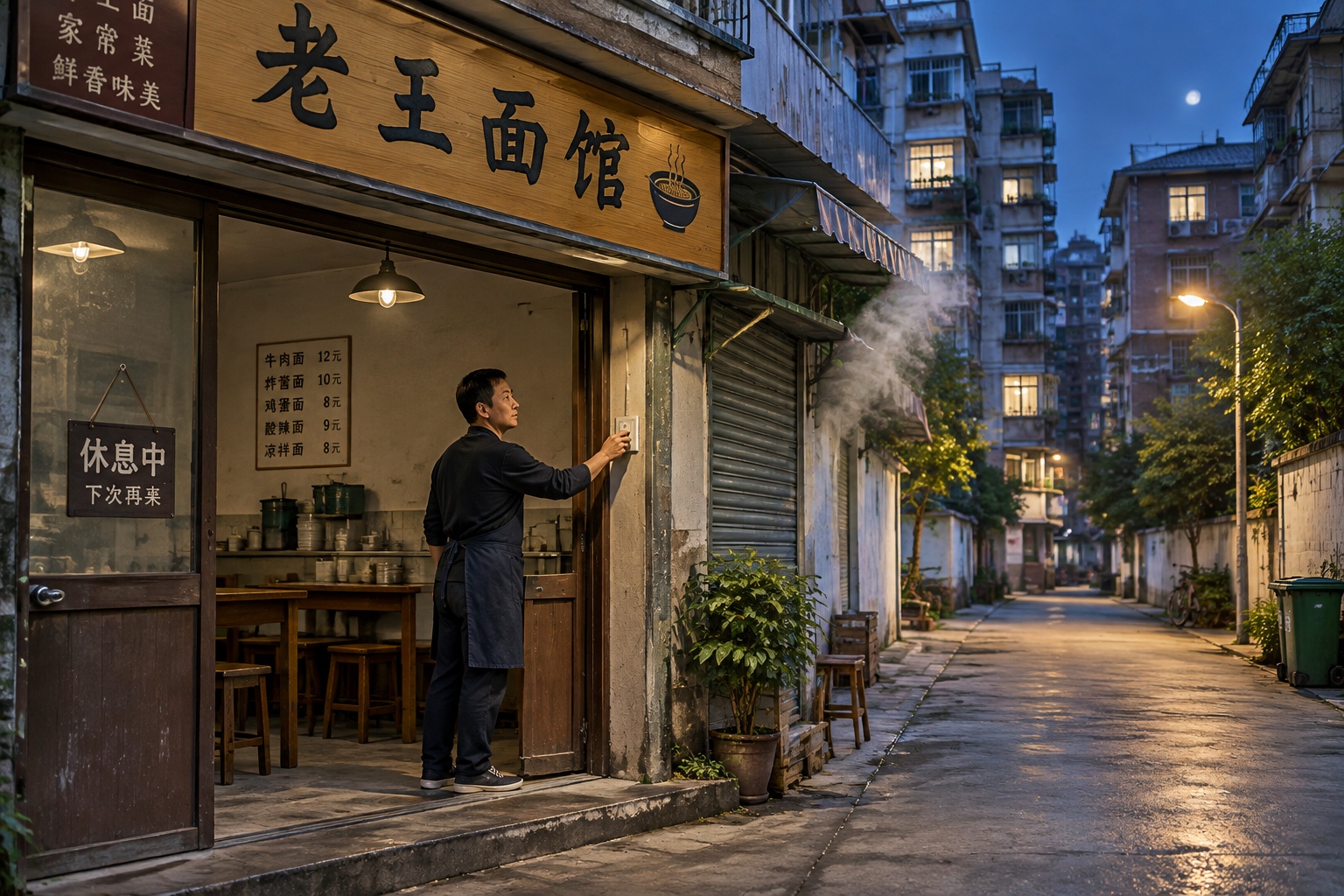
As Wang packs up his shop at 9 PM, the alleyway returns to its usual quiet. The smell of beef broth lingers in the air, a faint echo of the thousands of miles he has traveled. For many migrant workers, food is more than sustenance; it is a tether to their roots.
In a country where over 290 million people have moved from rural areas to cities, these small culinary migrations tell a deeper story. They reveal how ordinary people navigate the tension between preserving their identity and integrating into urban life. Each bowl of noodles sold is a small victory, a moment of connection in a vast, fast-moving society.
For the outside observer, these eateries offer a tangible way to understand China’s social fabric. They are not just places to eat; they are living archives of migration, resilience, and the universal human need for belonging. In every bite, there is a history of movement, a story of adaptation, and a taste of home in the heart of the city.
Start the discussion at forum.chinacomes.com