
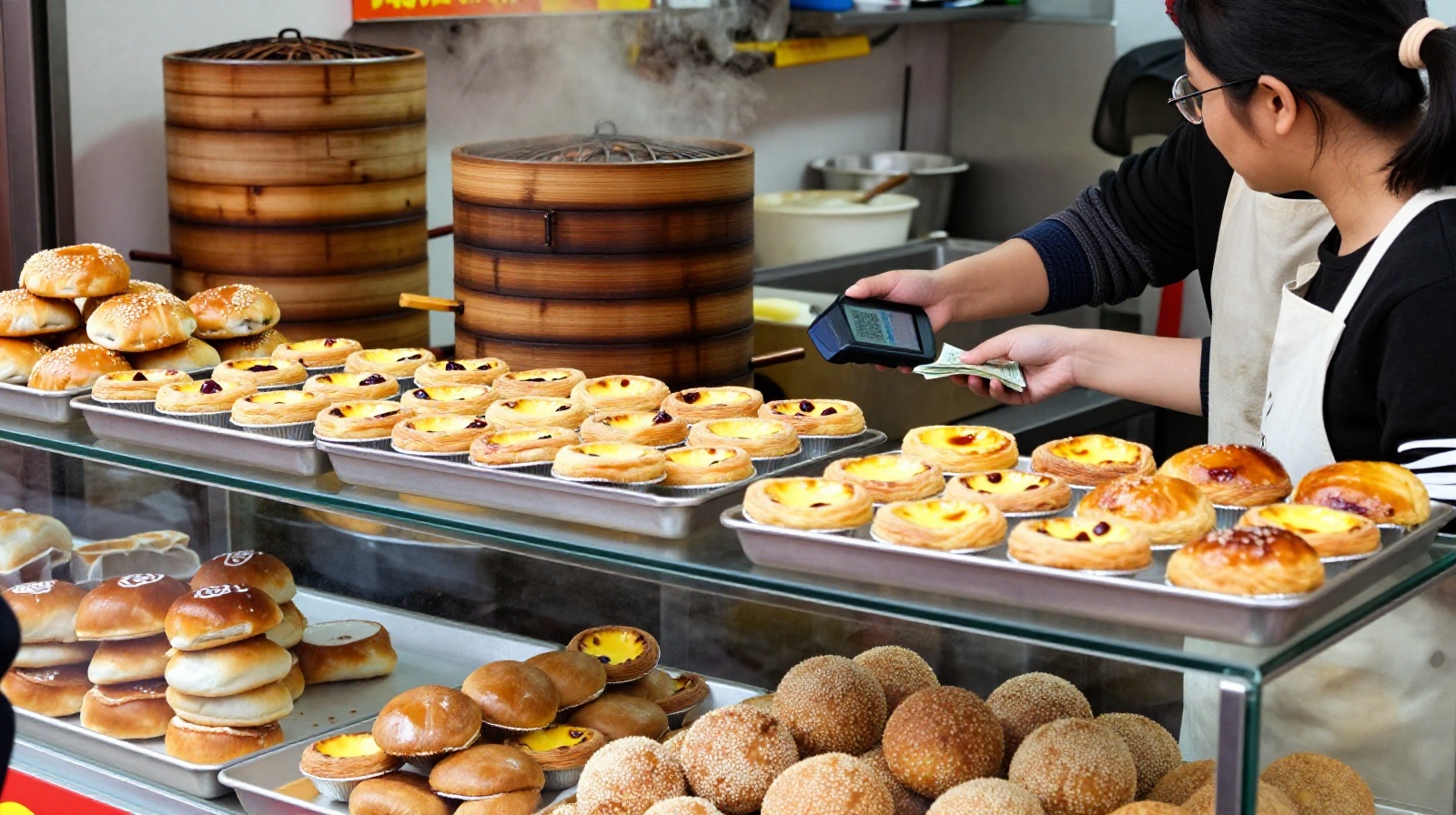

The Morning Ritual That Isn’t Just Breakfast
It’s 7:30 AM in Shanghai. The air near a neighborhood bakery is thick with the smell of yeast and caramelized sugar. You see office workers in crisp shirts, students in uniforms, and elderly residents in park clothes, all standing in line at a counter that stretches back into the dimly lit kitchen. They aren’t ordering coffee. They are buying mian dian—a term that loosely translates to “pastry” but actually covers a universe of steamed buns, fried dough sticks, layered pastries, and sticky rice cakes.
If you think Chinese desserts are limited to red bean soup or mooncakes, this scene will surprise you. In China, mian dian is not just a snack; it is a social lubricant, a business tool, and a comfort food rolled into one. The texture is often more important than the sweetness.
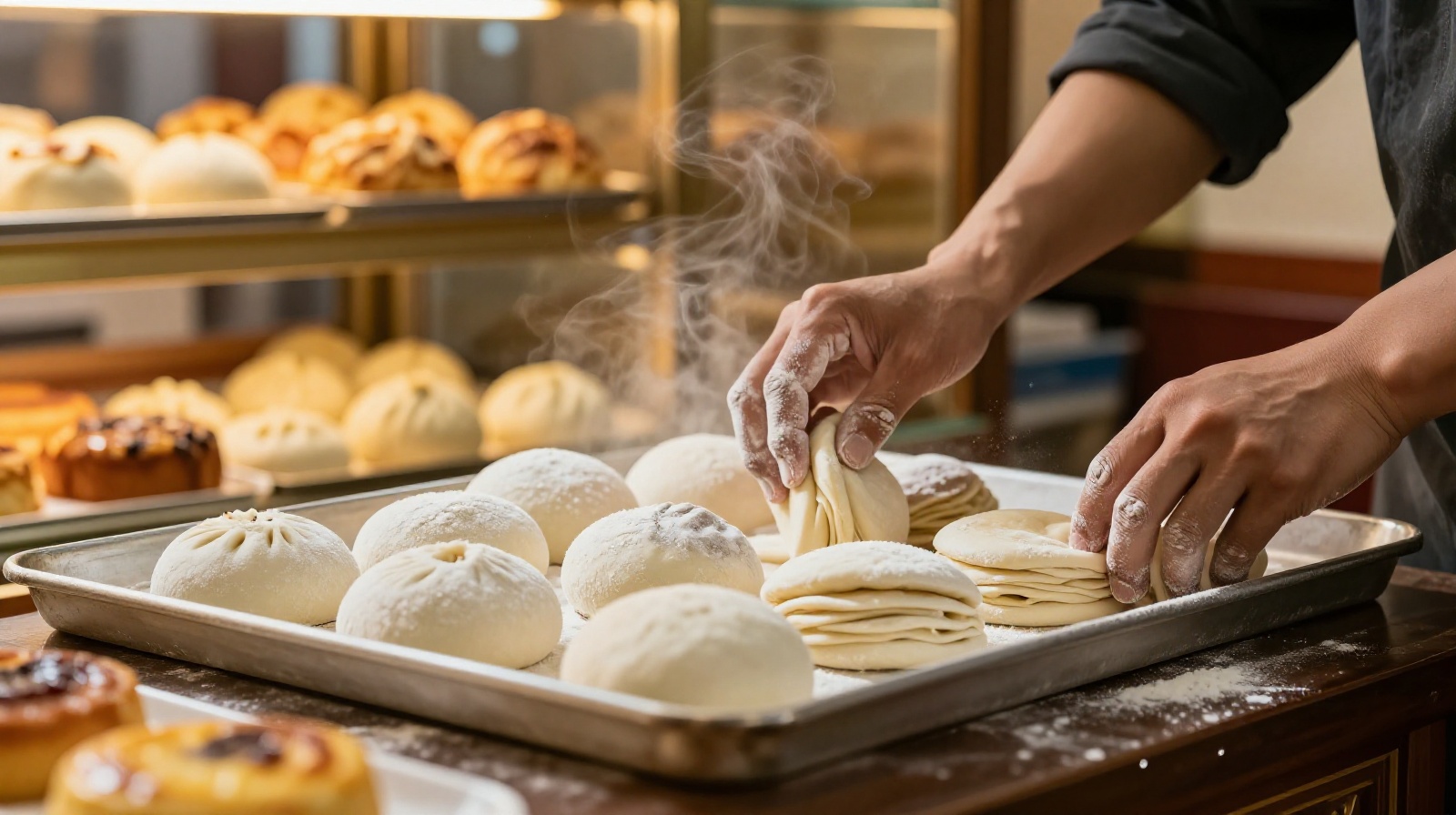
Crispy: The Cantonese Egg Tart Revolution
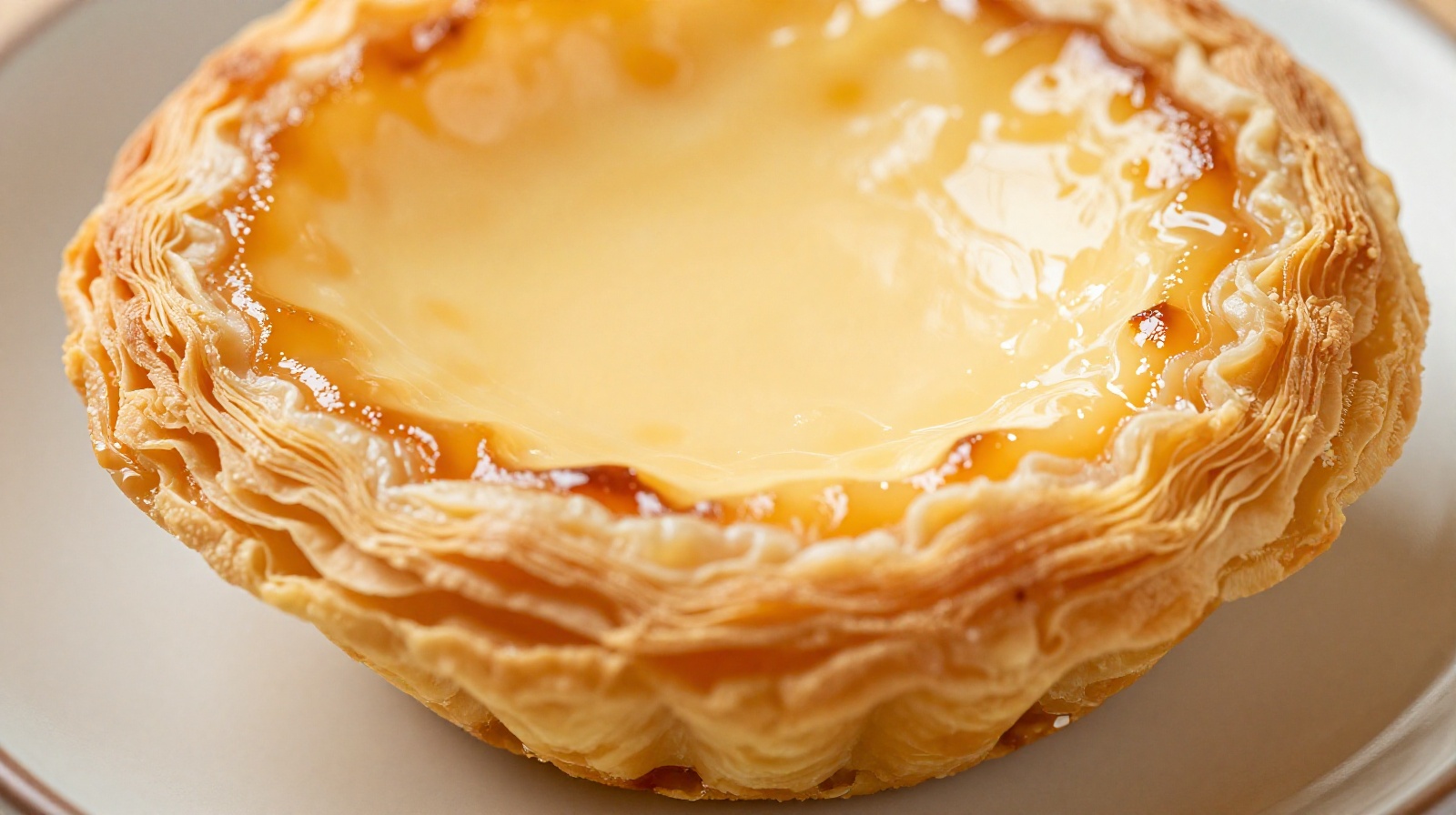
Head south to Guangzhou, and the pastry game changes. Here, the dan ta, or egg tart, has evolved into a culinary art form. Forget the soggy, custard-heavy tarts from Western chain stores. The authentic Cantonese version has a crust so flaky it shatters at the touch, made with hundreds of layers of butter and flour.
There are two main styles. The sou ga (soft pastry) tart has a silky, creamy filling that tastes like sweetened milk custard. The su pi (crispy crust) version features a golden, crumbly shell that coats a rich, egg-rich center. At Tao Tao Ju, a century-old tea house, you can watch masters roll dough by hand, creating layers thinner than paper. Locals will tell you that the perfect tart should be eaten within minutes of leaving the oven, while the crust still sings.
Chewy: The Sticky Rice Phenomenon
Move inland to Hangzhou or Beijing, and you’ll encounter the chewier side of Chinese pastry. This is the world of nuo mi—glutinous rice. It’s not about being sticky in a messy way; it’s about a unique, elastic chewiness that is addictive once you get used to it.
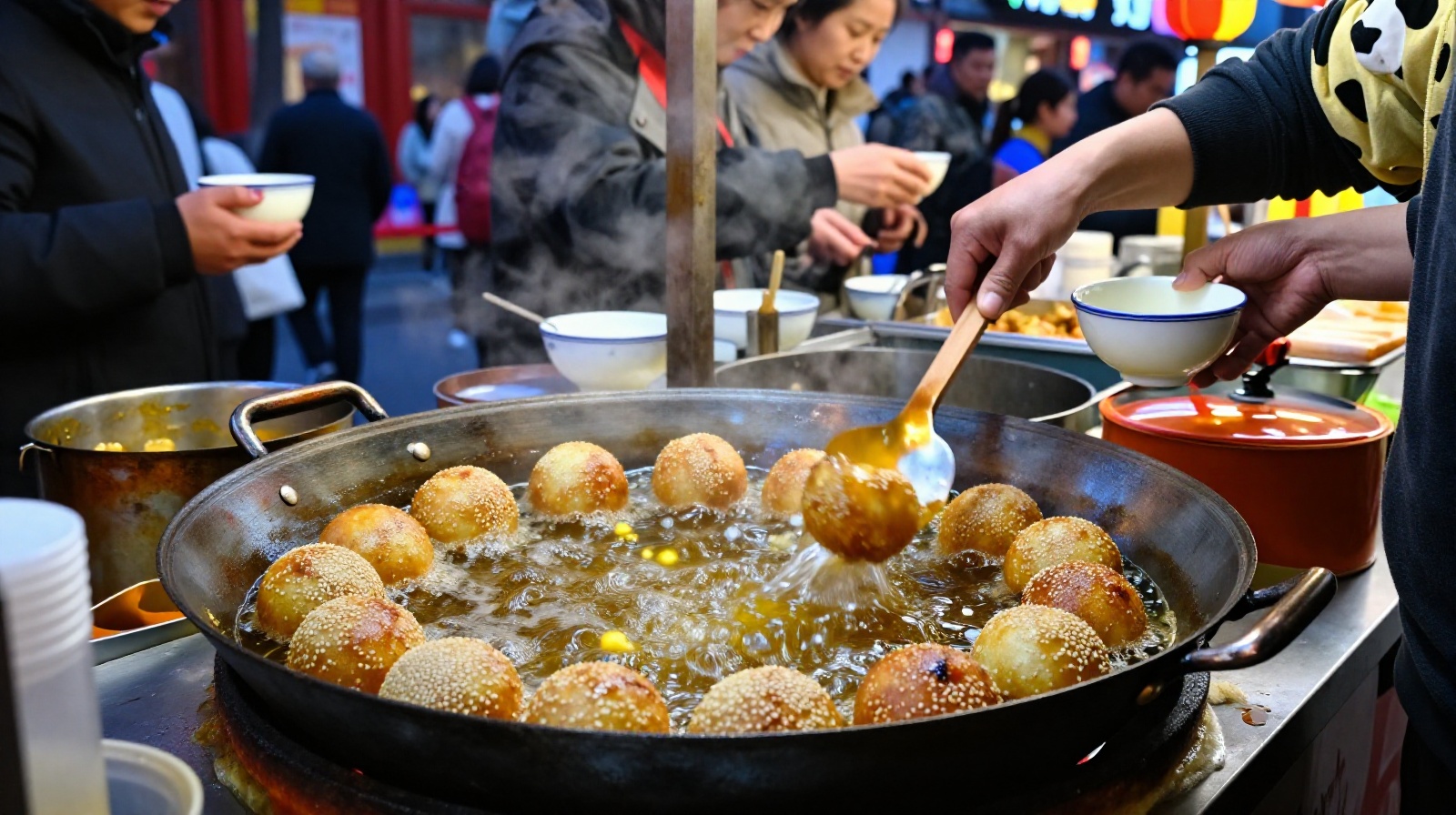
The ci ba, or rice cake, is the star here. Imagine a ball of mochi, but denser and often fried until golden brown on the outside. Inside, it might be filled with red bean paste, black sesame, or even savory minced meat. In Beijing’s Houhai area, street vendors sell jian dui—deep-fried sesame balls that are hollow and crispy on the outside, soft and chewy inside. They are often served as a breakfast item with soy milk, a combination that balances sweetness with a savory, nutty depth.
Soft: The Steamed Bun Paradox
Then there are the bao zi. While often categorized as “savory,” many fillings are sweet, blurring the line between breakfast and dessert. The shaobing, a sesame-topped flatbread, is another staple. In Nanjing, the local version is layered with lard and sugar, creating a flaky, savory-sweet crust that crumbles in your hands.
What makes these items distinct is their role in social interaction. In China, you don’t just buy pastries to eat alone at your desk. You buy them to share. In business meetings, a box of assorted pastries from a reputable local shop is a standard gift. It shows respect and thoughtfulness without the formality of a dinner invitation. “Let’s have some tea and pastries” is often the code for “Let’s talk business in a relaxed setting.”\p>
This is why the quality of the mian dian matters. A bad pastry signals a lack of attention to detail. A good one, like the flaky egg tart from Guangzhou or the perfectly chewy sesame ball from Beijing, signals care and hospitality.
A Practical Guide for First-Timers
If you are visiting China and want to dive into this universe, here is a simple guide based on texture preferences:
- For the Crispy Lover: Try the Su Pi Dan Ta (Crispy Egg Tart) in Guangzhou or the Su Bing (Layered Pastry) in Suzhou. Look for shops with long lines of locals—this is the best indicator of freshness.
- For the Chewy Fan: Seek out Jian Dui (Sesame Balls) or Tang Yuan (Sticky Rice Balls) in boiling water. In winter, hot Tang Yuan is a comfort food that warms you from the inside out.
- For the Soft Texture Seeker: Go for Baozi with sweet fillings like lotus seed paste or red bean. In Shanghai, the Sheng Jian Bao (pan-fried pork buns) offer a crispy bottom and soft top, perfect for a quick lunch.
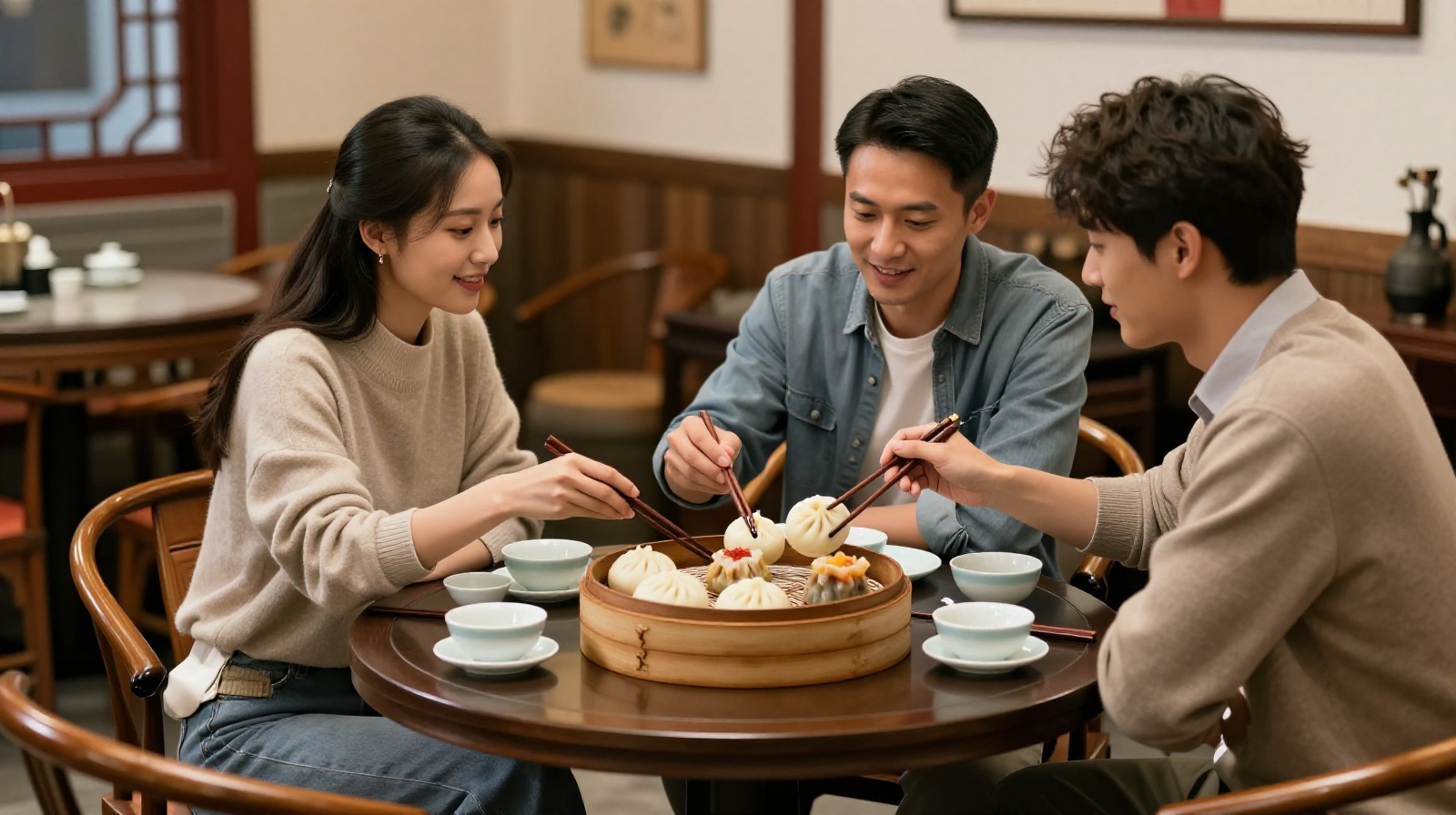
Where to Eat: Avoiding the Tourist Traps
Avoid the shiny, modern malls in city centers. Instead, head to lao shehui (old communities) and traditional night markets. In Xi’an, the Muslim Quarter is not just for tourists; it is where locals go for bing (flatbreads) and you tiao (fried dough). In Chengdu, the small alleys near People’s Park are filled with shops selling gao dian (cakes) that have been passed down through generations.
The key is to look for steam. If you see a shop with visible steam rising from large bamboo baskets or a deep fryer bubbling away, you are in the right place. The pastries there are made fresh daily, not reheated from frozen packs.
More Than Just Sugar
Chinese mian dian is a testament to the country’s agricultural history and regional diversity. It is about wheat, rice, and the mastery of heat and moisture. It is a way of connecting with history, with family, and with each other.
So, the next time you are in China, don’t just stick to the dumplings. Step into a local bakery, point at something that looks interesting, and ask for a taste. You might just find your new favorite snack, and a deeper understanding of Chinese life.