

The New Shape of Walks
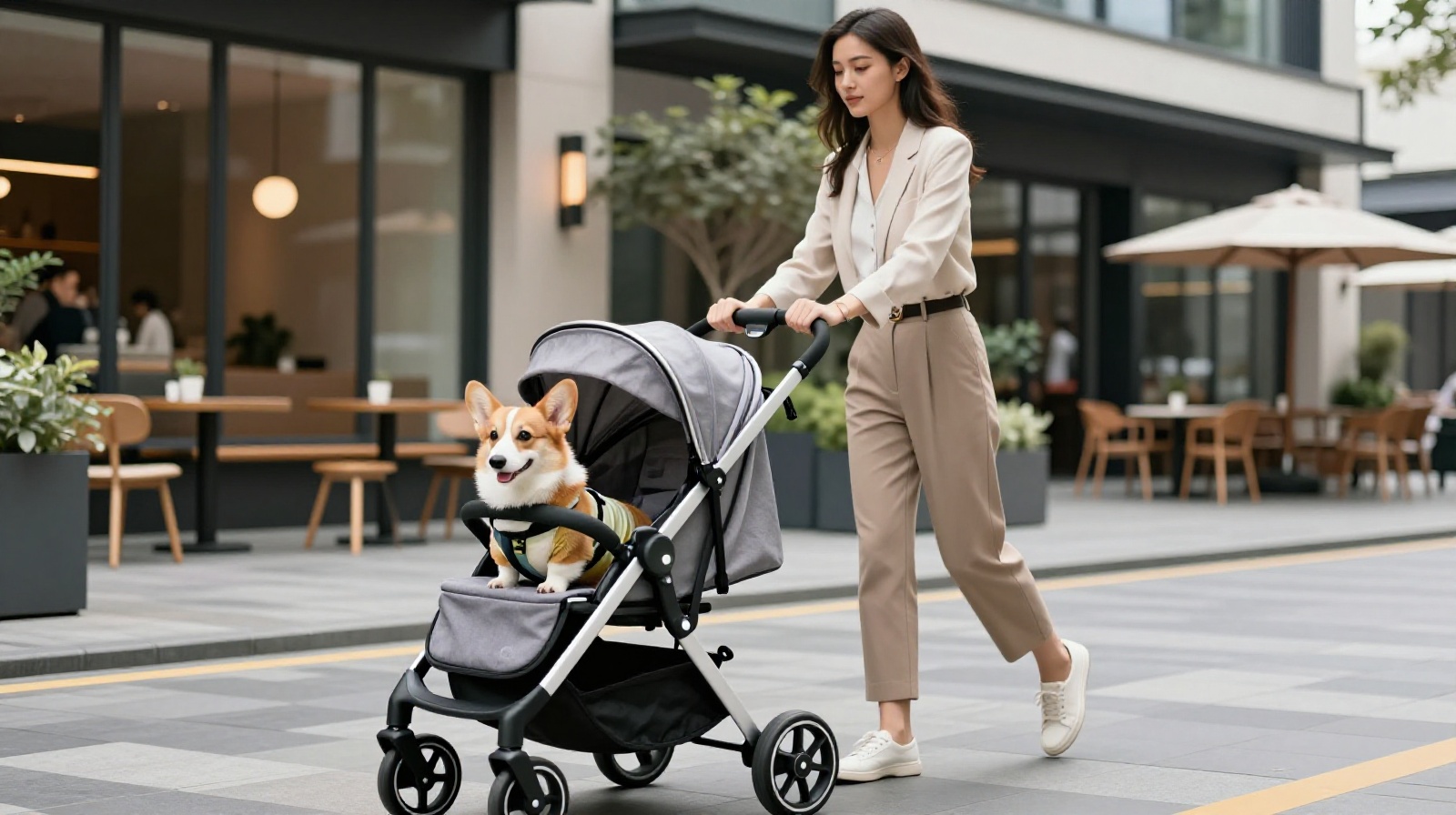
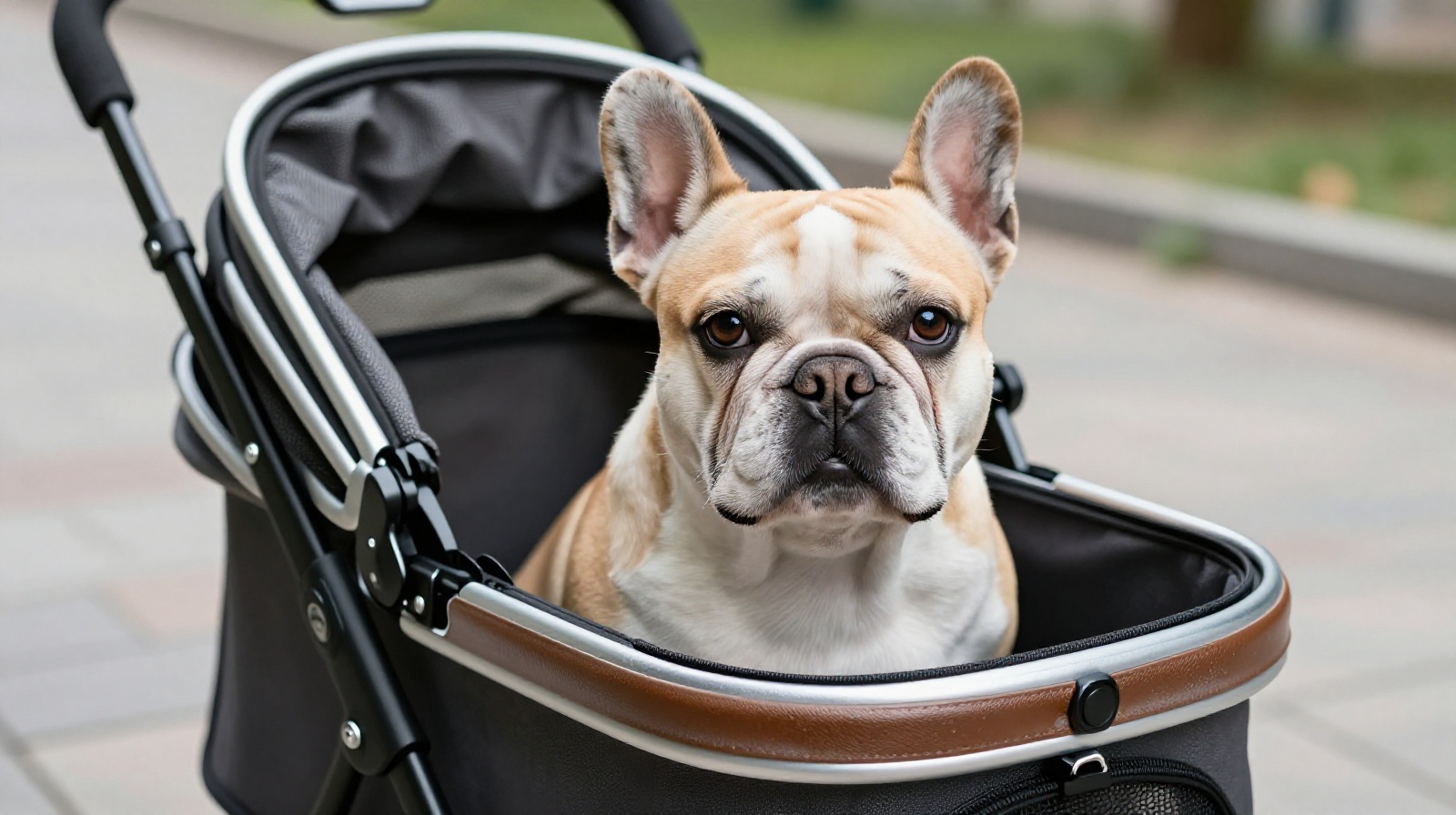
In the upscale neighborhoods of Shanghai’s Jing’an District or Beijing’s Chaoyang, a new sight has become commonplace: a sleek, leather-handled stroller, similar to those used for infants, gliding past boutique cafes. Inside sits not a baby, but a Poodle, a French Bulldog, or a Corgi, often wearing a matching designer outfit. Passersby might do a double-take, but locals see it as normal. This isn’t just about convenience; it’s a visible symbol of a rapidly evolving social norm where pets are no longer seen as mere animals, but as “fur children” (毛孩子) requiring the same care and status as human kids.
Historically, Chinese urban life was dominated by the image of dogs tied to leashes, kept in small apartments, and taken out primarily for exercise. Today, that dynamic is shifting. The rise of the “pet stroller” reflects a broader trend: urban dwellers are willing to spend significantly more on their pets’ comfort and social integration. It’s a stark contrast to the past, where keeping dogs was often restricted or viewed with suspicion due to noise and hygiene concerns.
Why the Boom? The Psychology of Modern China
To understand this luxury pet trend, one must look at the structural changes in Chinese society. Two major factors are driving this explosion in pet consumption: the rise of single-person households and an aging population.
China has one of the highest rates of single-person households in the world, with over 100 million such homes. For many young professionals working long hours in competitive tech or finance sectors, pets provide essential emotional support. They are companions who don’t judge, don’t ask for promotions, and offer unconditional love. Similarly, for the growing elderly population whose children have moved to major cities, pets fill the void of silence in empty nests.
This emotional dependency translates into spending power. According to industry reports, China’s pet market is projected to exceed 300 billion yuan ($42 billion) by 2025. The average spending per pet owner has risen sharply, particularly in tier-1 cities like Shanghai, Beijing, Shenzhen, and Guangzhou. This isn’t just about buying food; it’s about buying a lifestyle.

Services Beyond the Ordinary
The “luxury” label in China’s pet sector goes far beyond expensive leashes. We are seeing a service economy that rivals human wellness industries. In trendy districts, you can find:
- Pet Yoga (Doga): Studios where owners and their dogs practice gentle stretches together, promoting bonding and relaxation.
- Gourmet Pet Dining: Restaurants offering freshly prepared, human-grade meals for pets, complete with wine pairing suggestions for the owners.
- Pet Insurance & Health Tech: High-end clinics offering MRI scans, acupuncture, and comprehensive insurance plans that cover chronic conditions, similar to human health coverage.
This level of service is most visible in tier-1 cities, where disposable income is higher. However, the trend is trickling down to tier-2 and tier-3 cities like Chengdu, Hangzhou, and Wuhan. In Chengdu, known for its relaxed lifestyle, pet cafes are not just places to drink coffee but social hubs for young people to interact with pets in a controlled, hygienic environment.
Public Space and Social Friction
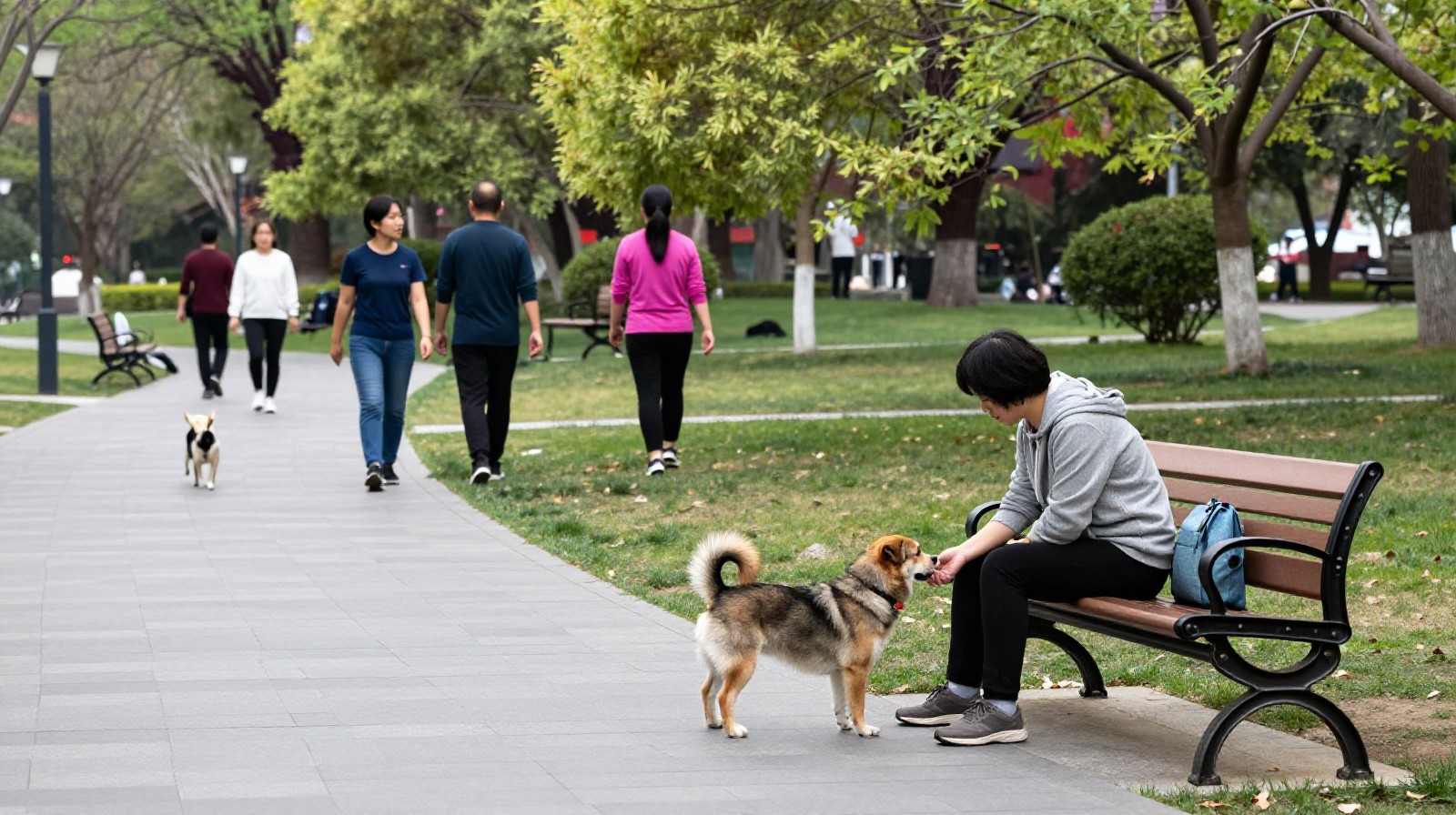
As pets gain human-like status, conflicts over public space are emerging. The same neighborhoods that welcome stroller-pushing owners often clash with residents who view dogs as nuisances. Issues like noise, waste management, and safety in shared spaces (like elevators and parks) are frequent topics of debate in community apps and local forums.
While luxury pet owners see their animals as family members requiring protection and respect, others see them as potential hazards. This tension highlights a transitional phase in Chinese urban governance, where regulations are struggling to keep pace with changing social attitudes. The solution isn’t just about stricter laws, but about fostering a culture of mutual respect between pet owners and non-pet owners.
Love or Loneliness?
Is this luxury pet lifestyle a genuine expression of love, or a commercialization of urban loneliness? It’s likely both. For many, the high cost of pet care is a rational investment in mental health in a high-pressure society. The “fur children” provide a sense of purpose and connection that is increasingly hard to find in fast-paced modern life.
However, it’s important not to overgeneralize. This trend is concentrated among the urban middle and upper-middle classes. In rural areas or lower-income urban communities, pets are still largely kept for practical reasons like guarding homes or simple companionship without the luxury trappings. The “stroller culture” is a specific phenomenon of China’s modernized cities, reflecting their wealth, changing demographics, and evolving definitions of family.
Ultimately, pushing a dog in a stroller is more than a quirky trend; it’s a mirror reflecting how Chinese urbanites are navigating solitude, seeking connection, and redefining what it means to be a household. As the economy matures, this emotional economy will likely continue to grow, shaping not just pet markets, but the very fabric of city life.