

The Alarm Clock That Never Rings
At 11:35 p.m., a warehouse worker in a suburban sorting center outside Shanghai picks up a package containing a pair of running shoes. The order was placed just two hours earlier by a customer in Beijing. By 5 a.m. the next day, the shoes will be loaded onto a delivery truck in the capital’s outskirts. By 10 a.m., they’ll be in a locker near the customer’s apartment. This is not a premium service—it’s the default, and it costs less than a dollar.
How does China make next-day delivery ordinary, even for goods priced under ¥30 ($4)? The answer lies in a system that blends lean inventory strategies, high-speed transport, and a peculiar form of urban warfare. Let’s break it down.
Step 1: Warehouses That Predict Your Clicks
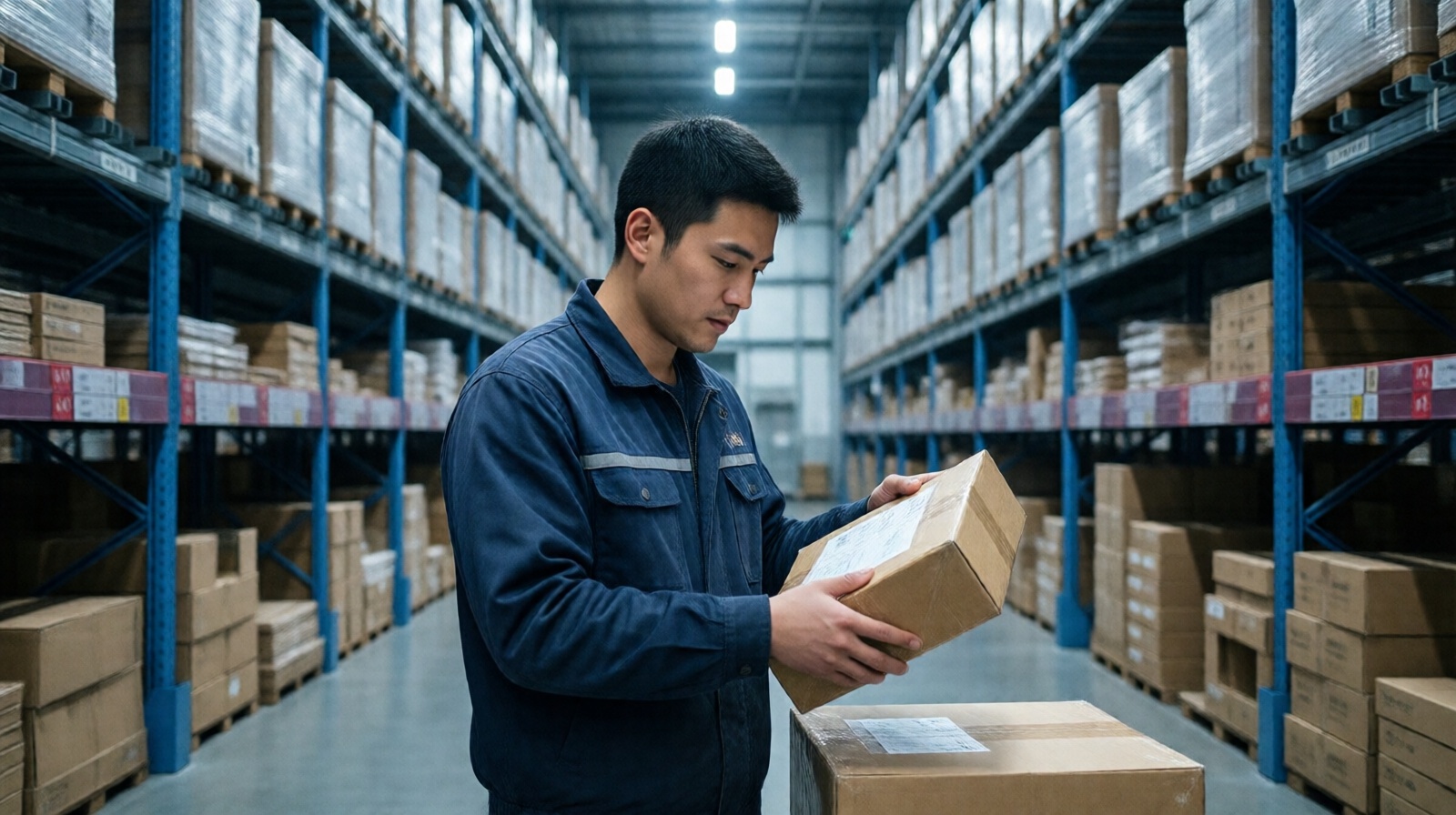
China’s largest e-commerce platforms—Alibaba, JD.com, Pinduoduo—don’t wait for you to buy. They ship inventory to regional fulfillment centers before you even browse. These centers, known as “front warehouses” (前置仓), sit within 50 kilometers of major cities. For a seller in Shenzhen, stocking products in Chengdu’s warehouse costs extra storage fees but saves 48 hours of cross-country transit. Machine learning algorithms analyze historical purchase data per region to decide what to stock. For example, during heatwaves, Guangzhou’s warehouse automatically increases portable fan inventory based on local weather forecasts and last year’s sales curve.
The result: When you click “buy,” the item is already within a day’s reach of your address.
Step 2: Sorting Centers That Never Sleep
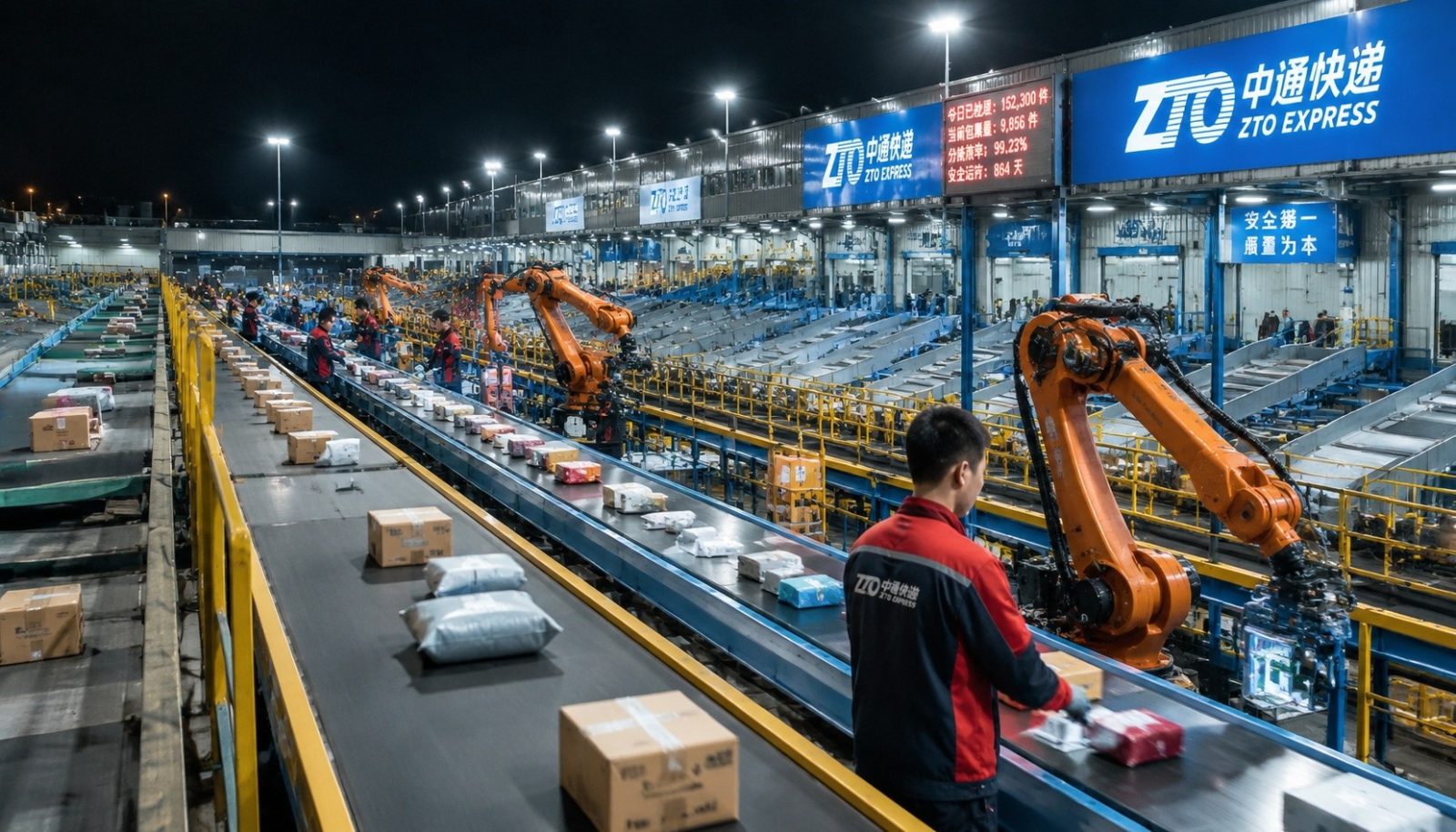
Once a package leaves a warehouse, it enters a sorting center—a building often the size of five football fields. Inside, a tangle of conveyor belts, scanners, and robotic arms handle 200,000 packages per hour. Each package passes under a camera that reads its barcode, weighs it, and calculates the fastest route. Diverter arms push parcels onto belts heading for different cities.
At a major hub like Shanghai’s Pudong sorting center, a package can travel through 8 kilometers of conveyor belts in under 30 minutes. The automation rate exceeds 90% for standard parcels. Round-the-clock shifts ensure the facility never stops: packages that arrive at 2 a.m. leave by 4 a.m. on trucks or cargo flights.
Step 3: The Transport Web—Highways, Trains, and Cargo Drones
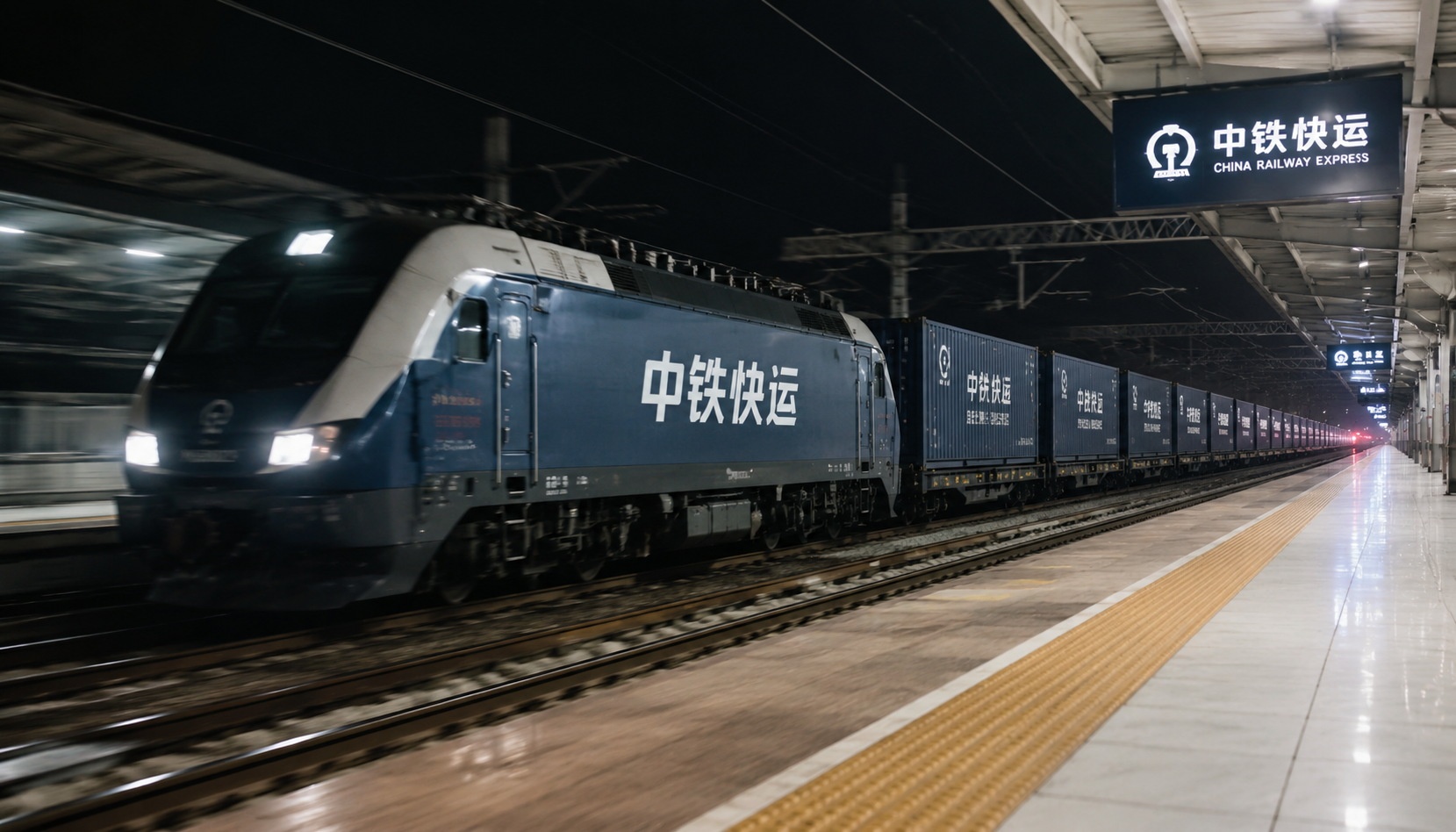
China’s freight network is a tri-modal system: roads for short/medium distances, railways for bulk and overnight runs, and air for urgent or high-value goods. Highways are free for trucks during off-peak hours in many provinces, reducing costs. Dedicated parcel trains run between major cities (e.g., Beijing–Shanghai) at night, pulling 40 containers each. A cargo plane from SF Express, China’s largest courier, can cross the country east-to-west in 5 hours.
A clever trick: E-commerce platforms “split orders” across different transport modes. A smartphone might travel the first 500 km by rail, then transfer to a truck for the last 200 km. This cuts fuel costs while maintaining speed.
Step 4: The Last 100 Meters—Where the Human Touch Matters
After the package reaches a local depot, a delivery rider—often on an electric tricycle—takes over. In Chinese cities, competition among couriers is fierce: they earn piece rates (¥1–2 per parcel delivered). This incentivizes speed. Many use shared pickup points: convenience stores, vending machine-style lockers, and neighborhood stations that serve 500–1000 households. For rural areas, China Post partners with village shops to handle last-mile drops.
During Singles’ Day (Nov 11), the system handles over 1 billion parcels in a week. Yet delays are rare because every step—from warehouse to last mile—is overstaffed by about 20% compared to normal days. Capacity is built for peaks.
What Makes It Sustainable?
The real secret isn’t technology alone—it’s scale. China processes over 100 billion parcels annually (more than the rest of the world combined). This volume drives down per-unit costs: the average cost to deliver a package across the country is ¥3–5 ($0.4–0.7). In contrast, shipping a similar item in the US can cost $10 or more.
Additionally, government policies support infrastructure: land for logistics parks is allocated with tax breaks, and highways have toll discounts for multi-axle trucks. The logistics sector employs 30 million people, many in sorting and delivery roles, keeping labor costs low relative to GDP.
But challenges remain: rural routes lose money; last-mile competition depresses wages; and carbon emissions from fast shipping are growing. To address this, companies are testing electric trucks and urban consolidation centers.
Takeaways for Visitors
If you’re visiting China, install a delivery app like Cainiao or JD Logistics. Ordering small items for next-day delivery is cheaper than buying them in many convenience stores. Address formats in Chinese are flexible—just provide your phone number and a recognizable landmark. And if you need something fast, look for the “next-day delivery” tag on product pages—it’s often real.
Start the discussion at forum.chinacomes.com