

The New Nightlife Canvas
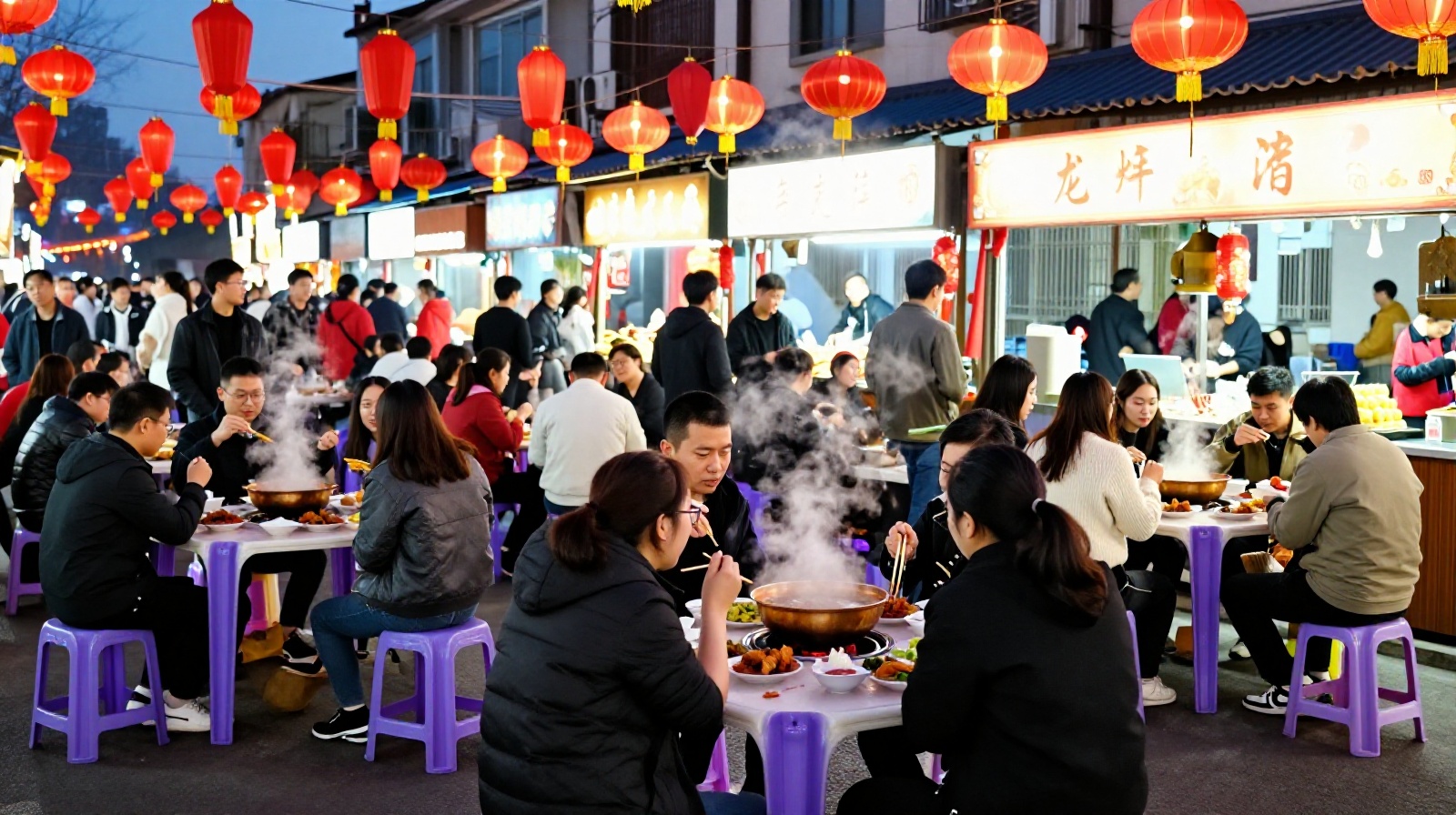
If you ask a foreign visitor what a Chinese city looks like at night, they might picture neon-lit skyscrapers or exclusive rooftop bars. But walk a few blocks away from the financial district, and the scene changes completely. The real heartbeat of urban China doesn’t beat in air-conditioned clubs; it pulses at plastic tables on the sidewalk.
Here, the air is thick with the smell of cumin-grilled lamb and sizzling oil. This is the new nightlife map: grounded, noisy, and deeply social. It’s where young professionals leave their offices to join friends, where families gather after dinner, and where the day’s stress dissolves into steam rising from a pot of boiling broth.
Unlike the Western concept of “going out” which often implies dressing up and spending heavily on drinks, Chinese street nightlife is about accessibility. It’s democratic. You can sit down with twenty dollars and have a feast that feels like a celebration. This shift reflects a broader cultural move away from performative luxury toward genuine connection and flavor.
Flavor as Social Glue
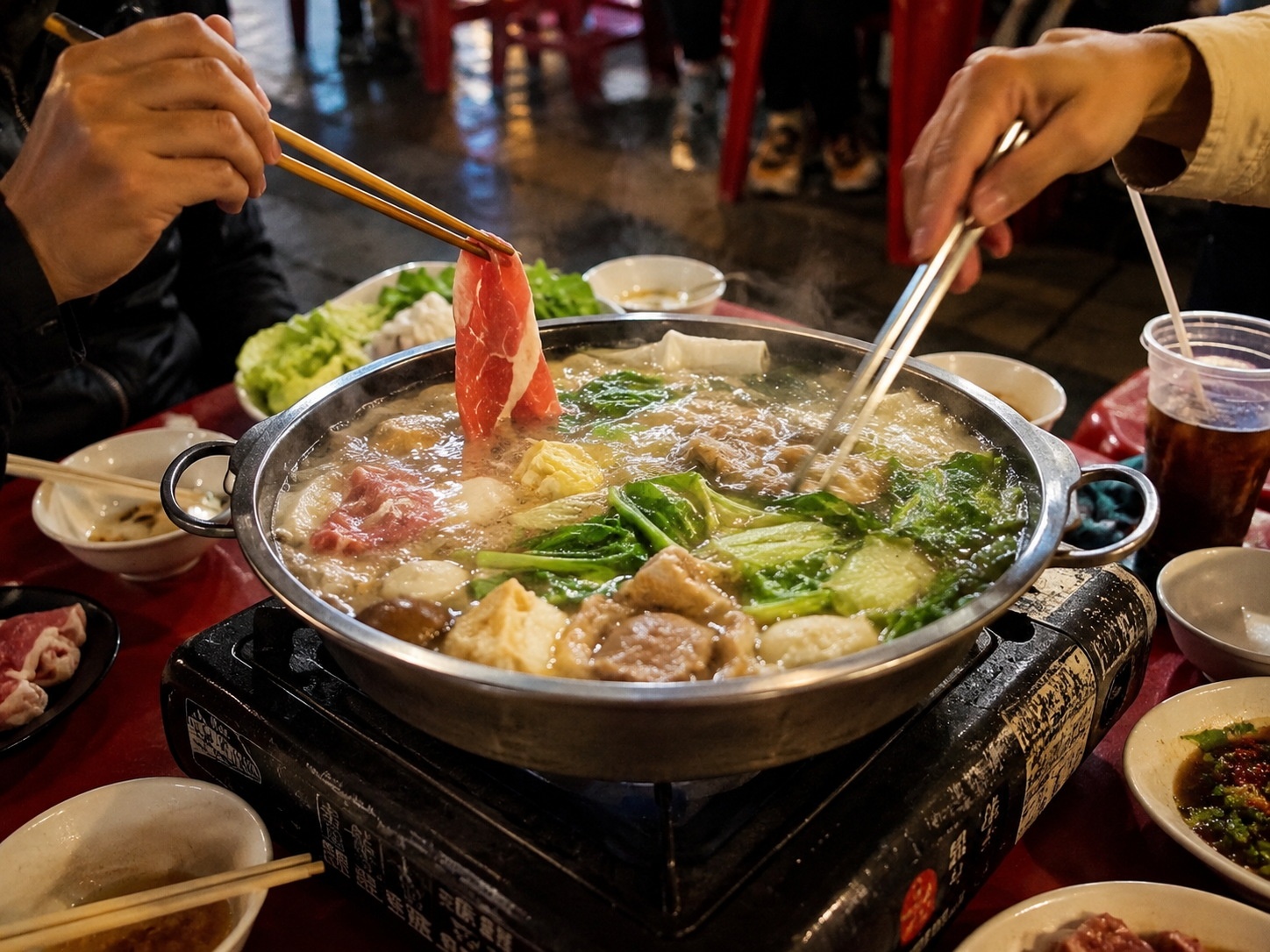
The stars of this evening theater are not DJs, but chefs. Take Guizhou sour soup hotpot, for instance. Once a regional specialty known only to locals, it has exploded onto menus across the country. The broth, made from fermented tomatoes and wild peppers, offers a tangy, spicy kick that has captivated young diners tired of traditional heavy flavors.
But it’s more than just taste. Eating hotpot is inherently communal. You don’t eat alone; you cook together. The pot sits in the center of the table, and everyone participates in adding ingredients—thinly sliced beef, tripe, vegetables. It forces conversation. In a fast-paced society where digital communication often replaces face-to-face interaction, this shared meal becomes a rare space for real connection.
Regional BBQ styles are also evolving. From the skewer-heavy streets of Xinjiang to the seafood grills of Qingdao, each city is putting its local stamp on the night. These aren’t just food stalls; they are cultural hubs where regional identities are celebrated and shared.
The ‘Stall Economy’ Resurgence
How did these street corners become so vibrant? It’s partly due to a change in city management. Over the past few years, many Chinese cities have relaxed restrictions on street vendors, recognizing them as essential to urban vitality. Instead of chasing them away, local governments now designate specific zones for night markets.
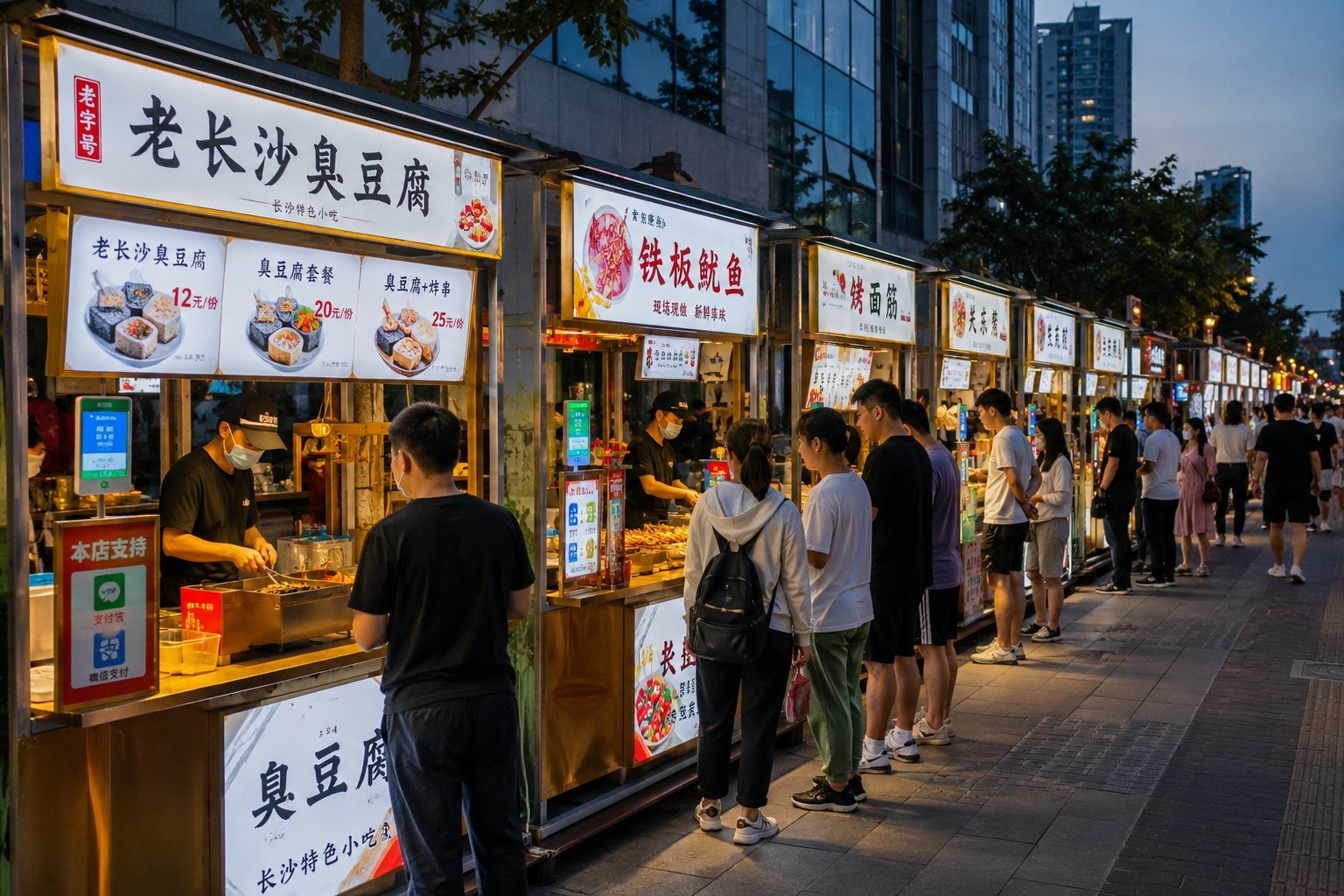
This policy shift has turned chaotic street vending into a regulated, safe, and sanitary experience. You’ll find organized rows of stalls, each with clear hygiene standards and digital payment options. It’s a blend of informal charm and formal order. For the average citizen, this means convenience and safety. For the entrepreneur, it means a low-barrier entry into business.
This “stall economy” is not just about nostalgia; it’s a practical response to economic realities. It allows small businesses to thrive without the crushing overhead of a brick-and-mortar restaurant. The result is a diverse culinary landscape where innovation happens quickly. A new flavor combination can appear on one street and be replicated in another within weeks.
Economic Pulse from the Ground Up
Behind these sizzling grills is a story of resilience. Many of the owners are young entrepreneurs or families looking to make ends meet. For them, the night market is a lifeline. In an era where traditional retail faces challenges, these small-scale operations show remarkable adaptability.
Consumers, too, are driving this trend. With disposable income still growing but spending habits becoming more rational, people are prioritizing experiences over status symbols. A bowl of authentic sour soup hotpot offers better value and emotional satisfaction than a overpriced cocktail. This “rational consumption” is reshaping the urban economy from the bottom up.

Data supports this shift. Nighttime consumption in China has grown steadily, with street food and casual dining accounting for a significant portion of evening spending. It’s not just about feeding the body; it’s about sustaining the local economy and community bonds.
A Taste of Authentic China
For foreigners trying to understand modern China, these street corners offer a clearer window than any news report. They show a society that is dynamic, resilient, and deeply social. The noise, the smell, and the warmth are not signs of disorder, but of life.
So, the next time you visit a Chinese city, skip the hotel bar. Find the alley where the smoke rises. Order a pot of sour soup, grab some skewers, and join the locals. You’ll find that the true spirit of China’s urban night isn’t found in luxury, but in the shared joy of a good meal.