
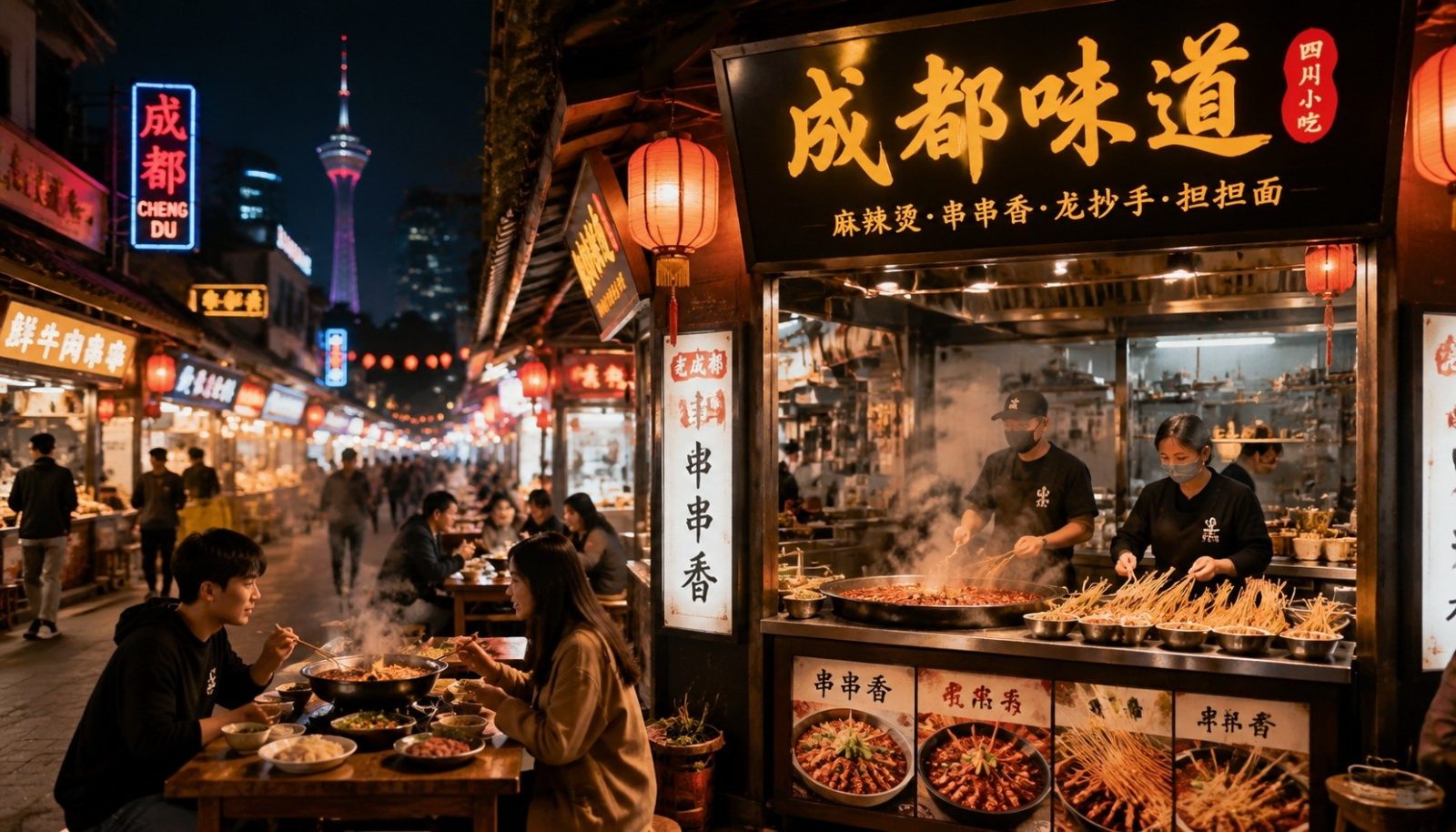

A Saturday Evening in Chengdu
At 7 p.m. on a Saturday in Chengdu, the narrow alleyways near Kuanzhai Xiangzi are thick with the aroma of Sichuan peppercorns and chili oil. Families crowd around hotpot tables, friends share plates of mapo tofu and twice-cooked pork, and street vendors fry up skewers of spicy rabbit meat. No one here is thinking about pizza or burgers. In a city of 20 million, Western fast‑food chains exist, but they are often the least crowded options.
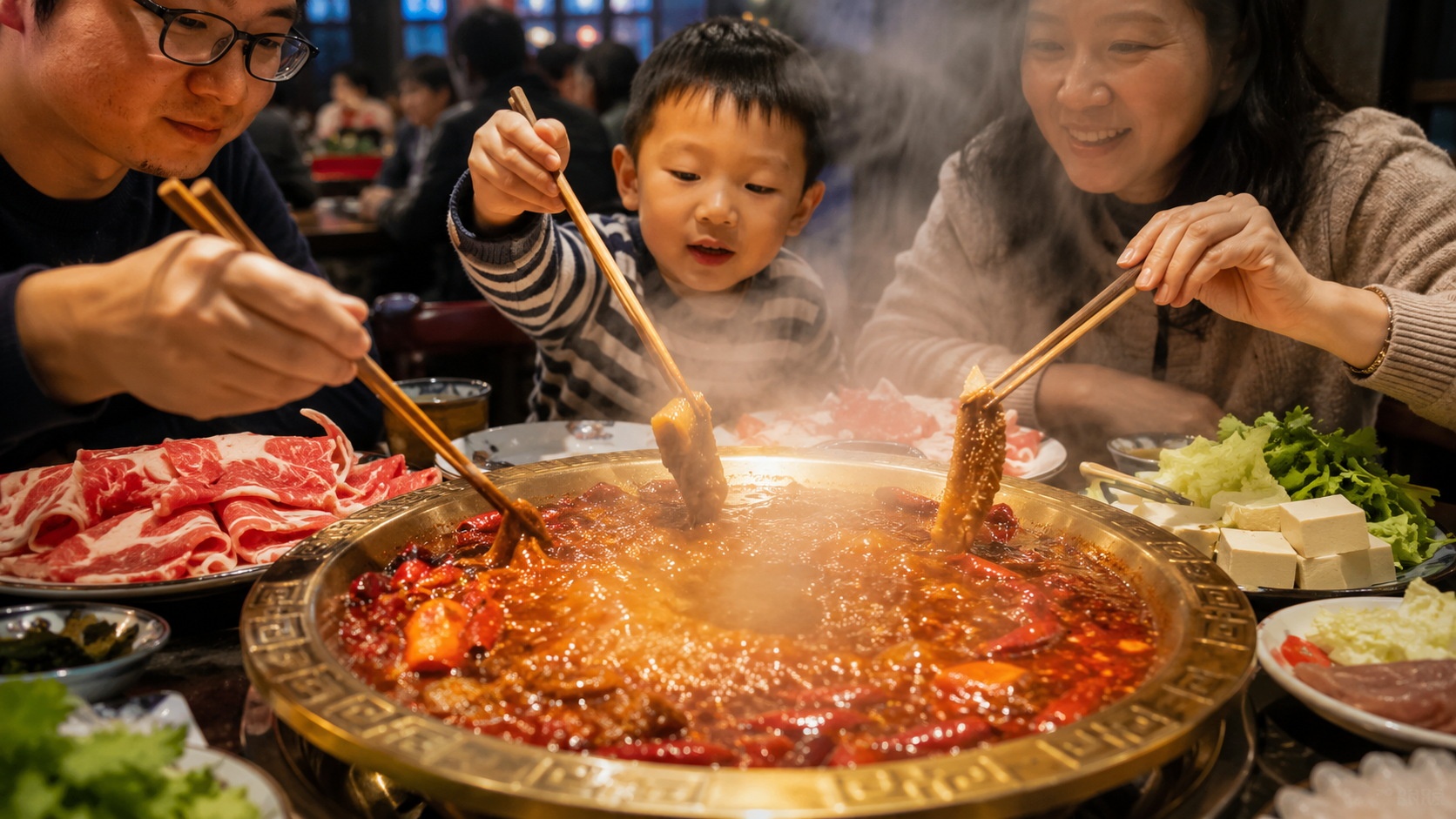
This scene is not unique to Chengdu. Across China, from the night markets of Xi’an to the morning tea houses of Guangzhou, the sheer density and pride in local food act as a powerful counterweight to globalized tastes. While many countries have seen local cuisines retreat in the face of American fast food, China’s food culture has not only held its ground—it has expanded.
The Numbers Behind the Immune Wall
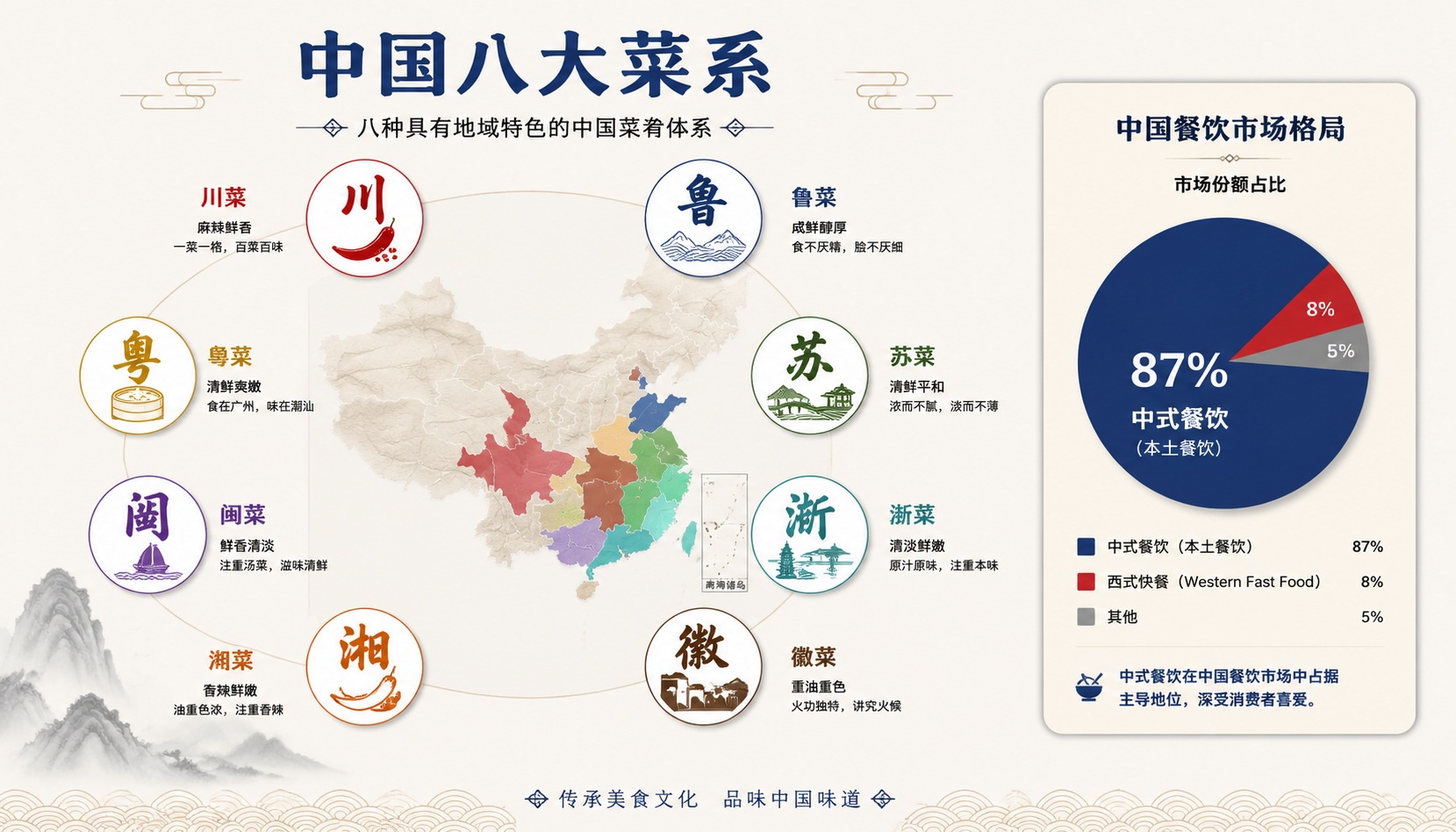
How large is China’s cuisine diversity? Officially, there are eight great culinary traditions (Lu, Chuan, Yue, Su, Min, Xiang, Zhe, and Hui), but provincial and local classifications push the recognized count to over 30 regional cuisines. A 2023 survey by the China Cuisine Association found that domestic restaurants account for 87% of the dining market by revenue, with Western fast food making up only 8%. In tier‑1 cities like Shanghai and Beijing, the ratio of Chinese‑style eateries to Western ones is roughly 6:1. Even KFC, which operates more than 10,000 outlets in China, has adapted its menu to include rice porridge, egg tarts, and fish ball soup—a clear sign of who is influencing whom.
More Than Food: A Social and Sensory Shield
Westernization in food isn’t just about replacing ingredients; it’s about replacing a way of eating. In China, meals are shared, not individualized. A hotpot table is a social event—a slow, communal ritual of cooking, dipping, and chatting that can last two hours. This fundamentally differs from the grab‑and‑go culture of a burger joint. The sensory experience is also deeply localized: from the numbing spiciness of Sichuan cuisine to the delicate sweetness of Cantonese dim sum, each region offers a flavor profile that cannot be replicated by a global chain.
“My grandmother taught me to make dumplings when I was eight,” says Li Wei, a 32‑year‑old software engineer in Beijing. “Every Spring Festival, we spend hours together wrapping jiaozi. That’s not something a pizza can replace.” For hundreds of millions of Chinese, food is tied to memory, family, and identity. This emotional bond is a formidable defense against dietary homogenization.
The Infrastructure of Culinary Variety
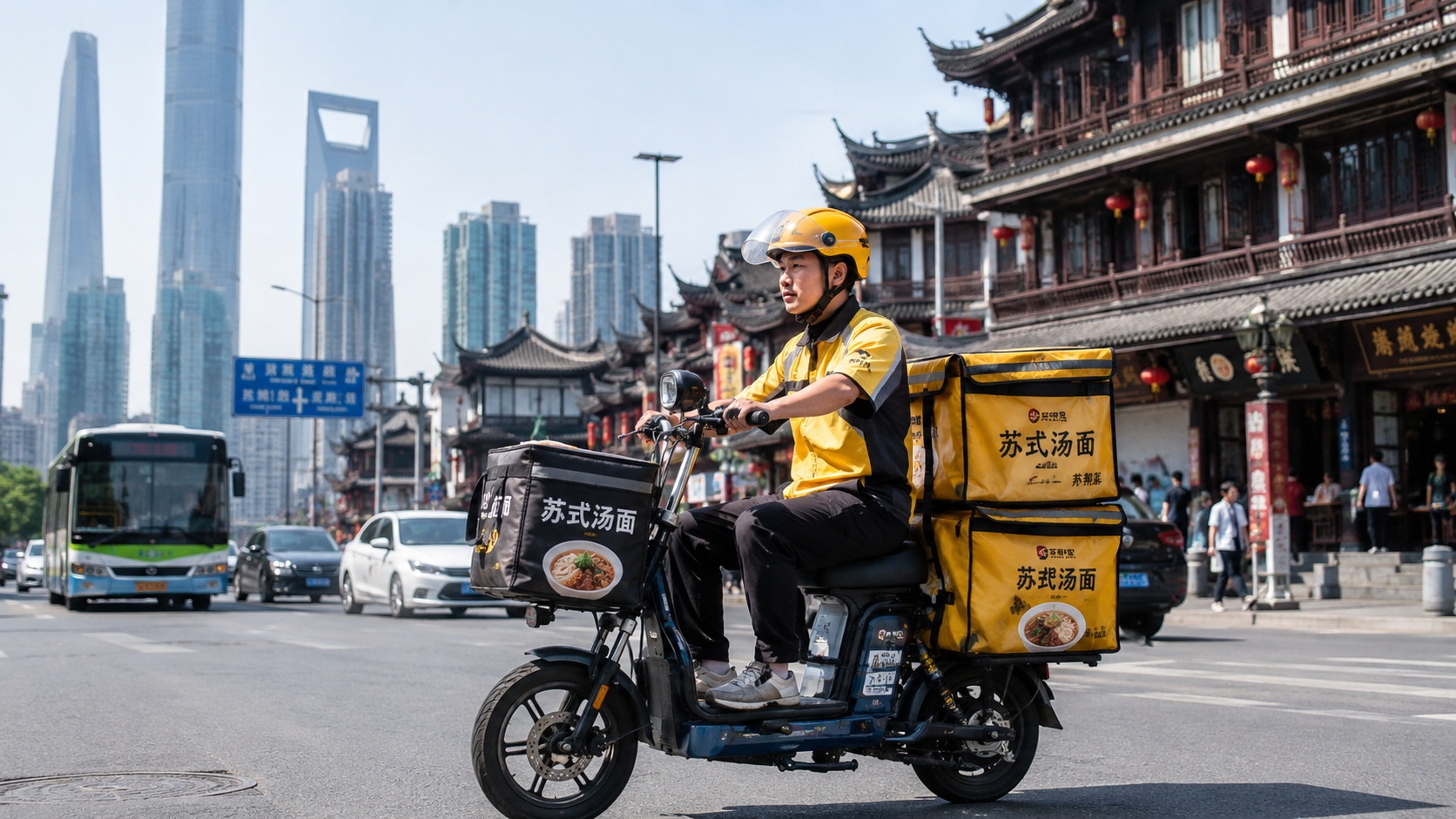
China’s food diversity is supported by an extraordinary logistics network. The country’s high‑speed rail and refrigerated truck fleets ensure that fresh ingredients—from Yunnan mushrooms to Hainan coconuts—can travel thousands of kilometers overnight. In any mid‑sized city, you can eat authentic Lanzhou pulled noodles in the morning and Chongqing spicy chicken in the evening. Moreover, the rise of food‑delivery platforms like Meituan and Ele.me has made regional cuisines accessible to anyone with a smartphone. In 2024, Meituan reported that customers in Beijing ordered from an average of 14 different regional cuisines per month.
Why This Matters Beyond Food
The resilience of China’s culinary landscape reflects a broader cultural confidence. It is not a defensive nationalism that rejects foreign influences, but a deep‑seated attachment to what is familiar, local, and flavorful. As the world becomes more interconnected, China’s example shows that diversity itself—thousands of distinct dishes, each with its own origin story—can create a natural immunity to cultural flattening. For a traveler or an analyst observing China today, understanding this dietary confidence offers a window into how the country absorbs global trends without losing its core identity.
The next time you see a Chinese family pulling out a steaming hotpot in a park, or a street vendor expertly pulling noodles in a bustling market, you are not just watching a meal. You are watching an immune system at work.
Start the discussion at forum.chinacomes.com