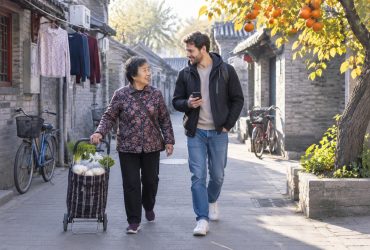
For two decades, buying a home in China was an obligation. Today, rising prices and economic shifts have changed the narrative. From Li Wei's apartment hunt to shifting youth habits, we explore how ordinary Chinese families are redefining the 'home-buying dream' in a cooling market.
Forget the hype about AI or space race. The real engine of China's modern economy is its supply chain—a dense, efficient network that turns raw materials into finished products faster and cheaper than anywhere else. Here is how this invisible infrastructure shapes daily life for ordinary Chinese people.
To the outside world, red in China feels like a loud holiday signal. But for ordinary people, it is a quiet language of history, protection, and hope that colors everything from wedding dresses to smartphone apps.
A streetlight flickers out on a rainy Tuesday. A single phone call triggers a digital chain reaction that sends a repair crew to the scene within minutes and fixes it in under two hours. This is not an anomaly; it's the daily rhythm of China's urban governance.
Forget the idea that only university graduates succeed in China. Meet Li Wei, a 21-year-old robotics technician earning more than his academic peers. This is how vocational education is rewriting the definition of success for millions.
Why do new mothers in China lock themselves indoors for a month? From avoiding cold showers to hiring professional 'confinement nannies,' explore how this ancient ritual shapes modern family life, women's health, and intergenerational relationships.
Despite living abroad for decades, many Chinese people feel a pull toward their hometowns. This isn't just nostalgia; it's a deep cultural code about identity, family, and belonging that defies simple geography.
Forget TikTok. For China's Gen Z, Xiaohongshu is the new search engine for life. From finding the perfect matcha latte to planning a solo trip, discover how this app shapes what young Chinese people buy, wear, and believe.
Step into the rush hour subway of Beijing or Shanghai, and you'll find a strange silence. No loud conversations, no music blasting. Inside crowded trains filled with tired commuters, people wear headphones, stare at phones, or close their eyes. This isn't just discipline; it's a blend of modern rules and deep-rooted cultural values about not disturbing others.
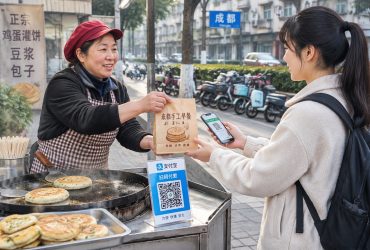
Can you live like a local in Beijing or Shanghai for just $10? I tried spending exactly 24 hours with this budget, navigating breakfast street stalls, subway rides, and park afternoons. The result challenges the myth that travel in China is expensive and reveals the surprising affordability of daily life here.