
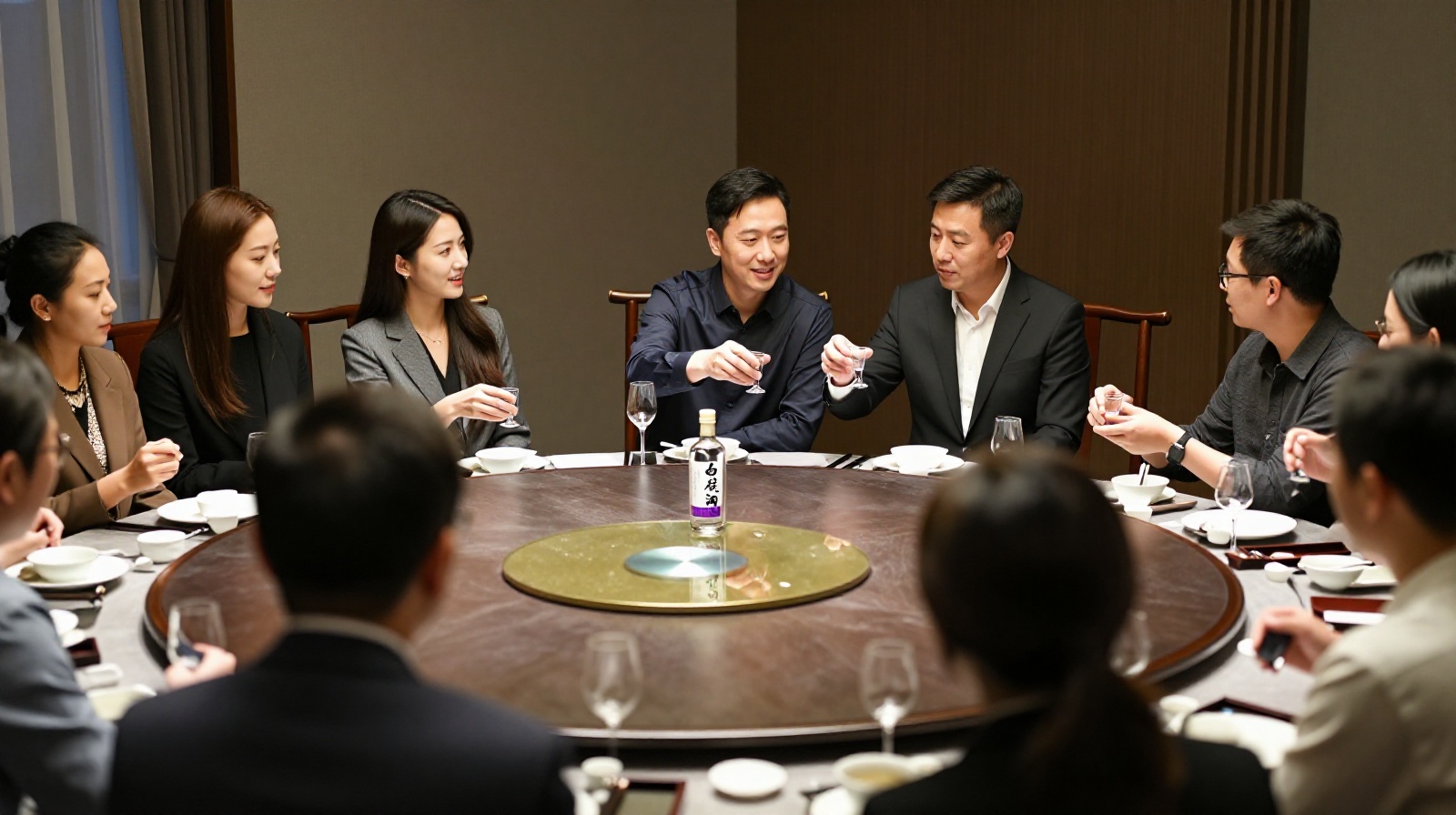

The air in the private dining room is thick with the scent of star anise and roasted duck. A round table, large enough to seat twelve, dominates the space. At its center sits a bottle of transparent liquid—Baijiu, China’s potent spirit. Your host, a man named Lao Chen, stands up. He raises his glass, which is filled with no more than half an inch of liquor, and looks directly at you. “Ganbei,” he says, smiling warmly but with eyes that hold a challenge.
If you are an expat or a foreign business partner, this moment can feel like standing on the edge of a cliff. In many Western cultures, drinking is social lubricant; in Chinese business culture, especially when Baijiu is involved, it is a test of trust, respect, and hierarchy. Surviving—and thriving—in these settings requires understanding the unspoken language of the table.
The Theater of the Round Table
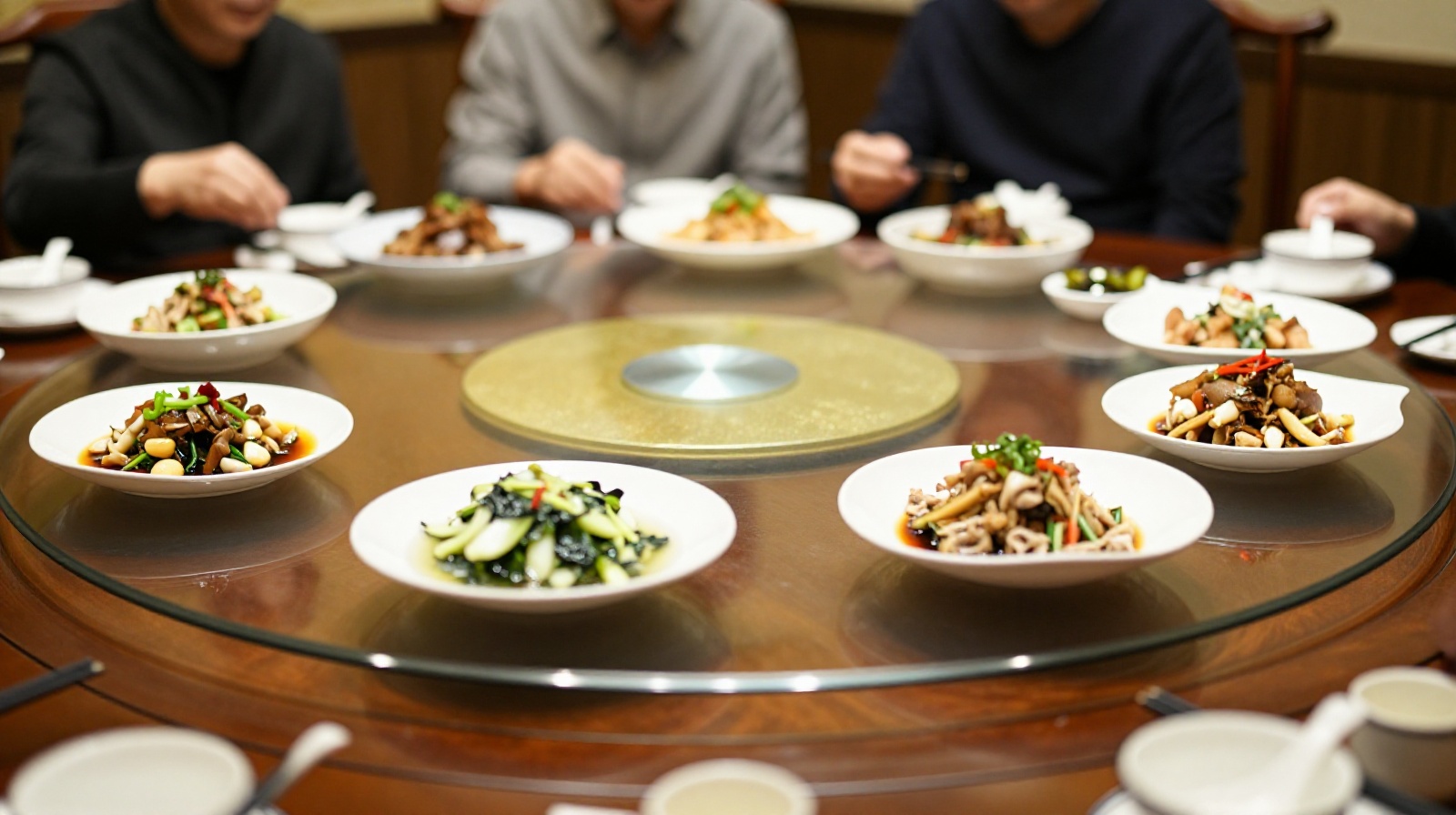
Before you even touch your glass, observe the seating arrangement. In Chinese banquet culture, position is power. The seat facing the door is the host’s or the guest of honor’s spot. You are likely seated to the left or right of them. Notice how the dishes are served: communal plates placed in the center, meant for sharing. This reinforces the collective nature of the meal.
The first round is almost always led by the host. They will make a brief speech, toast the entire table, and drink. Here is the first rule: do not drink alone. Even if you are not drinking alcohol, you must raise your glass (or tea cup) in sync with everyone else. To drink before the host invites it is rude; to drink after everyone else has finished without raising your own glass is dismissive.
Decoding the Body Language: The Angle Matters
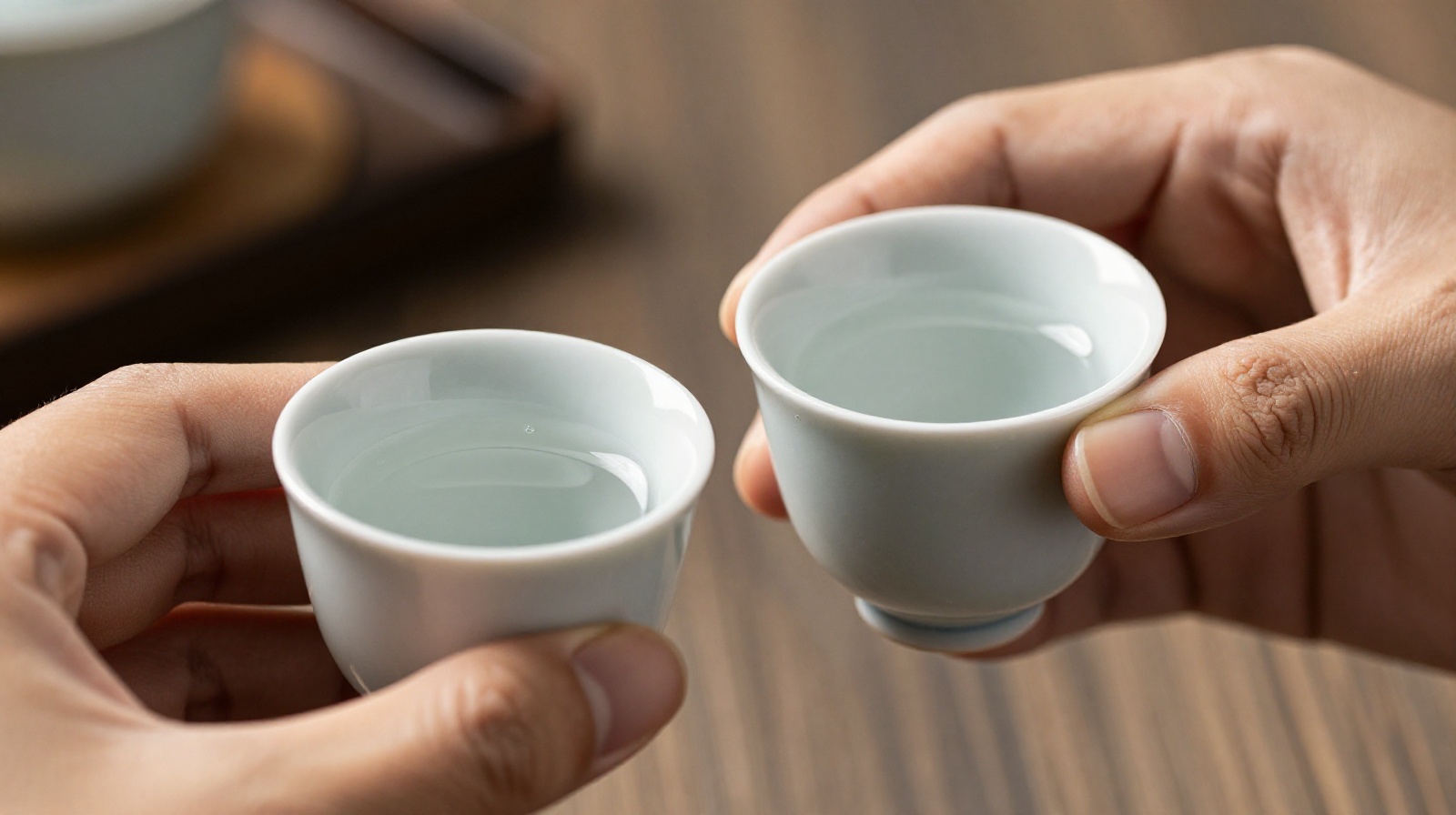
The most critical technical skill in a Baijiu dinner is how you hold your glass. When a superior or a client toasts you, you must lower your glass rim below theirs. This is not just politeness; it is a physical declaration of respect.
If your boss’s glass is at chest level, yours should be near the table surface. If they are young and humble, they might try to keep their glass low to show deference to you. In that case, you can meet them halfway, but never let your rim go higher than theirs during a one-on-one toast. The sound of the glasses clinking is secondary; the angle is primary.
Understanding the Code: “Ganbei” and “Yi Kou Men”

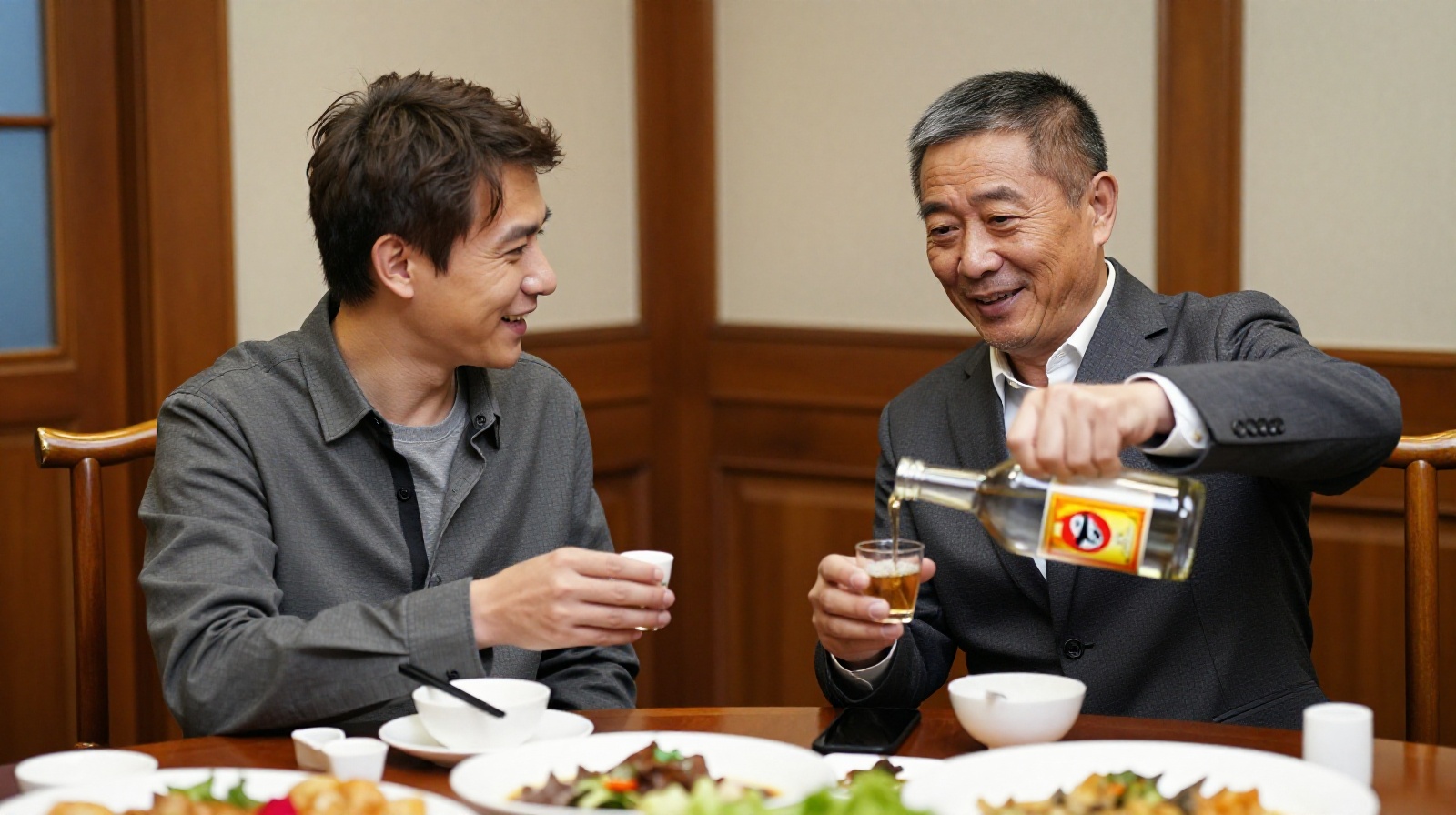
The phrase “Ganbei” (bottoms up) is ubiquitous, but its intensity varies. When Lao Chen says it, he might mean “drink this half-inch.” But if a senior partner leans in and says, “If you have feelings for us, finish the cup” (感情深,一口闷), the subtext is clear: finishing the entire shot is expected.
Baijiu is strong—often 50% alcohol by volume or higher. A standard small glass holds about 30-50ml. Finishing one might be manageable; finishing three in an hour is a metabolic crisis. However, refusing a toast from a senior figure can cause them to “lose face” (mianzi), which can damage business relationships.
The Survival Guide: How to Refuse Without Offending
What if you cannot drink? Alcohol intolerance is real, and in China, health reasons are widely respected. You do not need to lie about being on antibiotics (a common Western excuse that doesn’t always translate well).
Instead, use the “Three-Toast Rule.” When the host proposes a toast to the group, you may drink water or tea. But when a specific individual toasts you, you must stand up. Fill your glass with water or tea instead of Baijiu. Raise it high, smile sincerely, and say, “I respect you deeply, but my doctor has forbidden alcohol. I will finish this cup of tea to show my sincerity.” Then, drink the entire cup of tea.
This ritual acknowledges their gesture while maintaining your boundary. The act of finishing the non-alcoholic drink is what counts—it shows you are not holding back emotionally, even if you are abstaining physically.
Reading the Room: When to Stop
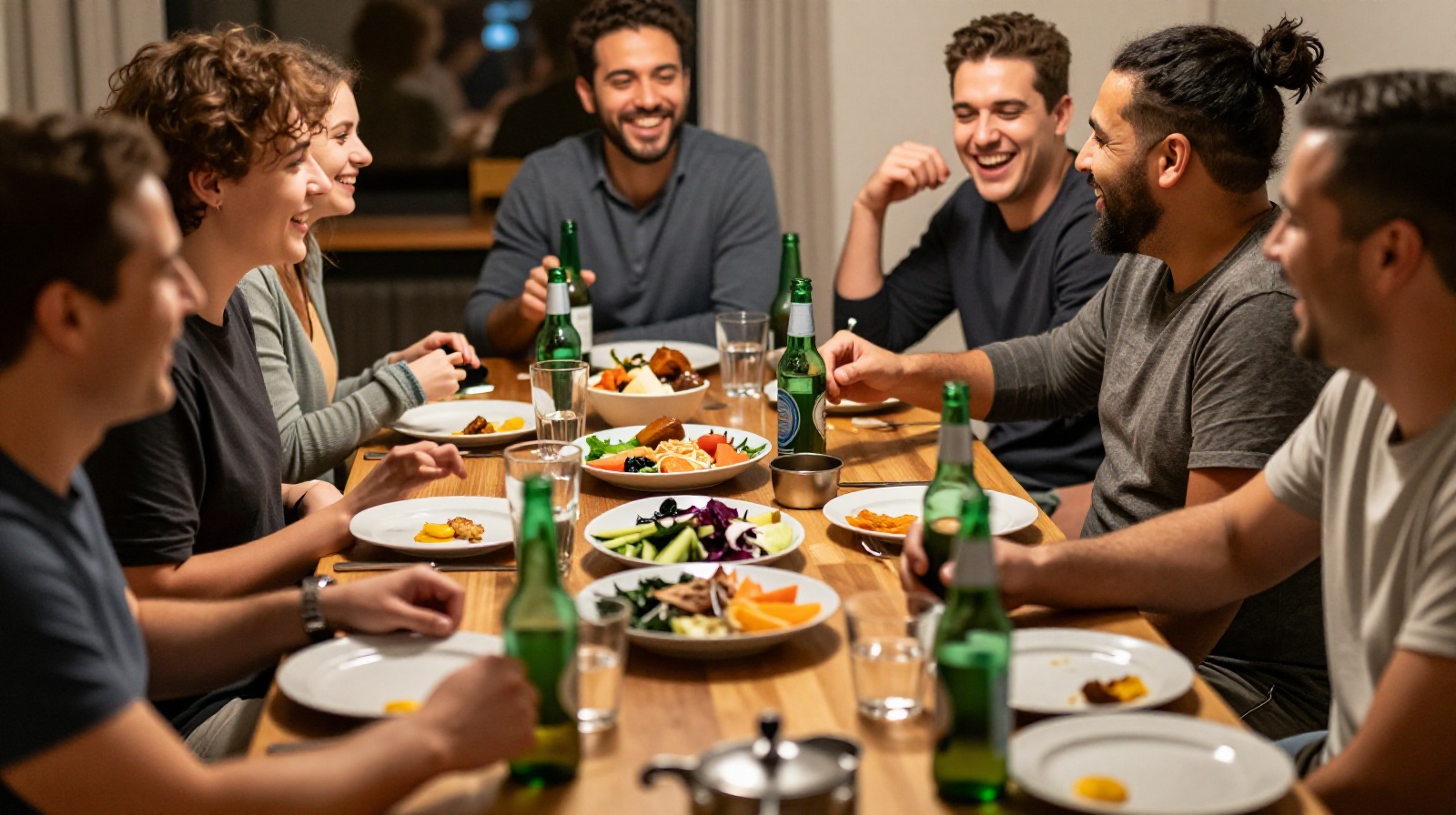
The goal of a Chinese business dinner is rarely just to get drunk. It is to build guanxi (relationships). Once the initial formalities are over and the conversation becomes looser, the pressure usually decreases. You will notice people switching to beer or water as the night progresses.
If you are drinking, pace yourself. The meal can last two to three hours. Keep your glass topped up with warm tea or water when not drinking alcohol—it keeps the table lively without dehydrating you. Remember, the person who pours for others is often seen as attentive and humble. Watch out for empty glasses; if someone’s glass is low, offer to refill it.
My First Time: From Panic to Participation
In my first year in Shanghai, I was invited to dinner with a potential supplier. I had read the etiquette guides, but nothing prepared me for the actual volume of Baijiu being poured. The host toasted everyone three times in rapid succession. My stomach churned. I looked at my colleague, who winked and subtly signaled me to just sip.
When it was my turn to toast the supplier’s director, I remembered the rule: lower glass. I stood up, bowed slightly, and said, “To our partnership.” The director clinked his glass with mine—his rim clearly above mine—and drained his shot. He then poured me another. I knew then that while I didn’t need to be a tank, I had shown enough respect to earn their trust. That night, we didn’t just sign a contract; we started a relationship.
Chinese dinner culture is complex, but it is also deeply human. It is about connection. If you approach the table with humility, observe carefully, and participate in the ritual—even if only with tea—you will find that the “dark language” of the baijiu table is actually an open invitation to belong.