
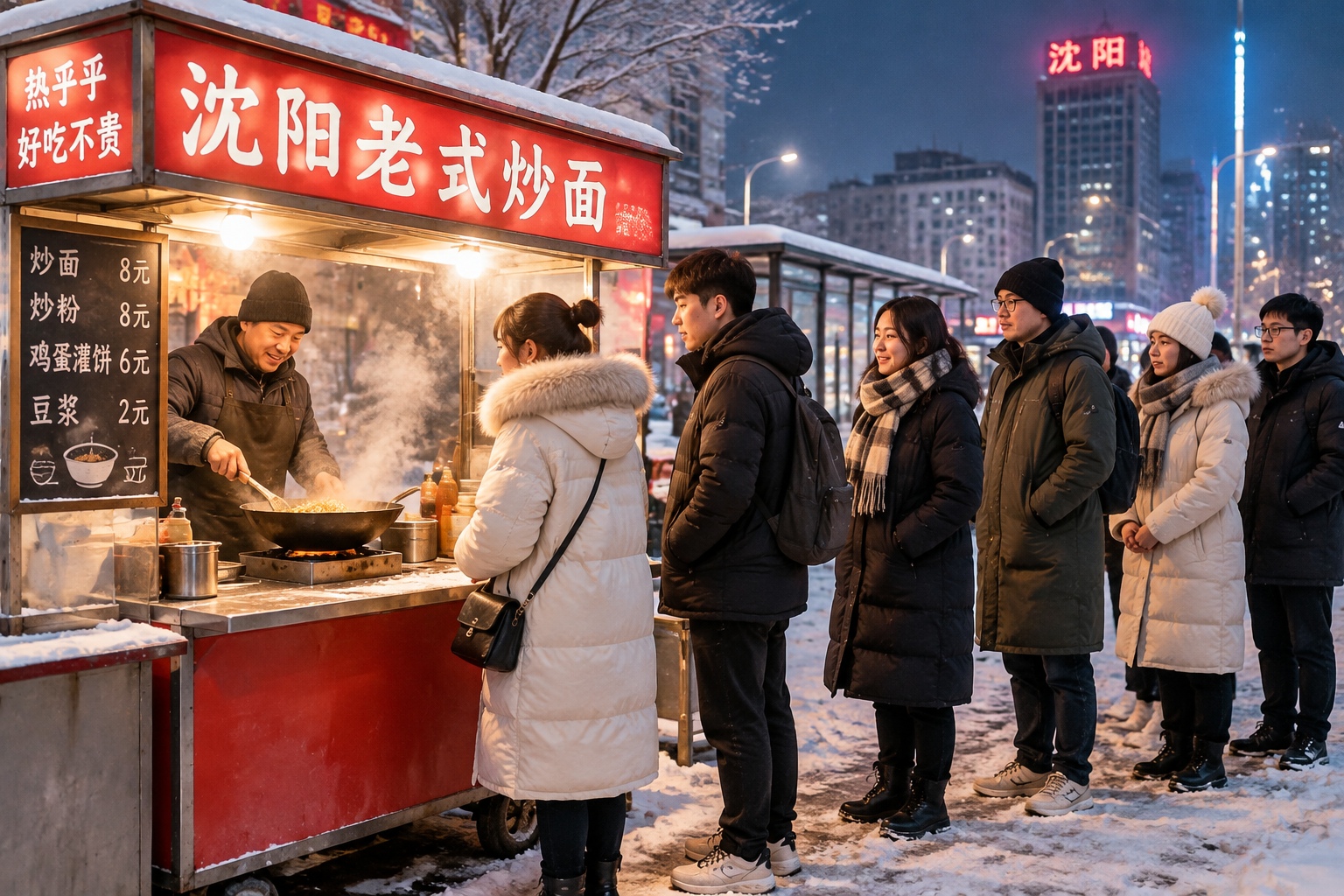

The Midnight Queue That Defies Logic
It is 11:30 PM in Shenyang. The wind bites hard, cutting through winter coats like a knife. Yet, outside a tiny, unmarked stall on a quiet corner, a line of thirty people waits patiently. They are bundled in heavy parkas, scarves wrapped tight, eyes fixed on the steaming wok inside.
They aren’t waiting for Kobe beef or high-end sushi. They are here for jia—the chicken frame. It’s the skeleton of a chicken after the breasts and thighs have been sold. To an outsider, it looks like trash. To locals, it is liquid gold.
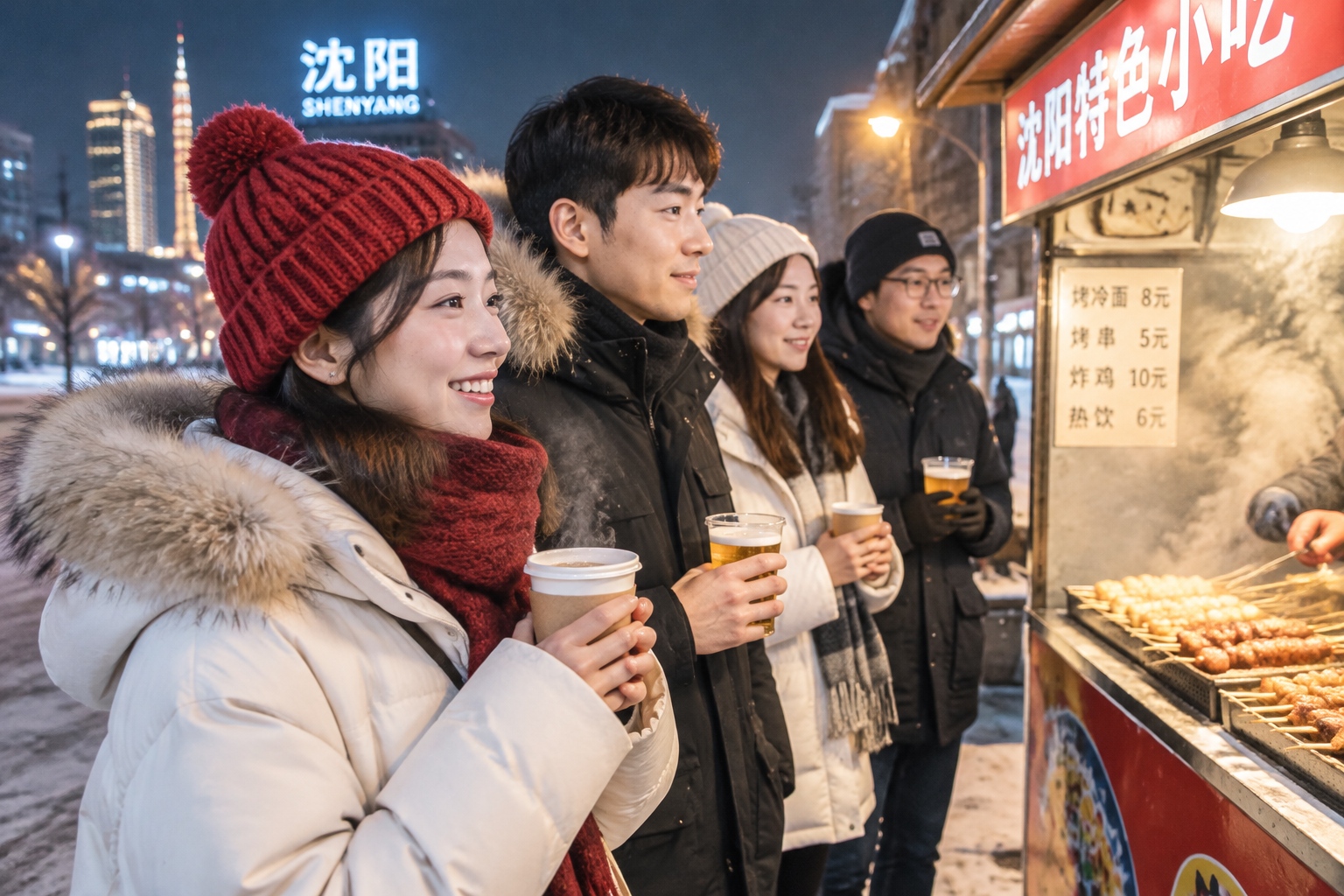
The scene feels absurd until you realize this is where the real pulse of Northeast China beats. This isn’t just dinner; it’s a nightly ritual that has turned discarded scraps into a cultural phenomenon. For these people, the two-hour wait is the price of admission to a secret club.
From Factory Rust to Flavor Gold
To understand why chicken frames are treated like caviar in Liaoning, you have to look at history. The Northeast China region was once the country’s industrial heartland, filled with massive steel mills and factories. When those industries declined in the late 1990s and early 2000s, millions of workers found themselves unemployed.
Life got hard. Money was tight. But the habit of eating chicken remained. People started buying cheap chickens at the market, cooking only the good parts for the family dinner, and then realizing they couldn’t just throw away the bones. They were too flavorful to waste.
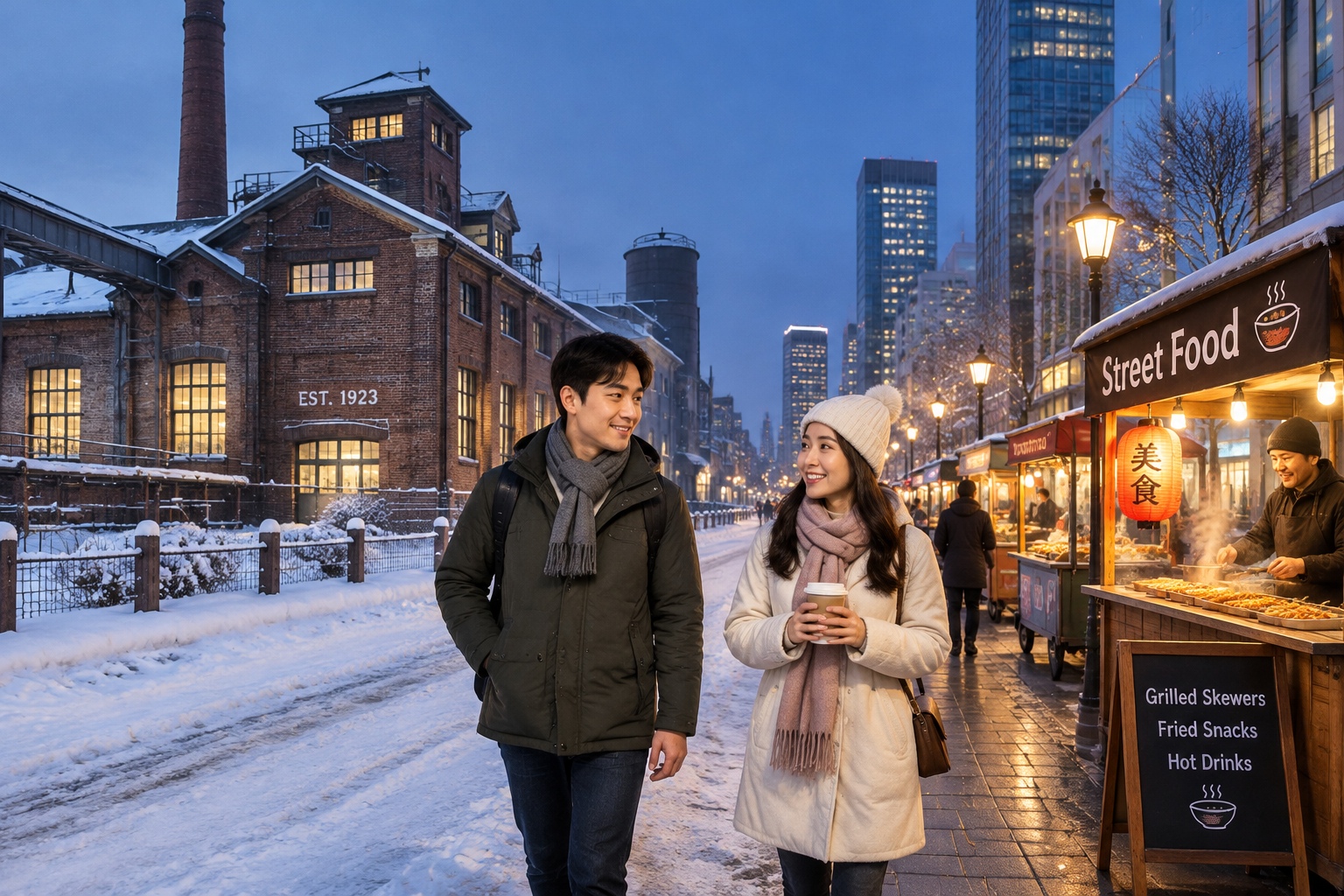
A simple idea took root: why not cook the leftovers? The result was a culinary alchemy that turned economic necessity into art. By smoking, frying, or braising these frames with chili and cumin, vendors created a dish that was cheap enough for anyone but complex enough to satisfy any palate.
The Art of the Smoke and Spice
So, what exactly goes into a perfect chicken frame? It starts with the smoke. The best stalls use wood chips—often apple or cherry wood mixed with pine—to give the bones a distinct, smoky aroma that lingers for days.
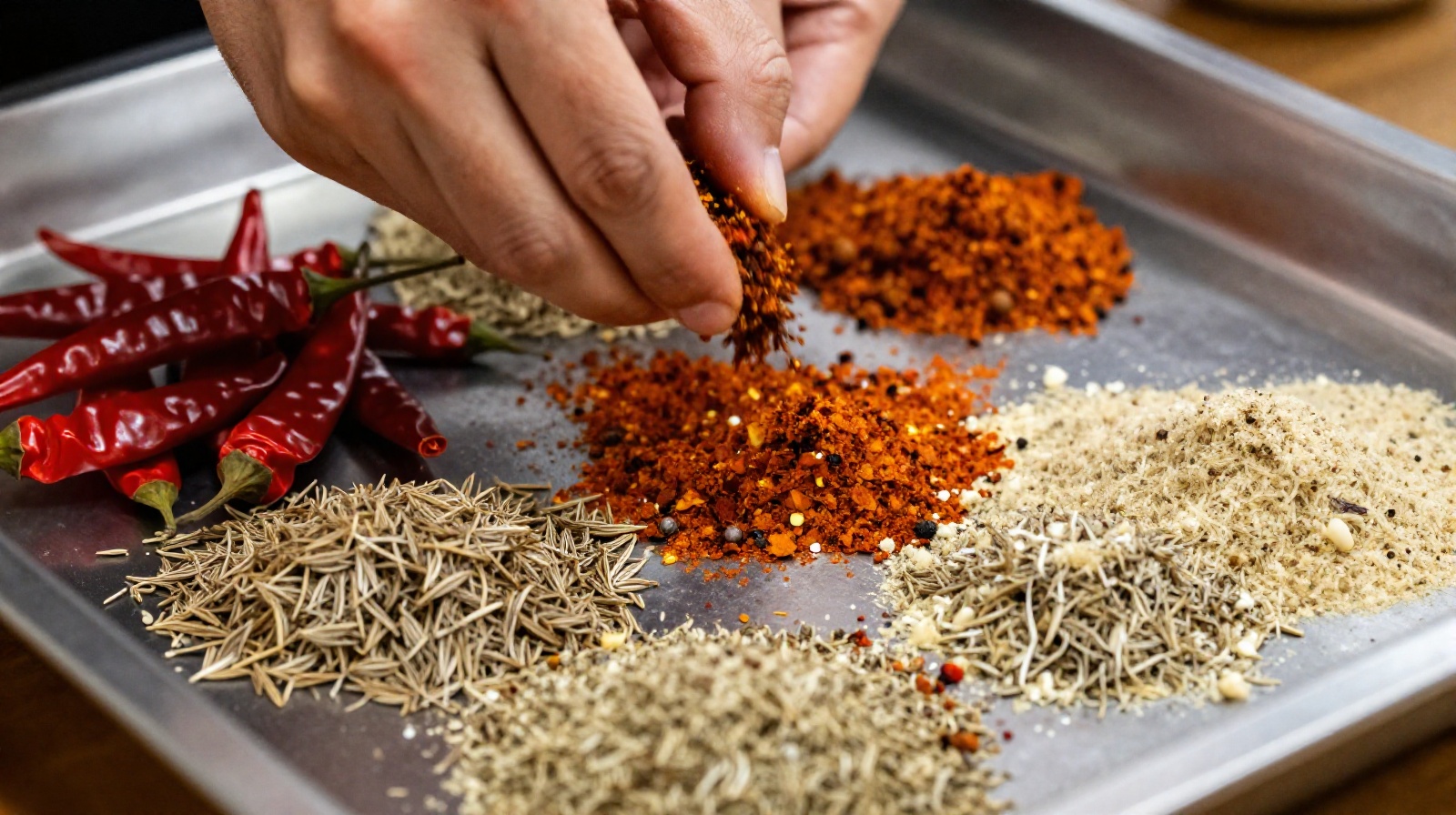
Next comes the spice rub. This is where the magic happens. A mix of Sichuan peppercorns, dried chilies, cumin seeds, and garlic powder creates a crust that cracks open to reveal tender meat clinging to the bone. The texture is key: you aren’t just eating; you are using your teeth to pull every last bit of flavor from the cartilage.
This small-batch street cooking style emphasizes freshness and speed. A line of customers means fresh food, not reheated leftovers from a frozen warehouse. It’s the opposite of the fast-food model that dominates global cities.
A Social Glue in a Changing World
Food is often a way to connect strangers. In Liaoning, chicken frames are the ultimate social lubricant. You see office workers sitting on plastic stools next to retired factory bosses, all sharing the same skewer of bones and drinking beer.
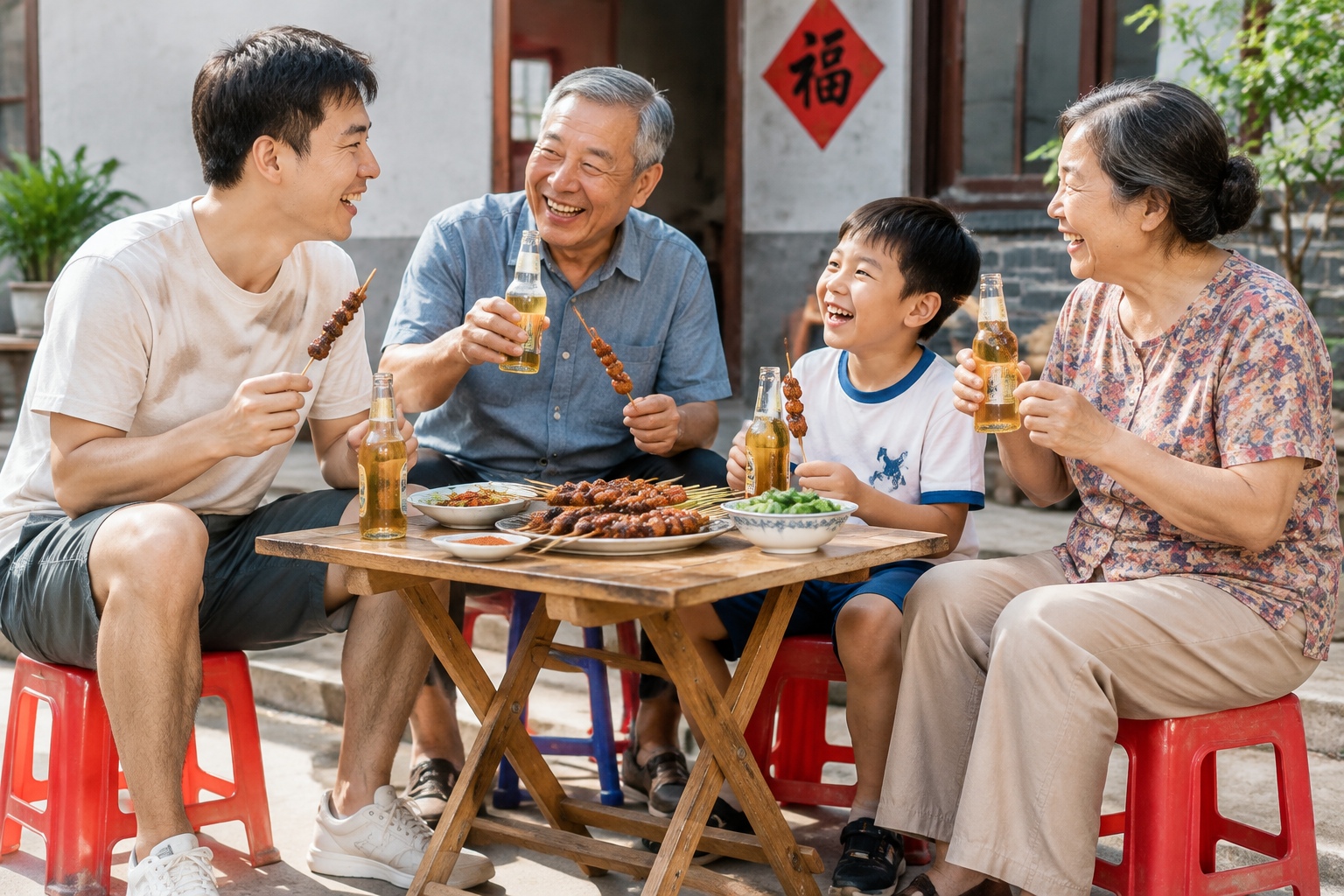
The experience is deeply communal. There is no pretense in a stall named ‘Old Wang’s Chicken Frame.’ Everyone speaks the local dialect, laughing as they pick at the meat. It bridges generations; grandparents teach grandchildren how to crack the bones just right, passing down not just a recipe, but a story of resilience.
For young people in China today, eating chicken frames is also a way to reject the uniformity of globalized food culture. It’s a badge of local identity. Choosing this meal over a trendy cafe latte says, ‘I know where I come from, and I’m proud of it.’
A Microcosm of Modern China
The story of the chicken frame is a metaphor for modern China itself. The country has moved past the era of pure survival. It is no longer just about filling bellies; it’s about finding joy in the details, turning the ordinary into the extraordinary.
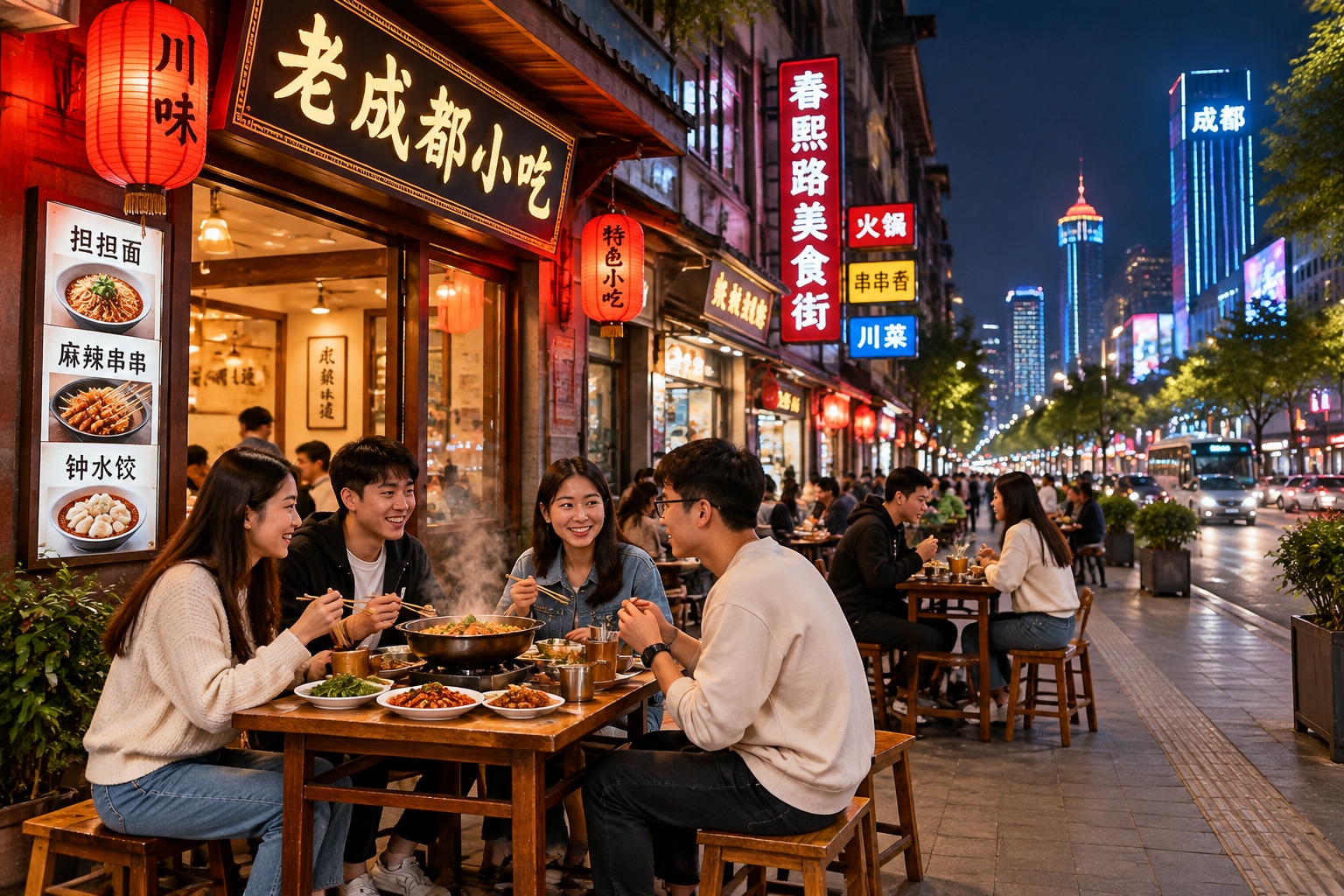
Just as the Northeast region has had to reinvent itself after its industrial peak, these chicken frames represent a spirit that refuses to give up. They show how local culture can thrive even when global trends try to wash it away. The two-hour queue isn’t a sign of desperation; it’s a celebration of a community that found beauty in the leftovers.
So, if you ever find yourself in Shenyang late at night, and you see a long line wrapping around the block, don’t ask what they are waiting for. Just join them. You might just discover that the best food doesn’t come from the most expensive ingredients, but from the people who know how to make the most of nothing.
Start the discussion at forum.chinacomes.com