How China’s cold chain logistics have turned seasonal coastal delicacies into everyday staples for inland families, blending ancient preservation methods with modern speed.

Once a luxury reserved for imperial banquets, Fo Tiao Qiang is now appearing in neighborhood eateries across China. This shift reveals how supply chain innovation and changing social values are democratizing traditional Chinese cuisine.

From bustling streets in Shanghai to quiet suburbs in London and New York, a new Chinese street food is winning over Western audiences. Malatang, or "spicy hot pot," offers a customizable, healthy, and affordable alternative to traditional takeout. At around $15, it bridges the gap between fast food and gourmet dining, reflecting China's modernized supply chain and digital integration.

How did Chinese spicy hot pot chains transform from street stalls in Harbin to global franchises? This article explores the business logic, cultural adaptation, and the surprising success of Yang Guofu and Zhang Liang in Western markets.

From Chengdu street stalls to high-tech chains in London and Tokyo, Malatang has evolved from humble street food into a global symbol of China’s supply chain efficiency and modern lifestyle. Discover how this spicy, customizable bowl reflects the daily lives of young Chinese people.

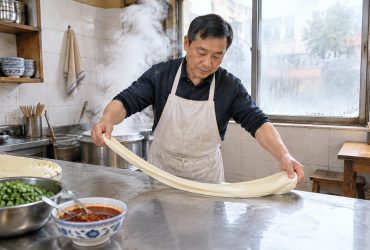
Across Chinese cities, young professionals are ditching delivery shortcuts and pre-made meals for time-honored dishes that demand patience, real fire control, and weekend hours. It is a quiet shift from industrial convenience to deliberate, hands-on cooking.

From barn owls to alpacas, Chinese megacities are seeing a surge in exotic pet lounges. We explore how these spaces fill urban emotional gaps, navigate strict wildlife regulations, and reflect Gen Z’s shift toward experience-based social consumption.

In cities that never sleep, a quiet revolution is happening on the ground floor. Step inside a 24-hour bookstore, and you’ll find more than shelves of books—you’ll discover a new kind of public living room shaping modern urban life.

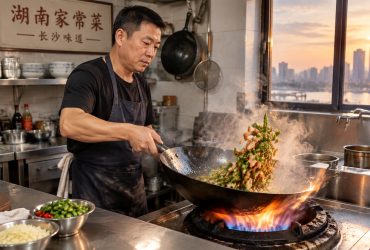
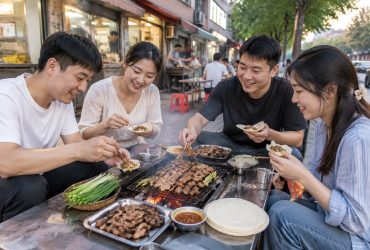
Forget Michelin stars and curated food tours. In China’s neighborhoods, the real culinary engine runs on unmarked storefronts, decades-old recipes, and bowls that cost less than a coffee. Here’s what daily eating looks like when flavor beats branding.

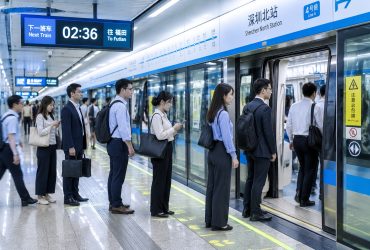
Past the closing time of traditional offices, China’s technology hubs hum with a different rhythm. Walking through Shenzhen’s Nanshan district at 2 AM reveals a quiet reality: engineers aren’t just chasing speed. They are quietly rebuilding how cities function, one line of code and one late-night convenience store run at a time.