

Introduction: The Sip That Stops Time
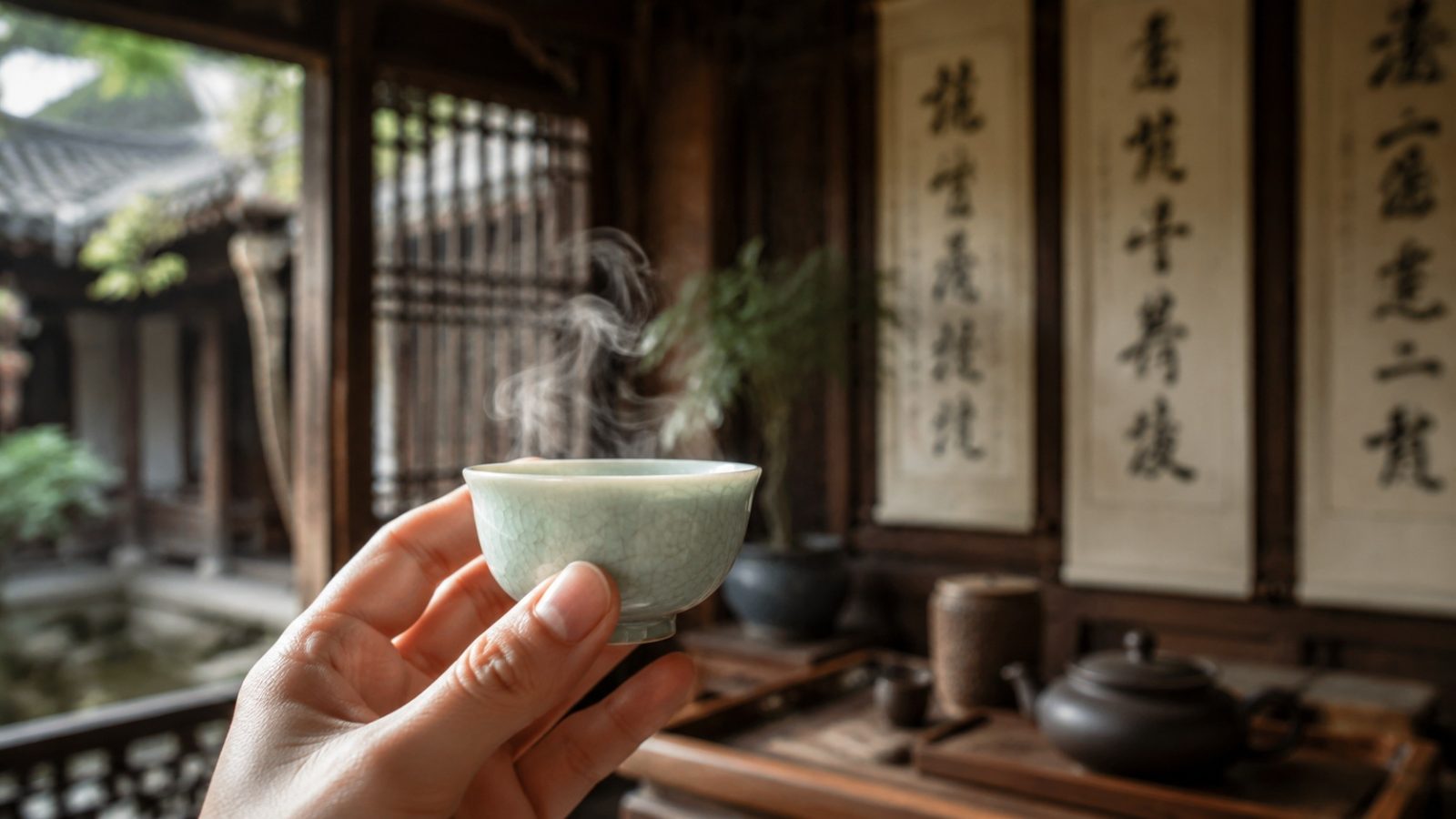
Imagine holding a warm porcelain cup in your palms, watching the steam rise in delicate spirals. The aroma of green tea fills the air—fresh, grassy, slightly sweet. You take a slow sip, and for that moment, the world outside fades. This isn’t just a beverage; it’s an invitation to be fully present. In China, this experience is called Cha Chan Yi Wei—”tea and Zen share one flavor.” But what does that really mean? How did ancient monks and poets find enlightenment in a simple cup of tea?
The Ancient Roots: Monks, Tea, and Meditation
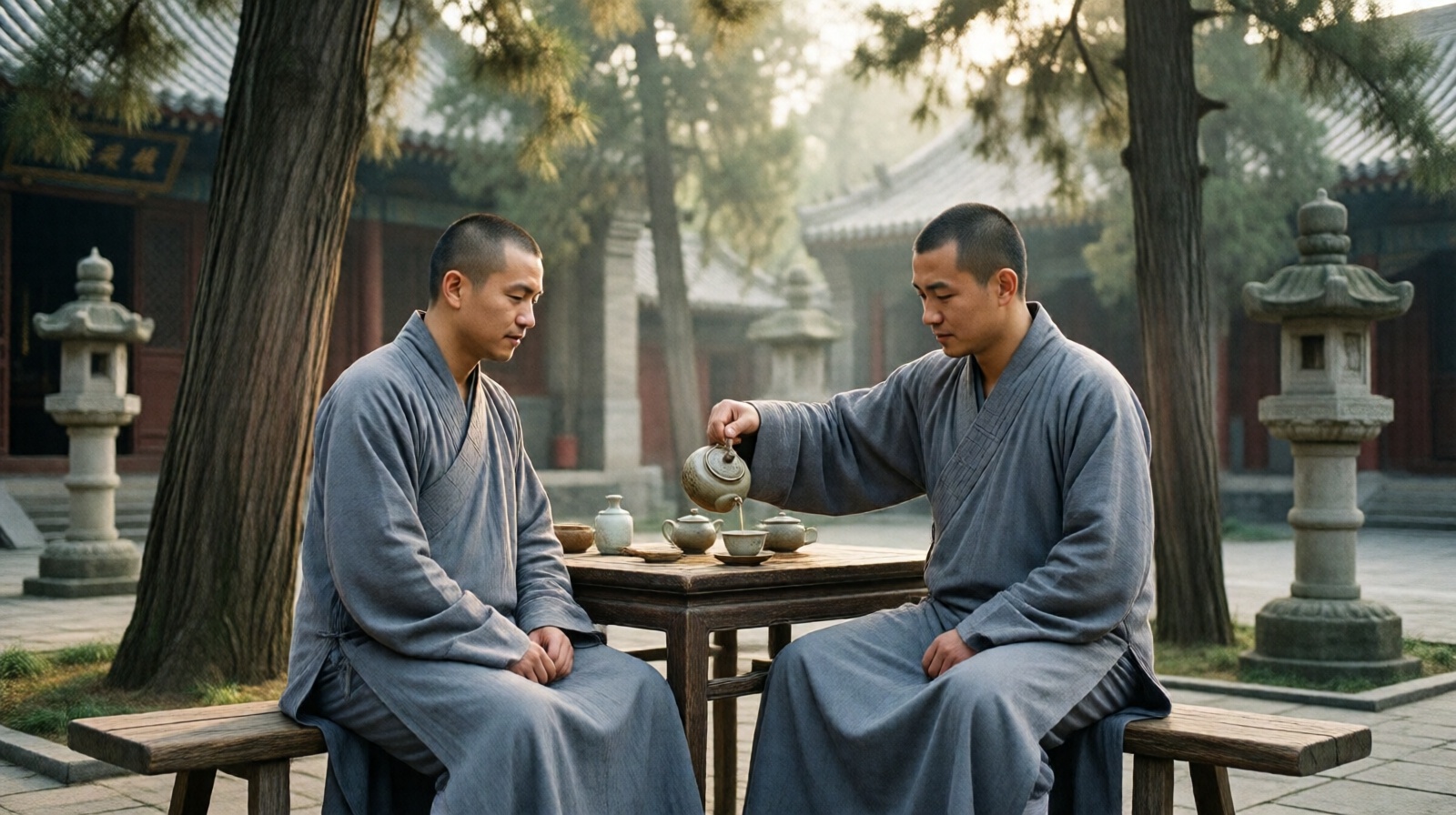
The story begins over a thousand years ago, during the Tang Dynasty (618–907 AD). Buddhist monks, who spent hours in seated meditation, needed something to keep them awake and alert. Tea, with its mild caffeine and calming L-theanine, became their perfect companion. But soon, tea transcended its functional role. Monks noticed that the act of preparing and drinking tea mirrored the principles of Zen: attention, patience, and non-attachment.
One famous tale involves Master Zhaozhou (778–897), a Chan (Zen) Buddhist teacher. Whenever a student came to him, he would simply say, “Have a cup of tea!” Whether the student was new or advanced, the answer was always the same. The message? Enlightenment isn’t somewhere else—it’s in this very moment, in this cup. Another key figure, Baizhang Huaihai (720–814), established a monastic code that included tea rituals as part of daily practice. He famously said, “A day without work is a day without eating”—and that work included growing, picking, and preparing tea as a form of moving meditation.
The Art of Cultivation: Every Step Is Practice
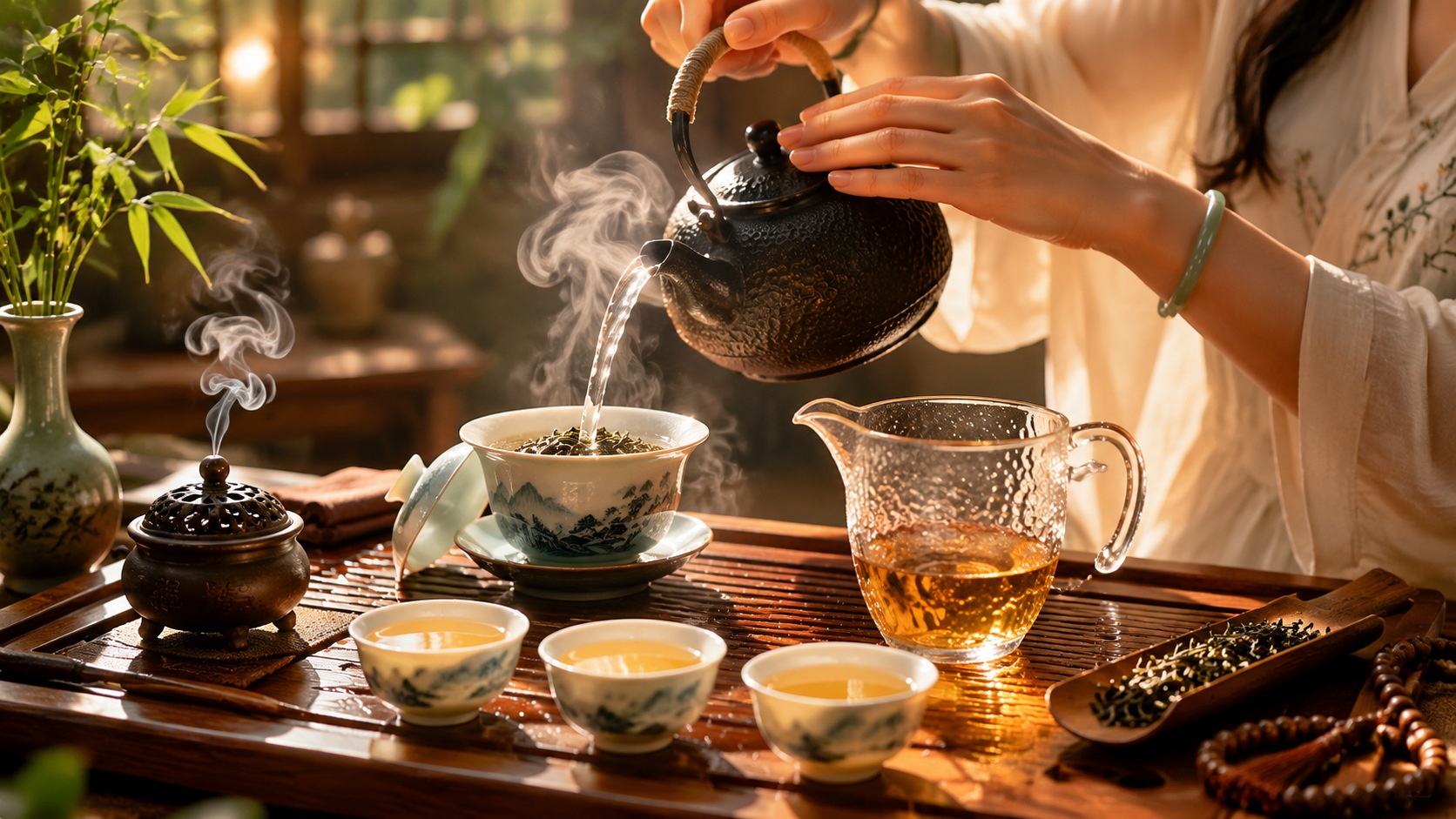
For the ancients, the path of tea and Zen wasn’t abstract. It was embodied in every gesture: boiling water to the perfect temperature, warming the teapot, measuring leaves, pouring in a steady stream. The Japanese later refined these movements into the formal tea ceremony (chanoyu), but its roots are deeply Chinese. Concepts like ichigo ichie (one encounter, one chance) and wa kei sei jaku (harmony, respect, purity, tranquility) originally emerged from Chinese Chan Buddhist thought.
In practice, the tea session becomes a microcosm of life. The first steep is light and fleeting—like youth. The second steep is rich and full—like maturity. The third steep fades gently—like old age. Each infusion teaches impermanence. The drinker learns to savor without clinging, to let go without regret. This is the very heart of Zen: seeing things as they are, without the filter of desire or aversion.
Modern Echoes: Tea and Zen in Contemporary China
Today, you don’t need to be a monk to practice tea Zen. In cities like Chengdu, Hangzhou, or Beijing, tea houses offer quiet corners where stressed professionals can slow down. Some people attend weekend retreats that combine tea tasting with guided meditation. Others simply make a ritual of their evening brew, turning off their phones and focusing on the leaves unfurling in hot water.
I once visited a small tea room in Suzhou, run by a middle-aged woman named Teacher Lin. She had left her corporate job to pursue the way of tea. “Every day, I serve tea to strangers,” she told me, while pouring a clear golden liquor into a tiny cup. “But in each serving, I try to bring the same mindfulness that the ancient monks had. Tea is my meditation, my prayer.” Her students, mostly young professionals, come to learn not just brewing techniques—but how to be still in a noisy world.
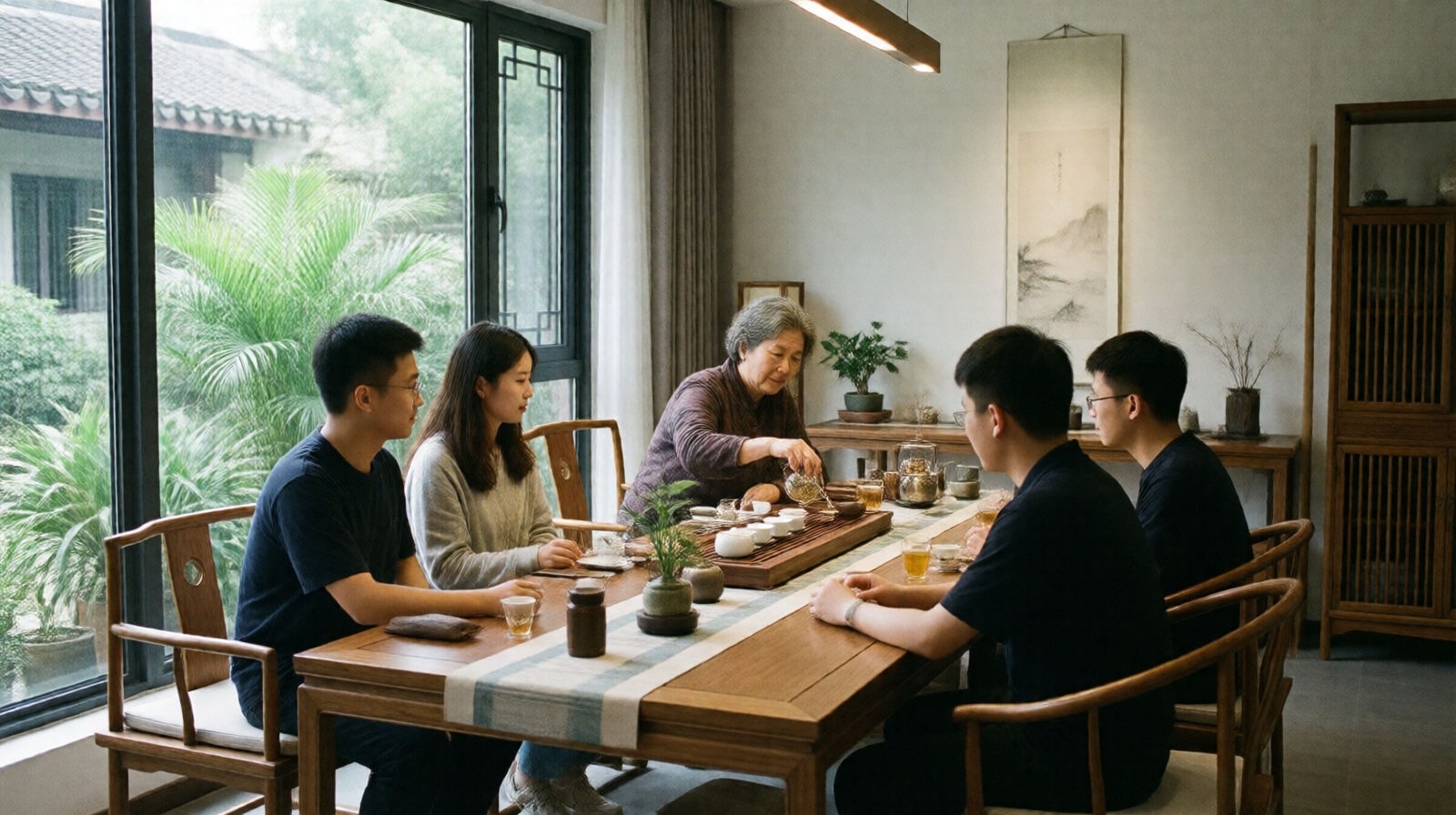
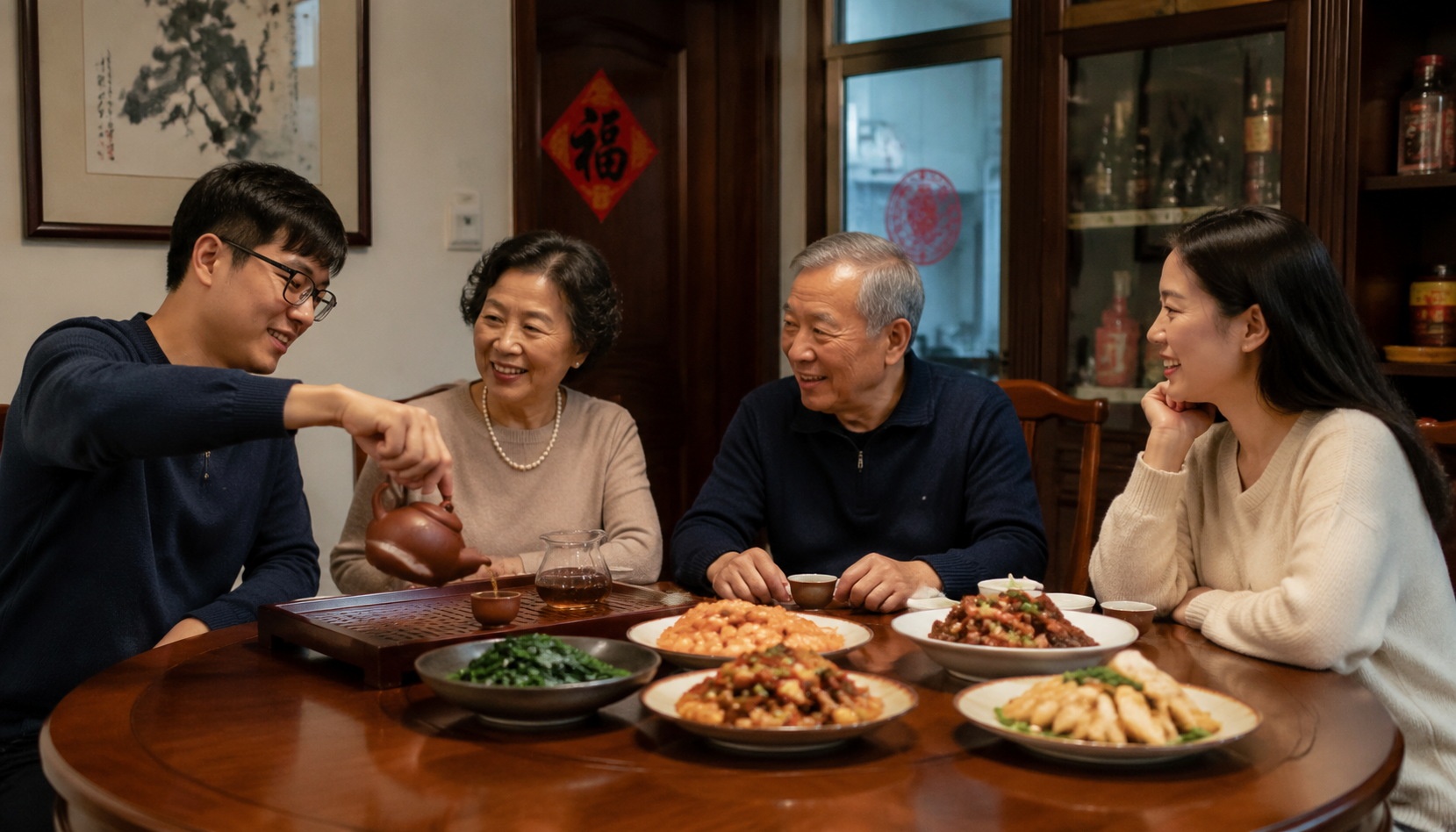
Even at home, many Chinese families own a simple gongfu tea set. After dinner, they might gather around the table, not just to drink but to talk, to listen, to be together. The slow pour, the shared aroma, the warmth of the cup—these tiny acts weave mindfulness into everyday life. As the saying goes, “Drink tea, and all worries dissolve.”
Conclusion: The Cup Is Already Full
The phrase “tea and Zen share one flavor” isn’t a metaphor reserved for ancient masters. It’s a living tradition, passed down through the simple act of brewing. The next time you hold a cup of tea, notice the weight, the heat, the subtle fragrance. In that single moment, you are connected to centuries of practice. You are already practicing Zen.
Perhaps that’s the greatest gift of Chinese tea culture: it reminds us that enlightenment is not a distant goal but a daily possibility. In a world that rushes, tea invites us to pause. And in that pause, we find ourselves.