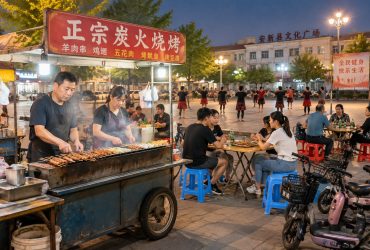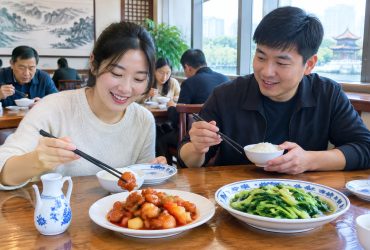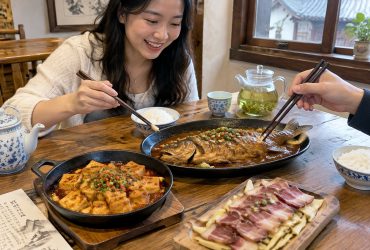
Forget the postcard views of West Lake. To truly taste Hangzhou, you have to navigate its chaotic morning markets and high-tech digital payments, then contrast that with a modern fine dining experience. Here is what locals actually eat.
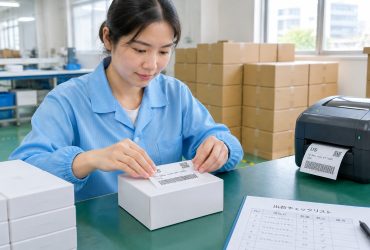
Forget the image of Chinese factories churning out mass goods. In cities from Shanghai to Chengdu, families are turning living rooms into workshops, using affordable 3D printers to fix broken appliances and design custom solutions. This article explores how a supply-side revolution has turned high-tech manufacturing into an accessible hobby for ordinary households.
Driving across a bridge suspended in clouds at 3,000 meters isn't just a commute; it's an engineering miracle. Discover how this high-altitude structure transforms remote terrain into a vital economic artery and what the experience feels like for those who drive on it.
Driving through the Haba Snow Mountain pass in Yunnan, you can cross a tropical rainforest and stand on a glacier in under four hours. Here is what that extreme geographic compression feels like for ordinary travelers.
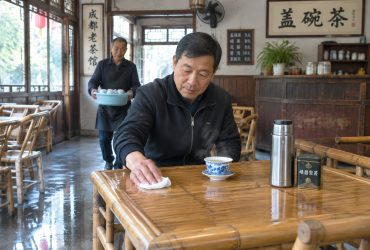
In many Chinese tea houses, you don't need to speak to order. From the rhythm of tapping a lid to the placement of loose leaves, an unspoken code governs service. Discover how locals use this 'secret language' to communicate needs, build community, and navigate social nuances in China's most authentic public spaces.
Beyond the postcard views, a walk through Zhangye's Danxia Geopark reveals how ancient geology, shifting light, and local community life converge in one of Earth's most surreal landscapes.
Forget the movie sets. Stay inside a living, breathing 300-year-old Tulou fortress in Fujian to experience communal life, architectural genius, and the quiet rhythm of modern Hakka villages away from commercial crowds.
In China, the National College Entrance Examination (Gaokao) is more than a test; it is a national moment. This article explores how entire cities—from traffic police to shop owners—mobilize in silence and action to support millions of students, revealing the unique social logic behind this massive collective effort.
Why does a bowl of noodles in Beijing taste salty while one in Suzhou is sweet? Discover how China's geography, history, and modern life shape the 'sweet vs. salty' food map, told through the eyes of ordinary families.
Forget the bubble tea stereotypes. In modern China, 'sweet' isn't just about sugar; it's a complex balance of health consciousness, generational shifts, and urban living. Discover how ordinary people are redefining taste and happiness in today's society.